

HTML SitemapExplore
logo
Find Things to DoFind The Best Restaurants

🇸🇳 Gorée Island - Dakar, Senegal

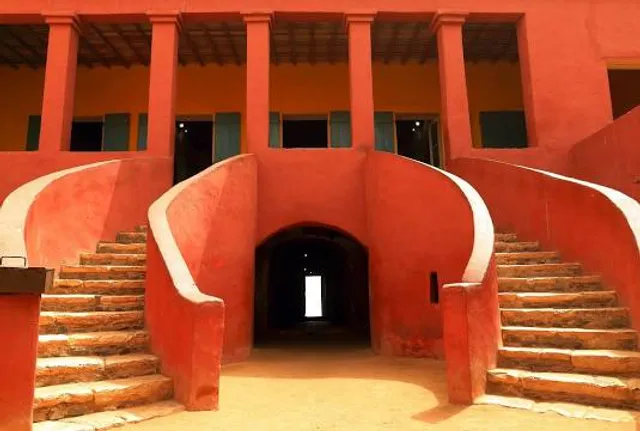
Gorée Island, off the coast of Dakar, was colonized by the Portuguese, Dutch, British, and French from the 15th century onward. It became a key hub in the transatlantic slave trade, with an estimated 20 million enslaved Africans passing through—a haunting testament to the brutal era of colonialism and the dark foundations of capitalist accumulation. 1. Island Overview Gorée Island is a small volcanic island (0.182 km²) located about 3 km southeast of Dakar. Measuring just 900m long and 300m wide, it gained infamy as a major slave trade transit point. Recognized for its historical significance, it was declared a UNESCO World Heritage Site in 1978. 2. Getting There 🚢 By Ferry: Departs from Port de Dakar (15-30 min ride). Ticket Prices: Senegalese residents: 1,500 XOF (round trip) Other African nationals: 2,700 XOF Foreigners: 5,200 XOF (+ 500 XOF tax) Tip: Weekends get crowded—arrive early! Passports may be checked before boarding. 🚶 On the Island: No vehicles—walking only! Comfortable shoes & sunscreen are a must. ☀️ 3. Must-See Attractions & Experiences 🔴 1. Slave House & Museum (House of Slaves) A pink two-story building—slave traders lived upstairs, while enslaved people were crammed into tiny cells (5-6m² for 15-20 people). Key sections: "Fattening Room" (where underweight captives were force-fed) "Door of No Return" (final exit point before forced shipment across the Atlantic) Hours: Open daily (closed Mon), closes at 6 PM. Entry: 1,500 XOF 🏰 2. Colonial Forts & Cannons Fort d'Estrées (North Island): Offers panoramic views & colonial military history. St. Michael’s Fort: Dutch-era fortress with military exhibits. 🎨 3. Art & Culture Open-air art galleries & craft markets: Local artists sell paintings & wood carvings (≈5,000–20,000 XOF). Colonial architecture: Victoria-Albis Theatre ruins, Presbyterian Monastery—blending European & African influences. 🌊 4. Nature & Relaxation Scenic coastal walks (west side has great Dakar skyline views). Bougainvillea blooms (most vibrant June–October). 🌺 4. Travel Tips ⏳ Best Time to Visit: Half to full day; mornings are cooler. 🍽️ Food & Drinks: Try Thieboudienne (Senegal’s national dish—fish & rice). Sip Café Touba (spiced local coffee). ☕ 🛍️ Shopping: Bargain for paintings & crafts! #Senegal #Dakar #HistoryAndNature 🌍✨
Related posts
🇸🇳 Monument of African Renaissance: A 1,200-Year-Old Bronze ColossusDakar: Where Dust, Eagles & Sea Urchins Collide 🌪️🌊Senegal 🇸🇳 Dakar – The "Atlantic Pearl" of West Africa🇸🇳 Senegal Adventure: 6-Day Itinerary in Vibrant Dakar! 🌍✨Senegal 🇸🇳 - The Hidden Gem of Africa You NEED to Discover!Gorée Island: A Collision of Heavy History and Stunning Scenery
Ekaterina Kuznet
Ekaterina Kuznet
4 months ago
Ekaterina Kuznet
Ekaterina Kuznet
4 months ago
no-comment

No one has commented yet...

🇸🇳 Gorée Island - Dakar, Senegal

Gorée Island, off the coast of Dakar, was colonized by the Portuguese, Dutch, British, and French from the 15th century onward. It became a key hub in the transatlantic slave trade, with an estimated 20 million enslaved Africans passing through—a haunting testament to the brutal era of colonialism and the dark foundations of capitalist accumulation. 1. Island Overview Gorée Island is a small volcanic island (0.182 km²) located about 3 km southeast of Dakar. Measuring just 900m long and 300m wide, it gained infamy as a major slave trade transit point. Recognized for its historical significance, it was declared a UNESCO World Heritage Site in 1978. 2. Getting There 🚢 By Ferry: Departs from Port de Dakar (15-30 min ride). Ticket Prices: Senegalese residents: 1,500 XOF (round trip) Other African nationals: 2,700 XOF Foreigners: 5,200 XOF (+ 500 XOF tax) Tip: Weekends get crowded—arrive early! Passports may be checked before boarding. 🚶 On the Island: No vehicles—walking only! Comfortable shoes & sunscreen are a must. ☀️ 3. Must-See Attractions & Experiences 🔴 1. Slave House & Museum (House of Slaves) A pink two-story building—slave traders lived upstairs, while enslaved people were crammed into tiny cells (5-6m² for 15-20 people). Key sections: "Fattening Room" (where underweight captives were force-fed) "Door of No Return" (final exit point before forced shipment across the Atlantic) Hours: Open daily (closed Mon), closes at 6 PM. Entry: 1,500 XOF 🏰 2. Colonial Forts & Cannons Fort d'Estrées (North Island): Offers panoramic views & colonial military history. St. Michael’s Fort: Dutch-era fortress with military exhibits. 🎨 3. Art & Culture Open-air art galleries & craft markets: Local artists sell paintings & wood carvings (≈5,000–20,000 XOF). Colonial architecture: Victoria-Albis Theatre ruins, Presbyterian Monastery—blending European & African influences. 🌊 4. Nature & Relaxation Scenic coastal walks (west side has great Dakar skyline views). Bougainvillea blooms (most vibrant June–October). 🌺 4. Travel Tips ⏳ Best Time to Visit: Half to full day; mornings are cooler. 🍽️ Food & Drinks: Try Thieboudienne (Senegal’s national dish—fish & rice). Sip Café Touba (spiced local coffee). ☕ 🛍️ Shopping: Bargain for paintings & crafts! #Senegal #Dakar #HistoryAndNature 🌍✨

Dakar
House of Slaves
House of SlavesHouse of Slaves