HTML SitemapExplore
logo
Find Things to DoFind The Best Restaurants

House of Slaves — Attraction in Dakar

Name
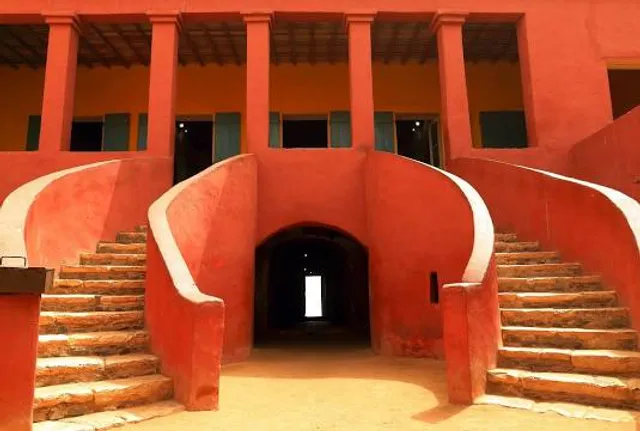
House of Slaves
Description
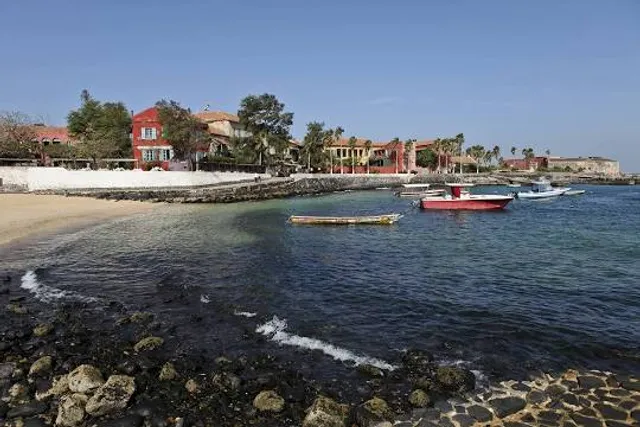
The House of Slaves and its Door of No Return is a museum and memorial to the victims of the Atlantic slave trade on Gorée Island, 3 km off the coast of the city of Dakar, Senegal.
Nearby attractions
St. Charles Eglise
MJ82+QQ8, Dakar, Senegal
IFAN Historical Museum
Dakar, Senegal
Nearby restaurants
Chez Tonton Depuis 1949
MJ92+7F7, Dakar, Senegal
L'Amiraute
MJ83+R6H, Dakar, Senegal
Chez Nene La Retrouvailles
MJ92+8HC, Rue Saint-Germain, Goree, Senegal
Chez Thio
MJ92+8CR, Dakar, Senegal
Restaurant Chez Kiki
MJ92+8C9, Dakar, Senegal
Chez Poulot
Rue du castel, Dakar, Senegal
Le Saint Germain
MJ92+9JH, Dakar, Senegal
La Crêpe Saint-Louisienne
Dakar, Senegal
Restaurant Ann’Sabran
MJ92+M4X, Rue des Batteries, Dakar, Senegal
Nearby hotels
Chez Eric
Rue de la compagnie, Gorée 18522, Senegal
La Maison Du Marin
street De SN, Rue de Malavois, Dakar 21774, Senegal
Maison Augustin Ly
MJ83+M3H, Rue Blanchot, Rue de Malavois, Dakar, Senegal
Hôtel Madou Gorée
1 rue du port, Dakar, Senegal
Chez coumbis
MJ82+HWV Rue saint Charles, Dakar 18251, Senegal
Chevalier de Boufflers
MJ92+H5C, Dakar, Senegal
ASAO
MH9X+GWQ Rue Saint-Joseph, Dakar, Senegal
La Principauté Gorée
Gorée 10300, Senegal
Related posts
Senegal 🇸🇳 - The Hidden Gem of Africa You NEED to Discover!🇸🇳 Gorée IslandDakar Attractions Guide: Must-Sees & Skips 🇸🇳✨Gorée Island Day Trip: A Breezy Escape! 🏝️✨Dakar, Senegal 🇸🇳 | Ultimate Travel Guide🇸🇳 Gorée Island - Dakar, Senegal
Keywords
House of Slaves tourism.House of Slaves hotels.House of Slaves bed and breakfast. flights to House of Slaves.House of Slaves attractions.House of Slaves restaurants.House of Slaves travel.House of Slaves travel guide.House of Slaves travel blog.House of Slaves pictures.House of Slaves photos.House of Slaves travel tips.House of Slaves maps.House of Slaves things to do.
House of Slaves things to do, attractions, restaurants, events info and trip planning
House of Slaves
SenegalDakar RegionDakarHouse of Slaves

Basic Info

House of Slaves

Dakar, Senegal
4.5(1.5K)
Open 24 hours
Save
spot

Ratings & Description

Info

The House of Slaves and its Door of No Return is a museum and memorial to the victims of the Atlantic slave trade on Gorée Island, 3 km off the coast of the city of Dakar, Senegal.

Cultural
N/a
attractions: St. Charles Eglise, IFAN Historical Museum, restaurants: Chez Tonton Depuis 1949, L'Amiraute, Chez Nene La Retrouvailles, Chez Thio, Restaurant Chez Kiki, Chez Poulot, Le Saint Germain, La Crêpe Saint-Louisienne, Restaurant Ann’Sabran
logoLearn more insights from Wanderboat AI.
Phone
+221 77 649 38 24

Plan your stay

hotel
Pet-friendly Hotels in Dakar
Find a cozy hotel nearby and make it a full experience.

hotel
Affordable Hotels in Dakar
Find a cozy hotel nearby and make it a full experience.

hotel
The Coolest Hotels You Haven't Heard Of (Yet)
Find a cozy hotel nearby and make it a full experience.

hotel
Trending Stays Worth the Hype in Dakar
Find a cozy hotel nearby and make it a full experience.

Reviews

Nearby attractions of House of Slaves

St. Charles Eglise

IFAN Historical Museum
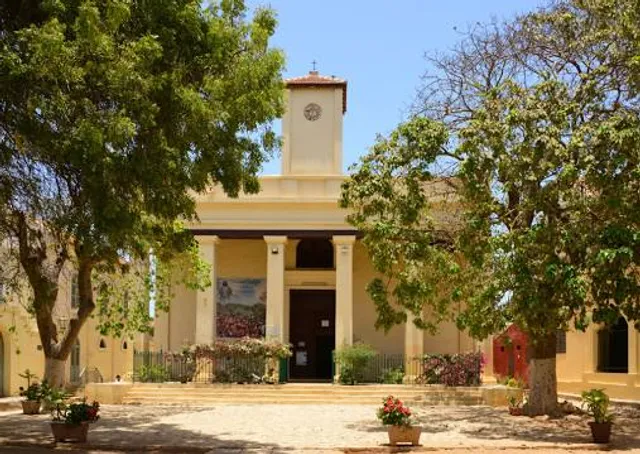
St. Charles Eglise

St. Charles Eglise

4.3

(40)

Open 24 hours
Click for details
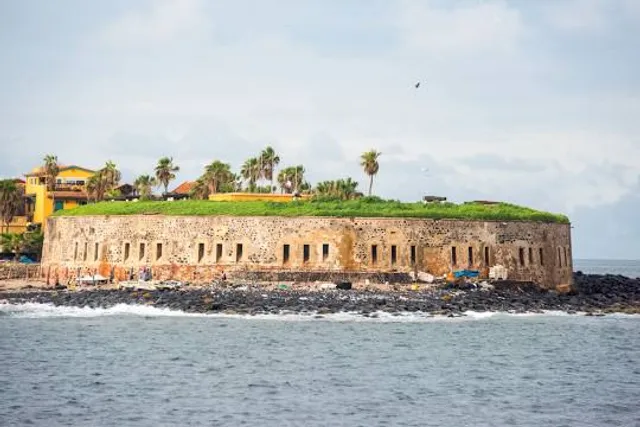
IFAN Historical Museum

IFAN Historical Museum

4.2

(282)

Open 24 hours
Click for details

Nearby restaurants of House of Slaves

Chez Tonton Depuis 1949

L'Amiraute

Chez Nene La Retrouvailles

Chez Thio

Restaurant Chez Kiki

Chez Poulot

Le Saint Germain

La Crêpe Saint-Louisienne

Restaurant Ann’Sabran
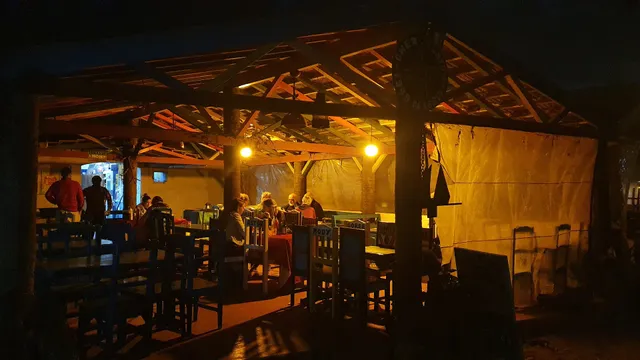
Chez Tonton Depuis 1949

Chez Tonton Depuis 1949

4.1

(81)

$

Click for details
L'Amiraute

L'Amiraute

3.1

(25)

Open until 11:00 PM
Click for details
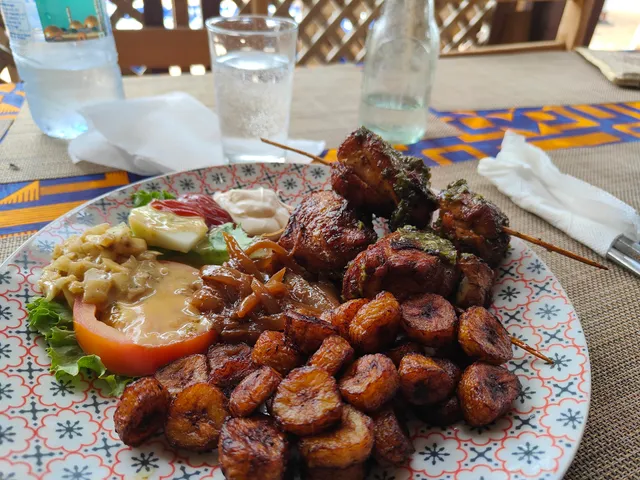
Chez Nene La Retrouvailles

Chez Nene La Retrouvailles

4.2

(56)

Closed
Click for details
Chez Thio

Chez Thio

4.1

(79)

Click for details
Get the Appoverlay
Get the AppOne tap to find yournext favorite spots!
Wanderboat LogoWanderboat

Your everyday Al companion for getaway ideas

CompanyAbout Us
InformationAI Trip PlannerSitemap
SocialXInstagramTiktokLinkedin
LegalTerms of ServicePrivacy Policy

Get the app

© 2025 Wanderboat. All rights reserved.
logo

Posts

Senegal 🇸🇳 - The Hidden Gem of Africa You NEED to Discover!
Ekaterina KuznetEkaterina Kuznet
Senegal 🇸🇳 - The Hidden Gem of Africa You NEED to Discover!
🇸🇳 Gorée Island
Ekaterina KuznetEkaterina Kuznet
🇸🇳 Gorée Island
Dakar Attractions Guide: Must-Sees & Skips 🇸🇳✨
Astrid  MajaAstrid  Maja
Dakar Attractions Guide: Must-Sees & Skips 🇸🇳✨
See more posts
See more posts
hotel
Find your stay

Pet-friendly Hotels in Dakar

Find a cozy hotel nearby and make it a full experience.

Senegal 🇸🇳 - The Hidden Gem of Africa You NEED to Discover!
Ekaterina Kuznet

Ekaterina Kuznet

hotel
Find your stay

Affordable Hotels in Dakar

Find a cozy hotel nearby and make it a full experience.

Get the Appoverlay
Get the AppOne tap to find yournext favorite spots!
🇸🇳 Gorée Island
Ekaterina Kuznet

Ekaterina Kuznet

hotel
Find your stay

The Coolest Hotels You Haven't Heard Of (Yet)

Find a cozy hotel nearby and make it a full experience.

hotel
Find your stay

Trending Stays Worth the Hype in Dakar

Find a cozy hotel nearby and make it a full experience.

Dakar Attractions Guide: Must-Sees & Skips 🇸🇳✨
Astrid  Maja

Astrid  Maja

See more posts
See more posts

Reviews of House of Slaves

4.5
(1,515)
avatar
5.0
32w

The House of Slaves, known as Maison des Esclaves in French, is a historic building and museum located on Gorée Island, just off the coast of Dakar, Senegal. Constructed in 1776 by the Dutch, it stands as a poignant reminder of the Atlantic slave trade and its profound impact on Africa and the world. 

Gorée Island was a significant center for the slave trade from the 15th to the 19th century. The island changed hands among the Portuguese, Dutch, English, and French, each contributing to its role in the transatlantic slave trade. Enslaved Africans were held in cramped, dark cells within the House of Slaves, awaiting transport across the ocean. Families were often separated, and many captives endured inhumane conditions before being forced onto ships bound for the Americas. 

One of the most haunting features of the House is the “Door of No Return.” This narrow passageway led directly to the sea, symbolizing the final departure point for countless Africans who were taken from their homeland, never to return. The door has become an emblem of the suffering endured during the slave trade and serves as a powerful symbol of loss and remembrance. 

In 1962, the House of Slaves was transformed into a museum under the guidance of Boubacar Joseph Ndiaye, who served as its curator until his death in 2009. Ndiaye was instrumental in preserving the site and educating visitors about its history. He believed that over a million enslaved Africans passed through the House, a figure that has been subject to debate among historians. Nonetheless, the museum remains a vital place for reflection and education about the atrocities of slavery. 

The House of Slaves has attracted numerous notable visitors over the years, including Nelson Mandela, Pope John Paul II, and former U.S. President Barack Obama. These visits underscore the site’s global significance as a memorial to the victims of slavery and a place for contemplation and reconciliation. 

Today, the House of Slaves continues to serve as a museum and educational center, welcoming visitors from around the world. It stands not only as a testament to the horrors of the past but also as a symbol of resilience and the enduring human spirit. By preserving this history, the museum plays a crucial role in ensuring that the lessons of the past are not forgotten and that the legacy of those who...

   Read more
avatar
1.0
16w

The ferry ride over was the only moment that carried weight — seeing the island rise from the water, “ remembering “ it as a place no one wished to reach, where the chances of ever touching African soil again were almost none. That knowing was the deepest feeling of the day.

Once ashore, the Maison of Stolen African people felt hollow. No carvings, no writings, no tangible evidence to anchor the claims — just bare rooms, walked through in minutes. Moments after purchasing a ticket, a guide tried to corral visitors into language-based groups, a practiced funnel I refused because it felt like being ushered somewhere i did not want to go nor asked to go. “ i don’t need a guide. “

Outside the famed door, the black volcanic rocks underneath leave unanswered how those who may have been held here actually reached the ships. The loudspeakers, the staged narration, the palm colored crowds taking photographs — it was disrespectful if this is really what it claims.

The space is overexposed, overrated, and the value — in a taxi ride to the ferry/port, ferry fare, entrance fee, and meaning — was absent.

Those seeking truth will not find it in this curated shell. Leaving after 30 minutes, as i walked slowly in front of the gathered mostly palm colored crowd and just shook my head in udder astonishment at this peculiar hunger,— this steady flow of non-Africans toward supposedly chambers of the dead and rooms of the broken, where brown and Black ancestors may have once lay in pain.

Sites of enslavement — dungeons on Gorée, Elmina, Cape Coast — become a stage for gawking, while the ones that benefit are many of the very people from the very nations that profited from the chains.

Beyond the museum, the island’s present is stark: young brown Senegalese men and much older pale-skinned foreign women fill the cafés and beaches. Sex tourism here is not hidden; it hums alongside the tourist economy, a jarring undercurrent in a place marketed as a site of solemn memory.

Racism and exploitation were not buried with those who may have endured these on this...

   Read more
avatar
5.0
6y

The House of Slaves on Gorée Island, Senegal is just such a place. The island itself, resting off the coast of Dakar, the capital of Senegal emits a rather sombre vibe, something that more resembles a graveyard than a tropical island. There seems to be a respectful understanding that underneath the gentle sound of the sea breeze lurks the pain and silent screams of its past. Acting as a stopover where outbound African slaves would be processed and shipped away, the House of Slaves was a market where Africans would be shipped by middle-men from mainland West Africa, and then traders could visit, and purchase slaves before leading them through what is now called the “Door of No Return,” filling small boats before returning to their main vessel stationed just off the island. The island is believed to have processed hundreds, perhaps thousands of African slaves, with some estimates even suggesting millions, however many scholars have called the veracity of the island’s legacy and its House of Slaves into question.

Historians are yet to settle the numbers, but it has been argued by many that the site was a minor location in the slave trade, and some have even questioned whether it was a part of it at all. Regardless of the actual numbers, most agree that what matters is the island’s symbolism, and the House of Slaves is best considered a memorial as opposed to a historic site.

The House of Slaves itself is now a museum. An evocative structure complete with iron shackles and dingy cells where the slaves were said to have been crushed together in horrifying darkness, awaiting their inescapable fate. The historical controversy aside, the site’s power as a grim testament to one of our species’ darkest eras has garnered visits from such luminaries as Nelson Mandela and...

   Read more
Page 1 of 7
Previous
Next