
HTML SitemapExplore
logo
Find Things to DoFind The Best Restaurants

A Journey Through Time in Sri Lanka

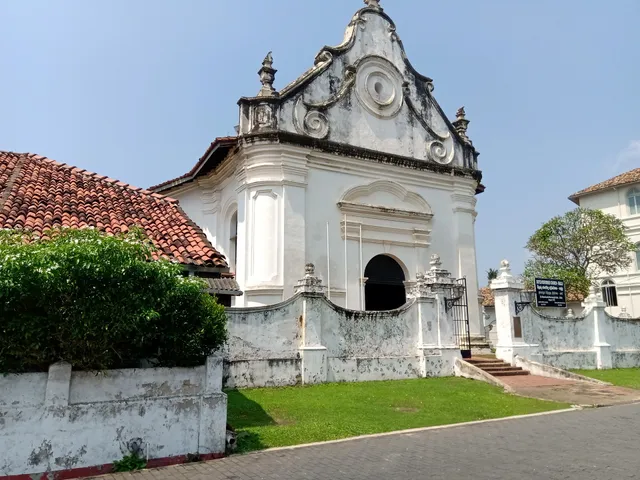
The History of Galle Fort๐Ÿ† The history of the ancient city of Galle dates back to the early 16th century, when Portuguese colonizers built the initial fortifications here. However, it was the arrival of Dutch colonizers in the 17th century that truly gave Galle its unique character. ๐Ÿ”๐Ÿ” The Dutch carried out large-scale expansions of Galle, turning it into a strong coastal defense fortress. ๐Ÿ ๐ŸŒดThe city walls, batteries, lighthouse, and typical Dutch-style buildings have been well-preserved to this day, making people feel as if they were in a European colony hundreds of years ago.๐ŸŒบ Galle Fort is more than just a "living museum" โ€” the ancient city is full of stylish cafes, art galleries, and boutique hotels. You can also enjoy a cup of authentic Sri Lankan black tea in the antique buildings.๐Ÿก ๐Ÿฐ Unmissable Historical Buildings in the Fort No1. ๐ŸŽซ Galle Maritime Museum ๐Ÿ• It showcases Sri Lanka's glorious history as an important link on the Maritime Silk Road. First established in 1992, it was severely damaged in the 2004 Indian Ocean tsunami.๐Ÿšฒ After restoration, it reopened in 2009. The restoration not only restored its original appearance but also added many modern exhibition facilities, making it one of the most important maritime museums in Sri Lanka.๐Ÿ›ถ The exhibition areas mainly include: 1.ย Ancient Navigation and Trade: Displaying ancient ship models, navigation instruments, and precious cultural relics salvaged from sunken ships.๐ŸŽ 2.ย Marine Life: Showcasing the rich marine ecosystem of the Indian Ocean, including specimens of various fish, corals, and marine mammals.๐ŸŽ‰ 3.ย Fisheries and Marine Resources: Introducing the development of Sri Lanka's traditional and modern fisheries, as well as the sustainable use of marine resources.๐ŸŽ 4.ย Tsunami Exhibition: Specifically showcasing the disaster and reconstruction process of the 2004 Indian Ocean tsunami, including post-disaster restoration work and future disaster prevention.๐ŸŽ… No2. ๐Ÿ•Œ Dutch Reformed Church โ›ช๏ธ It is one of the oldest churches in Sri Lanka. This church is not only an important historical site in the ancient city of Galle but also an outstanding representative of Dutch colonial architectural style and religious history.โœจโœจ Built in 1755, during the heyday of the Dutch East India Company's rule in Sri Lanka, the church was constructed to serve Dutch colonizers and their families in Galle. It was funded by Casparus de Jong, the Dutch East India Company governor in Galle, and his wife Maria Elizabeth de Meur.๐Ÿ’ž๐Ÿ’ž The architectural style of the Dutch Reformed Church is elegant and simple, reflecting the characteristics of Dutch Protestant architecture. The exterior of the church is composed of thick stone walls, appearing solemn and stable. ๐Ÿ’— ๐Ÿ’–๐Ÿ’–The interior decoration is relatively simple, mainly with wooden structures, embodying the Dutch Reformed Church's emphasis on simplicity. ๐Ÿ’•๐Ÿ’•The floor of the church is paved with ancient tombstones, and its tall wooden ceiling and exquisite wood carvings add unique charm to it.๐Ÿก๐Ÿก #SriLanka#Travel

Related posts
Another Colombo Brunch Gem ๐Ÿณ Kumbuk Cafe:Sri Lanka | Third Stop: Kandy, the Holy Land of BuddhismColomboโ€™s Favorite Brunch Among White Travelers ๐ŸƒEnter the Holy City of Anuradhapura ~ Abhayagiri StupaSri Lanka | Encounter a different "Tear of the Indian Ocean"Anuradhapura, the Western Ancient City of Sri Lanka
Rory Betty
Rory Betty
4 months ago
Rory Betty
Rory Betty
4 months ago
no-comment

No one has commented yet...

A Journey Through Time in Sri Lanka

The History of Galle Fort๐Ÿ† The history of the ancient city of Galle dates back to the early 16th century, when Portuguese colonizers built the initial fortifications here. However, it was the arrival of Dutch colonizers in the 17th century that truly gave Galle its unique character. ๐Ÿ”๐Ÿ” The Dutch carried out large-scale expansions of Galle, turning it into a strong coastal defense fortress. ๐Ÿ ๐ŸŒดThe city walls, batteries, lighthouse, and typical Dutch-style buildings have been well-preserved to this day, making people feel as if they were in a European colony hundreds of years ago.๐ŸŒบ Galle Fort is more than just a "living museum" โ€” the ancient city is full of stylish cafes, art galleries, and boutique hotels. You can also enjoy a cup of authentic Sri Lankan black tea in the antique buildings.๐Ÿก ๐Ÿฐ Unmissable Historical Buildings in the Fort No1. ๐ŸŽซ Galle Maritime Museum ๐Ÿ• It showcases Sri Lanka's glorious history as an important link on the Maritime Silk Road. First established in 1992, it was severely damaged in the 2004 Indian Ocean tsunami.๐Ÿšฒ After restoration, it reopened in 2009. The restoration not only restored its original appearance but also added many modern exhibition facilities, making it one of the most important maritime museums in Sri Lanka.๐Ÿ›ถ The exhibition areas mainly include: 1.ย Ancient Navigation and Trade: Displaying ancient ship models, navigation instruments, and precious cultural relics salvaged from sunken ships.๐ŸŽ 2.ย Marine Life: Showcasing the rich marine ecosystem of the Indian Ocean, including specimens of various fish, corals, and marine mammals.๐ŸŽ‰ 3.ย Fisheries and Marine Resources: Introducing the development of Sri Lanka's traditional and modern fisheries, as well as the sustainable use of marine resources.๐ŸŽ 4.ย Tsunami Exhibition: Specifically showcasing the disaster and reconstruction process of the 2004 Indian Ocean tsunami, including post-disaster restoration work and future disaster prevention.๐ŸŽ… No2. ๐Ÿ•Œ Dutch Reformed Church โ›ช๏ธ It is one of the oldest churches in Sri Lanka. This church is not only an important historical site in the ancient city of Galle but also an outstanding representative of Dutch colonial architectural style and religious history.โœจโœจ Built in 1755, during the heyday of the Dutch East India Company's rule in Sri Lanka, the church was constructed to serve Dutch colonizers and their families in Galle. It was funded by Casparus de Jong, the Dutch East India Company governor in Galle, and his wife Maria Elizabeth de Meur.๐Ÿ’ž๐Ÿ’ž The architectural style of the Dutch Reformed Church is elegant and simple, reflecting the characteristics of Dutch Protestant architecture. The exterior of the church is composed of thick stone walls, appearing solemn and stable. ๐Ÿ’— ๐Ÿ’–๐Ÿ’–The interior decoration is relatively simple, mainly with wooden structures, embodying the Dutch Reformed Church's emphasis on simplicity. ๐Ÿ’•๐Ÿ’•The floor of the church is paved with ancient tombstones, and its tall wooden ceiling and exquisite wood carvings add unique charm to it.๐Ÿก๐Ÿก #SriLanka#Travel

Srilanka
Dutch Reformed Church
Dutch Reformed ChurchDutch Reformed Church