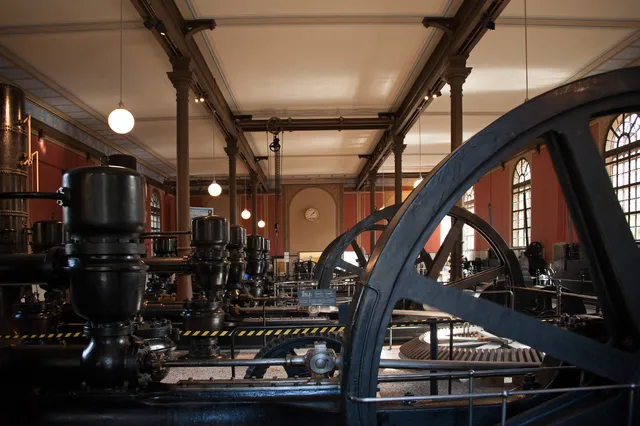

Augsburg: Where Water Engineering Became Art 💦🏆
In 2019, UNESCO crowned Augsburg's pioneering water management system as a World Heritage Site—and for good reason. This Bavarian city has been mastering hydraulic innovation since the Middle Ages, creating a network so advanced it still inspires modern engineers. Let’s dive into this liquid legacy! A Masterpiece of Medieval Engineering ⚙️ Augsburg’s system was centuries ahead of its time: 13th-century canals diverted water from the Lech River into the city—making it one of Europe’s earliest urban water grids. By the 16th century, a sophisticated network of towers, aqueducts, and filtration systems delivered clean drinking water (a rarity then!). The Hochablass Waterworks (1879) became a global model for hydroelectric power during the Industrial Revolution. Fun fact: The Waterworks at the Red Gate (1416) is the world’s oldest still-operating pumping station! 🏭 Where Function Meets Art 🎨 The system isn’t just practical—it’s breathtakingly beautiful: The Three Magnificent Fountains: Augustus Fountain (1594): Celebrates the city’s Roman founder with gods and dolphins. Mercury Fountain: Features cheeky, almost grotesque carvings (blame Renaissance humor!). Hercules Fountain: A muscle-bound tribute to the mythic hero. Hidden Hydraulic Art: Spot whimsical water spouts and carved reliefs on canal bridges. Sustainability Before It Was Trendy 🌱 Augsburg’s ancestors were eco-warriors: The Butchers’ Guild Hall used flowing canal water as a natural refrigeration system for meat (medieval genius!). Wastewater treatment began in the 1600s—long before modern sewers. Today, the system still powers historic mills and irrigates parks. Beyond the Canals: More to Explore While water is the star, don’t miss: Fuggerei: The world’s oldest social housing complex (1521). Augsburg Cathedral: Home to Germany’s oldest stained glass. Maximilian Museum: Showcasing the city’s golden age. #WorldHeritage #EngineeringWonders #HistoricGermany #SustainableTravel #HiddenGems 🏆🏆