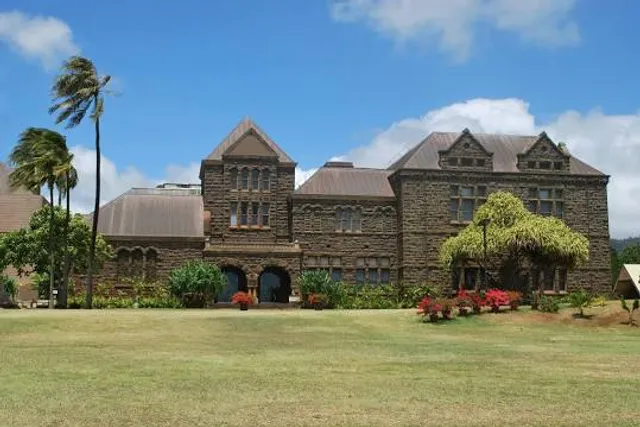

Bishop Museum: Preserving Hawaii’s Sandalwood Legacy
The Bishop Museum (also known as Bernice Pauahi Bishop Museum) in Honolulu safeguards a rare treasure: an authentic Hawaiian sandalwood (ʻiliahi) specimen, a relic of the kingdom’s transformative 19th-century economy. This artifact offers a window into how global trade reshaped Hawaii—and eerily parallels Qing Dynasty China’s craft-material demands. 🌴 The Rise and Fall of Hawaii’s Sandalwood Trade (1790–1839) Global Players: Hawaiian Chiefs: Enslaved commoners to clear forests for sandalwood (same species as Fiji/Tonga/Marquesas) American Traders: Shipped logs to Canton (Guangzhou) aboard vessels like the Empress of China (1784) Chinese Artisans: Craved the fragrant wood for carvings, furniture, and incense Economic Impact: 1804–1810: ~11,500 dan (1,400 annually) sold in Guangzhou Traded for ships, weapons, and tools, accelerating Hawaii’s shift from tribal to semi-modern society Ecocide: By 1839, overharvesting left zero mature trees—a cautionary tale of greed ⚖️ Dark Legacy Unpaid Debts: Chiefs never settled accounts with American merchants, despite exhausting resources Cultural Loss: Sandalwood’s sacred role in Hawaiian kapu systems was sacrificed for foreign goods 🏛️ Museum Highlights Sandalwood Exhibit: Compare Hawaiian ʻiliahi to Pacific cousins under microscopes Whaling & Fur Trade Displays: See how these industries intertwined with sandalwood Queen Liliʻuokalani’s Collection: Personal artifacts from Hawaii’s last monarch #BishopMuseum #HawaiianHistory #SandalwoodTrade #Globalization #EcoHistory