
Brussels | The Waffles Here Are Truly Delicious 🥧
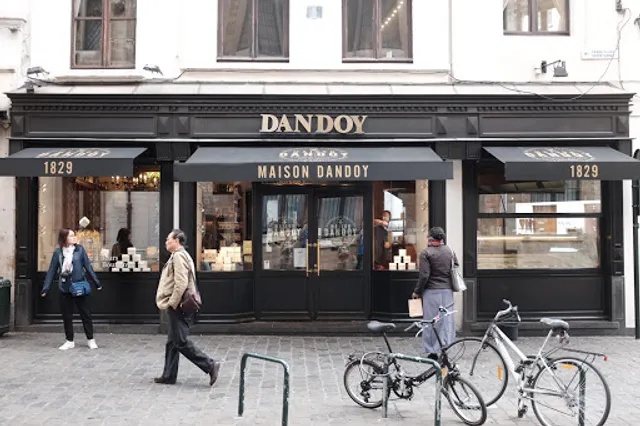
The map is at the end. The waffles from Maison Dandoy have completely changed my traditional impression of this food. They are crispy on the outside and soft on the inside, without that gritty white sugar texture or sticky feeling. 🍔 Be careful not to go to the wrong place—another shop nearby only sells biscuits and no waffles! 🚫 Waffles (Waffle) originated in medieval Europe and have close ties with the regions of Belgium and France. Here’s a brief history: Origins and Development: 1. Early Middle Ages (around the 9th century): - The earliest form of waffles appeared in monasteries, where fermented grain paste was pressed and baked between two metal molds (similar to today's waffle irons) to create thin cakes. 🕉️ - These molds often featured religious patterns and were used to celebrate religious festivals. 🕯️ 2. Around the 14th century: - The French term “wafel” emerged (from which the modern English “waffle” is derived), becoming popular in France and the Low Countries (present-day Belgium and the Netherlands). 🌍 - Recipes began to include honey, eggs, and cheese, enriching the flavor profile. 🍯 3. Belgium and France: - Belgium later developed several famous waffle variants, such as the Liège waffle (known for its rich caramel flavor) and the Brussels waffle (famous for its fluffy texture). 🥧 - France and Germany also have their own versions, like galette and gaufre. 🥯 4. Introduction to the United States in the 19th century: - With the wave of European immigration, waffles made their way to the U.S. and quickly became localized, such as the “American breakfast waffle,” typically served with butter and maple syrup. 🥧 #Waffles #Cafe #Foodie #DeliciousDessert #SweetTooth