
Japan's 25 World Heritage Sites (2)🌟
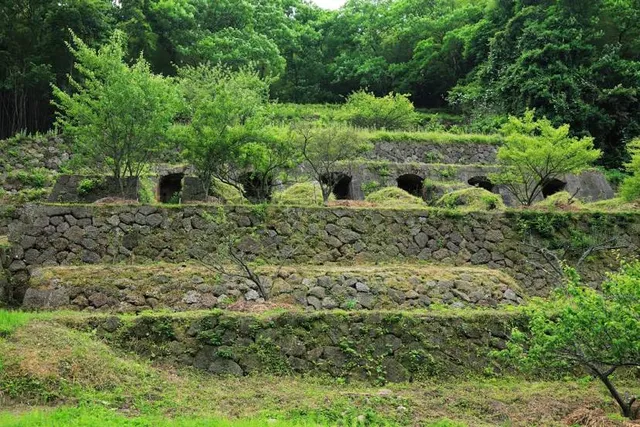
Japan's World Heritage Sites Continued 🌟 Kii Mountain Range, Mie, Nara, and Wakayama Prefectures / Sacred Sites and Pilgrimage Routes in the Kii Mountain Range (2004) 🌿 A spiritual and cultural hub with ancient pilgrimage routes and sacred sites. 🌳 Shimane Prefecture / Iwami Ginzan Silver Mine and its Cultural Landscape (2007) 🏞️ The remnants of a once-thriving silver mine that influenced Japan's economy and culture. 🏰 Iwate Prefecture / Hiraizumi—Temples, Gardens, and Archaeological Sites Representing the Buddhist Pure Land (2011) 🌸 A place where you can experience the Buddhist concept of a pure land through its architecture and gardens. 🏯 Mount Fuji, Shizuoka & Yamanashi Prefectures (2013) 🌋 Japan's iconic mountain, a symbol of natural beauty and cultural significance. 🌄 Gunma Prefecture / Tomioka Silk Mill and Related Sites (2014) 🕸️ A testament to Japan's silk industry, showcasing the history of silk production. 🌿 Meiji Industrial Revolution Sites in Kyushu and Yamaguchi (2015) 🚀 A collection of sites that represent Japan's rapid industrialization during the Meiji period. 🚢 Tokyo / National Museum of Western Art (2016) 🎨 A museum housing an impressive collection of Western art, designed by Le Corbusier. 🏛️ Fukuoka Prefecture / "Sacred Island" of Okinoshima and Related Sites (2017) 🏝️ A sacred island with a rich history and cultural significance. 🌊 Nagasaki & Kumamoto Prefectures / Hidden Christian Sites in the Nagasaki Region (2018) 🕍 Sites that tell the story of Christians who practiced their faith in secret during times of persecution. 🌿 Osaka Prefecture / Mozu-Furuichi Kofun Group (2019) 🏛️ A group of ancient burial mounds that reflect the political and cultural landscape of Japan's past. 🌿 Hokkaido, Aomori, Iwate, and Akita Prefectures / Jomon Sites in Northern Tohoku and Hokkaido (2021) 🌿 Archaeological sites that provide insight into the Jomon period, showcasing Japan's prehistoric culture. 🌿 #FootprintsOfHistory 🕰️ #GeoKnowledge 🌍