
🎷 Jazz’s African Roots: A New Orleans Revolution 🌍
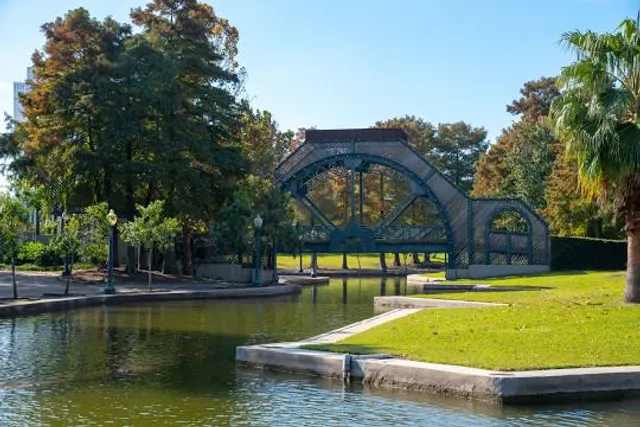
In 19th-century New Orleans, enslaved Africans danced in circles beneath oak trees at Congo Square (now Louis Armstrong Park). 💃 Their rhythms weren’t just music—they were rituals of resistance, blending West African call-and-response with Caribbean carnival energy. 🌀 The Ring Shout Legacy Circular Dances: Participants spun counterclockwise, clapping and stomping—a tradition later dubbed the “ring shout”. 🔄 Cultural Memory: Though U.S. authorities banned these gatherings by the 1870s, the spirit lived on in backyard juke joints and church services. 🎺 🌉 Africa Meets the Americas Moorish Influence: Long before slave ships, 8th-century Moors brought African melodies to Spain. Archways in Córdoba still hum with Arabic-Andalusian scales! New Orleans’ Melting Pot: By 1884, Mexican cavalry bands at the World Cotton Centennial popularized Cuban habanera rhythms. 🎶 🎼 The Rhythm of Resistance Polyrhythms: African music’s layered beats—think congas vs. talking drums—baffled European notators. 🥁 Work Songs: Slaves sang while sawing sugar cane, their rhythms coding messages of escape. 🗣️ 🌱 Jazz’s DNA From this crucible emerged jazz, blues, gospel, and even rock ‘n’ roll—genres where rhythm trumps melody, and every listener becomes a dancer. 🕺 Final Thought: Jazz isn’t just music—it’s history’s heartbeat. When Louis Armstrong scatted “West End Blues,” he wasn’t just improvising; he was channeling ancestors who danced for freedom. 🎶 #JazzHistory #AfricanDiaspora #CulturalFusion 🌍