
Kamakura Daibutsu: The Serene Gaze of a Millennia-Old Buddha(3) 🌟
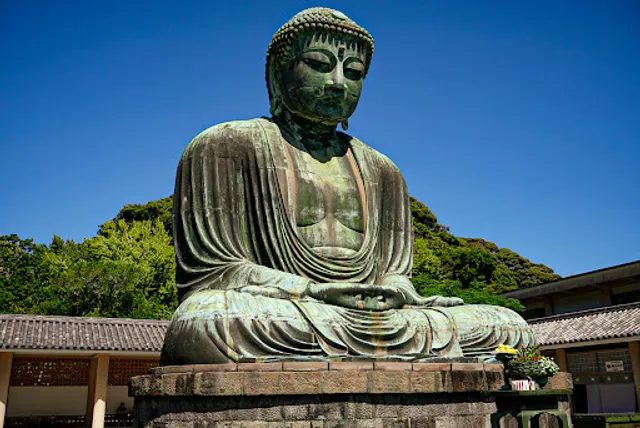
💡 The Architectural Features of the Kamakura Great Buddha: The Craftsmanship and Aesthetics of Bronze Casting 📌 The construction techniques of the Kamakura Great Buddha represent the pinnacle of Japan's medieval casting craftsmanship. 🌟 🌟The main body of the Great Buddha was created using the "segmented casting method." The statue was divided into parts such as the head, torso, and base, each cast separately and then assembled using mortise-and-tenon joints. 🛠️ The statue is hollow inside, supported by a wooden frame that reduces weight and enhances earthquake resistance. 🌟 The facial features are simple yet powerful, with downcast eyes and slightly upturned lips, conveying both compassion and the unique resilience of samurai culture. 🧘♂️ 🌸 It's worth mentioning that the Great Buddha was originally housed in a wooden hall, which collapsed due to a tsunami in the 15th century. Since then, it has been worshipped outdoors. 🌊 🌸 This unexpected turn of events has allowed the statue to blend with nature: cherry blossoms in spring, lush greens in summer, autumn leaves, and winter snow—each season adds a dynamic vitality to the statue. 🌸 Recommended Itinerary 🚶♂️ One-Day Kamakura Tour Route: Kotoku-in (Great Buddha) 🕉️ 5-minute walk to Hasedera Temple (the Wisteria Temple) 🌺 Enoden Train to Kamakura High School Mae Station (the "Slam Dunk" Holy Land) 🏀 Enoshima for sunset 🌇 🎫 Admission Fees: Great Buddha worship: 300 yen Internal visit: additional 20 yen #KamakuraGreatBuddha 🌟