
HTML SitemapExplore
logo
Find Things to DoFind The Best Restaurants

Naval Bases, the Great Explosion, and the Titanic Wreck ๐Ÿ›๏ธ๐Ÿ’ฅ๐Ÿšข

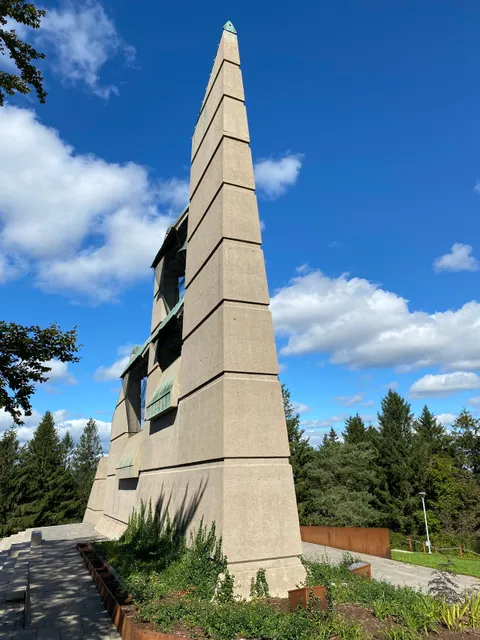
As a fleeting visitor, beyond admiring the scenery, I've learned three key words that encapsulate Halifax's history - Naval Bases, the 1917 Great Explosion, and the Titanic Wreck. ๐Ÿ“œ๐Ÿ” City History: Two hundred years ago, British colonizers established Halifax as a naval base to wage war against France in North America. Today, it's the capital of Nova Scotia, one of Canada's maritime provinces, with a population approaching 400,000. ๐Ÿฐ๐Ÿ‘‘ The 1917 Great Explosion: A ship carrying explosives destined for the European battlefields of World War I collided with another cargo vessel in Halifax Harbour, triggering the most catastrophic explosion before the era of nuclear bombs. The entire city of Halifax was nearly obliterated. ๐Ÿ’ฅ๐Ÿ™๏ธ The Final Resting Place of Some Titanic Victims: On April 15, 1912, at 2:15 AM, the "unsinkable" Titanic struck a massive iceberg and sank near Halifax. Out of over 2,200 passengers, only around 700 survived. After half a month of rescue and search operations, more than a hundred recovered victims were laid to rest in Halifax. Some wreckage from the Titanic was collected and is now on display at Halifax's Maritime Museum. ๐Ÿšข๐Ÿ’” Apart from Lunenburg, which I recommended in my previous post, another nearby attraction in Halifax is Peggy's Cove. With its distinctive lighthouse and the towering rock formations surrounding it, Peggy's Cove exudes an air of independence and grandeur, standing proudly at the edge of the world. ๐Ÿ—ผ๐ŸŒŠ #History #CitySketch #CanadaTravel #SlowTravelAroundTheWorld ๐ŸŒ๐Ÿšถโ€โ™‚๏ธ

Related posts
Halifax Nights: Where the Atlantic Whispers in Light Best Value Steak & Seafood Restaurant in HalifaxWhere the Atlantic Steals Your WordsHalifax Solo Adventure: 3 Car-Free Days in Canadaโ€™s Ocean Playground๐Ÿ‡จ๐Ÿ‡ฆ A Perfect Final Day in HalifaHalifax Citadel National Historic Site ๐Ÿฐ๐Ÿ˜ฎ
Sophia Foster
Sophia Foster
6 months ago
Sophia Foster
Sophia Foster
6 months ago
no-comment

No one has commented yet...

Naval Bases, the Great Explosion, and the Titanic Wreck ๐Ÿ›๏ธ๐Ÿ’ฅ๐Ÿšข

As a fleeting visitor, beyond admiring the scenery, I've learned three key words that encapsulate Halifax's history - Naval Bases, the 1917 Great Explosion, and the Titanic Wreck. ๐Ÿ“œ๐Ÿ” City History: Two hundred years ago, British colonizers established Halifax as a naval base to wage war against France in North America. Today, it's the capital of Nova Scotia, one of Canada's maritime provinces, with a population approaching 400,000. ๐Ÿฐ๐Ÿ‘‘ The 1917 Great Explosion: A ship carrying explosives destined for the European battlefields of World War I collided with another cargo vessel in Halifax Harbour, triggering the most catastrophic explosion before the era of nuclear bombs. The entire city of Halifax was nearly obliterated. ๐Ÿ’ฅ๐Ÿ™๏ธ The Final Resting Place of Some Titanic Victims: On April 15, 1912, at 2:15 AM, the "unsinkable" Titanic struck a massive iceberg and sank near Halifax. Out of over 2,200 passengers, only around 700 survived. After half a month of rescue and search operations, more than a hundred recovered victims were laid to rest in Halifax. Some wreckage from the Titanic was collected and is now on display at Halifax's Maritime Museum. ๐Ÿšข๐Ÿ’” Apart from Lunenburg, which I recommended in my previous post, another nearby attraction in Halifax is Peggy's Cove. With its distinctive lighthouse and the towering rock formations surrounding it, Peggy's Cove exudes an air of independence and grandeur, standing proudly at the edge of the world. ๐Ÿ—ผ๐ŸŒŠ #History #CitySketch #CanadaTravel #SlowTravelAroundTheWorld ๐ŸŒ๐Ÿšถโ€โ™‚๏ธ

Halifax
Halifax Explosion Memorial Bell Tower
Halifax Explosion Memorial Bell TowerHalifax Explosion Memorial Bell Tower