
Nepal🇳🇵 A "Michelin-worthy" surprise hidden in an alley|
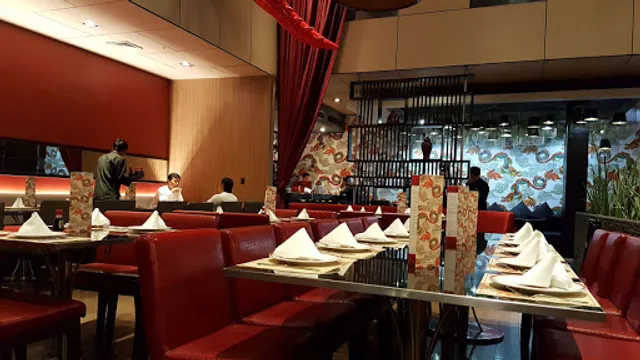
Winding through Kathmandu’s alleys, I half-expected to stumble on a momo stall or a home draped in prayer flags—until I turned into Tusa. In that instant, my steps froze: this didn’t feel like Nepal at all. Push open the creaky wooden door, and the dust and noise outside felt like they’d hit pause. Inside, it’s minimalist gray, with dried local herb specimens hanging on walls; warm yellow spotlights shine just right on the edges of white tablecloths. A waiter in a white shirt leads you in softly, and the air carries a faint spice aroma—not the bold curry of street stalls, but something like crushed alpine meadows. Later I learned: this is a custom dining spot with a Michelin 3-star chef at the helm, tucked in the bustle, yet elevating Nepali ingredients to pure sophistication. 🌿 A "gorgeous transformation" of local ingredients: Familiar yet surprising in every bite The menu is handwritten, changing daily based on market freshness. The waiter explains softly: “Today’s lamb chops are from Himalayan foothill pastures, pumpkins are organically grown by Phewa Lake, even spices were picked by the chef at Thamel market this morning.” The first vegetarian appetizer stunned: simple (seemingly simple) roasted pumpkin puree, layered over a crispy rice cracker, sprinkled with ground highland walnuts and local lime zest. Spoon a bite, and pumpkin’s creaminess wraps around walnut’s nuttiness, then lime zest’s brightness zips through—“crunch” from the rice cracker. These are all common Nepali ingredients, yet arranged into a little theater of flavors. The main course, a lamb dish, was even better. Lamb chops seared crisp outside, tender inside; juices glisten when cut. Served with a sauce of yogurt and fermented local chili flakes, the lamb’s hides a hint of smokiness (later learned it’s smoked with pine needles). Dip in sauce, and sour, spicy, savory, and fragrant swirled in my mouth—no gaminess, just rich, pure meatiness. 🍰 Dessert: Tucking "Nepali sweetness" into softness Thought the main course peaked, but dessert made me want to cheer. A crème caramel with local honey—crunchy caramel top, inside silky as melted clouds, spoonfuls pulling threads. Best of all: a layer of crushed “chiura” (Nepali puffed rice) underneath, with toasty grain aroma mingling with honey’s sweetness. Suddenly, there were hints of street food, gently wrapped in elegant pudding. The chef occasionally comes out to greet guests, smiling: “I want people to taste ‘Nepali flavors’—not just momo and curry.” True refinement isn’t (detached from the land), but taking familiar ingredients, breaking them down, rebuilding—so locals taste nostalgia, travelers taste novelty. 💡 Note: It’s hidden—book ahead The restaurant is called Tusa, tucked in an old Kathmandu alley (check the exact location in advance; you’ll weave through lanes with GPS). Usually closed to the public at noon, open for dinner—best to book in advance via email, especially for custom menus; the chef adjusts to your taste. Leaving, I wandered back through the dusty alley, honey sweetness still on my hands. Suddenly, travel’s most precious encounters are these contrasts—“stumbling upon elegance amid the bustle.” Nepali flavors, it turns out, can be the warmth of street momo, or Tusa’s carefully woven, flavor poem carrying hints of snow-capped mountains and lakes. #Nepal #NepaliCuisine #KathmanduHiddenMenus #MichelinStyleDining