
Tehran Grand Bazaar: The Beating Heart of Persian Commerce & Culture
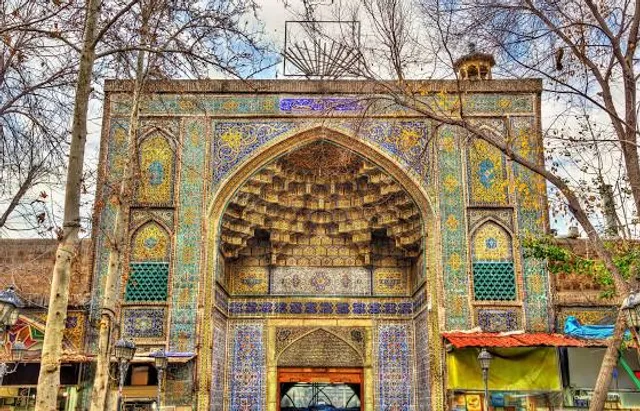
🕌 More Than Just a Marketplace No trip to Iran is complete without exploring its iconic bazaars—and Tehran’s labyrinthine Grand Bazaar stands as the ultimate embodiment of this tradition. Far beyond a mere shopping destination, these covered arcades have served for centuries as the social, political, and spiritual nucleus of Persian life. 📜 A Living Historical Archive Silk Road Legacy: Since the Safavid era (1501–1736), merchants here traded spices from India, Chinese porcelain, and Persian carpets alongside fiery debates over local gossip and imperial decrees. Architectural Harmony: Designed with vaulted brick ceilings for natural cooling, the bazaar traditionally connects to mosques (like the nearby Imam Khomeini Mosque), theological schools (madrasas), and public baths (hammams)—forming a self-sustaining microcosm. Revolutionary Echoes: During the 1979 Islamic Revolution, bazaar merchants played a pivotal role in funding protests, proving its enduring influence. 🛍️ What to Experience Today Carpet Alleys: Haggle for Isfahan silk rugs or tribal Qashqai kilims. Spice Stalls: Breathe in saffron, dried limes, and rose petals piled like edible jewels. Copper-smiths’ Quarter: Watch artisans hammer traditional samovars amid flying sparks. Hidden Cafés: Sip cardamom tea in vaulted courtyards where merchants still seal deals with a handshake. 📍 Practical Tips Best Time: Mornings (8–11 AM) to avoid crowds and heat. Navigation: Look for Sabzeh Meydan (main courtyard) as a landmark. Etiquette: Photography is fine, but ask permission before snapping portraits of vendors. #Iran #TehranBazaar #SilkRoad #CulturalHeritage