

HTML SitemapExplore

The Most Asian City in America?

If Boston feels like the most European city in the United States, then Honolulu is without a doubt its most Asian counterpart. From the moment you step into WaikÄ«kÄ«, you’re greeted by a vibrant blend of cultures—Japanese, Korean, Chinese, Filipino, and Native Hawaiian—all seamlessly woven into the fabric of everyday life. đŸ—Ÿ A Touch of Japan (and Beyond) Japanese and Korean tourists fill the streets, and it’s not uncommon to hear conversations in Mandarin, Tagalog, or Ilocano. Public buses display Japanese route information 🚍—a small but telling detail of the city’s international character. Honolulu is home to one of only two Lawson convenience stores in the entire U.S. đŸȘ—a true hallmark of its deep-rooted Asian influence. đŸïž Hawaii vs. Okinawa: Tropical Twins? Many visitors say Hawaii—especially OÊ»ahu—feels like a larger, more bustling version of Okinawa’s American Village in Chatan. The relaxed island pace meets urban energy Palm-lined streets, colorful shops, and beachside parks A mix of local traditions and transnational trends 🍜 More Than a Feeling—It’s in the Food You’ve never truly experienced “local grindz” (Hawaiian for food) until you’ve tried: Plate lunches with Japanese-inspired teriyaki chicken or Korean kalbi Manapua—Hawaii’s take on Chinese bao Saimin—a noodle soup blending Japanese, Chinese, and Filipino flavors Spam musubi—because nowhere else in the U.S. does canned meat taste this good 😋 đŸŒș Not Just “Asian”—Uniquely Hawaiian While the Asian cultural presence is strong, what makes Honolulu special is how these influences merge with Native Hawaiian and Western traditions. The Ê»ĆŒlelo HawaiÊ»i (Hawaiian language) is still spoken and celebrated Aloha spirit guides interactions—warm, welcoming, and deeply rooted in Polynesian values A place where a Buddhist temple, a Shinto shrine, and a historic Christian church can stand just blocks apart 📾 Vibe Check: WaikÄ«kÄ« vs. Chatan Yes, parts of Honolulu—especially WaikÄ«kī—might remind you of Okinawa’s American Village: Resort-style oceanfront walks 🌮 Shopping centers filled with international brands A young, lively, tourist-friendly atmosphere But Honolulu carries its own rhythm—a little faster, more diverse, and deeply layered with history. ✅ The Takeaway Honolulu isn’t just “America in the Pacific.” It’s a place where Asia, Polynesia, and the mainland U.S. come together—not as separate influences, but as something new, something local, something uniquely Hawaiian. Have you been to both Honolulu and Okinawa? Do you agree? Drop your thoughts below! 👇 #US #Hawaii #Honolulu
Related posts
🌊 Four Seasons on Lana’i 🌮Who Can Keep a Straight Face Eating Diamond Head Hike Guide: Your Trail to Heavenly Oahu Views Great Hotel – Easy Walk to Beach & Shopping! 🏹Oahu, Hawaii: 7-Day Itinerary (Hotspots & Hidden Gems)OÊ»ahu, Hawaii | Foolproof Food Guide: Must-Tries & Must-Skips 🍍🚗
Zoe Reed
Zoe Reed
2 months ago
Zoe Reed
Zoe Reed
2 months ago
no-comment

No one has commented yet...

The Most Asian City in America?

If Boston feels like the most European city in the United States, then Honolulu is without a doubt its most Asian counterpart. From the moment you step into WaikÄ«kÄ«, you’re greeted by a vibrant blend of cultures—Japanese, Korean, Chinese, Filipino, and Native Hawaiian—all seamlessly woven into the fabric of everyday life. đŸ—Ÿ A Touch of Japan (and Beyond) Japanese and Korean tourists fill the streets, and it’s not uncommon to hear conversations in Mandarin, Tagalog, or Ilocano. Public buses display Japanese route information 🚍—a small but telling detail of the city’s international character. Honolulu is home to one of only two Lawson convenience stores in the entire U.S. đŸȘ—a true hallmark of its deep-rooted Asian influence. đŸïž Hawaii vs. Okinawa: Tropical Twins? Many visitors say Hawaii—especially OÊ»ahu—feels like a larger, more bustling version of Okinawa’s American Village in Chatan. The relaxed island pace meets urban energy Palm-lined streets, colorful shops, and beachside parks A mix of local traditions and transnational trends 🍜 More Than a Feeling—It’s in the Food You’ve never truly experienced “local grindz” (Hawaiian for food) until you’ve tried: Plate lunches with Japanese-inspired teriyaki chicken or Korean kalbi Manapua—Hawaii’s take on Chinese bao Saimin—a noodle soup blending Japanese, Chinese, and Filipino flavors Spam musubi—because nowhere else in the U.S. does canned meat taste this good 😋 đŸŒș Not Just “Asian”—Uniquely Hawaiian While the Asian cultural presence is strong, what makes Honolulu special is how these influences merge with Native Hawaiian and Western traditions. The Ê»ĆŒlelo HawaiÊ»i (Hawaiian language) is still spoken and celebrated Aloha spirit guides interactions—warm, welcoming, and deeply rooted in Polynesian values A place where a Buddhist temple, a Shinto shrine, and a historic Christian church can stand just blocks apart 📾 Vibe Check: WaikÄ«kÄ« vs. Chatan Yes, parts of Honolulu—especially WaikÄ«kī—might remind you of Okinawa’s American Village: Resort-style oceanfront walks 🌮 Shopping centers filled with international brands A young, lively, tourist-friendly atmosphere But Honolulu carries its own rhythm—a little faster, more diverse, and deeply layered with history. ✅ The Takeaway Honolulu isn’t just “America in the Pacific.” It’s a place where Asia, Polynesia, and the mainland U.S. come together—not as separate influences, but as something new, something local, something uniquely Hawaiian. Have you been to both Honolulu and Okinawa? Do you agree? Drop your thoughts below! 👇 #US #Hawaii #Honolulu

Honolulu
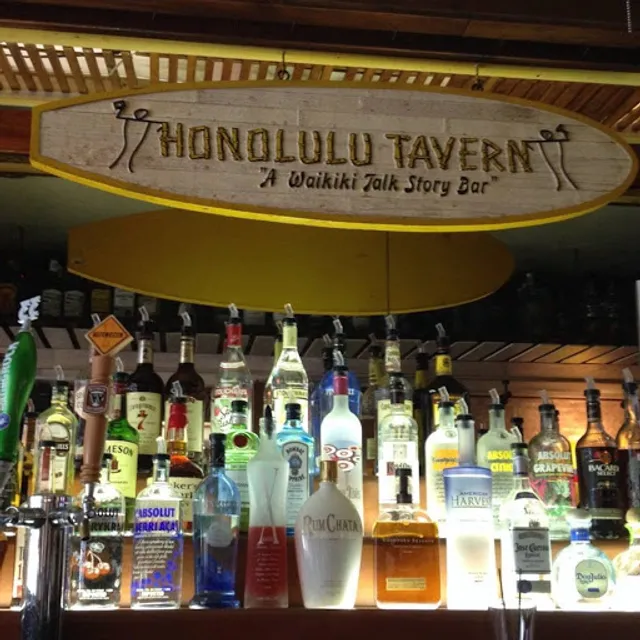
Honolulu Tavern
Honolulu TavernHonolulu Tavern