
HTML SitemapExplore

The most comprehensive guide to Sri Lanka's fish markets

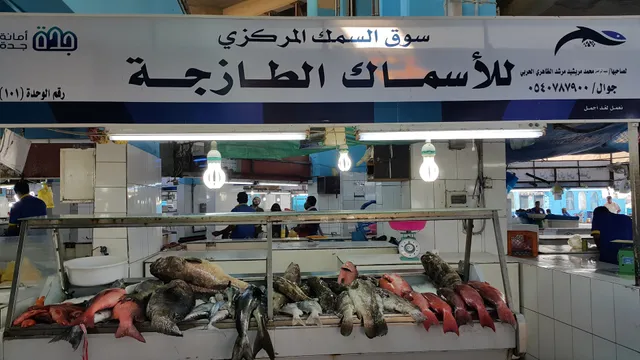
As the first stop of a Sri Lanka trip, Negombo Fish Market is a perfect place to experience the urban charm of the "Tear of the Indian Ocean" πŸ‡±πŸ‡° ⭐ Best time/season: Summer and autumn (November - April next year) are the most suitable for traveling, with many sunny days and small waves.🏜️🏜️ ⭐ How to choose between the two major fish marketsπŸŽͺ Central Fish Market: Focuses on the vibe of daily life, with dried fish🐟 all over the ground, scenes of fish being butchered, and hovering crows. It is suitable for humanistic photography (Address: Mankuliya Rd). πŸ›£οΈ Located near the urban wharf, it is a "food market" where locals buy daily supplies. After fishing boats dock in the early morning, the fresh catches are directly dragged ashore. Tuna, devil fish, and mackerel longer than arms are piled up like small mountains. Fishermen butcher and divide the fish on the spot, and crows hover to grab food, bringing a strong urban atmosphere. 🏞️ It is open all day, suitable for tourists who like humanistic documentary photography, but the environment is relatively messy, with heavy sewage and fishy smell.🌨️ Peripheral Fish Market: Fishing boats return to the harbor in the early morning. ⚑ The wharf next to the saltwater lake bridge allows you to take photos of the silhouette of fishing boats and the sunrise, which is more quiet. Located on the beach near Lagoon Bridge, it is famous for the scene of drying fish. Fishermen classify and spread the caught fish into "dried fish squares". πŸ•‹ The blue coastline and dense dried fish form a strong visual impact. The best experience time is 5:00 - 7:00 in the early morning.😁😁 At this time, fishing boats return to unload goods, birds hover, and the working scene under the light and shadow is like an epic blockbuster. However, the fish market gradually becomes after 8 o'clock, so it is recommended to take photos with the sunrise.🐟 ⭐ Must-see fish species list in the fish market 🐟 Devil fish (don't buy, can't finish eating), tuna (buy carefully), shark (don't buy, locals like to buy this for curry, it's not delicious, don't buy), sea shrimp (buy, buy, buy), grouper (fat and delicious, can buy), hairtail (buy a small one to try!); Small dragon (it's more expensive than other fish, it's in the closed fishing period recently, so you can't buy it, but some people sell it secretly 🀫); Spanish mackerel, grunt, threadfin bream, bonito, vermilion rockfish... Mud crab (this is very tricky! Fishmongers won't take out the ones with roe at first, they are all hidden. What they sell to you first are all water crabs! Only when they meet people who know how, will they take out the real crabs with roe! We were also cheated, and then met a Chinese local who took us to exchange! 😊😊 As for the price, you can experience it yourself. We bought four grouper (1400 rupees) + two kilograms of sea shrimp (7000 rupees) + one 1-kilogram large mud crab (8000 rupees), totaling 16,000 rupees, about 400 RMB.πŸ¦‹πŸ¦‹ ⭐ Choice of processing restaurants There are only two Chinese restaurants locally, and it is recommended to take the ingredients there for processing. πŸ’“ One is a Cantonese restaurant, and the other is called Najiayuan (the boss should be from Northeast China). πŸ’•πŸ’• We went to Najiayuan. The boss is very good at cooking. He cooked the same ingredients in different ways for us, which were super delicious!πŸŒ™πŸŒ™ #SriLanka#SriLankaTravelGuide

Related posts
Another Colombo Brunch Gem 🍳 Kumbuk Cafe:Sri Lanka | Third Stop: Kandy, the Holy Land of BuddhismColombo’s Favorite Brunch Among White Travelers πŸƒEnter the Holy City of Anuradhapura ~ Abhayagiri StupaSri Lanka | Encounter a different "Tear of the Indian Ocean"Anuradhapura, the Western Ancient City of Sri Lanka
Rory Betty
Rory Betty
6 months ago
Rory Betty
Rory Betty
6 months ago
no-comment

No one has commented yet...

The most comprehensive guide to Sri Lanka's fish markets

As the first stop of a Sri Lanka trip, Negombo Fish Market is a perfect place to experience the urban charm of the "Tear of the Indian Ocean" πŸ‡±πŸ‡° ⭐ Best time/season: Summer and autumn (November - April next year) are the most suitable for traveling, with many sunny days and small waves.🏜️🏜️ ⭐ How to choose between the two major fish marketsπŸŽͺ Central Fish Market: Focuses on the vibe of daily life, with dried fish🐟 all over the ground, scenes of fish being butchered, and hovering crows. It is suitable for humanistic photography (Address: Mankuliya Rd). πŸ›£οΈ Located near the urban wharf, it is a "food market" where locals buy daily supplies. After fishing boats dock in the early morning, the fresh catches are directly dragged ashore. Tuna, devil fish, and mackerel longer than arms are piled up like small mountains. Fishermen butcher and divide the fish on the spot, and crows hover to grab food, bringing a strong urban atmosphere. 🏞️ It is open all day, suitable for tourists who like humanistic documentary photography, but the environment is relatively messy, with heavy sewage and fishy smell.🌨️ Peripheral Fish Market: Fishing boats return to the harbor in the early morning. ⚑ The wharf next to the saltwater lake bridge allows you to take photos of the silhouette of fishing boats and the sunrise, which is more quiet. Located on the beach near Lagoon Bridge, it is famous for the scene of drying fish. Fishermen classify and spread the caught fish into "dried fish squares". πŸ•‹ The blue coastline and dense dried fish form a strong visual impact. The best experience time is 5:00 - 7:00 in the early morning.😁😁 At this time, fishing boats return to unload goods, birds hover, and the working scene under the light and shadow is like an epic blockbuster. However, the fish market gradually becomes after 8 o'clock, so it is recommended to take photos with the sunrise.🐟 ⭐ Must-see fish species list in the fish market 🐟 Devil fish (don't buy, can't finish eating), tuna (buy carefully), shark (don't buy, locals like to buy this for curry, it's not delicious, don't buy), sea shrimp (buy, buy, buy), grouper (fat and delicious, can buy), hairtail (buy a small one to try!); Small dragon (it's more expensive than other fish, it's in the closed fishing period recently, so you can't buy it, but some people sell it secretly 🀫); Spanish mackerel, grunt, threadfin bream, bonito, vermilion rockfish... Mud crab (this is very tricky! Fishmongers won't take out the ones with roe at first, they are all hidden. What they sell to you first are all water crabs! Only when they meet people who know how, will they take out the real crabs with roe! We were also cheated, and then met a Chinese local who took us to exchange! 😊😊 As for the price, you can experience it yourself. We bought four grouper (1400 rupees) + two kilograms of sea shrimp (7000 rupees) + one 1-kilogram large mud crab (8000 rupees), totaling 16,000 rupees, about 400 RMB.πŸ¦‹πŸ¦‹ ⭐ Choice of processing restaurants There are only two Chinese restaurants locally, and it is recommended to take the ingredients there for processing. πŸ’“ One is a Cantonese restaurant, and the other is called Najiayuan (the boss should be from Northeast China). πŸ’•πŸ’• We went to Najiayuan. The boss is very good at cooking. He cooked the same ingredients in different ways for us, which were super delicious!πŸŒ™πŸŒ™ #SriLanka#SriLankaTravelGuide

Srilanka
Central Fish Market
Central Fish MarketCentral Fish Market