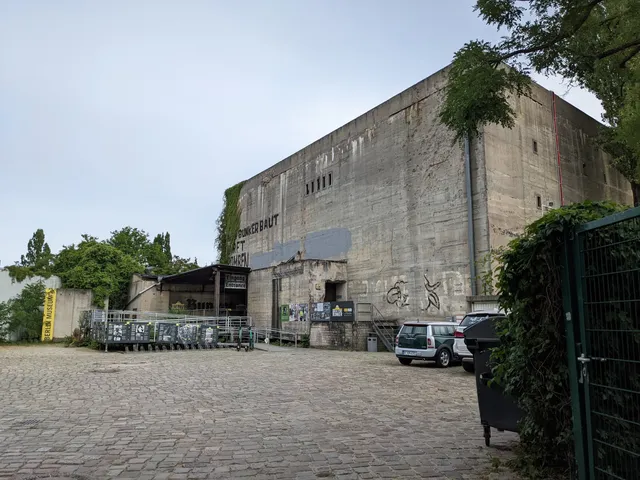

The Site of Hitler’s Suicide: Clarifications & Related Spots in Berli
There are common misconceptions about the location of Hitler’s suicide—here’s a clear breakdown, plus key historical notes about Berlin sites tied to this period: 1. Not This One: Berlin Story Bunker The site in question is the Berlin Story Bunker, built in 1942. It is not where Hitler died. Context: Before 1942, Germans did not anticipate Berlin becoming a battlefield, so this bunker was not part of Hitler’s final headquarters. 2. The Actual Site: Führerbunker Hitler’s real suicide location was the Führerbunker, located behind Leipziger Platz. Note: Today, there is no visible structure marking the bunker—its remains were buried and the area redeveloped after World War II. 3. Photo Clarification Right photo: A scene from a movie (not historical footage). Left photo: The real Torchlight Procession of 1933 (a historical event associated with the Nazi regime). 4. Wagner’s Influence on Hitler Richard Wagner, a composer Hitler admired greatly, had a profound impact on him—Hitler once stated Wagner’s opera Rienzi gave him a sense of “enlightenment” and “mission.” Critical Note: Wagner was a well-documented anti-Semite, and his ideologies aligned with some of Hitler’s extremist views. 5. Anhalter Bahnhof: From Grand Station to Football Pitch Formerly: One of Berlin’s largest and most important train stations. 1965: Demolished after sustaining heavy WWII damage. Today: The site is a football field. When cycling through, you can still see the ends of the old train tracks, which now run alongside the present-day Deutsches Technikmuseum (German Museum of Technology). #Berlin#GermanyTravel #SoloTravel