

HTML SitemapExplore
logo
Find Things to DoFind The Best Restaurants

The Vanished Dreamland of Vauxhall in London šŸ°

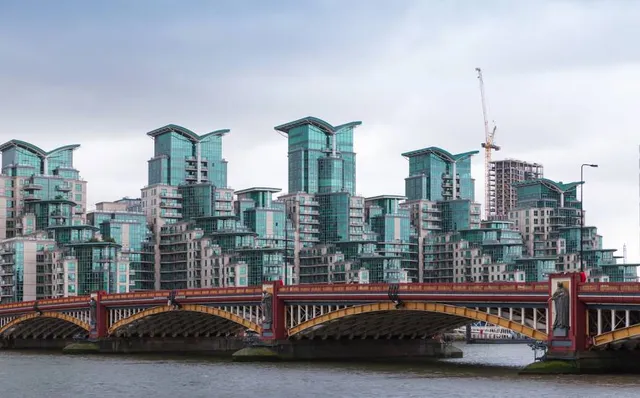
Londoners, if you live in Vauxhall, have you ever noticed a small park near the station? Vauxhall Pleasure Gardens. Today, it’s just one of the many unremarkable parks in London, but in the 18th century, it was a legendary luxurious amusement park, the Disney of its time. In 1729, entrepreneur Jonathan Tyers transformed a barren plot on the edge of London into an unprecedented entertainment haven: Vauxhall Gardens. As dusk fell, thousands of lights would be lit within just two minutes, turning the garden into an enchanted wonderland at night. There were band and singer performances, circus acts, fireworks displays, and hot air balloon rides. Regular masquerade balls and themed celebrations made it one of the most happening social hubs in London, attracting numerous social elites. Iconic Landmarks šŸ”¹ The Orchestra A two-story pavilion standing in the center of the garden, the most iconic structure, featured in countless advertisements. The second floor housed an organ and musician’s gallery, with seats arranged in a stairs fashion, ensuring spectators could see every performer. šŸ”¹ The Cascade A landscape feature using a tin sheet mechanism to simulate the effect of flowing water, combined with lighting and sound effects for a realistic experience. It was hidden behind a curtain during the day and operated at night, each time for 10-15 minutes. šŸ”¹ The Rotunda A domed hall with exquisite interiors, hosting concerts and exhibitions. šŸ”¹ The Temple of Comus (Later renamed The Chinese Pavilions) Named after the god of banquets and gastronomy, primarily a dining establishment. šŸ”¹ The Triumphal Arches Three triumphal arches at the end of the garden, with the backdrop regularly changed to scenes like ā€œThe Temple of Neptune,ā€ ā€œThe Ruins of Palmyra,ā€ and ā€œThe Chinese Palace.ā€ Looking through the arches created a perspective illusion, making visitors feel as if they were in a foreign land. In the mid-19th century, urban expansion and the development of transportation gradually eroded the garden’s allure. Coupled with poor management and London’s rainy weather, the garden declined. In 1859, it officially closed, the facilities were auctioned off, and the land was designated for construction. The Orchestra pavilion was sold for 99 pounds and its whereabouts are still unknown today. In the 1970s, part of the land was redeveloped into a park, now a common green space and football field. The romance and splendor of the past are no longer traceable. #AestheticAccumulation #Quirky #AestheticEnhancement #ArtAppreciation #UAL #London #UK #Culture #CulturalStudies #Art
Related posts
šŸ‡¬šŸ‡§ The Most Magnificent Movie-Worthy Estate in England! šŸŽ¬šŸ°London | Sliding Chicken, Mushroom, Sausage, Salted Fish šŸ”„Finally, Authentic & Delicious Thai Food in London! šŸ‡¹šŸ‡­šŸ›āœØšŸ‡¬šŸ‡§ Enjoyed Foie Gras and Sausage Claypot Rice in London! šŸ˜‹Art Exhibition | End of April, Miss It and Wait a Yearā€‹ā€‹šŸ‡¬šŸ‡§ Museum of the Home: London’s Most Charming Free Museum! šŸ āœØā€‹ā€‹
Olga Bell
Olga Bell
9 months ago
Olga Bell
Olga Bell
9 months ago
no-comment

No one has commented yet...

The Vanished Dreamland of Vauxhall in London šŸ°

Londoners, if you live in Vauxhall, have you ever noticed a small park near the station? Vauxhall Pleasure Gardens. Today, it’s just one of the many unremarkable parks in London, but in the 18th century, it was a legendary luxurious amusement park, the Disney of its time. In 1729, entrepreneur Jonathan Tyers transformed a barren plot on the edge of London into an unprecedented entertainment haven: Vauxhall Gardens. As dusk fell, thousands of lights would be lit within just two minutes, turning the garden into an enchanted wonderland at night. There were band and singer performances, circus acts, fireworks displays, and hot air balloon rides. Regular masquerade balls and themed celebrations made it one of the most happening social hubs in London, attracting numerous social elites. Iconic Landmarks šŸ”¹ The Orchestra A two-story pavilion standing in the center of the garden, the most iconic structure, featured in countless advertisements. The second floor housed an organ and musician’s gallery, with seats arranged in a stairs fashion, ensuring spectators could see every performer. šŸ”¹ The Cascade A landscape feature using a tin sheet mechanism to simulate the effect of flowing water, combined with lighting and sound effects for a realistic experience. It was hidden behind a curtain during the day and operated at night, each time for 10-15 minutes. šŸ”¹ The Rotunda A domed hall with exquisite interiors, hosting concerts and exhibitions. šŸ”¹ The Temple of Comus (Later renamed The Chinese Pavilions) Named after the god of banquets and gastronomy, primarily a dining establishment. šŸ”¹ The Triumphal Arches Three triumphal arches at the end of the garden, with the backdrop regularly changed to scenes like ā€œThe Temple of Neptune,ā€ ā€œThe Ruins of Palmyra,ā€ and ā€œThe Chinese Palace.ā€ Looking through the arches created a perspective illusion, making visitors feel as if they were in a foreign land. In the mid-19th century, urban expansion and the development of transportation gradually eroded the garden’s allure. Coupled with poor management and London’s rainy weather, the garden declined. In 1859, it officially closed, the facilities were auctioned off, and the land was designated for construction. The Orchestra pavilion was sold for 99 pounds and its whereabouts are still unknown today. In the 1970s, part of the land was redeveloped into a park, now a common green space and football field. The romance and splendor of the past are no longer traceable. #AestheticAccumulation #Quirky #AestheticEnhancement #ArtAppreciation #UAL #London #UK #Culture #CulturalStudies #Art

London
Vauxhall Pleasure Gardens
Vauxhall Pleasure GardensVauxhall Pleasure Gardens