HTML SitemapExplore
Find Things to DoFind The Best Restaurants

Chaoshangchao — Restaurant in Taiyuan

Name
Chaoshangchao
Description
Nearby attractions
Nearby restaurants
Xinghuatang
China, CN 山西省 太原市 小店区 南中环街 2 层 邮政编码: 030000
Nearby hotels
Related posts
Keywords
Chaoshangchao tourism.Chaoshangchao hotels.Chaoshangchao bed and breakfast. flights to Chaoshangchao.Chaoshangchao attractions.Chaoshangchao restaurants.Chaoshangchao travel.Chaoshangchao travel guide.Chaoshangchao travel blog.Chaoshangchao pictures.Chaoshangchao photos.Chaoshangchao travel tips.Chaoshangchao maps.Chaoshangchao things to do.
Chaoshangchao things to do, attractions, restaurants, events info and trip planning
Chaoshangchao
ChinaShanxiTaiyuanChaoshangchao

Basic Info

Chaoshangchao

China, CN 山西省 太原市 小店区 南中环街 426 426号山西国际金融中心B座3层 邮政编码: 030000
4.0(1)
Save
spot

Ratings & Description

Info

attractions: , restaurants: Xinghuatang
logoLearn more insights from Wanderboat AI.
Phone
+86 138 3515 6613

Plan your stay

hotel
Pet-friendly Hotels in Taiyuan
Find a cozy hotel nearby and make it a full experience.
hotel
Affordable Hotels in Taiyuan
Find a cozy hotel nearby and make it a full experience.
hotel
The Coolest Hotels You Haven't Heard Of (Yet)
Find a cozy hotel nearby and make it a full experience.
hotel
Trending Stays Worth the Hype in Taiyuan
Find a cozy hotel nearby and make it a full experience.

Reviews

Nearby restaurants of Chaoshangchao

Xinghuatang

Xinghuatang

Xinghuatang

5.0

(3)

Click for details
Get the Appoverlay
Get the AppOne tap to find yournext favorite spots!
Wanderboat LogoWanderboat

Your everyday Al companion for getaway ideas

CompanyAbout Us
InformationAI Trip PlannerSitemap
SocialXInstagramTiktokLinkedin
LegalTerms of ServicePrivacy Policy

Get the app

© 2025 Wanderboat. All rights reserved.

Reviews of Chaoshangchao

4.0
(1)
avatar
4.0
1y

Chao Shang Chao 潮上潮 is the newest member of the ⭐️⭐️⭐️ Michelin 3-star restaurant club in China. It is a restaurant specializing in Teochew cuisine, located on the 4th floor of a shopping mall in Beijing.

The restaurant has an à-la-carte menu and a Tasting Menu for ¥1888 or ¥2588 with a wine pairing option of ¥498 (prices do not include a 15% service charge). I chose the Tasting Menu ¥2588 with wine pairing. The wine was okay, but not too special. Perhaps a better choice would be a tea pairing.

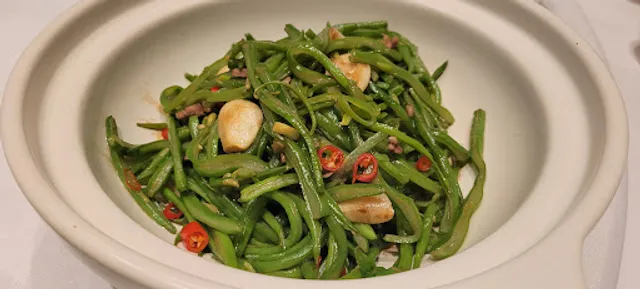
Three condiments and appetizers were served first. The Chinese kale was lightly pickled in the Teochew style and looked a bit like bean sprouts, which was unusual and unique. The Buddha’s hand was thinly sliced – this appetizer was delicious and quite sweet. Finally, the peanuts and pickled radish were also very tasty, crunchy and slightly sweet. At the same time, I was served a cup of warm lemonade, sweet and not sour at all.

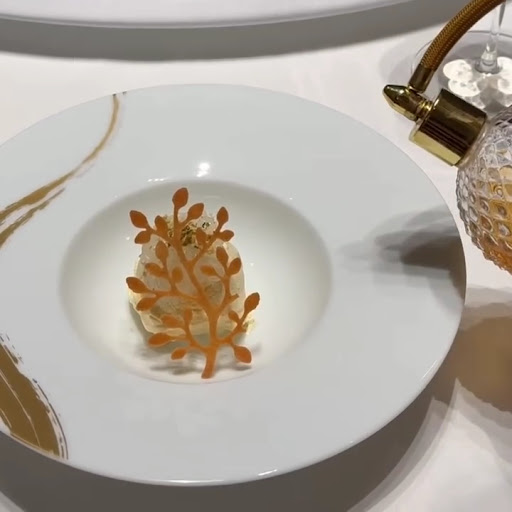
The hairy crab was mixed with yellow wine, topped with crab yolk (crab eggs) and caviar. Next to it was a cup of ginger tea – in Chinese cuisine, crab is considered “cold”, while ginger tea is “hot”, so eating them together would create a balance. The crab meat was very fresh and delicious. The caviar was just average and relatively mild, but the crab yolk was very interesting – it had a very unique flavor, umami? The creaminess was a great complement to the crab meat. Overall, this was a light and refreshing start to our dinner.

The goose was deboned, glazed and cooked. The chef used young geese that were up to 5 years old. Next to it was a bowl dipped in white vinegar and garlic. The goose feet had a BBQ flavour, chewy but not too gooey – the dish had a complex texture. The addition of vinegar had its pros and cons: it easily overpowered the flavour of the goose membrane. I found this dish a bit difficult to rate – it wasn’t exactly my favourite, but it was definitely better than I expected based on the description.

The final starter was mackerel, prepared frozen and topped with puning beans. For mackerel, this bite was really good, not fishy at all. I couldn’t really taste the beans though.

Starting the main course was char siu, one of the few dishes that comes from Cantonese cuisine rather than Chaoshan. The pork neck was smoked and served with fresh Buddha’s hand lime on the side. The meat was flavourful, slightly sweet, nutty and firm in texture. The kumquat was completely unlike previous versions, it was crunchy and not too sweet, similar to a pickle.

In the bowl of chicken broth with black pepper sauce, there was eel wrapped in pickles. The dish was quite hot thanks to the tea lights under the bowl. The eel was delicious and fresh, firm and meaty, and the pickles were a great addition, providing both seasoning and flavor. The broth was excellent – it was very flavorful and quite spicy thanks to the black pepper. A dish with many flavors coming together.

The pigeon was prepared in 2 ways: the breast was cooked and covered with crushed shrimp. The other pigeon leg was stuffed with shark fin and Chaoshan pickles. The shrimp breast/pigeon combination was quite light. The skin was very crispy, surrounded by very tender pigeon meat and a slightly fatty shark fin. Being able to make the outside crispy without overcooking the meat inside was a real technical achievement.

An enjoyable dinner with an impressive display of technique. I love experiencing Chinese cuisine from new regions with dishes I have never had before. However, if we only consider the taste, I stop at the level of satisfaction rather than surprise. For me, this is the weakest restaurant among the current 3–star Michelin restaurants in Beijing, but at the same time, Chao Shang Chao still has many opportunities to develop.

¥3549 / 1 person ~ 12.5 million...

   Read more

Page 1 of 1
Previous
Next

Posts

Doan Thai Hoa TranDoan Thai Hoa Tran
Chao Shang Chao 潮上潮 is the newest member of the ⭐️⭐️⭐️ Michelin 3-star restaurant club in China. It is a restaurant specializing in Teochew cuisine, located on the 4th floor of a shopping mall in Beijing. The restaurant has an à-la-carte menu and a Tasting Menu for ¥1888 or ¥2588 with a wine pairing option of ¥498 (prices do not include a 15% service charge). I chose the Tasting Menu ¥2588 with wine pairing. The wine was okay, but not too special. Perhaps a better choice would be a tea pairing. Three condiments and appetizers were served first. The Chinese kale was lightly pickled in the Teochew style and looked a bit like bean sprouts, which was unusual and unique. The Buddha’s hand was thinly sliced – this appetizer was delicious and quite sweet. Finally, the peanuts and pickled radish were also very tasty, crunchy and slightly sweet. At the same time, I was served a cup of warm lemonade, sweet and not sour at all. The hairy crab was mixed with yellow wine, topped with crab yolk (crab eggs) and caviar. Next to it was a cup of ginger tea – in Chinese cuisine, crab is considered “cold”, while ginger tea is “hot”, so eating them together would create a balance. The crab meat was very fresh and delicious. The caviar was just average and relatively mild, but the crab yolk was very interesting – it had a very unique flavor, umami? The creaminess was a great complement to the crab meat. Overall, this was a light and refreshing start to our dinner. The goose was deboned, glazed and cooked. The chef used young geese that were up to 5 years old. Next to it was a bowl dipped in white vinegar and garlic. The goose feet had a BBQ flavour, chewy but not too gooey – the dish had a complex texture. The addition of vinegar had its pros and cons: it easily overpowered the flavour of the goose membrane. I found this dish a bit difficult to rate – it wasn’t exactly my favourite, but it was definitely better than I expected based on the description. The final starter was mackerel, prepared frozen and topped with puning beans. For mackerel, this bite was really good, not fishy at all. I couldn’t really taste the beans though. Starting the main course was char siu, one of the few dishes that comes from Cantonese cuisine rather than Chaoshan. The pork neck was smoked and served with fresh Buddha’s hand lime on the side. The meat was flavourful, slightly sweet, nutty and firm in texture. The kumquat was completely unlike previous versions, it was crunchy and not too sweet, similar to a pickle. In the bowl of chicken broth with black pepper sauce, there was eel wrapped in pickles. The dish was quite hot thanks to the tea lights under the bowl. The eel was delicious and fresh, firm and meaty, and the pickles were a great addition, providing both seasoning and flavor. The broth was excellent – it was very flavorful and quite spicy thanks to the black pepper. A dish with many flavors coming together. The pigeon was prepared in 2 ways: the breast was cooked and covered with crushed shrimp. The other pigeon leg was stuffed with shark fin and Chaoshan pickles. The shrimp breast/pigeon combination was quite light. The skin was very crispy, surrounded by very tender pigeon meat and a slightly fatty shark fin. Being able to make the outside crispy without overcooking the meat inside was a real technical achievement. An enjoyable dinner with an impressive display of technique. I love experiencing Chinese cuisine from new regions with dishes I have never had before. However, if we only consider the taste, I stop at the level of satisfaction rather than surprise. For me, this is the weakest restaurant among the current 3–star Michelin restaurants in Beijing, but at the same time, Chao Shang Chao still has many opportunities to develop. ¥3549 / 1 person ~ 12.5 million VND (US$489)
Your browser does not support the video tag.
Doan Thai Hoa TranDoan Thai Hoa Tran
Chao Shang Chao 潮上潮 is the newest member of the ⭐️⭐️⭐️ Michelin 3-star restaurant club in China. It is a restaurant specializing in Teochew cuisine, located on the 4th floor of a shopping mall in Beijing. The restaurant has an à-la-carte menu and a Tasting Menu for ¥1888 or ¥2588 with a wine pairing option of ¥498 (prices do not include a 15% service charge). I chose the Tasting Menu ¥2588 with wine pairing. The wine was okay, but not too special. Perhaps a better choice would be a tea pairing. Three condiments and appetizers were served first. The Chinese kale was lightly pickled in the Teochew style and looked a bit like bean sprouts, which was unusual and unique. The Buddha’s hand was thinly sliced – this appetizer was delicious and quite sweet. Finally, the peanuts and pickled radish were also very tasty, crunchy and slightly sweet. At the same time, I was served a cup of warm lemonade, sweet and not sour at all. The hairy crab was mixed with yellow wine, topped with crab yolk (crab eggs) and caviar. Next to it was a cup of ginger tea – in Chinese cuisine, crab is considered “cold”, while ginger tea is “hot”, so eating them together would create a balance. The crab meat was very fresh and delicious. The caviar was just average and relatively mild, but the crab yolk was very interesting – it had a very unique flavor, umami? The creaminess was a great complement to the crab meat. Overall, this was a light and refreshing start to our dinner. The goose was deboned, glazed and cooked. The chef used young geese that were up to 5 years old. Next to it was a bowl dipped in white vinegar and garlic. The goose feet had a BBQ flavour, chewy but not too gooey – the dish had a complex texture. The addition of vinegar had its pros and cons: it easily overpowered the flavour of the goose membrane. I found this dish a bit difficult to rate – it wasn’t exactly my favourite, but it was definitely better than I expected based on the description. The final starter was mackerel, prepared frozen and topped with puning beans. For mackerel, this bite was really good, not fishy at all. I couldn’t really taste the beans though. Starting the main course was char siu, one of the few dishes that comes from Cantonese cuisine rather than Chaoshan. The pork neck was smoked and served with fresh Buddha’s hand lime on the side. The meat was flavourful, slightly sweet, nutty and firm in texture. The kumquat was completely unlike previous versions, it was crunchy and not too sweet, similar to a pickle. In the bowl of chicken broth with black pepper sauce, there was eel wrapped in pickles. The dish was quite hot thanks to the tea lights under the bowl. The eel was delicious and fresh, firm and meaty, and the pickles were a great addition, providing both seasoning and flavor. The broth was excellent – it was very flavorful and quite spicy thanks to the black pepper. A dish with many flavors coming together. The pigeon was prepared in 2 ways: the breast was cooked and covered with crushed shrimp. The other pigeon leg was stuffed with shark fin and Chaoshan pickles. The shrimp breast/pigeon combination was quite light. The skin was very crispy, surrounded by very tender pigeon meat and a slightly fatty shark fin. Being able to make the outside crispy without overcooking the meat inside was a real technical achievement. An enjoyable dinner with an impressive display of technique. I love experiencing Chinese cuisine from new regions with dishes I have never had before. However, if we only consider the taste, I stop at the level of satisfaction rather than surprise. For me, this is the weakest restaurant among the current 3–star Michelin restaurants in Beijing, but at the same time, Chao Shang Chao still has many opportunities to develop. ¥3549 / 1 person ~ 12.5 million VND (US$489)
hotel
Find your stay

Pet-friendly Hotels in Taiyuan

Find a cozy hotel nearby and make it a full experience.

Chao Shang Chao 潮上潮 is the newest member of the ⭐️⭐️⭐️ Michelin 3-star restaurant club in China. It is a restaurant specializing in Teochew cuisine, located on the 4th floor of a shopping mall in Beijing. The restaurant has an à-la-carte menu and a Tasting Menu for ¥1888 or ¥2588 with a wine pairing option of ¥498 (prices do not include a 15% service charge). I chose the Tasting Menu ¥2588 with wine pairing. The wine was okay, but not too special. Perhaps a better choice would be a tea pairing. Three condiments and appetizers were served first. The Chinese kale was lightly pickled in the Teochew style and looked a bit like bean sprouts, which was unusual and unique. The Buddha’s hand was thinly sliced – this appetizer was delicious and quite sweet. Finally, the peanuts and pickled radish were also very tasty, crunchy and slightly sweet. At the same time, I was served a cup of warm lemonade, sweet and not sour at all. The hairy crab was mixed with yellow wine, topped with crab yolk (crab eggs) and caviar. Next to it was a cup of ginger tea – in Chinese cuisine, crab is considered “cold”, while ginger tea is “hot”, so eating them together would create a balance. The crab meat was very fresh and delicious. The caviar was just average and relatively mild, but the crab yolk was very interesting – it had a very unique flavor, umami? The creaminess was a great complement to the crab meat. Overall, this was a light and refreshing start to our dinner. The goose was deboned, glazed and cooked. The chef used young geese that were up to 5 years old. Next to it was a bowl dipped in white vinegar and garlic. The goose feet had a BBQ flavour, chewy but not too gooey – the dish had a complex texture. The addition of vinegar had its pros and cons: it easily overpowered the flavour of the goose membrane. I found this dish a bit difficult to rate – it wasn’t exactly my favourite, but it was definitely better than I expected based on the description. The final starter was mackerel, prepared frozen and topped with puning beans. For mackerel, this bite was really good, not fishy at all. I couldn’t really taste the beans though. Starting the main course was char siu, one of the few dishes that comes from Cantonese cuisine rather than Chaoshan. The pork neck was smoked and served with fresh Buddha’s hand lime on the side. The meat was flavourful, slightly sweet, nutty and firm in texture. The kumquat was completely unlike previous versions, it was crunchy and not too sweet, similar to a pickle. In the bowl of chicken broth with black pepper sauce, there was eel wrapped in pickles. The dish was quite hot thanks to the tea lights under the bowl. The eel was delicious and fresh, firm and meaty, and the pickles were a great addition, providing both seasoning and flavor. The broth was excellent – it was very flavorful and quite spicy thanks to the black pepper. A dish with many flavors coming together. The pigeon was prepared in 2 ways: the breast was cooked and covered with crushed shrimp. The other pigeon leg was stuffed with shark fin and Chaoshan pickles. The shrimp breast/pigeon combination was quite light. The skin was very crispy, surrounded by very tender pigeon meat and a slightly fatty shark fin. Being able to make the outside crispy without overcooking the meat inside was a real technical achievement. An enjoyable dinner with an impressive display of technique. I love experiencing Chinese cuisine from new regions with dishes I have never had before. However, if we only consider the taste, I stop at the level of satisfaction rather than surprise. For me, this is the weakest restaurant among the current 3–star Michelin restaurants in Beijing, but at the same time, Chao Shang Chao still has many opportunities to develop. ¥3549 / 1 person ~ 12.5 million VND (US$489)
Doan Thai Hoa Tran

Doan Thai Hoa Tran

hotel
Find your stay

Affordable Hotels in Taiyuan

Find a cozy hotel nearby and make it a full experience.

Get the Appoverlay
Get the AppOne tap to find yournext favorite spots!
Chao Shang Chao 潮上潮 is the newest member of the ⭐️⭐️⭐️ Michelin 3-star restaurant club in China. It is a restaurant specializing in Teochew cuisine, located on the 4th floor of a shopping mall in Beijing. The restaurant has an à-la-carte menu and a Tasting Menu for ¥1888 or ¥2588 with a wine pairing option of ¥498 (prices do not include a 15% service charge). I chose the Tasting Menu ¥2588 with wine pairing. The wine was okay, but not too special. Perhaps a better choice would be a tea pairing. Three condiments and appetizers were served first. The Chinese kale was lightly pickled in the Teochew style and looked a bit like bean sprouts, which was unusual and unique. The Buddha’s hand was thinly sliced – this appetizer was delicious and quite sweet. Finally, the peanuts and pickled radish were also very tasty, crunchy and slightly sweet. At the same time, I was served a cup of warm lemonade, sweet and not sour at all. The hairy crab was mixed with yellow wine, topped with crab yolk (crab eggs) and caviar. Next to it was a cup of ginger tea – in Chinese cuisine, crab is considered “cold”, while ginger tea is “hot”, so eating them together would create a balance. The crab meat was very fresh and delicious. The caviar was just average and relatively mild, but the crab yolk was very interesting – it had a very unique flavor, umami? The creaminess was a great complement to the crab meat. Overall, this was a light and refreshing start to our dinner. The goose was deboned, glazed and cooked. The chef used young geese that were up to 5 years old. Next to it was a bowl dipped in white vinegar and garlic. The goose feet had a BBQ flavour, chewy but not too gooey – the dish had a complex texture. The addition of vinegar had its pros and cons: it easily overpowered the flavour of the goose membrane. I found this dish a bit difficult to rate – it wasn’t exactly my favourite, but it was definitely better than I expected based on the description. The final starter was mackerel, prepared frozen and topped with puning beans. For mackerel, this bite was really good, not fishy at all. I couldn’t really taste the beans though. Starting the main course was char siu, one of the few dishes that comes from Cantonese cuisine rather than Chaoshan. The pork neck was smoked and served with fresh Buddha’s hand lime on the side. The meat was flavourful, slightly sweet, nutty and firm in texture. The kumquat was completely unlike previous versions, it was crunchy and not too sweet, similar to a pickle. In the bowl of chicken broth with black pepper sauce, there was eel wrapped in pickles. The dish was quite hot thanks to the tea lights under the bowl. The eel was delicious and fresh, firm and meaty, and the pickles were a great addition, providing both seasoning and flavor. The broth was excellent – it was very flavorful and quite spicy thanks to the black pepper. A dish with many flavors coming together. The pigeon was prepared in 2 ways: the breast was cooked and covered with crushed shrimp. The other pigeon leg was stuffed with shark fin and Chaoshan pickles. The shrimp breast/pigeon combination was quite light. The skin was very crispy, surrounded by very tender pigeon meat and a slightly fatty shark fin. Being able to make the outside crispy without overcooking the meat inside was a real technical achievement. An enjoyable dinner with an impressive display of technique. I love experiencing Chinese cuisine from new regions with dishes I have never had before. However, if we only consider the taste, I stop at the level of satisfaction rather than surprise. For me, this is the weakest restaurant among the current 3–star Michelin restaurants in Beijing, but at the same time, Chao Shang Chao still has many opportunities to develop. ¥3549 / 1 person ~ 12.5 million VND (US$489)
Doan Thai Hoa Tran

Doan Thai Hoa Tran

hotel
Find your stay

The Coolest Hotels You Haven't Heard Of (Yet)

Find a cozy hotel nearby and make it a full experience.

hotel
Find your stay

Trending Stays Worth the Hype in Taiyuan

Find a cozy hotel nearby and make it a full experience.

create-post
Turn your ideas into a post and inspire others!
Create