HTML SitemapExplore

Guangzhou Baiyun International Airport — Attraction in Guangzhou City

Name
Guangzhou Baiyun International Airport
Description
Nearby attractions
Nearby restaurants
Dicos
China, Guangdong Province, Guangzhou, Huadu District, 机场大道 邮政编码: 510801
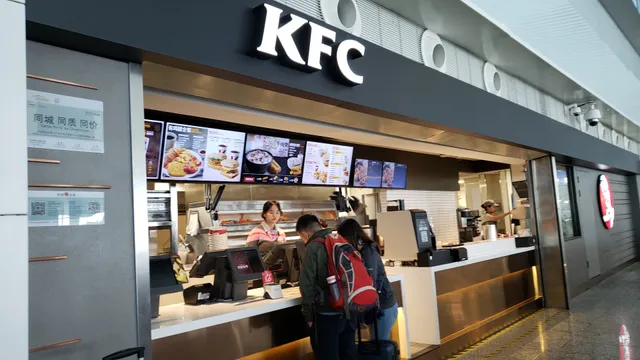
KFC
China, Guangdong Province, Guangzhou, Huadu District, Konggangjiudian Rd, 白云国际机场B区到达2号门 邮政编码: 510801
Yishiya Coffee Shop
China, Guangdong Province, Guangzhou, Huadu District, Konggangjiudian Rd, 新白云国际机场123号登机口附近 邮政编码: 510801
Nearby local services
Nearby hotels
Pullman Hotel Baiyun Airport Guangzhou
China, Guangdong Province, Guangzhou, Huadu District, Konggangjiudian Rd, 白云国际机场 邮政编码: 510801
Novotel Guangzhou Baiyun Airport (Opening Jan 2022)
1 Konggangjiudian Rd, Huadu District, Guangzhou, Guangdong Province, China, 510470
Related posts
Keywords
Guangzhou Baiyun International Airport tourism.Guangzhou Baiyun International Airport hotels.Guangzhou Baiyun International Airport bed and breakfast. flights to Guangzhou Baiyun International Airport.Guangzhou Baiyun International Airport attractions.Guangzhou Baiyun International Airport restaurants.Guangzhou Baiyun International Airport local services.Guangzhou Baiyun International Airport travel.Guangzhou Baiyun International Airport travel guide.Guangzhou Baiyun International Airport travel blog.Guangzhou Baiyun International Airport pictures.Guangzhou Baiyun International Airport photos.Guangzhou Baiyun International Airport travel tips.Guangzhou Baiyun International Airport maps.Guangzhou Baiyun International Airport things to do.
Guangzhou Baiyun International Airport things to do, attractions, restaurants, events info and trip planning
Guangzhou Baiyun International Airport
ChinaGuangdong ProvinceGuangzhou CityGuangzhou Baiyun International Airport

Basic Info

Guangzhou Baiyun International Airport

98W5+959, Baiyun, Guangzhou, Guangdong Province, China
4.2(2.2K)
Save
spot

Ratings & Description

Info

Cultural
Accessibility
Family friendly
attractions: , restaurants: Dicos, KFC, Yishiya Coffee Shop, local businesses:
logoLearn more insights from Wanderboat AI.
Phone
+86 20 3606 6999
Website
gbiac.net

Plan your stay

hotel
Pet-friendly Hotels in Guangzhou City
Find a cozy hotel nearby and make it a full experience.
hotel
Affordable Hotels in Guangzhou City
Find a cozy hotel nearby and make it a full experience.
hotel
The Coolest Hotels You Haven't Heard Of (Yet)
Find a cozy hotel nearby and make it a full experience.
hotel
Trending Stays Worth the Hype in Guangzhou City
Find a cozy hotel nearby and make it a full experience.

Reviews

Nearby restaurants of Guangzhou Baiyun International Airport

Dicos

KFC

Yishiya Coffee Shop

Dicos

Dicos

4.0

(6)

Click for details
KFC

KFC

3.6

(19)

Click for details
Yishiya Coffee Shop

Yishiya Coffee Shop

2.0

(1)

Click for details
Get the Appoverlay
Get the AppOne tap to find yournext favorite spots!
Wanderboat LogoWanderboat

Your everyday Al companion for getaway ideas

CompanyAbout Us
InformationAI Trip PlannerSitemap
SocialXInstagramTiktokLinkedin
LegalTerms of ServicePrivacy Policy

Get the app

© 2025 Wanderboat. All rights reserved.

Reviews of Guangzhou Baiyun International Airport

4.2
(2,191)
avatar
3.0
1y

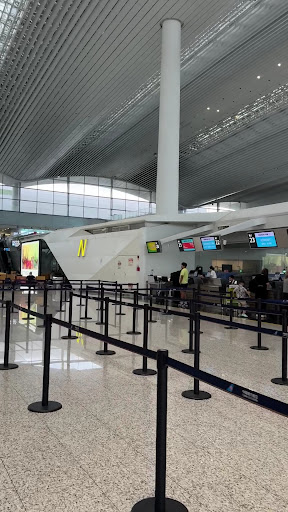
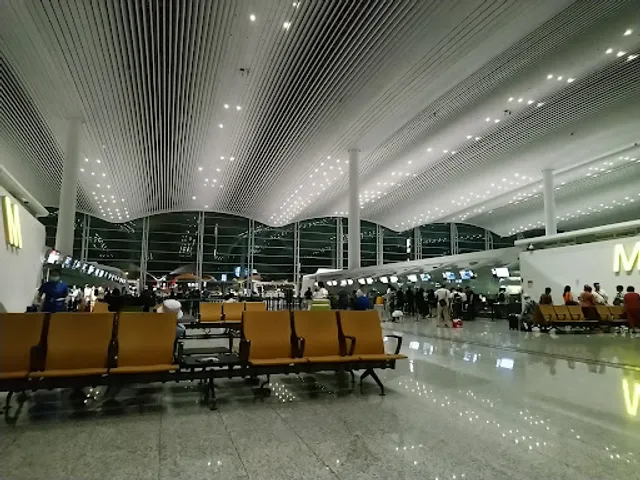
Guangzhou Baiyun International Airport is a massive and modern facility, impressively designed with sleek architecture and state-of-the-art amenities. However, the airport’s sheer size can be daunting, especially for elderly travelers or those with young children. Navigating through the vast terminals can be a challenge, and this is something travelers should be prepared for.

For those transiting through Guangzhou on their way to another destination, it is crucial to allow ample time between flights. I recommend booking flights with at least a 2 to 3-hour layover. This is particularly important because China Southern Airlines, the main carrier at this airport, is notorious for frequent delays. Even though these delays are somewhat expected, the lack of effective communication between the airline and the airport staff can add unnecessary stress for travelers trying to make their connecting flights. In our case, we had a 1.5-hour layover, but our inbound flight was delayed by 30 minutes. The situation quickly descended into chaos as passengers scrambled to make their connections.

Moreover, the transit process at Baiyun Airport is cumbersome and inefficient. Despite not leaving the terminal, transit passengers are required to pass through multiple checkpoints, including a quarantine inspection, airline counter for ticket verification, security screening, and finally, immigration control. These layers of security checks, combined with long queues, create a stressful experience, particularly for those with tight connections. On a positive note, I did notice an improvement in the attitude and helpfulness of the airport staff compared to previous visits. Both ground staff and immigration officers were noticeably more friendly and eager to assist, which was a welcome change.

For travelers planning a layover, it is essential to be prepared. I suggest filling out your Arrival Card while still on the plane to save time during the quarantine inspection. Keep items like lighters, liquids, and batteries easily accessible, as these will need to be removed during security screening.

On our return, we had a day to spare and decided to explore Guangzhou. The airport offers a convenient visa-on-arrival service for transiting passengers, which allows up to 72 hours of stay. The process was straightforward but requires some preparation. After disembarking, follow the signs for transit, but instead, head to the visa-on-arrival counter. Before approaching the counter, make sure to fill out the Arrival and Departure Card, which can be obtained from airline staff. The required documents include your passport, inbound flight ticket, outbound flight ticket, and the Arrival and Departure Card. If you are flying with China Southern Airlines and have a layover of more than 6 hours but less than 30 hours, you may be eligible for a complimentary hotel stay provided by the airline, which can simplify your stay.

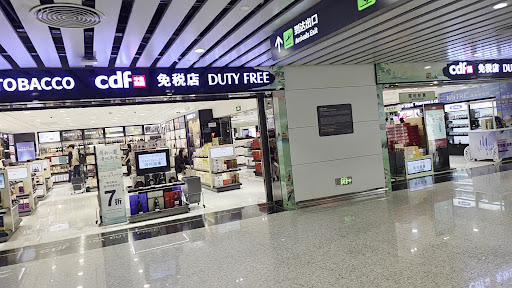
One area that could use improvement is the duty-free shopping experience. While the shops offer a wide range of products, it was disappointing to find that many staff members had very limited English skills. This language barrier can make it difficult for international travelers to ask questions or make purchases, which is something the airport management should consider addressing.

In summary, while Guangzhou Baiyun International Airport is an impressive and modern facility, it is essential to plan for potential delays and long transit times. With proper preparation, the experience can be manageable, though not without...

   Read more

avatar
5.0
21w

In the heart of South China, nestled about 28 kilometers north of downtown Guangzhou, lies a gateway to the skies—Guangzhou Baiyun International Airport. Known by its IATA code CAN (a nod to Guangzhou’s historic name, Canton), this airport has become a vital artery of global air travel, connecting one of China's most vibrant regions to the world. Operating around the clock without curfews, it serves as both a modern marvel of infrastructure and a testament to Guangzhou’s rising prominence on the international stage.

The story of Baiyun Airport is one of transformation and ambition. Its roots stretch back to 1932, when the original airport began serving the region. But as Guangzhou grew, so did the need for a bigger, more advanced facility. That dream materialized on August 5, 2004, when a brand-new airport opened its doors after a massive 19.8 billion yuan investment. Nearly five times larger than its predecessor, the new Baiyun was built to handle soaring passenger demand—and it hasn’t slowed since.

Today, the airport features two grand terminals. Terminal 1 handles both domestic and international flights with designated areas, while the sprawling Terminal 2, opened in 2018, ranks among the world’s largest terminal buildings. With four runways now in operation—including the newest one added in January 2025—Baiyun is engineered for efficiency, capable of simultaneous takeoffs and landings. It’s also a freight powerhouse, home to the FedEx Asia-Pacific hub, one of the largest express cargo centers in the world.

By 2023, Baiyun had earned its place among the aviation elite: over 63 million passengers passed through its gates, making it the busiest airport in China, and 12th globally. It also handled 2.03 million metric tons of cargo, ranking 11th worldwide. As a primary hub for China Southern Airlines and other carriers like FedEx and Hainan Airlines, it continues to strengthen its role in connecting Asia with the rest of the globe.

Seamless ground connectivity supports this vast operation. Whether hopping on the Guangzhou Metro, boarding a dedicated airport express bus, or taking a taxi into the city, passengers have multiple options at their fingertips. Meanwhile, inside the terminals, travelers find a mix of high-tech convenience and thoughtful services—from self-service check-ins to expansive parking zones and well-coordinated baggage systems.

Looking ahead, the story of Baiyun International Airport is still being written. With ambitious expansion plans aimed at increasing capacity to 80 million passengers and 2.5 million tons of cargo annually, the airport isn’t just keeping up with demand—it’s shaping the future of flight in the region. A symbol of Guangzhou’s growth and China’s aviation ambition, Baiyun International Airport continues to soar higher, carrying millions...

   Read more
avatar
4.0
37w

Guangzhou Baiyun International Airport (CAN) generally receives positive reviews, often being described as modern, spacious, and clean. Many travelers appreciate its efficient immigration procedures and the availability of various shops and restaurants, making layovers more comfortable. Here's a summary of common points mentioned in reviews: Pros: Modern and Clean: The airport is frequently praised for its contemporary design and high level of cleanliness throughout the terminals. Spacious: Travelers note that the airport is large and offers ample space, reducing feelings of congestion in many areas. Efficient Immigration: Many reviewers have found the immigration process to be relatively quick and well-organized. Good Amenities: The airport offers a wide variety of dining options including Chinese, Western, and fast food. There are also numerous shopping opportunities, including duty-free stores and souvenir shops. Lounges: Several comfortable lounges are available, some accessible through lounge membership programs or by purchasing a day pass. Free Wi-Fi: Free Wi-Fi is available, although some users have noted that registration might be required, sometimes involving a local phone number or passport scanning at a kiosk. Clean Restrooms: Toilets are generally reported to be clean and well-maintained. Self-Service Facilities: The airport has a significant number of self-service check-in kiosks and baggage drop counters, aiming to expedite the check-in process. Connectivity: The airport is well-connected to the city via the metro. Cons: Signage in English: Some travelers have pointed out that English signage could be improved, making navigation slightly challenging for non-Chinese speakers. Security Staff: A few reviews mention that some security staff can be perceived as intimidating or unhelpful, with limited English proficiency. Limited Western Food Options (in some opinions): While there are various food choices, some travelers feel that the selection of Western cuisine could be broader. Long Walks for Transfers: Some reviewers have experienced long walks between different areas of the airport, especially for international transfers. Patchy Wi-Fi: While free Wi-Fi is available, some users have reported that the connection can be unreliable at times. Overall: Guangzhou Baiyun International Airport appears to offer a generally positive experience for travelers, particularly regarding its modern facilities and efficiency. While some minor issues like signage and occasional communication barriers with staff exist, it is often considered a better airport compared to some other large airports in China. It serves as a major hub, and ongoing efforts seem to be focused on improving passenger experience through technology and service...

   Read more
Page 1 of 7
Previous
Next

Posts

WonderChanWonderChan
Guangzhou Baiyun International Airport is a massive and modern facility, impressively designed with sleek architecture and state-of-the-art amenities. However, the airport’s sheer size can be daunting, especially for elderly travelers or those with young children. Navigating through the vast terminals can be a challenge, and this is something travelers should be prepared for. For those transiting through Guangzhou on their way to another destination, it is crucial to allow ample time between flights. I recommend booking flights with at least a 2 to 3-hour layover. This is particularly important because China Southern Airlines, the main carrier at this airport, is notorious for frequent delays. Even though these delays are somewhat expected, the lack of effective communication between the airline and the airport staff can add unnecessary stress for travelers trying to make their connecting flights. In our case, we had a 1.5-hour layover, but our inbound flight was delayed by 30 minutes. The situation quickly descended into chaos as passengers scrambled to make their connections. Moreover, the transit process at Baiyun Airport is cumbersome and inefficient. Despite not leaving the terminal, transit passengers are required to pass through multiple checkpoints, including a quarantine inspection, airline counter for ticket verification, security screening, and finally, immigration control. These layers of security checks, combined with long queues, create a stressful experience, particularly for those with tight connections. On a positive note, I did notice an improvement in the attitude and helpfulness of the airport staff compared to previous visits. Both ground staff and immigration officers were noticeably more friendly and eager to assist, which was a welcome change. For travelers planning a layover, it is essential to be prepared. I suggest filling out your Arrival Card while still on the plane to save time during the quarantine inspection. Keep items like lighters, liquids, and batteries easily accessible, as these will need to be removed during security screening. On our return, we had a day to spare and decided to explore Guangzhou. The airport offers a convenient visa-on-arrival service for transiting passengers, which allows up to 72 hours of stay. The process was straightforward but requires some preparation. After disembarking, follow the signs for transit, but instead, head to the visa-on-arrival counter. Before approaching the counter, make sure to fill out the Arrival and Departure Card, which can be obtained from airline staff. The required documents include your passport, inbound flight ticket, outbound flight ticket, and the Arrival and Departure Card. If you are flying with China Southern Airlines and have a layover of more than 6 hours but less than 30 hours, you may be eligible for a complimentary hotel stay provided by the airline, which can simplify your stay. One area that could use improvement is the duty-free shopping experience. While the shops offer a wide range of products, it was disappointing to find that many staff members had very limited English skills. This language barrier can make it difficult for international travelers to ask questions or make purchases, which is something the airport management should consider addressing. In summary, while Guangzhou Baiyun International Airport is an impressive and modern facility, it is essential to plan for potential delays and long transit times. With proper preparation, the experience can be manageable, though not without its challenges.
Your browser does not support the video tag.
Edryl AdlocEdryl Adloc
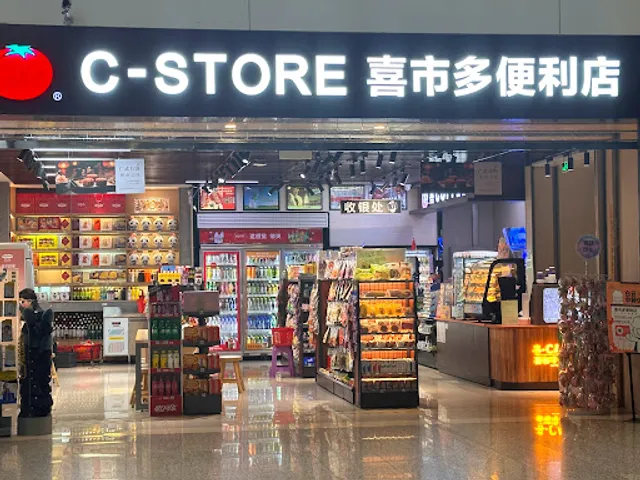
We had a connecting flight at Guangzhou Baiyun International Airport (CAN), and it’s such a modern and impressive airport. The infrastructure and technology are top-notch, and everything is well organized. The terminal is easy to navigate with clear English signs and instructions everywhere. There are plenty of shops and convenience stores inside, making it a comfortable and convenient stop for connecting travelers.
Weaning PingWeaning Ping
In the heart of South China, nestled about 28 kilometers north of downtown Guangzhou, lies a gateway to the skies—Guangzhou Baiyun International Airport. Known by its IATA code CAN (a nod to Guangzhou’s historic name, Canton), this airport has become a vital artery of global air travel, connecting one of China's most vibrant regions to the world. Operating around the clock without curfews, it serves as both a modern marvel of infrastructure and a testament to Guangzhou’s rising prominence on the international stage. The story of Baiyun Airport is one of transformation and ambition. Its roots stretch back to 1932, when the original airport began serving the region. But as Guangzhou grew, so did the need for a bigger, more advanced facility. That dream materialized on August 5, 2004, when a brand-new airport opened its doors after a massive 19.8 billion yuan investment. Nearly five times larger than its predecessor, the new Baiyun was built to handle soaring passenger demand—and it hasn’t slowed since. Today, the airport features two grand terminals. Terminal 1 handles both domestic and international flights with designated areas, while the sprawling Terminal 2, opened in 2018, ranks among the world’s largest terminal buildings. With four runways now in operation—including the newest one added in January 2025—Baiyun is engineered for efficiency, capable of simultaneous takeoffs and landings. It’s also a freight powerhouse, home to the FedEx Asia-Pacific hub, one of the largest express cargo centers in the world. By 2023, Baiyun had earned its place among the aviation elite: over 63 million passengers passed through its gates, making it the busiest airport in China, and 12th globally. It also handled 2.03 million metric tons of cargo, ranking 11th worldwide. As a primary hub for China Southern Airlines and other carriers like FedEx and Hainan Airlines, it continues to strengthen its role in connecting Asia with the rest of the globe. Seamless ground connectivity supports this vast operation. Whether hopping on the Guangzhou Metro, boarding a dedicated airport express bus, or taking a taxi into the city, passengers have multiple options at their fingertips. Meanwhile, inside the terminals, travelers find a mix of high-tech convenience and thoughtful services—from self-service check-ins to expansive parking zones and well-coordinated baggage systems. Looking ahead, the story of Baiyun International Airport is still being written. With ambitious expansion plans aimed at increasing capacity to 80 million passengers and 2.5 million tons of cargo annually, the airport isn’t just keeping up with demand—it’s shaping the future of flight in the region. A symbol of Guangzhou’s growth and China’s aviation ambition, Baiyun International Airport continues to soar higher, carrying millions along with it.
See more posts
See more posts
hotel
Find your stay

Pet-friendly Hotels in Guangzhou City

Find a cozy hotel nearby and make it a full experience.

Guangzhou Baiyun International Airport is a massive and modern facility, impressively designed with sleek architecture and state-of-the-art amenities. However, the airport’s sheer size can be daunting, especially for elderly travelers or those with young children. Navigating through the vast terminals can be a challenge, and this is something travelers should be prepared for. For those transiting through Guangzhou on their way to another destination, it is crucial to allow ample time between flights. I recommend booking flights with at least a 2 to 3-hour layover. This is particularly important because China Southern Airlines, the main carrier at this airport, is notorious for frequent delays. Even though these delays are somewhat expected, the lack of effective communication between the airline and the airport staff can add unnecessary stress for travelers trying to make their connecting flights. In our case, we had a 1.5-hour layover, but our inbound flight was delayed by 30 minutes. The situation quickly descended into chaos as passengers scrambled to make their connections. Moreover, the transit process at Baiyun Airport is cumbersome and inefficient. Despite not leaving the terminal, transit passengers are required to pass through multiple checkpoints, including a quarantine inspection, airline counter for ticket verification, security screening, and finally, immigration control. These layers of security checks, combined with long queues, create a stressful experience, particularly for those with tight connections. On a positive note, I did notice an improvement in the attitude and helpfulness of the airport staff compared to previous visits. Both ground staff and immigration officers were noticeably more friendly and eager to assist, which was a welcome change. For travelers planning a layover, it is essential to be prepared. I suggest filling out your Arrival Card while still on the plane to save time during the quarantine inspection. Keep items like lighters, liquids, and batteries easily accessible, as these will need to be removed during security screening. On our return, we had a day to spare and decided to explore Guangzhou. The airport offers a convenient visa-on-arrival service for transiting passengers, which allows up to 72 hours of stay. The process was straightforward but requires some preparation. After disembarking, follow the signs for transit, but instead, head to the visa-on-arrival counter. Before approaching the counter, make sure to fill out the Arrival and Departure Card, which can be obtained from airline staff. The required documents include your passport, inbound flight ticket, outbound flight ticket, and the Arrival and Departure Card. If you are flying with China Southern Airlines and have a layover of more than 6 hours but less than 30 hours, you may be eligible for a complimentary hotel stay provided by the airline, which can simplify your stay. One area that could use improvement is the duty-free shopping experience. While the shops offer a wide range of products, it was disappointing to find that many staff members had very limited English skills. This language barrier can make it difficult for international travelers to ask questions or make purchases, which is something the airport management should consider addressing. In summary, while Guangzhou Baiyun International Airport is an impressive and modern facility, it is essential to plan for potential delays and long transit times. With proper preparation, the experience can be manageable, though not without its challenges.
WonderChan

WonderChan

hotel
Find your stay

Affordable Hotels in Guangzhou City

Find a cozy hotel nearby and make it a full experience.

Get the Appoverlay
Get the AppOne tap to find yournext favorite spots!
We had a connecting flight at Guangzhou Baiyun International Airport (CAN), and it’s such a modern and impressive airport. The infrastructure and technology are top-notch, and everything is well organized. The terminal is easy to navigate with clear English signs and instructions everywhere. There are plenty of shops and convenience stores inside, making it a comfortable and convenient stop for connecting travelers.
Edryl Adloc

Edryl Adloc

hotel
Find your stay

The Coolest Hotels You Haven't Heard Of (Yet)

Find a cozy hotel nearby and make it a full experience.

hotel
Find your stay

Trending Stays Worth the Hype in Guangzhou City

Find a cozy hotel nearby and make it a full experience.

In the heart of South China, nestled about 28 kilometers north of downtown Guangzhou, lies a gateway to the skies—Guangzhou Baiyun International Airport. Known by its IATA code CAN (a nod to Guangzhou’s historic name, Canton), this airport has become a vital artery of global air travel, connecting one of China's most vibrant regions to the world. Operating around the clock without curfews, it serves as both a modern marvel of infrastructure and a testament to Guangzhou’s rising prominence on the international stage. The story of Baiyun Airport is one of transformation and ambition. Its roots stretch back to 1932, when the original airport began serving the region. But as Guangzhou grew, so did the need for a bigger, more advanced facility. That dream materialized on August 5, 2004, when a brand-new airport opened its doors after a massive 19.8 billion yuan investment. Nearly five times larger than its predecessor, the new Baiyun was built to handle soaring passenger demand—and it hasn’t slowed since. Today, the airport features two grand terminals. Terminal 1 handles both domestic and international flights with designated areas, while the sprawling Terminal 2, opened in 2018, ranks among the world’s largest terminal buildings. With four runways now in operation—including the newest one added in January 2025—Baiyun is engineered for efficiency, capable of simultaneous takeoffs and landings. It’s also a freight powerhouse, home to the FedEx Asia-Pacific hub, one of the largest express cargo centers in the world. By 2023, Baiyun had earned its place among the aviation elite: over 63 million passengers passed through its gates, making it the busiest airport in China, and 12th globally. It also handled 2.03 million metric tons of cargo, ranking 11th worldwide. As a primary hub for China Southern Airlines and other carriers like FedEx and Hainan Airlines, it continues to strengthen its role in connecting Asia with the rest of the globe. Seamless ground connectivity supports this vast operation. Whether hopping on the Guangzhou Metro, boarding a dedicated airport express bus, or taking a taxi into the city, passengers have multiple options at their fingertips. Meanwhile, inside the terminals, travelers find a mix of high-tech convenience and thoughtful services—from self-service check-ins to expansive parking zones and well-coordinated baggage systems. Looking ahead, the story of Baiyun International Airport is still being written. With ambitious expansion plans aimed at increasing capacity to 80 million passengers and 2.5 million tons of cargo annually, the airport isn’t just keeping up with demand—it’s shaping the future of flight in the region. A symbol of Guangzhou’s growth and China’s aviation ambition, Baiyun International Airport continues to soar higher, carrying millions along with it.
Weaning Ping

Weaning Ping

See more posts
See more posts