Pul-e Khishti Masjid - A Historical Gem in Kabul City
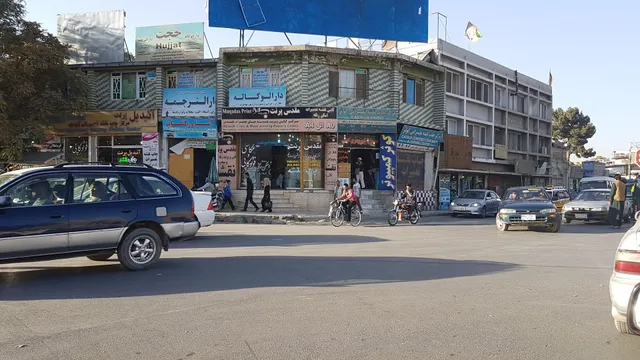
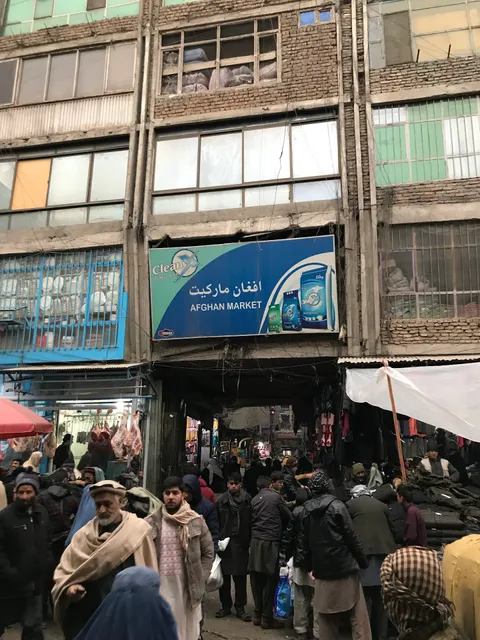
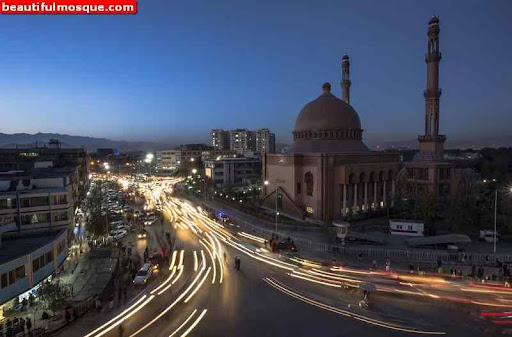
Pul-e Khishti Masjid, located in the bustling heart of Kabul City near the famous Mobile Center, stands as one of Afghanistan's most iconic and historically significant mosques. Known as the "Blue Mosque" for its distinctive blue dome, this mosque has been a centerpiece of Kabul’s spiritual and architectural heritage for centuries. Architectural Splendor and Ambiance Upon entering the mosque's premises, visitors are greeted with a serene atmosphere that contrasts sharply with the hectic surroundings of the city. The mosque’s spacious courtyard, where worshippers gather for prayers, is both peaceful and inviting. The building's traditional Islamic architecture, highlighted by intricate tilework, graceful arches, and ornate designs, reflects the rich cultural history of Afghanistan. The beautiful calligraphy on the walls and the serene ambiance inside the prayer hall provide a space for reflection and tranquility. Accessibility and Location The mosque’s central location near the bustling Mobile Center makes it easily accessible to locals and visitors alike. Surrounded by a mix of traditional markets and modern shops, Pul-e Khishti serves as a landmark for those navigating Kabul’s busy streets. The mosque is a popular spot, especially on Fridays, when large crowds gather for Jumu'ah prayers. The area around the mosque is vibrant, with street vendors selling everything from fruits to mobile accessories. Community and Cultural Significance Pul-e Khishti Masjid is not just a place of worship; it plays an essential role in the social and cultural life of Kabul’s residents. It has been a center for community gatherings, religious ceremonies, and educational activities for generations. The mosque also serves as a symbol of resilience, having undergone repairs and restorations after being damaged during years of conflict in Afghanistan. Conclusion Visiting Pul-e Khishti Masjid offers a glimpse into the rich spiritual life and cultural history of Kabul. Whether you are a local looking for a peaceful place to pray or a visitor interested in exploring Afghanistan’s architectural beauty, this mosque is a must-see. Its proximity to the Mobile Center adds convenience, making it an easy stop for those exploring the city’s central districts. Note for Visitors If you plan to visit, it's best to dress modestly, especially if you're there during prayer times, out of respect for the worshippers. The mosque welcomes everyone, but visitors should be mindful of the religious customs...
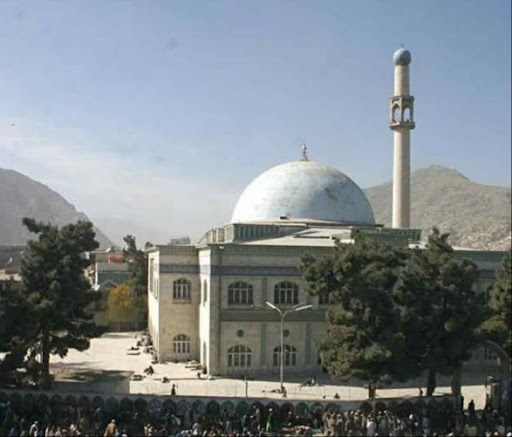
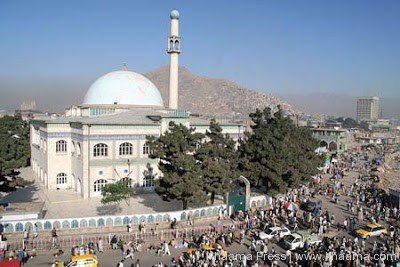
Read morePul-e Khishti Mosque is the largest mosque in Kabul, Afghanistan. Located in the center of old Kabul, the Pul-e Khishti Mosque can be identified by its large blue dome. The mosque originally was erected in the late 18th Century, but largely rebuilt under Zahir Shah in the late 1960s. It was damaged during fighting in the 1990s, but is one of the few buildings in the area which has had restoration work done on it. Many Kabulis assert that the imam of this mosque for many years in the early part of the 20th century was an Englishman who had converted to Islam, and that the imam returned to England after relinquishing his position...
Read moreمسجد جامع پل خشتی، یکی از بزرگترین و تاریخیترین مساجد شهر کابل، در کنار رودخانه کابل واقع شده و به نام «مسجد لب دریا» نیز شناخته میشود. این مسجد پس از مسجد شاه دو شمشیره، دومین مسجد قدیمی کابل محسوب میشود و تاریخچهای غنی دارد.
ریشههای تاریخی: روایاتی وجود دارد که زمین این مسجد محل عبادتگاه حضرت سلیمان (ع) بوده و حدود سه هزار سال قدمت دارد. پس از ورود اسلام به کابل، مسلمانان عرب با آگاهی از وجود معبدی قدیمی در این مکان، سنگ بنای مسجد را گذاشتند. سنگ اولیه محراب همچنان حفظ شده اس بنای اولیه مسجد در سال 1069 هجری قمری (حدود 1400 سال پیش) به شکلی ساده ساخته شد. در زمان تیمورشاه درانی (1187 هجری قمری) تعمیرات اساسی آغاز شد، اما تکمیل نشد. سپس در دوره شاه زمان و امیر عبدالرحمن خان (1271 هجری شمسی) توسعه یافت. در سال 1334 هجری شمسی، در زمان محمد ظاهرشاه، مسجد به شکل کنونی با معماری مدرن بازسازی شد و در 4 عقرب 1345 افتتاح گردید.مسجد دارای منارهای 62 متری و گنبدی سبز با ارتفاع 18 متر است. ظرفیت آن 3000 نمازگزار در یک زمان است. دیوارها، ایوانها و رواقها با سنگ مرمر شفاف تزئین شده و گنبد با کاشیهای سبزآبی است یک قندیل 1600 کیلوگرمی در مرکز گنبد و 70 آویز بلوری برای روشنایی نصب شده است. صحن مسجد با سنگ مرمر فرش شده و آیات قرآنی به خط ثلث و وفی بر دیوارهای بیرونی نوشته شده است.پل مقابل مسجد، که به نام پل خشتی معروف است، ابتدا از خشت ساخته شده بود و بعدها با بتن بازسازی شد. نام مسجد نیز از این پل گرفته شده است روزانه هزاران نفر در این مسجد نماز میخوانند و از سخنرانیهای علما بهرهمند میشوند. در گذشته، مناره و گنبد آن از نقاط مختلف کابل قابل مشاهده بود مسجد در گذشته محل تجمع برای اعلان جهاد علیه بریتانیا و دیگر فعالیتهای...
Read more