The founders of the zoo and their German advisors did well for Afghanistan for that period. Even a pond enclosure to mimic Afghanistan's well-known waterfowl lake, Ab-e-Istada, was included where one could see Flamingos (Phoenicopterus ruber roseus), Spoonbills (Platalea leucocoridia), Stilts (Himantopus himantopus), Shelducks (Tadorna tadorna) and Ruddy Shelducks (Tadorna ferruginea). In addition Afghan pheasants were kept and bred in a pheasantry besides several exotic species. Afghan subspecies of the common pheasant (Phasianus colchicus bianchii) lives only in northern Afghanistan. Himalayan Monal (Lophophorus impejanus) as well as Koklass (Pucrasia macrolopha) is from Nuristan in east Afghanistan
The zoo maintained the Afghanistan leopard which could be seen only in six zoos of the world at the time. In 1973 a snow leopard was donated from "royal breeding stock" of the King along with some other animals.
Cologne Zoo, Germany, contributed the pair of tigers which were possibly (Panthera tigris) or perhaps an undeterminate subspecies. The 1969 Red Data Book of IUCN estimated that the total number of the Caspian Tiger (Panthera tigris virgata) ranging through northern Afghanistan, Turkestan and northern Iran was 50 to 80. Dr. Gunther Nogge conducted several expeditions to the Amu Darya region, however, and was convinced that the sub-species no longer existed in Afghanistan
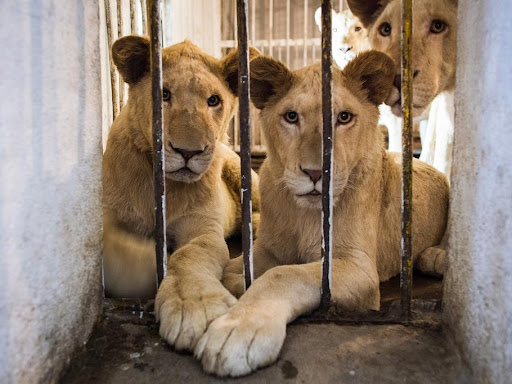
Kabul Zoo today, according to the occasional visitor and welfare organizations, is not faring well. It is still supported by the Kabul Municipal authority or the Taliban Mayor of Kabul but the war and political instability as well as social and economic difficulties have taken a vast toll. There is no legislation or official agreement for the zoo which, then, is at the mercy of the inclination of the government officials which happen to be holding the Municipal posts
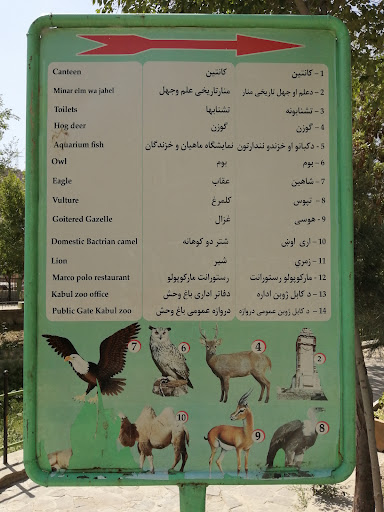
The focus of the zoo was Afghan fauna. In 1972 there were 32 species of mammals, 85 species of birds and 4 species of reptiles. The total number of animals in the zoo was 417, nearly all of which were collected in Afghanistan. There was also a lion, a tiger, some pheasants and parrots. Twenty five years ago there were several rare species listed in the Red Data Book of IUCN and others which were rarely seen in captivity.
The zoo was very popular with visitors and press. In 1972 the number of visitors was more than 150,000, an increase of more than 20% over the previous. Thus, public interest could be fired about wildlife problems in Afghanistan. The first hunting law was drafted with a proposal for the establishment of wildlife reserves in different parts of the country.
————————
Thanks For...
Read more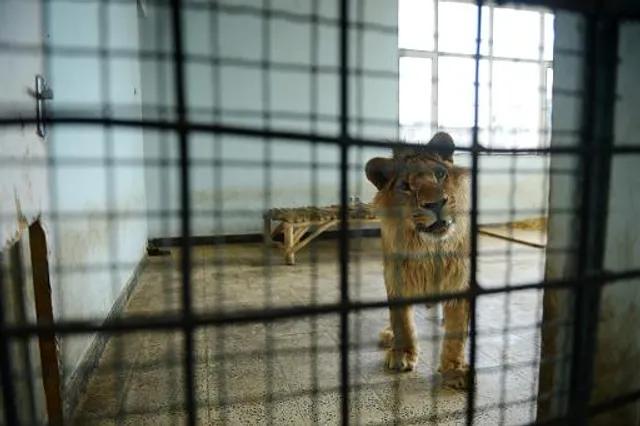
 Learn more insights from Wanderboat AI.