HTML SitemapExplore
logo
Find Things to DoFind The Best Restaurants

Babur Garden — Attraction in 7th District

Name
Babur Garden
Description
Bagh-e Babur, also known as Gardens of Babur, is a historic site in Kabul, Afghanistan. It is located in the Sher Darwaza hillside of District 5, southwest of Shahr-e Naw, or a short distance south of Kabul Zoo and north of Chihil Sutun.
Nearby attractions
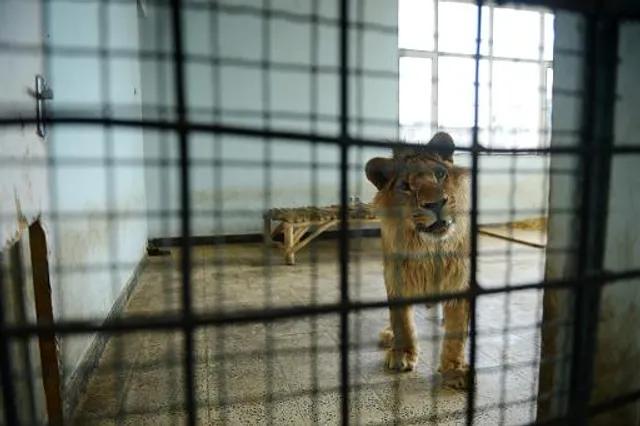
Kabul Zoo
G553+VWJ, Asmayi Rd, Kabul, Afghanistan
Nearby restaurants
Turkman Restaurant
G44X+FVP, Kabul, Afghanistan
Nearby hotels
Related posts
Keywords
Babur Garden tourism.Babur Garden hotels.Babur Garden bed and breakfast. flights to Babur Garden.Babur Garden attractions.Babur Garden restaurants.Babur Garden travel.Babur Garden travel guide.Babur Garden travel blog.Babur Garden pictures.Babur Garden photos.Babur Garden travel tips.Babur Garden maps.Babur Garden things to do.
Babur Garden things to do, attractions, restaurants, events info and trip planning
Babur Garden
AfghanistanKabul Province7th DistrictBabur Garden

Basic Info

Babur Garden

69 Block 157-158 Walkway, Kabul, Afghanistan
4.4(675)
Open 24 hours
Save
spot

Ratings & Description

Info

Bagh-e Babur, also known as Gardens of Babur, is a historic site in Kabul, Afghanistan. It is located in the Sher Darwaza hillside of District 5, southwest of Shahr-e Naw, or a short distance south of Kabul Zoo and north of Chihil Sutun.

Cultural
Outdoor
Scenic
Relaxation
Family friendly
Accessibility
attractions: Kabul Zoo, restaurants: Turkman Restaurant
logoLearn more insights from Wanderboat AI.
Phone
+93 20 210 3287

Plan your stay

hotel
Pet-friendly Hotels in 7th District
Find a cozy hotel nearby and make it a full experience.
hotel
Affordable Hotels in 7th District
Find a cozy hotel nearby and make it a full experience.
hotel
The Coolest Hotels You Haven't Heard Of (Yet)
Find a cozy hotel nearby and make it a full experience.
hotel
Trending Stays Worth the Hype in 7th District
Find a cozy hotel nearby and make it a full experience.

Reviews

Nearby attractions of Babur Garden

Kabul Zoo

Kabul Zoo

Kabul Zoo

4.0

(668)

Open until 4:30 PM
Click for details

Nearby restaurants of Babur Garden

Turkman Restaurant

Turkman Restaurant

Turkman Restaurant

4.5

(34)

Click for details
Get the Appoverlay
Get the AppOne tap to find yournext favorite spots!
Wanderboat LogoWanderboat

Your everyday Al companion for getaway ideas

CompanyAbout Us
InformationAI Trip PlannerSitemap
SocialXInstagramTiktokLinkedin
LegalTerms of ServicePrivacy Policy

Get the app

© 2025 Wanderboat. All rights reserved.
logo

Posts

João LeitãoJoão Leitão
I had the pleasure of visiting the historic Babur Gardens in Kabul and it was a truly fascinating experience. The gardens, also known as Bagh-e Babur, are located in the Sher Darwaza hillside of District 5, southwest of Shahr-e Naw. The site is home to several terraced buildings, a small mosque, and ample walking space. Upon arrival, I was greeted by friendly security personnel who made me feel welcome and ensured a safe and enjoyable visit. The atmosphere of the gardens is peaceful and serene, offering a refreshing escape from the bustling city. The highlight of my visit was exploring the tomb of the first Mughal emperor, Babur, which is located within the gardens. It was a humbling experience to be in the presence of such historical significance. The gardens themselves have a rich history, believed to have been developed around 1504 by Babur himself. Over the centuries, the site has been redeveloped by various Afghan rulers, adding to its cultural and architectural significance. As I strolled through the gardens, I couldn't help but marvel at the beautiful terraces and the lush greenery that surrounds them. The attention to detail in the design and layout is truly remarkable. It was evident that the gardens were created not only for aesthetic purposes but also as a place of recreation and solace. Babur Gardens attract a large number of visitors, both locals and foreigners, with up to one million people exploring its beauty each year. It's easy to see why it remains a popular destination. The gardens offer a tranquil retreat where one can appreciate the historical heritage and natural beauty of Kabul. During my visit, I discovered the significance of the site to Babur's successors. Even Emperor Jahangir made a pilgrimage to the gardens in 1607, leaving his mark by ordering the construction of walls around all the gardens in Kabul. A marble screen was later erected around Babur's tomb by the Mughal Emperor Shah Jahan, further enhancing the beauty and reverence of the site. I highly recommend a visit to Babur Gardens for anyone interested in history, culture, and serene natural surroundings. It's a place where the past comes alive, offering a glimpse into the rich legacy of the Mughal empire and the beauty of Afghan architecture. If you have the opportunity to explore Babur Gardens, don't miss the chance to immerse yourself in this enchanting oasis. The well-maintained gardens, friendly atmosphere, and awe-inspiring historical significance make it a must-visit destination in Kabul.
mustafa wardakmustafa wardak
Babur Garden in Kabul, Afghanistan, is an enchanting sanctuary that seamlessly blends history, art, and natural beauty. Stepping into this historic haven, I was captivated by the meticulously manicured landscapes, adorned with colorful flowers and ancient trees. The garden, commissioned by Emperor Babur in the early 16th century, offers a glimpse into the Mughal era's architectural grandeur. The terraced layout, flowing water channels, and symmetrical design create a harmonious atmosphere for contemplation and leisure. The preserved structures within, such as Babur's tomb and the mosque, resonate with the echoes of bygone centuries. The elevated vantage points provide breathtaking views of Kabul's cityscape, enhancing the overall sensory experience. Babur Garden is not just a horticultural marvel; it's a living museum that transports visitors through time. The garden's restoration efforts have ensured its continued splendor, inviting both locals and tourists to appreciate its cultural significance. The juxtaposition of vibrant flowers against the ancient stone structures makes every corner a photographic delight. Whether seeking a peaceful retreat or a historical exploration, Babur Garden in Kabul is a testament to the enduring allure of nature and architectural legacy in the heart of Afghanistan's capital.
Rohullah NedaRohullah Neda
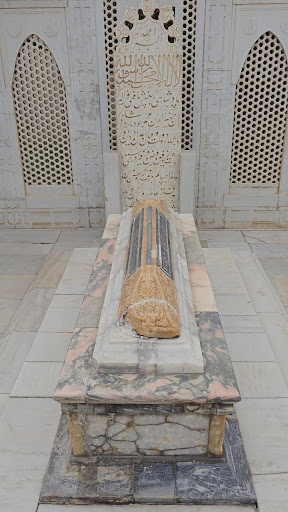
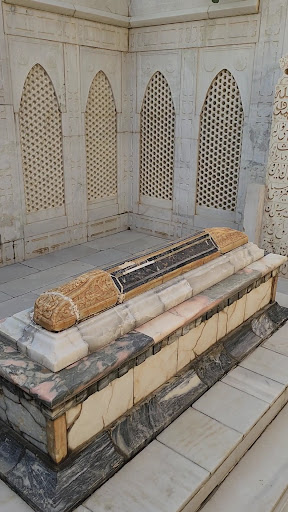
Babur, is a historic park in Kabul, Afghanistan, and also the last resting-place of the first Mughal emperor Babur. The garden are thought to have been developed around 1528 AD (935 AH) when Babur gave orders for the construction of an ‘avenue garden’ in Kabul, described in some detail in his memoirs, the Baburnama. It was the tradition of Moghul princes to develop sites for recreation and pleasure during their lifetime, and choose one of these as a last resting-place. The site continued to be of significance to Babur’s successors, Jehangir and his step-mother, Empress Ruqaiya Sultan Begum (Babur's granddaughter) made a pilgrimage to the site in 1607 AD (1016 AH) when he ordered that all gardens in Kabul be surrounded by walls, that a prayer platform be laid in front of Babur’s grave, and an inscribed headstone placed at its head. During the visit of the Mughal Emperor Shah Jahan in 1638 (1047 AH) a marble screen was erected around tomb of his foster-mother, Ruqaiya Sultan Begum,[2] and a mosque built on the terrace below. There are accounts from the time of the visit to the site of Shah Jahan in 1638 (1047AH) of a stone water-channel that ran between an avenue of trees from the terrace below the mosque, with pools at certain intervals.
See more posts
See more posts
hotel
Find your stay

Pet-friendly Hotels in 7th District

Find a cozy hotel nearby and make it a full experience.

I had the pleasure of visiting the historic Babur Gardens in Kabul and it was a truly fascinating experience. The gardens, also known as Bagh-e Babur, are located in the Sher Darwaza hillside of District 5, southwest of Shahr-e Naw. The site is home to several terraced buildings, a small mosque, and ample walking space. Upon arrival, I was greeted by friendly security personnel who made me feel welcome and ensured a safe and enjoyable visit. The atmosphere of the gardens is peaceful and serene, offering a refreshing escape from the bustling city. The highlight of my visit was exploring the tomb of the first Mughal emperor, Babur, which is located within the gardens. It was a humbling experience to be in the presence of such historical significance. The gardens themselves have a rich history, believed to have been developed around 1504 by Babur himself. Over the centuries, the site has been redeveloped by various Afghan rulers, adding to its cultural and architectural significance. As I strolled through the gardens, I couldn't help but marvel at the beautiful terraces and the lush greenery that surrounds them. The attention to detail in the design and layout is truly remarkable. It was evident that the gardens were created not only for aesthetic purposes but also as a place of recreation and solace. Babur Gardens attract a large number of visitors, both locals and foreigners, with up to one million people exploring its beauty each year. It's easy to see why it remains a popular destination. The gardens offer a tranquil retreat where one can appreciate the historical heritage and natural beauty of Kabul. During my visit, I discovered the significance of the site to Babur's successors. Even Emperor Jahangir made a pilgrimage to the gardens in 1607, leaving his mark by ordering the construction of walls around all the gardens in Kabul. A marble screen was later erected around Babur's tomb by the Mughal Emperor Shah Jahan, further enhancing the beauty and reverence of the site. I highly recommend a visit to Babur Gardens for anyone interested in history, culture, and serene natural surroundings. It's a place where the past comes alive, offering a glimpse into the rich legacy of the Mughal empire and the beauty of Afghan architecture. If you have the opportunity to explore Babur Gardens, don't miss the chance to immerse yourself in this enchanting oasis. The well-maintained gardens, friendly atmosphere, and awe-inspiring historical significance make it a must-visit destination in Kabul.
João Leitão

João Leitão

hotel
Find your stay

Affordable Hotels in 7th District

Find a cozy hotel nearby and make it a full experience.

Get the Appoverlay
Get the AppOne tap to find yournext favorite spots!
Babur Garden in Kabul, Afghanistan, is an enchanting sanctuary that seamlessly blends history, art, and natural beauty. Stepping into this historic haven, I was captivated by the meticulously manicured landscapes, adorned with colorful flowers and ancient trees. The garden, commissioned by Emperor Babur in the early 16th century, offers a glimpse into the Mughal era's architectural grandeur. The terraced layout, flowing water channels, and symmetrical design create a harmonious atmosphere for contemplation and leisure. The preserved structures within, such as Babur's tomb and the mosque, resonate with the echoes of bygone centuries. The elevated vantage points provide breathtaking views of Kabul's cityscape, enhancing the overall sensory experience. Babur Garden is not just a horticultural marvel; it's a living museum that transports visitors through time. The garden's restoration efforts have ensured its continued splendor, inviting both locals and tourists to appreciate its cultural significance. The juxtaposition of vibrant flowers against the ancient stone structures makes every corner a photographic delight. Whether seeking a peaceful retreat or a historical exploration, Babur Garden in Kabul is a testament to the enduring allure of nature and architectural legacy in the heart of Afghanistan's capital.
mustafa wardak

mustafa wardak

hotel
Find your stay

The Coolest Hotels You Haven't Heard Of (Yet)

Find a cozy hotel nearby and make it a full experience.

hotel
Find your stay

Trending Stays Worth the Hype in 7th District

Find a cozy hotel nearby and make it a full experience.

Babur, is a historic park in Kabul, Afghanistan, and also the last resting-place of the first Mughal emperor Babur. The garden are thought to have been developed around 1528 AD (935 AH) when Babur gave orders for the construction of an ‘avenue garden’ in Kabul, described in some detail in his memoirs, the Baburnama. It was the tradition of Moghul princes to develop sites for recreation and pleasure during their lifetime, and choose one of these as a last resting-place. The site continued to be of significance to Babur’s successors, Jehangir and his step-mother, Empress Ruqaiya Sultan Begum (Babur's granddaughter) made a pilgrimage to the site in 1607 AD (1016 AH) when he ordered that all gardens in Kabul be surrounded by walls, that a prayer platform be laid in front of Babur’s grave, and an inscribed headstone placed at its head. During the visit of the Mughal Emperor Shah Jahan in 1638 (1047 AH) a marble screen was erected around tomb of his foster-mother, Ruqaiya Sultan Begum,[2] and a mosque built on the terrace below. There are accounts from the time of the visit to the site of Shah Jahan in 1638 (1047AH) of a stone water-channel that ran between an avenue of trees from the terrace below the mosque, with pools at certain intervals.
Rohullah Neda

Rohullah Neda

See more posts
See more posts

Reviews of Babur Garden

4.4
(675)
avatar
5.0
2y

I had the pleasure of visiting the historic Babur Gardens in Kabul and it was a truly fascinating experience. The gardens, also known as Bagh-e Babur, are located in the Sher Darwaza hillside of District 5, southwest of Shahr-e Naw. The site is home to several terraced buildings, a small mosque, and ample walking space.

Upon arrival, I was greeted by friendly security personnel who made me feel welcome and ensured a safe and enjoyable visit. The atmosphere of the gardens is peaceful and serene, offering a refreshing escape from the bustling city.

The highlight of my visit was exploring the tomb of the first Mughal emperor, Babur, which is located within the gardens. It was a humbling experience to be in the presence of such historical significance. The gardens themselves have a rich history, believed to have been developed around 1504 by Babur himself. Over the centuries, the site has been redeveloped by various Afghan rulers, adding to its cultural and architectural significance.

As I strolled through the gardens, I couldn't help but marvel at the beautiful terraces and the lush greenery that surrounds them. The attention to detail in the design and layout is truly remarkable. It was evident that the gardens were created not only for aesthetic purposes but also as a place of recreation and solace.

Babur Gardens attract a large number of visitors, both locals and foreigners, with up to one million people exploring its beauty each year. It's easy to see why it remains a popular destination. The gardens offer a tranquil retreat where one can appreciate the historical heritage and natural beauty of Kabul.

During my visit, I discovered the significance of the site to Babur's successors. Even Emperor Jahangir made a pilgrimage to the gardens in 1607, leaving his mark by ordering the construction of walls around all the gardens in Kabul. A marble screen was later erected around Babur's tomb by the Mughal Emperor Shah Jahan, further enhancing the beauty and reverence of the site.

I highly recommend a visit to Babur Gardens for anyone interested in history, culture, and serene natural surroundings. It's a place where the past comes alive, offering a glimpse into the rich legacy of the Mughal empire and the beauty of Afghan architecture.

If you have the opportunity to explore Babur Gardens, don't miss the chance to immerse yourself in this enchanting oasis. The well-maintained gardens, friendly atmosphere, and awe-inspiring historical significance make it a must-visit...

   Read more
avatar
5.0
2y

Babur Garden in Kabul, Afghanistan, is an enchanting sanctuary that seamlessly blends history, art, and natural beauty. Stepping into this historic haven, I was captivated by the meticulously manicured landscapes, adorned with colorful flowers and ancient trees. The garden, commissioned by Emperor Babur in the early 16th century, offers a glimpse into the Mughal era's architectural grandeur. The terraced layout, flowing water channels, and symmetrical design create a harmonious atmosphere for contemplation and leisure.

The preserved structures within, such as Babur's tomb and the mosque, resonate with the echoes of bygone centuries. The elevated vantage points provide breathtaking views of Kabul's cityscape, enhancing the overall sensory experience. Babur Garden is not just a horticultural marvel; it's a living museum that transports visitors through time.

The garden's restoration efforts have ensured its continued splendor, inviting both locals and tourists to appreciate its cultural significance. The juxtaposition of vibrant flowers against the ancient stone structures makes every corner a photographic delight. Whether seeking a peaceful retreat or a historical exploration, Babur Garden in Kabul is a testament to the enduring allure of nature and architectural legacy in the heart of...

   Read more
avatar
5.0
6y

Babur, is a historic park in Kabul, Afghanistan, and also the last resting-place of the first Mughal emperor Babur. The garden are thought to have been developed around 1528 AD (935 AH) when Babur gave orders for the construction of an ‘avenue garden’ in Kabul, described in some detail in his memoirs, the Baburnama.

It was the tradition of Moghul princes to develop sites for recreation and pleasure during their lifetime, and choose one of these as a last resting-place. The site continued to be of significance to Babur’s successors, Jehangir and his step-mother, Empress Ruqaiya Sultan Begum (Babur's granddaughter) made a pilgrimage to the site in 1607 AD (1016 AH) when he ordered that all gardens in Kabul be surrounded by walls, that a prayer platform be laid in front of Babur’s grave, and an inscribed headstone placed at its head. During the visit of the Mughal Emperor Shah Jahan in 1638 (1047 AH) a marble screen was erected around tomb of his foster-mother, Ruqaiya Sultan Begum,[2] and a mosque built on the terrace below. There are accounts from the time of the visit to the site of Shah Jahan in 1638 (1047AH) of a stone water-channel that ran between an avenue of trees from the terrace below the mosque, with pools at...

   Read more
Page 1 of 7
Previous
Next