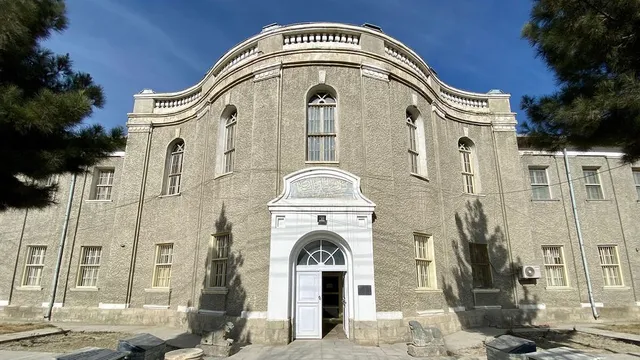
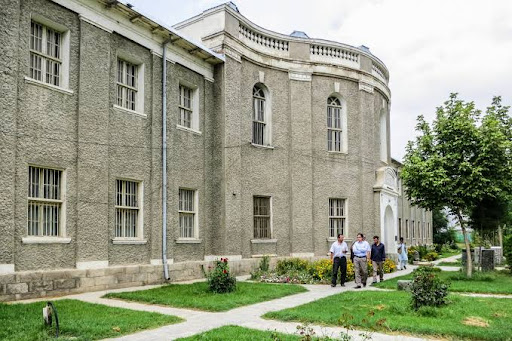
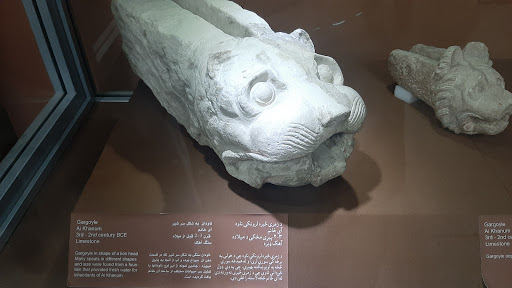
The National Museum of Afghanistan (موزیم ملی افغانستان), located in Kabul, is a treasure trove of Afghanistan's rich cultural and historical heritage. Established in 1919, the museum has endured decades of challenges, including war and looting, yet it remains a symbol of the resilience and pride of the Afghan people.
The museum houses a vast collection of artifacts that span over millennia, offering a glimpse into the region's diverse civilizations, including Greco-Bactrian, Kushan, Buddhist, Islamic, and Zoroastrian influences. Among its most renowned collections is the Bactrian Gold, a set of over 20,000 ancient artifacts discovered at Tillya Tepe, which includes intricate jewelry, coins, and ornaments. These items showcase the exquisite craftsmanship and cross-cultural exchanges of ancient Afghanistan.
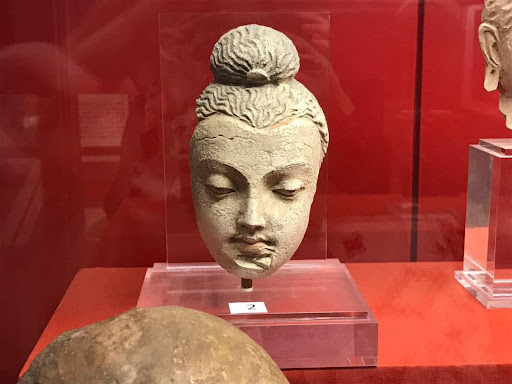
The museum's architecture is modest yet functional, with exhibitions arranged in chronological and thematic sections. Visitors can explore displays of ancient pottery, coins, manuscripts, sculptures, and weapons. A highlight is the Buddhist relics, including statues and stupas from the Bamiyan Valley, reflecting Afghanistan's role as a hub on the Silk Road.
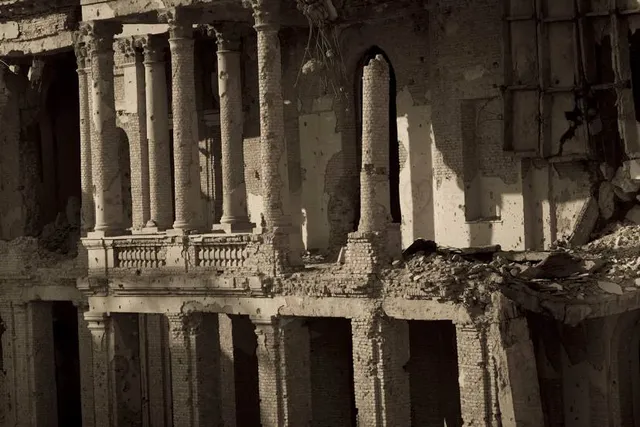
Despite its remarkable collection, the museum has faced significant challenges. During the civil war in the 1990s, the building was heavily damaged, and numerous artifacts were looted or destroyed. However, extensive international support and the dedication of Afghan curators have led to the recovery and restoration of many stolen items. The museum reopened with improved facilities, emphasizing the preservation and documentation of Afghanistan's heritage.
The National Museum of Afghanistan is not just a repository of artifacts but a testament to the country's rich history and enduring spirit. It plays a crucial role in educating both Afghans and international visitors about the region's historical significance. Guided tours and interactive displays make the museum accessible to all ages, fostering a deeper appreciation for the country's cultural legacy.
In conclusion, the National Museum of Afghanistan is a must-visit for anyone interested in history, archaeology, and art. Its collection narrates the story of a nation that has been a crossroads of civilizations. While challenges remain, the museum symbolizes hope and resilience, offering a profound reminder of Afghanistan’s rich contributions to...
Read moremuseums in the world. Its exhibits, ranging from Hellenistic gold coins to Buddhist statuary and Islamic bronzes, testified to Afghanistan’s location at the crossroads of Asia. After years of abuse during the civil war, help from the international community and the peerless dedication of its staff means the museum is slowly rising from the ashes. The museum opened in 1919, and was almost entirely stocked with items excavated in Afghanistan. As the fall of communist Kabul became apparent with the Soviet withdrawal, many of the most valuable pieces were moved into secure storage, but the majority of exhibits remained in situ. Unfortunately the museum quickly found itself on the frontline of the mujaheddin’s terrible fight for Kabul. Between 1992 and ’94 the museum was used as a mujaheddin base. During this period the museum was massively looted – not just ransacked – but with care taken to select the most valuable pieces for resale on the illicit antique market (the museum’s library and inventory was also lost at this time, to hamper efforts to trace the provenance of stolen goods). Among the priceless treasures lost include many of the Bagram Ivories, the Kunduz Hoard of Graeco-Bactrian coins and unique Gandharan statues of Buddha. During this looting, the museum was further damaged by a rocket attack that destroyed its upper floor. When the Rabbani government regained control of the area, soldiers posted to guard the site continued ad hoc looting of their own. On capturing Kabul in 1996 the Taliban vowed to protect what remained, but it was a...
Read moreThe National Museum of Afghanistan is a true cultural treasure and a must-visit destination for anyone interested in history, archaeology, and Afghan heritage. Located on Darulaman Road in Kabul, the museum houses a remarkably rich and diverse collection that spans thousands of years—from ancient Buddhist relics to Islamic-era artifacts and traditional Afghan cultural items.
Exhibition & Organization: The displays are thoughtfully curated and professionally arranged. Each section is clearly categorized by historical period or theme, making it easy to navigate and understand the story of Afghanistan’s past. Most exhibits include multilingual labels in Pashto, Dari, and English, which adds great value for both local and international visitors.
Staff & Environment: The museum staff are polite, knowledgeable, and always willing to assist. The environment is quiet, clean, and secure, offering a peaceful atmosphere for both learning and reflection.
Cultural Value: This museum is not only a place for education but also a powerful symbol of Afghanistan’s identity and resilience. It reflects the deep roots of Afghan civilization and its connections to broader regional history.
Highly Recommended: Whether you’re a local resident, an Afghan returning from abroad, or a foreign traveler, the National Museum of Afghanistan should be at the top of your cultural visit list. It is a place where history lives on, and where visitors can gain a deeper understanding of the richness and diversity of...
Read more