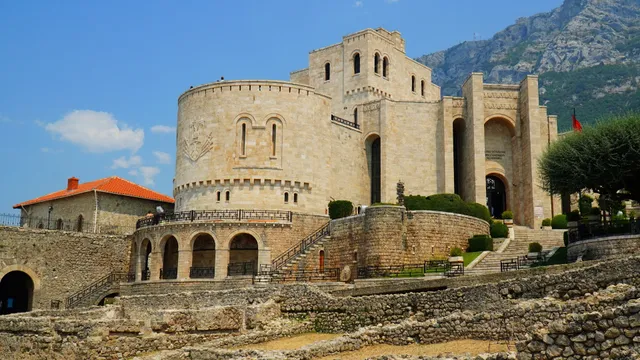
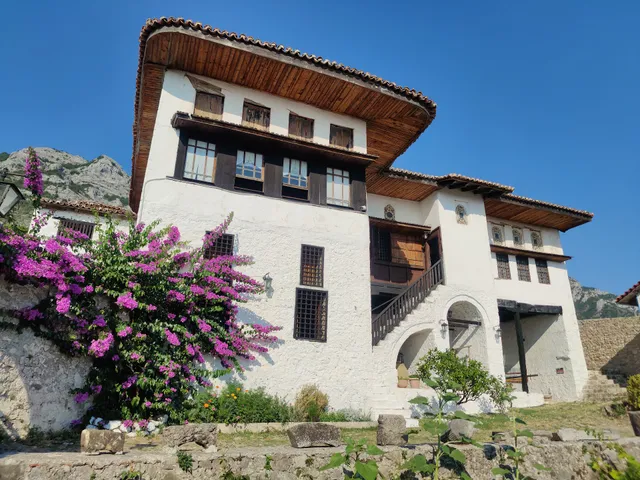
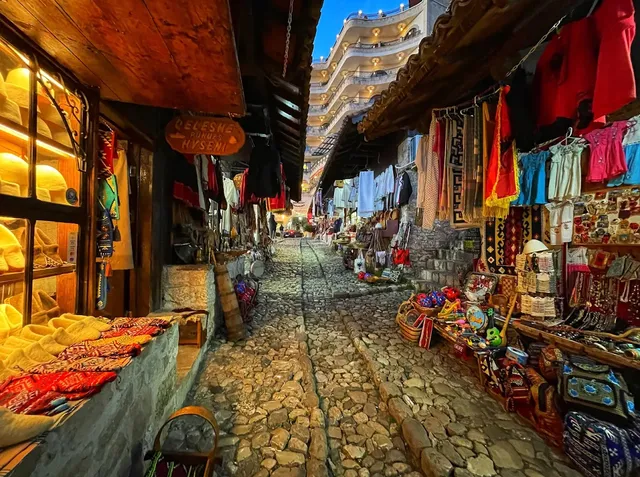
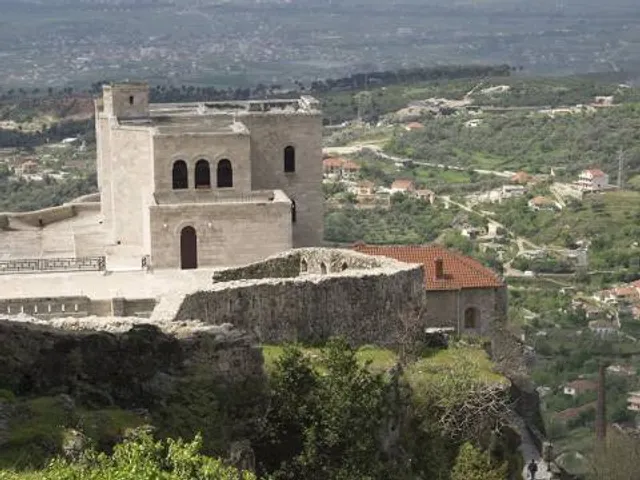
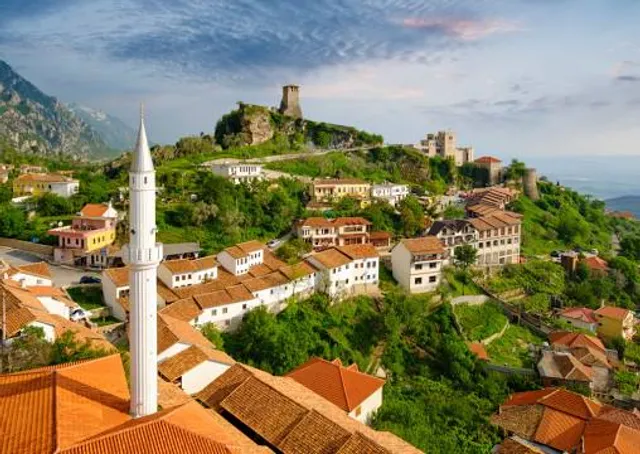
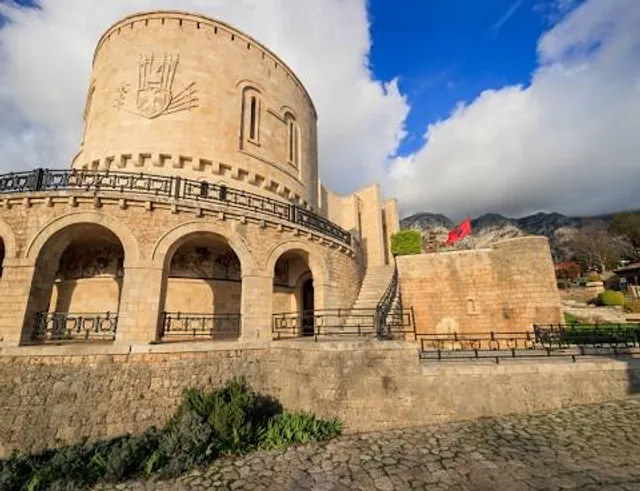
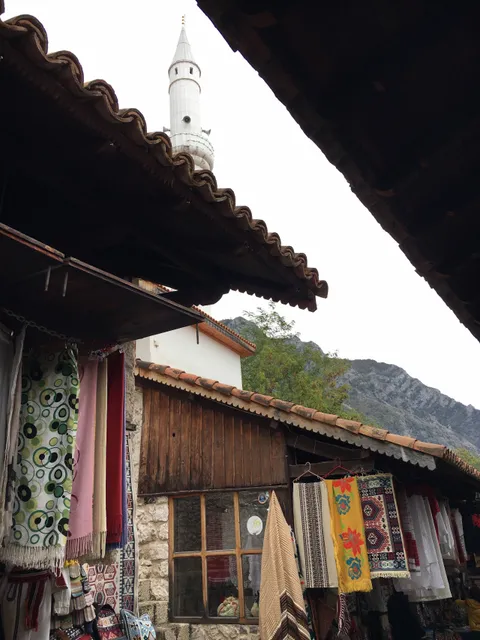
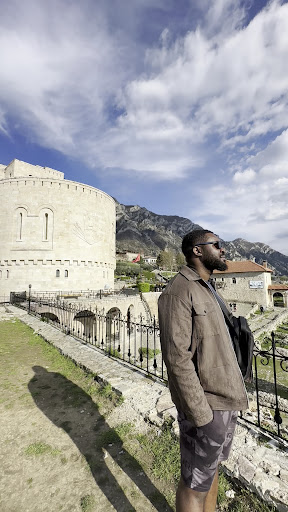
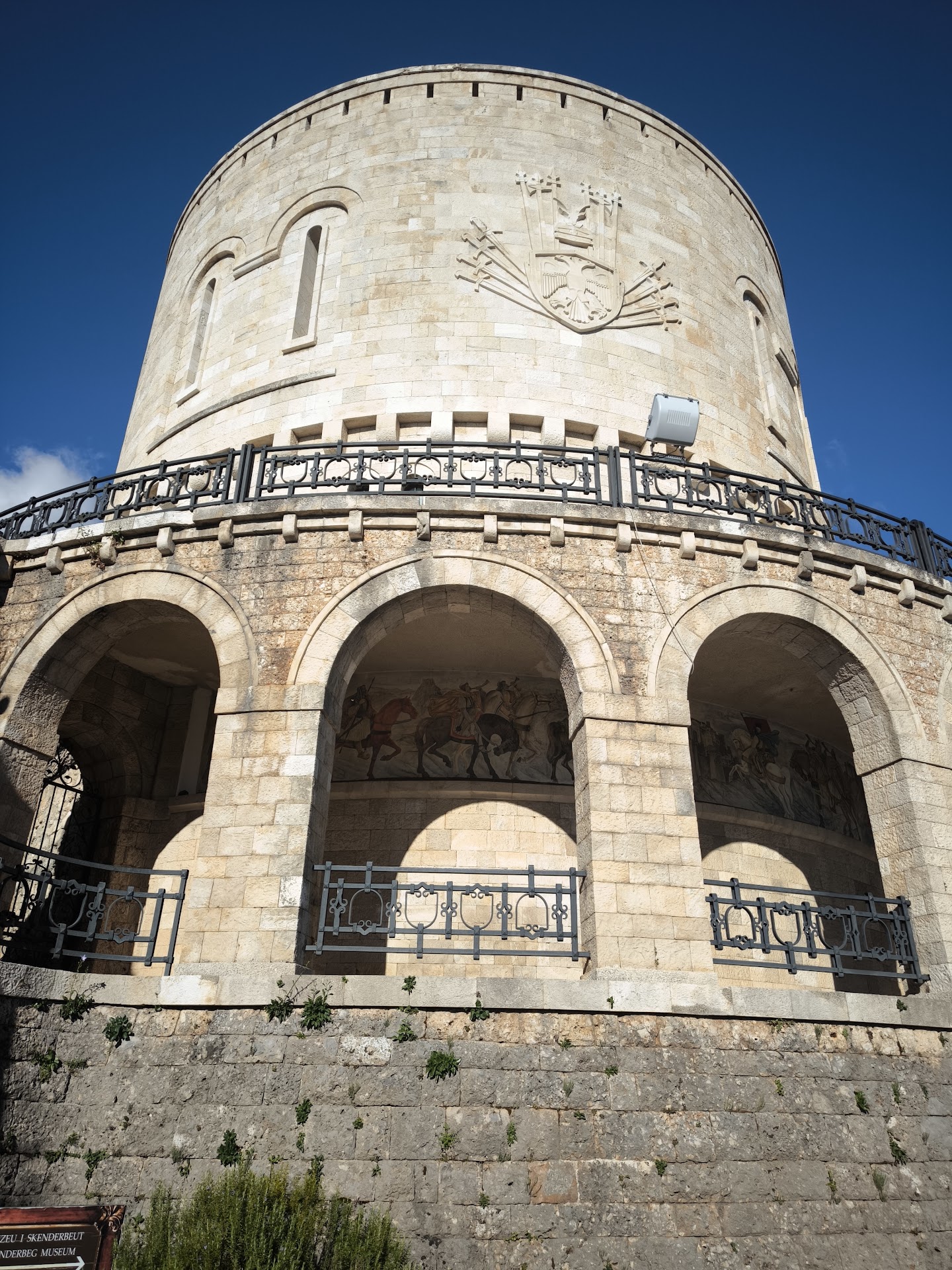
The Krujë Castle in Albania is a historically significant landmark, offering a deep dive into the country’s medieval past. Here are some of the most interesting facts about the castle: Strategic Location: The castle is perched on a hilltop, providing a commanding view of the surrounding plains and the Adriatic Sea. This strategic location made it an ideal military fortification, offering natural defenses against invaders. Home of Skanderbeg: The castle is closely tied to Albania’s national hero, Gjergj Kastrioti (Skanderbeg), who led a fierce resistance against the Ottoman Empire in the 15th century. Krujë Castle served as his stronghold, and it was from here that he orchestrated his military campaigns. Resistance Against the Ottomans: Krujë Castle is most famous for being the center of Albanian resistance against the Ottomans. Skanderbeg successfully defended the castle from Ottoman attacks for over two decades, from 1443 to 1468. This resistance was crucial in delaying Ottoman expansion into the region. Skanderbeg Museum: Inside the castle, the Skanderbeg Museum is dedicated to the life and legacy of the Albanian national hero. It houses a collection of artifacts, weapons, and artwork from the medieval period, shedding light on Skanderbeg’s life, his military achievements, and his fight for Albanian independence. The Tower and Walls: The castle is known for its impressive medieval walls, towers, and gates. The main tower, the Clock Tower, is particularly notable. Visitors can climb it for panoramic views of the surrounding area. The fortifications, built using local stone, are remarkably well-preserved. Historical Architecture: The castle’s structure includes both Byzantine and Ottoman architectural influences, reflecting the various periods of occupation and use. The Byzantine-style walls are reinforced with later Ottoman additions, showcasing the evolution of military architecture over time. The Bazaar and Castle Complex: The castle is adjacent to the Old Bazaar, and together they form a historical and cultural hub in Krujë. The marketplace below once supported the castle’s garrison, providing supplies and reinforcing its role in the region. The Ethnographic Museum: Located just outside the castle, the Ethnographic Museum is housed in a traditional Albanian house, offering visitors insights into the local lifestyle, customs, and traditions throughout history. It provides context to the daily life of the people who lived in and around the castle. Roman and Illyrian Influence: The castle’s history predates the Ottoman era. Its foundations date back to the Roman and Illyrian periods, showing the deep historical roots of the site. It was initially a Roman fortress and was later expanded by the Illyrians before becoming a key stronghold in medieval Albania. A Symbol of National Identity: Krujë Castle is a symbol of Albanian resilience and independence. The successful defense of the castle is still celebrated in Albania as a moment of national pride, representing the enduring spirit of resistance against foreign rule.
Krujë Castle stands today as both a historic monument and a symbol of Albania’s struggle for freedom, making it a must-visit for anyone interested in the country’s rich heritage.
Parking is very difficult around the castle .If you are planning to stay overnight in Kruja,then it is better to find the place with a safe private parking.It is the best solution. The entrance to the castle territory itself is free but if you want to visit museums ,you will be charged an entrance fee. It is definitely a...
Read moreExploring Kruja Castle: A Hidden Gem with Enchanting Views
Nestled atop the picturesque hills of Albania, Kruja Castle stands as a testament to the rich history and cultural heritage of the region. Visiting this magnificent fortress is not just a journey through time, but an immersive experience that offers breathtaking views, intriguing historical sites, and a sense of wonder at every turn.
Scenic Beauty: One of the most captivating aspects of Kruja Castle is undoubtedly its stunning panoramic views of the surrounding city and landscape. As you ascend through the winding paths and ancient walls of the castle, you'll be treated to a mesmerizing vista that stretches as far as the eye can see. The juxtaposition of the rugged mountains against the quaint rooftops of the city below creates a scene straight out of a postcard, making it a photographer's paradise and a haven for nature enthusiasts alike.
Historical Marvels: Stepping into the castle grounds feels like stepping back in time, with each cobblestone pathway and weathered stone telling a story of centuries past. One of the most fascinating features of Kruja Castle is the presence of outlets of spring water that still flow to this day, a testament to the castle's strategic positioning and its importance as a stronghold in ancient times. These natural springs not only add to the castle's charm but also serve as a reminder of the resilience of the structures built by our ancestors.
Hidden Treasures: Exploring Kruja Castle is akin to embarking on a treasure hunt, with each corner revealing a new surprise waiting to be discovered. Among the must-see attractions are the ancient wells, whose depths hold secrets and mysteries of bygone eras. These wells not only provided a vital source of water for the inhabitants of the castle but also served as strategic points of defense during times of siege. Another highlight is the secret entrance, shrouded in intrigue and mystery, offering visitors a glimpse into the castle's storied past and the ingenuity of its builders.
Conclusion: In conclusion, a visit to Kruja Castle is an absolute must for anyone seeking to immerse themselves in the history, culture, and natural beauty of Albania. With its enchanting views, fascinating historical sites, and hidden treasures waiting to be uncovered, this ancient fortress promises an unforgettable experience that will leave a lasting impression on all who venture within its walls. Whether you're a history buff, a nature lover, or simply in search of adventure, Kruja Castle offers something truly special for...
Read moreThe Castle of Kruja is a symbol of Albania's national pride and resistance, deeply tied to the legacy of Gjergj Kastrioti Skanderbeg, the country's most celebrated hero. Perched on a hill overlooking the city of Krujë, this fortress served as the headquarters for Skanderbeg’s rebellion against the Ottoman Empire in the 15th century. Skanderbeg, initially trained under Ottoman rule, defected in 1443 and united Albanian princes through the League of Lezhë to resist Ottoman invasions for over 25 years. His leadership not only preserved Albania’s independence during his lifetime but also delayed Ottoman expansion into Europe.
Skanderbeg’s contributions extended beyond Albania, making him a significant figure in European history. He was recognized as a defender of Christianity and an ally to Western powers, earning titles such as "Athlete of Christ" from Pope Pius II. His military campaigns supported European rulers like King Ferdinand I of Naples, where he fought in southern Italy to aid in consolidating power against rival factions. Skanderbeg’s efforts helped protect Europe’s southern flank from Ottoman advances, reinforcing his role as a unifying figure for Western civilization.
Today, Kruja Castle houses the Skanderbeg Museum, which commemorates his life and achievements through artifacts, documents, and replicas of his iconic helmet and sword. Visitors can also explore the Ethnographic Museum within the castle grounds, offering insights into traditional Albanian life. The castle's panoramic views and proximity to the Grand Bazaar make it a must-visit site.
For those unfamiliar with Albanian history, Kruja Castle is more than a historical monument—it is a testament to Albania’s resilience and its hero’s enduring impact on both national identity and...
Read more