Whatever you do, and no matter how many days you stay in Kakadu National Park, get ready to be amazed! It's definitely one of the most beautiful national parks I have visited in my life. It's not only the biggest territorial park in the country, but it's also listed for both cultural and natural values at the UNESCO, for more than valid reasons! There are so many different kinds of landscapes you can see here, with peaceful wildlife (birds, mammals, reptiles, everything!). It's tough to stop taking photos to just peaceful enjoy the privilege of being there! First nations individuals and Australian governments are actively collaborating together in a Board to protect the park in the best way possible, using traditional and modern methods. The best part for history and culture enthusiasts like me is that we can visit some of the first nations' caves to see fascinating rock art paintings and old ceremony sites. We can not access so much as some sites are still being used, but that's enough to give insights and teach us a lot. For this part, it is definitely better to get a local guide to have the best explanations possible. To be fair, I visited Nourlangie (actually Burrunggui is the right name) with a mixed Caucasian/first nations guide and with a 100% Caucasian guide, and the first one provided way more insight and stories than the second (first hand experience can never be replaced, no matter how many books someone may read). I highly recommend getting a proper local guide if you can choose.
In April, Ubirr site was sadly not accessible, but the yellow water were still high and covered by water lilies. We can't get everything I guess and that made me feel that this park deserves to be visited during different seasons (they count 6 seasons there, if I remember properly).
We visited 2 cultural centers that complete each other, but if you have time for one only then Warandjan cultural center is the best (more comprehensive and better maintained with a big shop) than the Bowali center.
In any case, don't forget to pay the fee before you enter the park and ENJOY this...
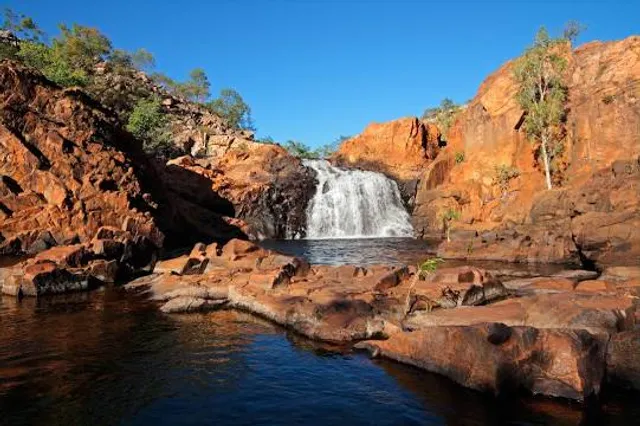
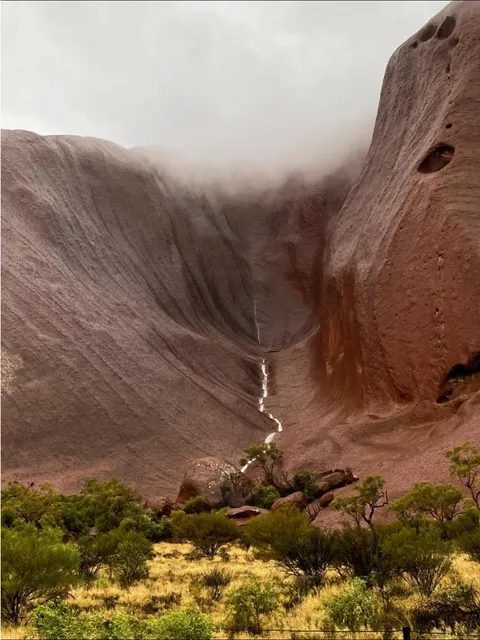
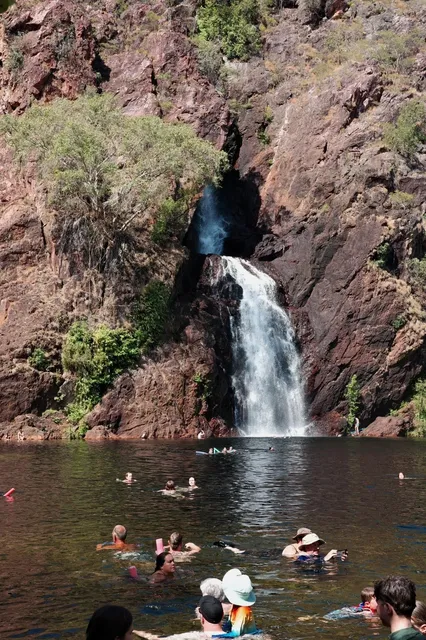
Read moreWorld Heritage-listed Kakadu National Park, in the Top End, is Australia's Largest National Park and one of the world's most spectacular wilderness areas. Covering more than 19,840 square kilometers, Kakadu is the largest national park in Australia and the second largest in the world. Within its borders lie monsoon rainforests, mangrove swamps, rivers, gorges, ancient rock paintings, wetlands, and waterfalls, as well as an astounding diversity of wildlife. On the north coast lies the tidal zone, with river estuaries, mangrove swamps, and tall monsoon rain forests. Inland are the flood plains through which rivers pursue a winding course to the sea. The escarpment of the Arnhem Land plateau runs diagonally through the park from southwest to northeast. After heavy rain, water pours over its bare rocks and down the escarpment in magnificent waterfalls- Jim Jim Falls and Twin Falls are two of the most famous. Farther inland lies the gently undulating upland country crossed by the main access roads and excellent hiking trails. The amazing variety of wildlife includes more than 70 different species of reptiles, the largest and most dangerous of which is the saltwater crocodile, as well as a vast array of fish, mammals, and birds. In addition to all these natural attractions, the park is home to many sacred aboriginal sites and rock paintings. You can explore the park by car, on foot, and on cruises through the waterways, but note that seasonal flooding may close some sections of the park-especially during the wet season. For comprehensive information on the natural history and culture of this unique area stop by the National Park's Visitors Center in Jabiru. The best time is in the dry season between June and August. During the wet season it's rain and it is too hot. 3 days will enough to explore whole area of park. It's open for...
Read moreConnect with the oldest living culture on earth. The rugged and remote beauty of Kakadu has stories to share that will take your breath away and touch your heart.
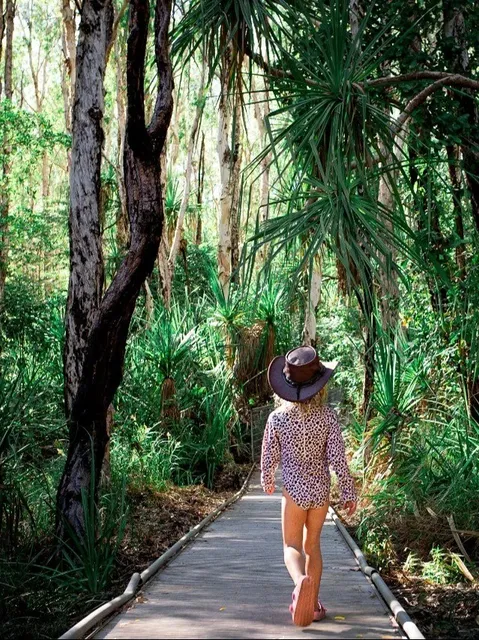
In Australia’s biggest national park you’ll find ancient landscapes with thundering waterfalls, lush rainforests, wandering wetlands, exotic wildlife and ancient rock art.
Covering nearly 20,000 square kilometres, Kakadu National Park is a World Heritage listing renowned for both its cultural and natural values.
See breathtaking horizons from the top of a Kakadu escarpment. Cruise on the stunning Yellow Water Billabong to spot crocodiles and wildlife in their natural habitat, including millions of migratory birds who in part call the park’s wetlands home.
Not only is Kakadu spectacular, but you can feel yourself come alive among the lush rainforests, rocky gorges, serene swimming pools and the oldest Aboriginal rock art in the world.
With more than 5,000 Aboriginal rock art sites in the park, the Bininj/Mungguy people have called Kakadu home for some 65,000 years. Here they’ll teach you about their ancient culture and the regions’ dramatic seasons.
Only three hours’ drive from Darwin, Kakadu National Park has been...
Read more