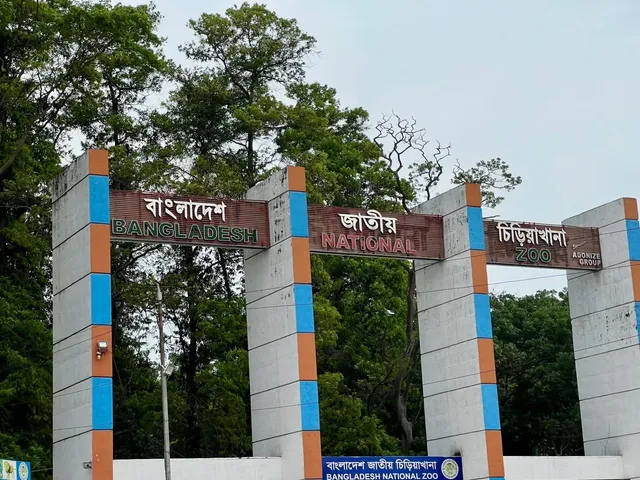
The Bangladesh National Zoo, located in Mirpur, Dhaka, is one of the most popular and frequented destinations for families, school trips, and tourists. Spanning across 186 acres, it offers visitors a chance to experience a wide variety of wildlife and serves as a hub for conservation, education, and recreation. Established in 1974, the zoo is managed by the Ministry of Fisheries and Livestock, and over the years, it has grown to house approximately 2,500 animals representing around 165 different species. The zoo’s collection includes lions, tigers, elephants, giraffes, zebras, and rhinoceroses, as well as a variety of birds, reptiles, and aquatic animals, making it a delightful experience for animal lovers of all ages.
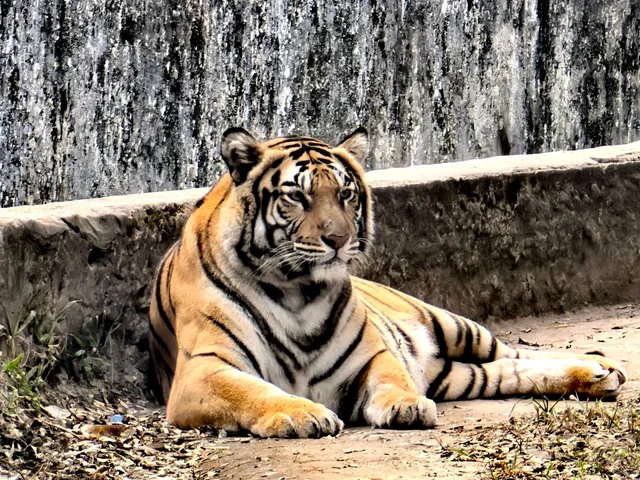
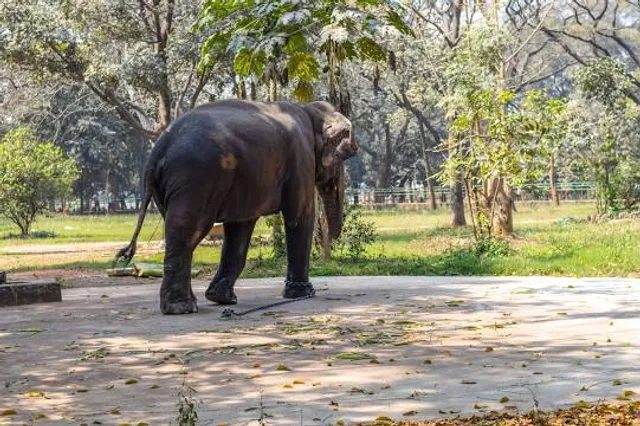
One of the highlights of the zoo is the Bengal Tiger exhibit, which pays homage to the national animal of Bangladesh. The enclosure allows visitors to observe these majestic animals in a setting that mimics their natural habitat, making it a memorable experience. The elephant enclosure is also quite popular, especially among children who are fascinated by these gentle giants. Additionally, the zoo has a well-maintained aviary section that showcases a variety of birds, including peacocks, parrots, and various waterfowl, providing an added attraction for bird enthusiasts.
The zoo also features a lake where visitors can enjoy paddle boating, adding a refreshing break to the visit. The lake attracts migratory birds during certain seasons, offering a unique opportunity for birdwatchers to observe different species in a serene setting. The zoo’s aquarium, another popular attraction, houses diverse species of fish and aquatic life, enhancing the educational experience.
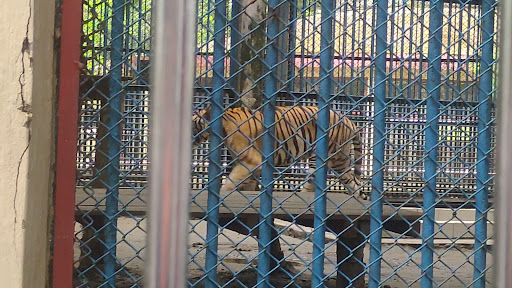
Despite its attractions, the Bangladesh National Zoo has faced criticism for the upkeep of its facilities and the living conditions of some animals. Many visitors and animal welfare advocates have raised concerns about the limited space in some enclosures, which could impact the animals' well-being. In some cases, the lack of enrichment activities for the animals and outdated infrastructure contribute to a less-than-ideal living environment for some species.
The zoo management has undertaken several initiatives to improve conditions and promote conservation, but challenges remain. Educating visitors about wildlife conservation and environmental sustainability is a core mission of the zoo, and various informational boards are placed around the premises. These boards aim to raise awareness among visitors about the importance of protecting endangered species and preserving natural habitats.
Another area where the zoo could improve is crowd management and cleanliness, as the large number of daily visitors, especially on weekends and holidays, often leads to congestion and littering. The zoo could benefit from increased investment in facilities, such as more seating areas, shaded spots, and restrooms, which would greatly enhance the visitor experience.
The staff at the Bangladesh National Zoo are generally friendly and are willing to assist visitors with directions and information. However, some visitors have suggested that additional training for the staff in animal handling and visitor engagement could further improve the quality of the experience.
Despite some areas in need of development, the Bangladesh National Zoo remains a beloved destination for families and students looking for an educational outing. The zoo’s emphasis on showcasing local species alongside international animals provides a valuable learning experience, especially for children. For those interested in wildlife and conservation, the zoo offers a glimpse into the biodiversity of Bangladesh and beyond.
Overall, the Bangladesh National Zoo offers a blend of entertainment and education, though it stands to benefit from more modernized facilities and animal welfare improvements. With continued attention to enhancing the quality of life for its inhabitants and providing a more interactive experience for visitors, the zoo has the potential to become an exemplary...
Read moreBangladesh National Zoo, commonly known as Mirpur Zoo, is the largest and most visited zoological park in the country. Located in the Mirpur area of Dhaka, this zoo covers an impressive 186 acres of land, offering visitors an opportunity to see a wide diversity of animals and enjoy a peaceful green environment in the middle of the bustling city.
🐅 Animal Collection & Attractions
The zoo is home to over 2,150 animals representing 191 species from Bangladesh and around the world.
Major attractions include:
Royal Bengal tigers
African lions
Giraffes
Rhinoceros
Elephants
Zebras
Various types of deer, monkeys, and bears
An extensive bird aviary with colorful parrots, peacocks, and ostriches
Reptile section featuring snakes and crocodiles
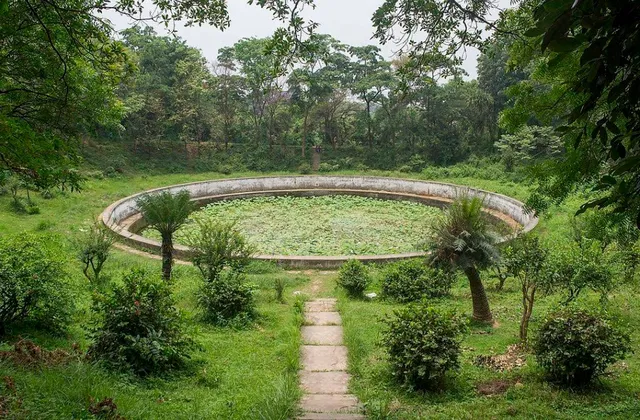
The zoo has two large lakes, which attract migratory birds during winter months.
🏫 Facilities & Environment
A dedicated Zoo Museum, where visitors can see preserved animal specimens and learn about Bangladesh’s wildlife history.
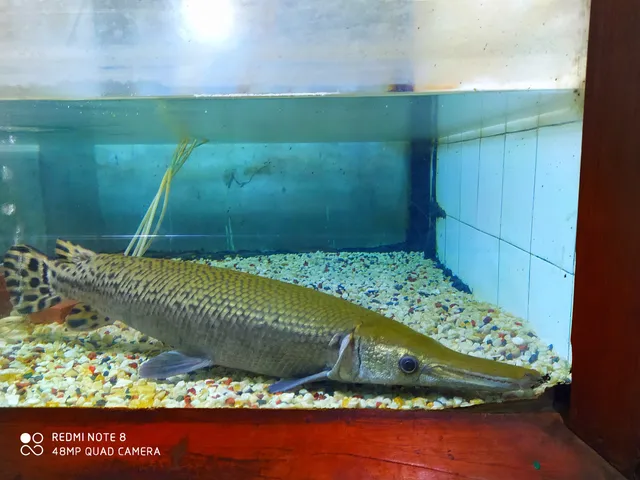
A small Aquarium with different freshwater and ornamental fish species.
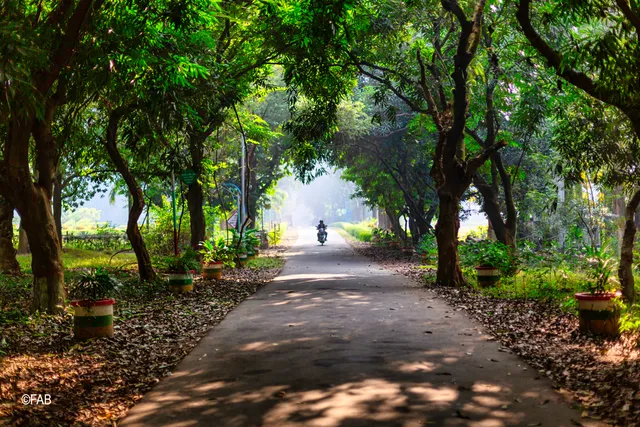
Wide, tree-lined walkways ideal for strolling and relaxing.
Children’s play areas and a few simple amusement rides.
Several shaded seating areas and benches throughout the zoo.
A number of small snack stalls and souvenir shops inside.
📍 Location & Accessibility
Situated in Mirpur Section 1, the zoo is easily accessible by bus, rickshaw, CNG auto-rickshaw, and even the Dhaka Metro Rail (nearest stations: Mirpur-10 and Mirpur-11).
It’s well-connected to other parts of Dhaka city, making it an easy day trip for families and students.
🕒 Opening Hours
Open every day except Sunday.
Winter Schedule: Morning until late afternoon.
Summer Schedule: Morning until early evening.
Public holidays often see high visitor turnout.
✨ Strengths ✅ Huge green campus with lots of open space ✅ Affordable destination for families and school groups ✅ Impressive range of animals and birds ✅ Suitable for educational trips and nature photography ✅ Good place for children to learn about wildlife
⚠️ Areas for Improvement
Some enclosures are outdated, cramped, and lack natural landscaping.
Cleanliness of paths and restrooms could be much better.
Food stalls often have hygiene issues, and prices can be high compared to quality.
Overcrowding is common during weekends and holidays, which can make the experience less enjoyable.
✅ Visitor Tips
Come early in the morning to avoid crowds and see animals when they are more active.
Bring your own drinking water and light snacks.
Wear comfortable shoes, as you may need to walk a lot.
Plan at least 2–3 hours to explore the zoo, aquarium, lakes, and play areas properly.
If visiting with children, supervise them closely, especially near the animal enclosures and ponds.
🌿 Overall Impression Mirpur Zoo is a classic family-friendly destination in Dhaka. It offers a refreshing escape into nature with a diverse collection of animals and spacious grounds. While the zoo would benefit from modernization, improved animal habitats, and better maintenance, it still provides an affordable and memorable experience for wildlife enthusiasts, students, and tourists.
📌 Recommended For: Families with kids, school groups, animal lovers, and anyone looking for a budget-friendly outing...
Read moreBangladesh National Zoo or Dhaka Zoo is located in Ramna Mirpur, the heart of Dhaka, the capital of Bangladesh. The objective of establishing the zoo was to promote animal diversity conservation, breeding, research, public entertainment and knowledge about wildlife. The zoo started in 1950 with a small number of wild animals in the premises of the Dhaka High Court. Later, the initiative was taken to set up the zoo in Mirpur in 1960. The National Zoo of Bangladesh was opened to the public on 23 June 1973. The zoo is an institution under the Ministry of Fisheries and Animal Resources of the Government of Bangladesh. Bengal Tiger is the main attraction of Dhaka Zoo. In addition to a variety of domestic and foreign animals, the zoo has hundreds of species of birds. There are semi-natural lakes, giant pelicans on the lake. Bengal tiger and lion can be seen next to him in natural environment. A variety of birds include flamingos, colorful pheasants, endangered kura, black vultures and conch chiles.
The monkey cage can be seen at the entrance. It is not possible to notice the time that passes by watching the monkeys, large and small. A huge aviary will be on the left hand side. Long-legged and curved-billed flamingos are found here. There are also birds like kanibak, pankauri and maschranga. The national animal of Bangladesh, the Royal Bengal Tiger (royal given to the British) will meet the Indian lion first. After the lion's cage, the tiger and the bear's cage. There are fast animals like Cheetah. This is about the middle of the zoo. In the north is the North Lake, next to it are the Sundarban tigers kept in natural habitat, next to the lions. There are water elephants in artificial water bodies.
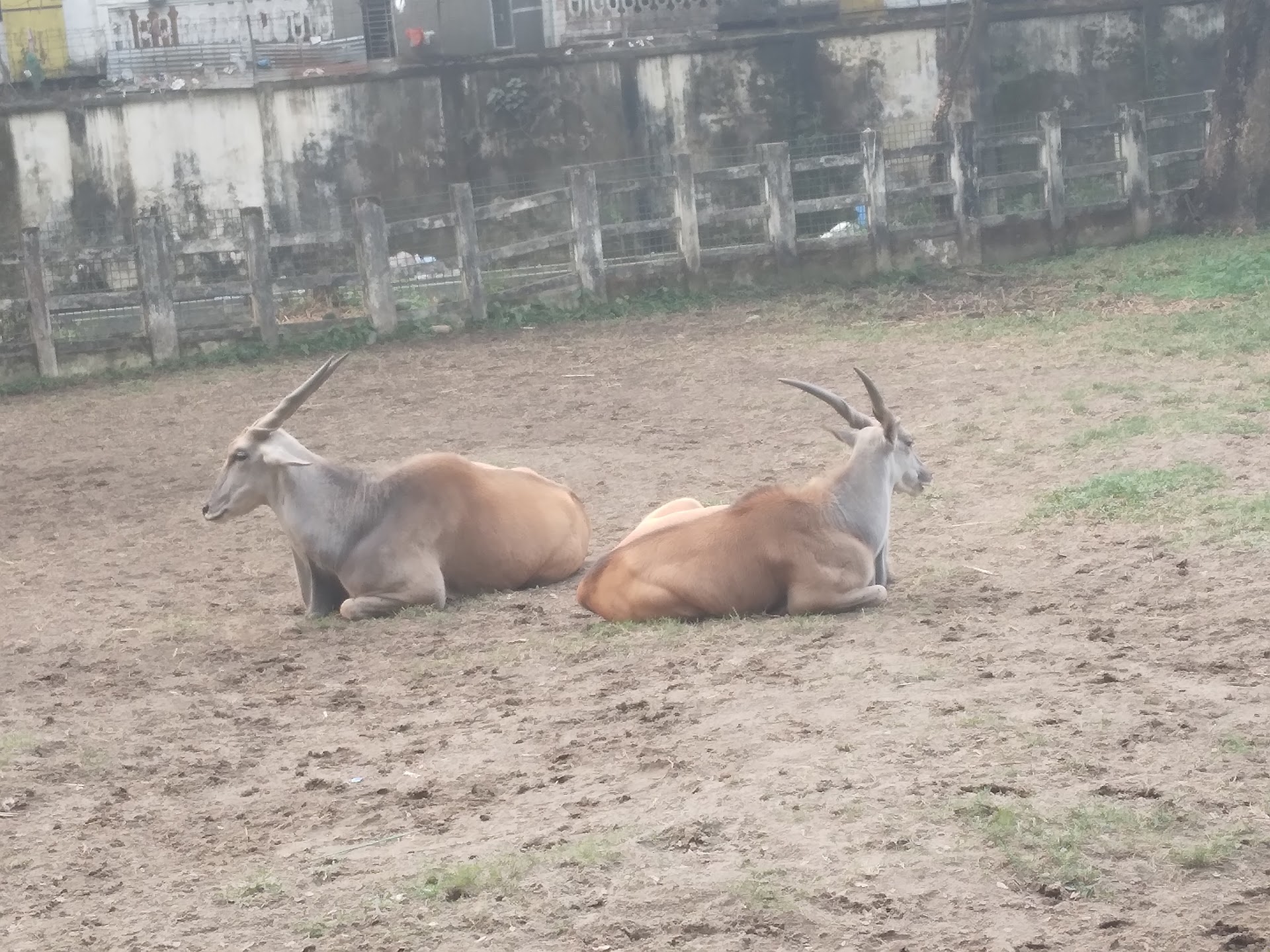
The long north-south area of the zoo houses the horse-shaped waterbuck, zebra and other animals. Nilgai is extinct from this country. Animal museum has 240 species of stuffed animals-birds. At the very south is the South Lake, with Acacia Island in the middle. Next door is a Kenyan one-horned rhinoceros. He lost his partner and now he is very lonely. The maddened wind of Acacia island does not waver in his mind at all. Chimpanzees can be found here. This chimpanzee is the center of attraction for women and children. Time is passed by jumping over the hard grill and picking head lice.
There are many ducks, love birds, Munia, ostriches, keswari etc. in the zoo. On the way out, Chitral deer can be seen in the natural environment of...
Read more