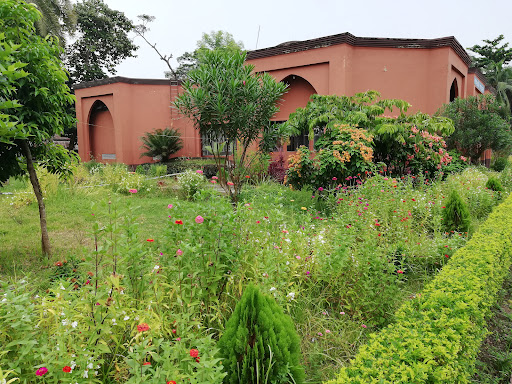
My birth place it.
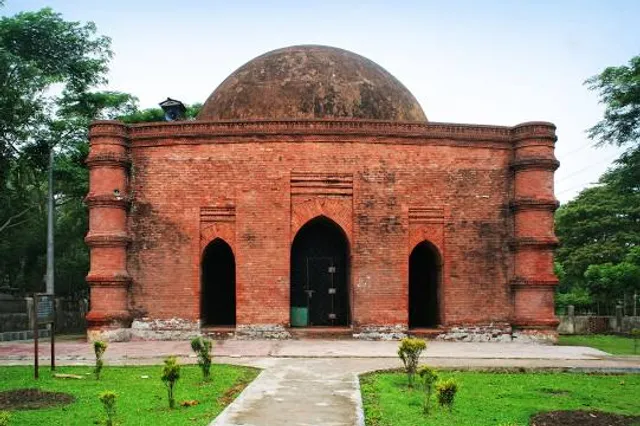
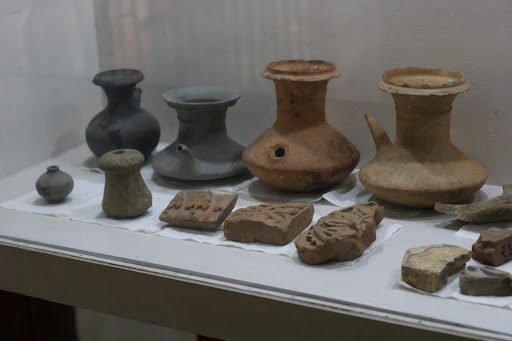
The Bagerhat Museum, located in the Bagerhat district of southwestern Bangladesh, is a repository of the region's rich Islamic heritage. Situated within the historic mosque city of Bagerhat, a UNESCO World Heritage site, the museum showcases artifacts and relics from the 15th century, when the city was founded by the revered Turkish general, Khan Jahan Ali. The museum's collection includes inscriptions, stone sculptures, terracotta plaques, and pottery, providing insight into the architectural and cultural achievements of the Bengal Sultanate period.One of the museum's highlights is its proximity to the Sixty Dome Mosque (Shat Gombuj Masjid), an architectural marvel renowned for its grandeur and intricate terracotta decorations. The museum offers visitors an opportunity to explore the history and significance of the structures built by Khan Jahan Ali and his followers.Bagerhat is approximately 300 kilometers southwest of Dhaka, the capital of Bangladesh. The journey by road takes around 6 to 8 hours, depending on traffic and road conditions. Alternatively, travelers can reach Khulna by train or air and then take a short road trip to Bagerhat, making the visit both accessible and enriching for those interested in Bangladesh's historical and cultural heritage.
In 2001, following a grant from UNESCO, the government constructed a museum in Bagerhat within the UNESCO World Heritage site of the "Shat Gombuj Mosque" complex. This museum now serves as a learning center to educate visitors about the ancient city of Khalifatabad, established by Khan Jahan Ali, known today as Bagerhat.The museum is a one-story building featuring two large galleries that showcase a variety of antiques. These antiques, discovered in Bagerhat, are divided into two categories: earthen materials and those made of wood and slate (rock/stone). Additionally, there is a photo gallery displaying rare photographs of artifacts and the remnants of architectural structures. This facility provides a comprehensive insight into the rich historical and cultural heritage of the region. ২০০১ সালে ইউনেস্কো থেকে একটি তহবিল প্রাপ্তির পর, সরকার বাগেরহাটে ইউনেস্কো বিশ্ব ঐতিহ্যবাহী স্থান "ষাট গম্বুজ মসজিদ" প্রাঙ্গণে একটি জাদুঘর নির্মাণ করে। এই জাদুঘরটি এখন একটি শিক্ষাকেন্দ্র হিসাবে ব্যবহৃত হচ্ছে, যেখানে দর্শকদের খান জাহান আলী কর্তৃক প্রতিষ্ঠিত প্রাচীন শহর খলিফাতাবাদ সম্পর্কে সচেতন করা হচ্ছে, যা আজ বাগেরহাট নামে পরিচিত।
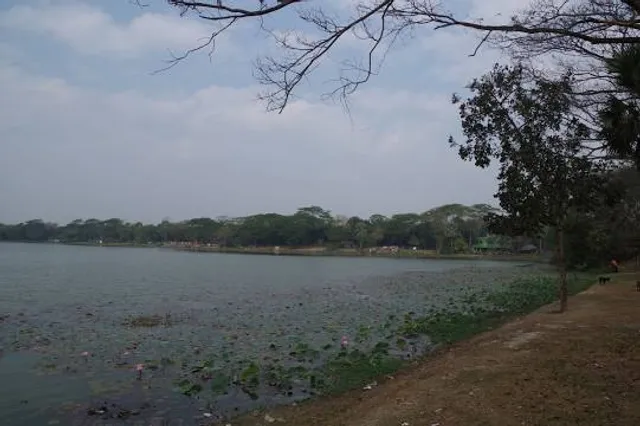
জাদুঘরটি একতলা ভবন এবং এতে দুটি বড় গ্যালারি রয়েছে যেখানে বিভিন্ন প্রাচীন নিদর্শন প্রদর্শিত হয়। এই নিদর্শনগুলি বাগেরহাটে আবিষ্কৃত হয়েছে এবং দুইটি ভাগে বিভক্ত: মৃত্তিকা ও কাঠ এবং পাথরের তৈরি। এছাড়াও, একটি ফটো গ্যালারিও রয়েছে যেখানে নিদর্শন এবং ধ্বংসপ্রাপ্ত স্থাপত্য কাঠামোর দুর্লভ ফটোগ্রাফ প্রদর্শিত হয়। এই সুবিধাটি অঞ্চলের সমৃদ্ধ ঐতিহাসিক ও সাংস্কৃতিক ঐতিহ্য সম্পর্কে একটি ব্যাপক ধারণা প্রদান করে।Bagerhat Museum is located on the southeastern corner of Shat Gambuj Masjid (60 dome mosque) in Bagerhat. It was built in 1995 to preserve the memory of Khan Jahan Ali and the Muslim culture of the area. The museum has been designed to show the artifacts collected from Bagerhat region. During the reign of the Bengal ruler Nasiruddin Mahmud Shah (1442-1459), Khan Jahan Ali developed this region. Khan Jahan Ali probably brought Islam in this region. He then named the area as Khalifat-i-Avad. He constructed many roads, marketplaces, mosques and tanks for the welfare of the people. It is heard that this great man started to dig 360 lakes in 360 mosques in the entire area starting from Jessore's Baro Bazar.In order to preserve the memory of Khan Jahan Ali, the Museum was built with the help of UNESCO’s fund in 1995. This south-walled museum building has three galleries where various relics of Islamic culture and many plaques of ancient times are displayed. It is worth visiting this museum to understand the history of Islam and the contribution of Khan Jahan Ali to spread Islam in this region. Visitors of Sat Gambuj Masjid also visit this museum as both are located in the same compound.There is a Ticket counter at the entrance...
Read more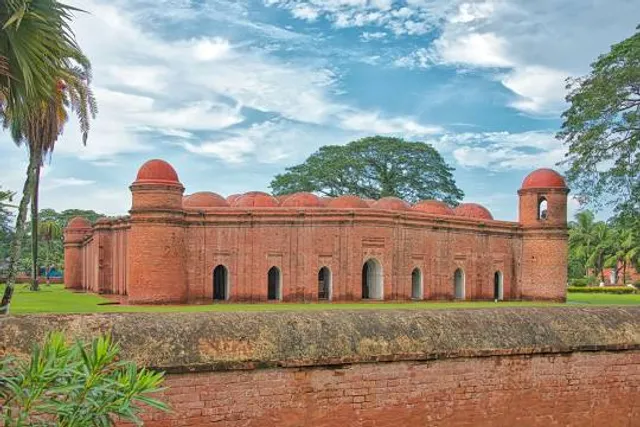
 Learn more insights from Wanderboat AI.