The First museum in bangladesh Varendra (or Barind) was a region of Bengal, now in Bangladesh. It included the Pundravardhana or Pundra Kingdom region. According to Cunningham the boundary of Varendra was the Ganges and the Mahananda on the west, the Karatoya on the east, the Padma on the south, and the land between Koochbihar and the Terai on the north. The Varendra Brahmins originated from this region.
Ancient Bengal did not have any Brahmins in its community. It is popularly believed that Brahmins were brought in to preach Hindutva, though really not the Vedic Hinduism as it is commonly believed, but more of the Pouranik Hinduism type, which evolved after Buddhism flourished. This Pouranik Hinduism is what we know as Brahmanism. Varendra (Barendra) Bhumi, i.e., modern-day North Bengal, had its Brahminism awakening soon after the south got its share. Shyamal Varma, a Kshatriya King brought five Brahmanas from Kanouj — Sanaka, Bhardwaja, Savarna, Sandilya, and Vasistha. The Bhatariya, Maitreya, Satar, Baghshree and Laheria villages soon gave birth to the Brahmin clans of Bhaduri, Moitra, Sanyal, Bagchi and Lahiri. These came to be known as the Varendra (Barendra) Brahmins.
The settlement of Varendra, spoken as Janakabhu (fatherland), was one of the most flourishing territories of the ancient Indian sub-continent. Literary and epigraphic evidence show that a separate school of artisans earned wide reputation here at the reign of Pala dynasty and the streams of art making were uninterrupted until the Sena dynasty.
Some of the leading and enlightened citizens of Rajshahi felt the necessity and justification of establishing such an institution that would explore the precious past of this region. Henceforth, 'The Varendra Research Society' was established in 1910. The founder of the society, Kumar Sarat Kumar Ray, the scion of the Dighapatiya Royal family accompanied by Aksaya Kumar Maitreya, a leading lawyer and renowned historian; Ramaprasad Chanda, a reputed scholar in history, art and archaeology; and others explored archaeological and historical artefacts excavated in villages of Rajshahi.
The conviction grew in Kumar's mind if a centre of archaeological research was to be established at Rajshahi, the finds should be preserved there as the nucleus of a local museum. Accordingly, to collect, preserve, study and research the history and culture of ancient and medieval Bangal in general, and of Varendra region in particular, three worthy sons of the soil mentioned above took the effort to establish a museum.
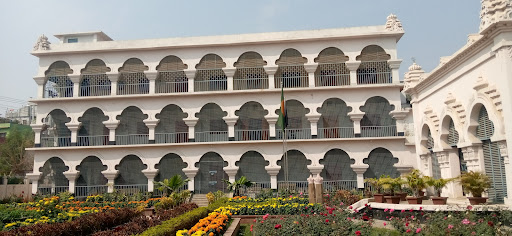
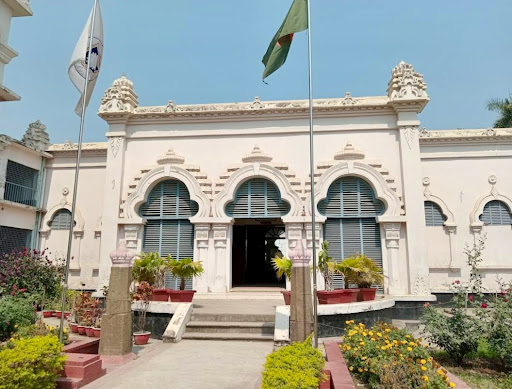
The Varendra Research Society and Museum was set up at Rajshahi in 1910. It is the premier institution of its kind and the splendid accomplishment of its organisation in Bangladesh. The role of the society concerning the museum was that of proprietor and caretaker. However, this was formally inaugurated on 27 September 1910 and was registered in 1914 in accordance with the Indian...
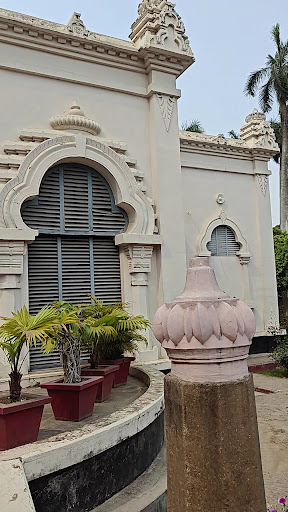
Read moreVarendra Research Museum is a treasure trove of history and culture that offers a captivating journey into the past. Situated in Rajshahi, Bangladesh, this museum is a testament to the rich heritage of the region and the dedication to preserving its legacy.
From the moment you step into the museum, you're greeted by a collection that spans centuries, showcasing the diverse facets of life, art, and traditions of the region. The exhibits range from ancient artifacts and sculptures to manuscripts and ethnographic items, painting a comprehensive picture of the area's cultural evolution.
What sets Varendra Research Museum apart is its commitment to education. The exhibits are thoughtfully curated to provide insight into the people and societies that have shaped the region's identity. Each artifact is a piece of a larger puzzle, allowing visitors to explore the history, art, and lifestyles of the past.
The museum's well-organized layout guides you through various eras, offering a chronological journey that's both informative and immersive. The attention to detail in presentation and the inclusion of explanatory captions make the experience accessible to all, from history enthusiasts to casual visitors.
The knowledgeable staff at Varendra Research Museum are passionate about sharing the stories behind the artifacts. Their insights and anecdotes bring life to the exhibits, enhancing your understanding and appreciation for the cultural richness on display.
Visiting Varendra Research Museum isn't just a visit to a museum; it's a journey through time. It's an opportunity to connect with the roots of the region and to gain a deeper appreciation for the heritage that continues to shape the present.
Whether you're a history buff, an art lover, or someone seeking to understand the cultural tapestry of Bangladesh, Varendra Research Museum is a must-visit destination. It's a place where the past comes alive, leaving you with a renewed sense of wonder and a richer understanding of the...
Read moreThe Settlement of Varendra, spoken as Janakabhu (fatherland) was one of the most flourishing territories of ancient Indian sub-continent. We come to know from different literary and epigraphic evidences that a separate school of artisans earned wide reputation here at the reign of Pala dynasty and the streams of art making were uninterrupted until the Sena dynasty.
Some of the leading and enlightened citizens of Rajshahi felt the necessity and justification of establishing such an institution that would explore the precious past of this region. Henceforth, ‘The Varendra Research Society’ was established in 1910, and the founder of the Society Kumar Sarat Kumar Ray, the scion of Dighapatiya Royal family accompanied by Aksaya Kumar Maitreya, a leading lawyer and renowned historian; Ramaprasad Chanda, a reputed scholar in history, art and archaeology and others explored a good number of archaeological and historical artifacts excavating in some villages of Rajshahi.
Then, the conviction grew in Kumar’s mind if a centre of archeological research was to be established at Rajshahi, the finds should be preserved there as the nucleus of a local museum. Accordingly, in order to collect, preserve, study and research the history and culture of ancient and medieval Bangal in general and of Varendra region in particular, three worthy sons of the soil mentioned above took the noble effort to establish a museum. Thus, the Varendra Research Society and Museum was set up at Rajshahi in 1910.
In fact, it is not only the premier institution of its kind, but also the splendid accomplishment of its organisation in Bangladesh. The role of the society concerning the museum was that of proprietor and caretaker. However, this was formally inaugurated on 27 September 1910 and was registered in 1914 in accordance with the Indian...
Read more