HTML SitemapExplore
logo
Find Things to DoFind The Best Restaurants

Kyichu Lhakhang སྐྱིད་ཆུ་ལྷ་ཁང་ — Attraction in Paro District

Name
Kyichu Lhakhang སྐྱིད་ཆུ་ལྷ་ཁང་
Description
Kyichu Lhakhang, is an important Himalayan Buddhist temple situated in Lango Gewog of Paro District in Bhutan.
Nearby attractions
Nearby restaurants
Nearby hotels
Kichu Resort Paro
Kichu Resort Complex, Lango Paro BT 12001, Bhutan
Related posts
Deep Roots in Tibetan Regions – Must-Save Pilgrimage Sites ListA Pure Journey to Bhutan : Off-the-Beaten-Path Travel
Keywords
Kyichu Lhakhang སྐྱིད་ཆུ་ལྷ་ཁང་ tourism.Kyichu Lhakhang སྐྱིད་ཆུ་ལྷ་ཁང་ hotels.Kyichu Lhakhang སྐྱིད་ཆུ་ལྷ་ཁང་ bed and breakfast. flights to Kyichu Lhakhang སྐྱིད་ཆུ་ལྷ་ཁང་.Kyichu Lhakhang སྐྱིད་ཆུ་ལྷ་ཁང་ attractions.Kyichu Lhakhang སྐྱིད་ཆུ་ལྷ་ཁང་ restaurants.Kyichu Lhakhang སྐྱིད་ཆུ་ལྷ་ཁང་ travel.Kyichu Lhakhang སྐྱིད་ཆུ་ལྷ་ཁང་ travel guide.Kyichu Lhakhang སྐྱིད་ཆུ་ལྷ་ཁང་ travel blog.Kyichu Lhakhang སྐྱིད་ཆུ་ལྷ་ཁང་ pictures.Kyichu Lhakhang སྐྱིད་ཆུ་ལྷ་ཁང་ photos.Kyichu Lhakhang སྐྱིད་ཆུ་ལྷ་ཁང་ travel tips.Kyichu Lhakhang སྐྱིད་ཆུ་ལྷ་ཁང་ maps.Kyichu Lhakhang སྐྱིད་ཆུ་ལྷ་ཁང་ things to do.
Kyichu Lhakhang སྐྱིད་ཆུ་ལྷ་ཁང་ things to do, attractions, restaurants, events info and trip planning
Kyichu Lhakhang སྐྱིད་ཆུ་ལྷ་ཁང་
BhutanParo DistrictKyichu Lhakhang སྐྱིད་ཆུ་ལྷ་ཁང་

Basic Info

Kyichu Lhakhang སྐྱིད་ཆུ་ལྷ་ཁང་

C9RG+C6V, Bhutan
4.6(237)
Open 24 hours
Save
spot

Ratings & Description

Info

Kyichu Lhakhang, is an important Himalayan Buddhist temple situated in Lango Gewog of Paro District in Bhutan.

Cultural
Scenic
Family friendly
Accessibility
attractions: , restaurants:
logoLearn more insights from Wanderboat AI.

Plan your stay

hotel
Pet-friendly Hotels in Paro District
Find a cozy hotel nearby and make it a full experience.
hotel
Affordable Hotels in Paro District
Find a cozy hotel nearby and make it a full experience.
hotel
The Coolest Hotels You Haven't Heard Of (Yet)
Find a cozy hotel nearby and make it a full experience.
hotel
Trending Stays Worth the Hype in Paro District
Find a cozy hotel nearby and make it a full experience.

Reviews

Things to do nearby

Weekly Tech Meetup
Weekly Tech Meetup
Sat, Dec 6 • 6:00 AM
Giku-na, Near Memorial Chorten, Thimphu, Bhutan
View details
Get the Appoverlay
Get the AppOne tap to find yournext favorite spots!
Wanderboat LogoWanderboat

Your everyday Al companion for getaway ideas

CompanyAbout Us
InformationAI Trip PlannerSitemap
SocialXInstagramTiktokLinkedin
LegalTerms of ServicePrivacy Policy

Get the app

© 2025 Wanderboat. All rights reserved.
logo

Posts

 Deep Roots in Tibetan Regions – Must-Save Pilgrimage Sites List
Hannah AndyHannah Andy
Deep Roots in Tibetan Regions – Must-Save Pilgrimage Sites List
A Pure Journey to Bhutan : Off-the-Beaten-Path Travel
AliceHamiltonAliceHamilton
A Pure Journey to Bhutan : Off-the-Beaten-Path Travel
Tshering DorjiTshering Dorji
Kyichu Lhakhang: A Sacred Jewel in Paro, Bhutan Kyichu Lhakhang, located in the Paro Valley of western Bhutan, is one of the oldest and most sacred temples in the Kingdom. It holds immense spiritual, historical, and cultural significance for the Bhutanese people and is revered as a site of great power and blessings. Historical Background Kyichu Lhakhang is believed to have been built in the 7th century by the Tibetan King Songtsen Gampo. According to legend, the king constructed 108 temples across the Himalayan region to subdue a demoness whose body covered the land. Kyichu Lhakhang was one of these temples and was said to be built on the demoness’s left foot to immobilize her and facilitate the spread of Buddhism. Religious Significance The temple enshrines a revered statue of Jowo Sakyamuni, the Buddha as a young prince, which is believed to have been personally blessed by the Buddha himself. It is considered a wish-fulfilling statue, and thousands of devotees come to pay homage and offer prayers for health, happiness, and spiritual merit. Over the centuries, the temple has been maintained and expanded by various Bhutanese kings and religious leaders. It remains an active place of worship and an important pilgrimage site, particularly for followers of Vajrayana Buddhism. Architecture and Atmosphere Kyichu Lhakhang consists of two main temples: the original 7th-century structure and a second temple built in 1968 by Her Majesty Ashi Kesang Choden Wangchuck, the Queen Mother of Bhutan. The complex is surrounded by beautiful prayer wheels, chortens, and ancient orange trees that are said to bear fruit throughout the year—a sign of the temple’s sanctity. The architecture is a fine example of traditional Bhutanese craftsmanship, featuring ornate carvings, vivid murals, and intricate woodwork. The peaceful and spiritual atmosphere of the temple grounds invites quiet contemplation and reverence. Cultural Importance Kyichu Lhakhang is not only a symbol of Bhutan’s deep Buddhist heritage but also a link between the country’s past and present. It plays a central role in many religious festivals and ceremonies in Paro and continues to inspire devotion among Bhutanese and visitors alike. ⸻ Kyichu Lhakhang stands as a testament to Bhutan’s enduring spiritual traditions and its commitment to preserving its sacred legacy. A visit to this revered temple is considered a blessing and a deeply moving experience. Enjoy💥
See more posts
See more posts
hotel
Find your stay

Pet-friendly Hotels in Paro District

Find a cozy hotel nearby and make it a full experience.

Deep Roots in Tibetan Regions – Must-Save Pilgrimage Sites List
Hannah Andy

Hannah Andy

hotel
Find your stay

Affordable Hotels in Paro District

Find a cozy hotel nearby and make it a full experience.

Get the Appoverlay
Get the AppOne tap to find yournext favorite spots!
A Pure Journey to Bhutan : Off-the-Beaten-Path Travel
AliceHamilton

AliceHamilton

hotel
Find your stay

The Coolest Hotels You Haven't Heard Of (Yet)

Find a cozy hotel nearby and make it a full experience.

hotel
Find your stay

Trending Stays Worth the Hype in Paro District

Find a cozy hotel nearby and make it a full experience.

Kyichu Lhakhang: A Sacred Jewel in Paro, Bhutan Kyichu Lhakhang, located in the Paro Valley of western Bhutan, is one of the oldest and most sacred temples in the Kingdom. It holds immense spiritual, historical, and cultural significance for the Bhutanese people and is revered as a site of great power and blessings. Historical Background Kyichu Lhakhang is believed to have been built in the 7th century by the Tibetan King Songtsen Gampo. According to legend, the king constructed 108 temples across the Himalayan region to subdue a demoness whose body covered the land. Kyichu Lhakhang was one of these temples and was said to be built on the demoness’s left foot to immobilize her and facilitate the spread of Buddhism. Religious Significance The temple enshrines a revered statue of Jowo Sakyamuni, the Buddha as a young prince, which is believed to have been personally blessed by the Buddha himself. It is considered a wish-fulfilling statue, and thousands of devotees come to pay homage and offer prayers for health, happiness, and spiritual merit. Over the centuries, the temple has been maintained and expanded by various Bhutanese kings and religious leaders. It remains an active place of worship and an important pilgrimage site, particularly for followers of Vajrayana Buddhism. Architecture and Atmosphere Kyichu Lhakhang consists of two main temples: the original 7th-century structure and a second temple built in 1968 by Her Majesty Ashi Kesang Choden Wangchuck, the Queen Mother of Bhutan. The complex is surrounded by beautiful prayer wheels, chortens, and ancient orange trees that are said to bear fruit throughout the year—a sign of the temple’s sanctity. The architecture is a fine example of traditional Bhutanese craftsmanship, featuring ornate carvings, vivid murals, and intricate woodwork. The peaceful and spiritual atmosphere of the temple grounds invites quiet contemplation and reverence. Cultural Importance Kyichu Lhakhang is not only a symbol of Bhutan’s deep Buddhist heritage but also a link between the country’s past and present. It plays a central role in many religious festivals and ceremonies in Paro and continues to inspire devotion among Bhutanese and visitors alike. ⸻ Kyichu Lhakhang stands as a testament to Bhutan’s enduring spiritual traditions and its commitment to preserving its sacred legacy. A visit to this revered temple is considered a blessing and a deeply moving experience. Enjoy💥
Tshering Dorji

Tshering Dorji

See more posts
See more posts

Reviews of Kyichu Lhakhang སྐྱིད་ཆུ་ལྷ་ཁང་

4.6
(237)
avatar
5.0
29w

Kyichu Lhakhang: A Sacred Jewel in Paro, Bhutan

Kyichu Lhakhang, located in the Paro Valley of western Bhutan, is one of the oldest and most sacred temples in the Kingdom. It holds immense spiritual, historical, and cultural significance for the Bhutanese people and is revered as a site of great power and blessings.

Historical Background

Kyichu Lhakhang is believed to have been built in the 7th century by the Tibetan King Songtsen Gampo. According to legend, the king constructed 108 temples across the Himalayan region to subdue a demoness whose body covered the land. Kyichu Lhakhang was one of these temples and was said to be built on the demoness’s left foot to immobilize her and facilitate the spread of Buddhism.

Religious Significance

The temple enshrines a revered statue of Jowo Sakyamuni, the Buddha as a young prince, which is believed to have been personally blessed by the Buddha himself. It is considered a wish-fulfilling statue, and thousands of devotees come to pay homage and offer prayers for health, happiness, and spiritual merit.

Over the centuries, the temple has been maintained and expanded by various Bhutanese kings and religious leaders. It remains an active place of worship and an important pilgrimage site, particularly for followers of Vajrayana Buddhism.

Architecture and Atmosphere

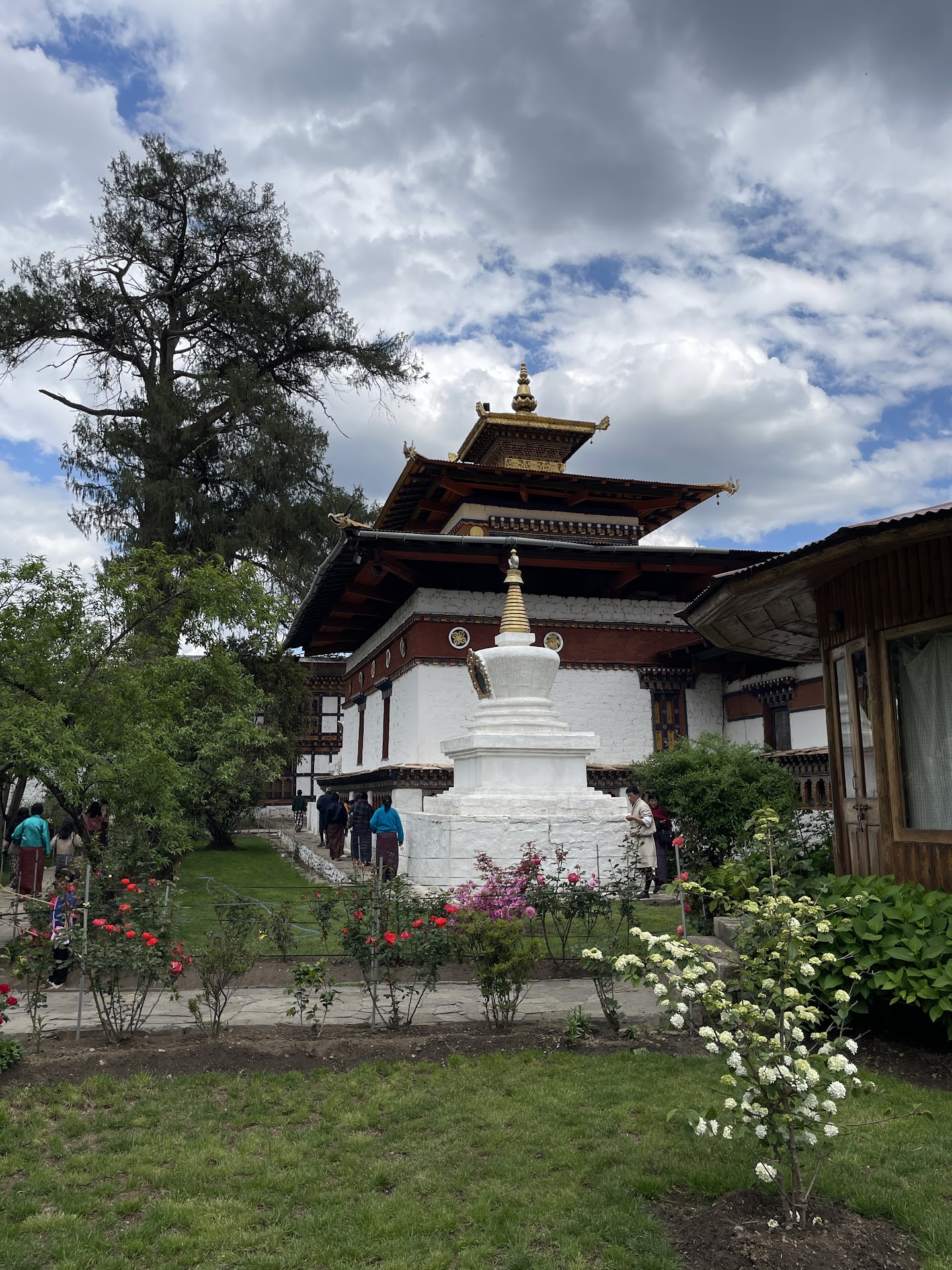
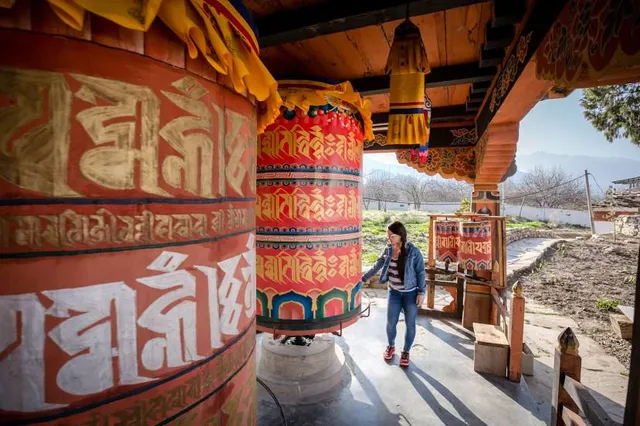
Kyichu Lhakhang consists of two main temples: the original 7th-century structure and a second temple built in 1968 by Her Majesty Ashi Kesang Choden Wangchuck, the Queen Mother of Bhutan. The complex is surrounded by beautiful prayer wheels, chortens, and ancient orange trees that are said to bear fruit throughout the year—a sign of the temple’s sanctity.

The architecture is a fine example of traditional Bhutanese craftsmanship, featuring ornate carvings, vivid murals, and intricate woodwork. The peaceful and spiritual atmosphere of the temple grounds invites quiet contemplation and reverence.

Cultural Importance

Kyichu Lhakhang is not only a symbol of Bhutan’s deep Buddhist heritage but also a link between the country’s past and present. It plays a central role in many religious festivals and ceremonies in Paro and continues to inspire devotion among Bhutanese and visitors alike.

⸻

Kyichu Lhakhang stands as a testament to Bhutan’s enduring spiritual traditions and its commitment to preserving its sacred legacy. A visit to this revered temple is considered a blessing and a deeply moving...

   Read more

avatar
5.0
2y

KYICHU LHAKHANG (ALSO CALLED LHO Kyerchu and Kyerchu) is a majestic seventh-century temple revered as one of the most magnificent sites of worship in Bhutan. Located in the town of Paro, some sources reference the temple as one of the oldest in the nation; others name it the oldest.

The original temple is said to have been built overnight on the left foot of a colossal ogress—otherwise referred to as a demoness—who intercepted the spread of Buddhism as she lay across the land. It’s thought to be one of over 100 temples established to overpower her so Buddhism could flourish far and wide.

Kyichu Lhakhang is believed to have been a smaller structure when the Tibetan King Songtsen Gampo erected this sacred building in the year 659, but a number of Buddhist saints and gurus added to the site until it became the spectacular temple it is today. Legend has it that the Second Buddha, Padmasambhava, was one of the important historical figures who paid pilgrimage to Kyichu Lhakhang in the eighth century, and that he hid treasure teachings around the temple.

The building underwent a round of renovations in the 1830s, and in 1968, the Royal Queen Mother Ashi Kezang Choden Wangchuck ordered its expansion in the way of Guru Lhakhang: a neighboring chapel that houses statues of Padmasambhava and Kurukulla, a female lotus deity, clutching a bow and an arrow made of flowers.

Beyond the exquisite gilded door to the main temple of Jowo Lhakhang is an original statue of Jowo Jamba (also Jowo Shakyamuni or Jowo Rinpoche) forged in the seventh century. His likeness constitutes the most sacred sculpture in the region, and the wooden planks on the floor in front of him manifest the wear and tear of centuries of worship at his feet. Nearby, a statue of Chenrezig, an all-knowing deity said to embody the compassion of all the Buddhas, bears 11 heads and 1,000 arms.

The cloisters that fortify the temple foster a contemplative space populated by fruit trees and prayer wheels, which monks spin quietly as they circulate the space. The inner courtyard conceals a mural portraying King Gesar of Ling, a warrior who is said to have conjured the longest poem in history.

Kyichu Lhakhang is a 10-minute drive from Paro proper. Visitors are welcome between 9 a.m. and noon, and 1 p.m....

   Read more
avatar
5.0
3y

The Jowo Temple of Kyichu is one of the oldest temples in Bhutan, originally built in the 7th century by the Tibetan Emperor Songtsen Gampo. It is considered to be one of the 108 border taming temples he built. In the 8th century the temple was visited by Padmasambhava and it is believed he concealed many spiritual treasures here. Je Khenpo Sherab Gyaltshen wrote that during the 12th century the temple was looked after by the Lhapa Kagyu tradition and that during the 13th century it was handed over to a descendant of Phajo Drugom Zhigpo's son Nyima. In his The Nyingma School of Tibetan Buddhism: Its Fundamentals and History, Jigdral Yeshe Dorje (2nd Dudjom Rinpoche) records that the Jowo Temple of Kyichu could not be seen and that Pema Lingpa (1450-1521) uncovered the temple and restored it as it was before. In 1644 the temple was taken over by Ngawang Namgyal. From 1836 to 1838 the temple was restored and re-consecrated by the 25th Je Khenpo Sherab Gyaltshen. In 1971, Kesang Choden Wangchuck, the queen of Jigme Dorji Wangchuck built a Guru Temple next to the old Jowo Temple which was consecrated by Dilgo Khyentse. Ever since then the annual rites of great accomplishment for the deities Vajrasattva, Palchen Heruka, and Vajrakilaya have been held in this temple for the well-being of the country under the patronage of Kesang Choden Wangchuck. There is a belief that the two orange trees in the courtyard of Kyichu Lhakhang bear fruit throughout the year.It was built to Subdue...

   Read more
Page 1 of 7
Previous
Next