HTML SitemapExplore
logo
Find Things to DoFind The Best Restaurants

National Museum of Bhutan འབྲུག་གི་འགྲེམས་སྟོན་ཁང་། — Attraction in Paro District

Name
National Museum of Bhutan འབྲུག་གི་འགྲེམས་སྟོན་ཁང་།
Description
National Museum of Bhutan is a cultural museum in the town of Paro in western Bhutan. Established in 1968, in the renovated ancient Ta-dzong building, above Rinpung Dzong under the command of His Majesty, the King Jigme Dorji Wangchuck, the third hereditary Monarch of Bhutan.
Nearby attractions
Jangsarbu Lhakhang
CCHF+G33, Paro, Bhutan
Valleys Of Bhutan
CCH8+FGH, Paro, Bhutan
Nearby restaurants
Nearby hotels
Related posts
Bhutan travel guide
Keywords
National Museum of Bhutan འབྲུག་གི་འགྲེམས་སྟོན་ཁང་། tourism.National Museum of Bhutan འབྲུག་གི་འགྲེམས་སྟོན་ཁང་། hotels.National Museum of Bhutan འབྲུག་གི་འགྲེམས་སྟོན་ཁང་། bed and breakfast. flights to National Museum of Bhutan འབྲུག་གི་འགྲེམས་སྟོན་ཁང་།.National Museum of Bhutan འབྲུག་གི་འགྲེམས་སྟོན་ཁང་། attractions.National Museum of Bhutan འབྲུག་གི་འགྲེམས་སྟོན་ཁང་། restaurants.National Museum of Bhutan འབྲུག་གི་འགྲེམས་སྟོན་ཁང་། travel.National Museum of Bhutan འབྲུག་གི་འགྲེམས་སྟོན་ཁང་། travel guide.National Museum of Bhutan འབྲུག་གི་འགྲེམས་སྟོན་ཁང་། travel blog.National Museum of Bhutan འབྲུག་གི་འགྲེམས་སྟོན་ཁང་། pictures.National Museum of Bhutan འབྲུག་གི་འགྲེམས་སྟོན་ཁང་། photos.National Museum of Bhutan འབྲུག་གི་འགྲེམས་སྟོན་ཁང་། travel tips.National Museum of Bhutan འབྲུག་གི་འགྲེམས་སྟོན་ཁང་། maps.National Museum of Bhutan འབྲུག་གི་འགྲེམས་སྟོན་ཁང་། things to do.
National Museum of Bhutan འབྲུག་གི་འགྲེམས་སྟོན་ཁང་། things to do, attractions, restaurants, events info and trip planning
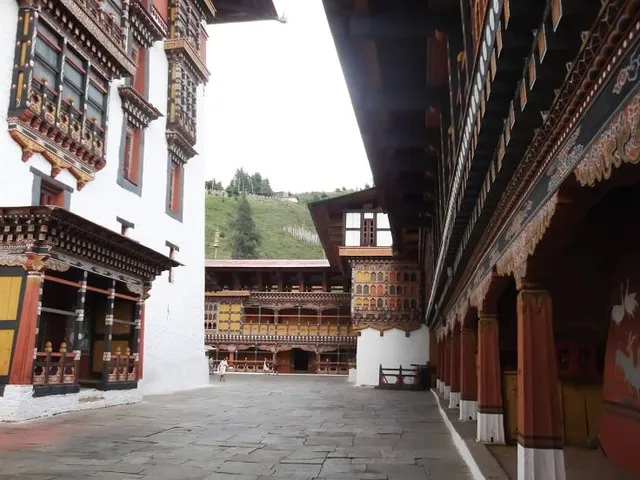
National Museum of Bhutan འབྲུག་གི་འགྲེམས་སྟོན་ཁང་།
BhutanParo DistrictNational Museum of Bhutan འབྲུག་གི་འགྲེམས་སྟོན་ཁང་།

Basic Info

National Museum of Bhutan འབྲུག་གི་འགྲེམས་སྟོན་ཁང་།

CCHG+F6R, Paro, Bhutan
4.3(803)
Open 24 hours
Save
spot

Ratings & Description

Info

National Museum of Bhutan is a cultural museum in the town of Paro in western Bhutan. Established in 1968, in the renovated ancient Ta-dzong building, above Rinpung Dzong under the command of His Majesty, the King Jigme Dorji Wangchuck, the third hereditary Monarch of Bhutan.

Cultural
Scenic
Family friendly
attractions: Jangsarbu Lhakhang, Valleys Of Bhutan, restaurants:
logoLearn more insights from Wanderboat AI.
Phone
+975 8 271 511

Plan your stay

hotel
Pet-friendly Hotels in Paro District
Find a cozy hotel nearby and make it a full experience.
hotel
Affordable Hotels in Paro District
Find a cozy hotel nearby and make it a full experience.
hotel
The Coolest Hotels You Haven't Heard Of (Yet)
Find a cozy hotel nearby and make it a full experience.
hotel
Trending Stays Worth the Hype in Paro District
Find a cozy hotel nearby and make it a full experience.

Reviews

Nearby attractions of National Museum of Bhutan འབྲུག་གི་འགྲེམས་སྟོན་ཁང་།

Jangsarbu Lhakhang

Valleys Of Bhutan

Jangsarbu Lhakhang

Jangsarbu Lhakhang

4.7

(8)

Open until 6:00 PM
Click for details
Valleys Of Bhutan

Valleys Of Bhutan

4.7

(19)

Open until 12:00 AM
Click for details
Get the Appoverlay
Get the AppOne tap to find yournext favorite spots!
Wanderboat LogoWanderboat

Your everyday Al companion for getaway ideas

CompanyAbout Us
InformationAI Trip PlannerSitemap
SocialXInstagramTiktokLinkedin
LegalTerms of ServicePrivacy Policy

Get the app

© 2025 Wanderboat. All rights reserved.
logo

Reviews of National Museum of Bhutan འབྲུག་གི་འགྲེམས་སྟོན་ཁང་།

4.3
(803)
avatar
5.0
7w

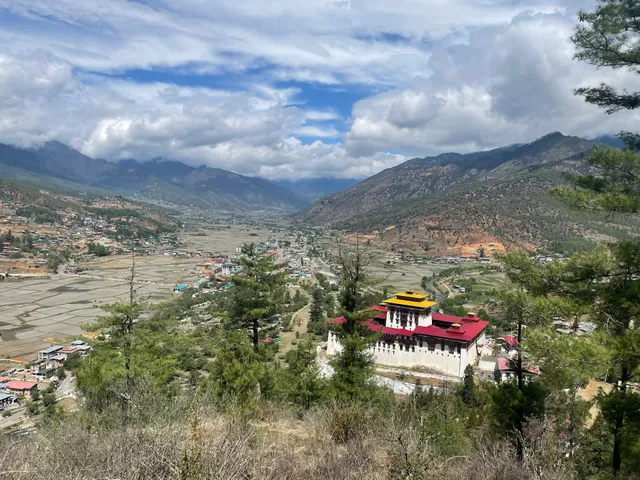
When I visited Paro Ta Dzong, I was amazed by how seamlessly Bhutan blends history, spirituality, and artistry into a single place. Originally built in 1649 as a watchtower to protect the Rinpung Dzong below, this circular fortress now serves as the National Museum of Bhutan. Perched high on a hill, it offers not just a journey through the country’s past, but also some of the most stunning panoramic views of the Paro Valley.

The first thing that struck me was its unique architecture — the building is completely circular and conch-shaped, built entirely without nails using stone and wood. Climbing up and down its narrow staircases felt like walking through centuries of history. Each of the seven levels has a different theme, and the experience of moving downward through them, rather than up, gives the visit a distinct rhythm.

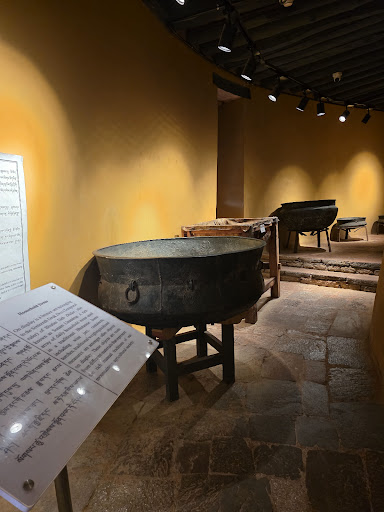
Inside, the museum is a true treasure trove. I was fascinated by the range of exhibits — over 3,000 artifacts spanning 1,500 years. There were everything from ancient weapons and intricate thangka paintings to royal memorabilia, meteorite relics, and even a mysterious stone egg said to have been laid by a horse. The collection of stamps, including Bhutan’s famous 3D and talking stamps, was another surprising highlight that shows the country’s creative spirit.

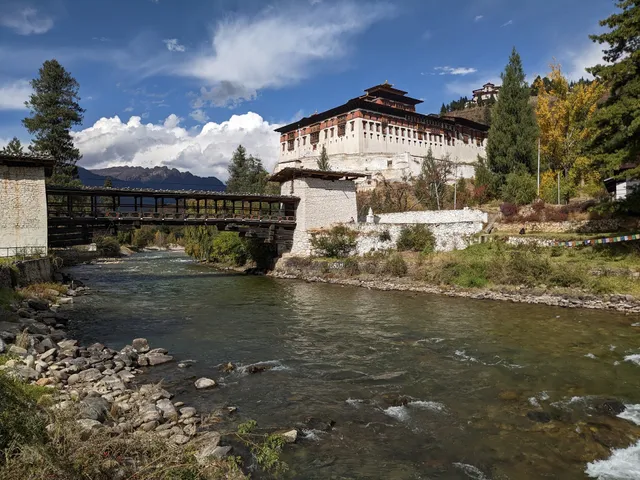
What I loved most was how the museum manages to tell Bhutan’s story — its religion, art, monarchy, and nature — all under one roof. Even the building itself feels alive with history. While exploring, I also took some time outside to admire the breathtaking view of Paro Dzong and the valley below; it’s one of those scenes that truly captures the beauty and calm of Bhutan.

There are a few practical things to keep in mind — the museum has many stairs, so it’s not ideal for those with mobility issues. Also, while the exhibits are impressive, they don’t follow a strict chronological order, so it’s best to take your time and absorb each section at your own pace.

Overall, my visit to Paro Ta Dzong was one of the most enriching experiences I had in Bhutan. It’s much more than just a museum — it’s a living connection to the nation’s soul, wrapped in a fortress that has guarded Paro’s history...

   Read more
avatar
5.0
1y

Anyone interested in learning more about the rich cultural legacy of this exceptional Himalayan nation should definitely visit the National Museum of Bhutan, which is tucked away in the charming town of Paro. The museum, housed in a watchtower from the 17th century that the people refer to as Ta Dzong, is a testament to the architectural mastery and historical significance of Bhutan. The museum's beautifully preserved building greets guests as soon as they walk in and fits in perfectly with the surrounding area. The cylindrical structure offers a window into the past and creates the ideal environment for the treasures it contains with its thick stone walls and traditional Bhutanese design elements. Exquisite paintings, varied art forms spanning several centuries, and exquisite Bhutanese statues are all part of the museum's extensive and varied collection. Every display has been thoughtfully chosen to provide insights into Bhutan's artistic, spiritual, and cultural evolution. Especially captivating are the thangka paintings, which portray elaborate Buddhist iconography and stories in a way that is both aesthetically pleasing and educational. The museum's collection of antique armor and weapons, which offers a fascinating look at Bhutan's military history, is one of its highlights. The museum also features an exceptional collection of traditional Bhutanese textiles and apparel, highlighting the nation's rich and varied fashion history. The museum regularly hosts temporary exhibitions and cultural events in addition to its permanent collection, which enhances the overall experience of its visitors. The visit's educational value is increased by the friendly and informed staff, who are always available to answer any questions and provide thorough explanations. The National Museum of Bhutan is a thriving cultural center that protects and promotes Bhutan's legacy, not just a storehouse of artifacts. The museum is the ideal place for history buffs, art lovers, and anyone looking to learn more about Bhutanese culture because of its serene surroundings and outstanding collections. A trip through the heart and soul of Bhutan is what visiting this museum...

   Read more
avatar
4.0
3y

Set in Paro Ta Dzong, the National Museum of Bhutan is sure to answer the queries of the history buffs. The popular tourist attraction is a cultural museum which was established in the year 1968 to house some finest specimen of Bhutanese art including bronze paintings and statues. Today the museum has more than 3,000 works of Bhutanese artefacts and artworks including traditional weapons, costumes, armour, handcrafted implements and covering more than 1,500 years of Bhutan’s cultural heritage. Tourists visiting the museum will get an opportunity to learn about the unique Bhutanese history with its rich holding of various creative traditions and disciplines. The ambience of the museum represents a remarkable blend of the past with the present which is an experience not to be missed when holidaying in Paro. As the tourists indulge in exploring the museum, they would come across the Natural History Gallery and Ritual Objects that showcases objects like daggers, headdresses, thunderbolts, robes, cymbals, musical instruments appropriate to Buddhist ceremonies. Further ahead, there is the Chapel of Wealth Deity and Thangkas that has a range of paintings of natural mineral pigments. A visit to the museum will bring one close to a collection that can best show the rich cultural traditions of the country.

From here you can see the beautiful paro valley . Entry fees are minimum .

Timings : Summers: 9:00 AM - 5:00 PM, Winters: 9:00 AM - 4:00 PM

Entry Fee : Bhutanese: BTN 10, SAARC...

   Read more
Page 1 of 7
Previous
Next

Posts

Bhutan travel guide
Lillie SmithLillie Smith
Bhutan travel guide
Weaning PingWeaning Ping
When I visited Paro Ta Dzong, I was amazed by how seamlessly Bhutan blends history, spirituality, and artistry into a single place. Originally built in 1649 as a watchtower to protect the Rinpung Dzong below, this circular fortress now serves as the National Museum of Bhutan. Perched high on a hill, it offers not just a journey through the country’s past, but also some of the most stunning panoramic views of the Paro Valley. The first thing that struck me was its unique architecture — the building is completely circular and conch-shaped, built entirely without nails using stone and wood. Climbing up and down its narrow staircases felt like walking through centuries of history. Each of the seven levels has a different theme, and the experience of moving downward through them, rather than up, gives the visit a distinct rhythm. Inside, the museum is a true treasure trove. I was fascinated by the range of exhibits — over 3,000 artifacts spanning 1,500 years. There were everything from ancient weapons and intricate thangka paintings to royal memorabilia, meteorite relics, and even a mysterious stone egg said to have been laid by a horse. The collection of stamps, including Bhutan’s famous 3D and talking stamps, was another surprising highlight that shows the country’s creative spirit. What I loved most was how the museum manages to tell Bhutan’s story — its religion, art, monarchy, and nature — all under one roof. Even the building itself feels alive with history. While exploring, I also took some time outside to admire the breathtaking view of Paro Dzong and the valley below; it’s one of those scenes that truly captures the beauty and calm of Bhutan. There are a few practical things to keep in mind — the museum has many stairs, so it’s not ideal for those with mobility issues. Also, while the exhibits are impressive, they don’t follow a strict chronological order, so it’s best to take your time and absorb each section at your own pace. Overall, my visit to Paro Ta Dzong was one of the most enriching experiences I had in Bhutan. It’s much more than just a museum — it’s a living connection to the nation’s soul, wrapped in a fortress that has guarded Paro’s history for centuries.
M KM K
Anyone interested in learning more about the rich cultural legacy of this exceptional Himalayan nation should definitely visit the National Museum of Bhutan, which is tucked away in the charming town of Paro. The museum, housed in a watchtower from the 17th century that the people refer to as Ta Dzong, is a testament to the architectural mastery and historical significance of Bhutan. The museum's beautifully preserved building greets guests as soon as they walk in and fits in perfectly with the surrounding area. The cylindrical structure offers a window into the past and creates the ideal environment for the treasures it contains with its thick stone walls and traditional Bhutanese design elements. Exquisite paintings, varied art forms spanning several centuries, and exquisite Bhutanese statues are all part of the museum's extensive and varied collection. Every display has been thoughtfully chosen to provide insights into Bhutan's artistic, spiritual, and cultural evolution. Especially captivating are the thangka paintings, which portray elaborate Buddhist iconography and stories in a way that is both aesthetically pleasing and educational. The museum's collection of antique armor and weapons, which offers a fascinating look at Bhutan's military history, is one of its highlights. The museum also features an exceptional collection of traditional Bhutanese textiles and apparel, highlighting the nation's rich and varied fashion history. The museum regularly hosts temporary exhibitions and cultural events in addition to its permanent collection, which enhances the overall experience of its visitors. The visit's educational value is increased by the friendly and informed staff, who are always available to answer any questions and provide thorough explanations. The National Museum of Bhutan is a thriving cultural center that protects and promotes Bhutan's legacy, not just a storehouse of artifacts. The museum is the ideal place for history buffs, art lovers, and anyone looking to learn more about Bhutanese culture because of its serene surroundings and outstanding collections. A trip through the heart and soul of Bhutan is what visiting this museum is all about.
See more posts
See more posts
hotel
Find your stay

Pet-friendly Hotels in Paro District

Find a cozy hotel nearby and make it a full experience.

Bhutan travel guide
Lillie Smith

Lillie Smith

hotel
Find your stay

Affordable Hotels in Paro District

Find a cozy hotel nearby and make it a full experience.

Get the Appoverlay
Get the AppOne tap to find yournext favorite spots!
When I visited Paro Ta Dzong, I was amazed by how seamlessly Bhutan blends history, spirituality, and artistry into a single place. Originally built in 1649 as a watchtower to protect the Rinpung Dzong below, this circular fortress now serves as the National Museum of Bhutan. Perched high on a hill, it offers not just a journey through the country’s past, but also some of the most stunning panoramic views of the Paro Valley. The first thing that struck me was its unique architecture — the building is completely circular and conch-shaped, built entirely without nails using stone and wood. Climbing up and down its narrow staircases felt like walking through centuries of history. Each of the seven levels has a different theme, and the experience of moving downward through them, rather than up, gives the visit a distinct rhythm. Inside, the museum is a true treasure trove. I was fascinated by the range of exhibits — over 3,000 artifacts spanning 1,500 years. There were everything from ancient weapons and intricate thangka paintings to royal memorabilia, meteorite relics, and even a mysterious stone egg said to have been laid by a horse. The collection of stamps, including Bhutan’s famous 3D and talking stamps, was another surprising highlight that shows the country’s creative spirit. What I loved most was how the museum manages to tell Bhutan’s story — its religion, art, monarchy, and nature — all under one roof. Even the building itself feels alive with history. While exploring, I also took some time outside to admire the breathtaking view of Paro Dzong and the valley below; it’s one of those scenes that truly captures the beauty and calm of Bhutan. There are a few practical things to keep in mind — the museum has many stairs, so it’s not ideal for those with mobility issues. Also, while the exhibits are impressive, they don’t follow a strict chronological order, so it’s best to take your time and absorb each section at your own pace. Overall, my visit to Paro Ta Dzong was one of the most enriching experiences I had in Bhutan. It’s much more than just a museum — it’s a living connection to the nation’s soul, wrapped in a fortress that has guarded Paro’s history for centuries.
Weaning Ping

Weaning Ping

hotel
Find your stay

The Coolest Hotels You Haven't Heard Of (Yet)

Find a cozy hotel nearby and make it a full experience.

hotel
Find your stay

Trending Stays Worth the Hype in Paro District

Find a cozy hotel nearby and make it a full experience.

Anyone interested in learning more about the rich cultural legacy of this exceptional Himalayan nation should definitely visit the National Museum of Bhutan, which is tucked away in the charming town of Paro. The museum, housed in a watchtower from the 17th century that the people refer to as Ta Dzong, is a testament to the architectural mastery and historical significance of Bhutan. The museum's beautifully preserved building greets guests as soon as they walk in and fits in perfectly with the surrounding area. The cylindrical structure offers a window into the past and creates the ideal environment for the treasures it contains with its thick stone walls and traditional Bhutanese design elements. Exquisite paintings, varied art forms spanning several centuries, and exquisite Bhutanese statues are all part of the museum's extensive and varied collection. Every display has been thoughtfully chosen to provide insights into Bhutan's artistic, spiritual, and cultural evolution. Especially captivating are the thangka paintings, which portray elaborate Buddhist iconography and stories in a way that is both aesthetically pleasing and educational. The museum's collection of antique armor and weapons, which offers a fascinating look at Bhutan's military history, is one of its highlights. The museum also features an exceptional collection of traditional Bhutanese textiles and apparel, highlighting the nation's rich and varied fashion history. The museum regularly hosts temporary exhibitions and cultural events in addition to its permanent collection, which enhances the overall experience of its visitors. The visit's educational value is increased by the friendly and informed staff, who are always available to answer any questions and provide thorough explanations. The National Museum of Bhutan is a thriving cultural center that protects and promotes Bhutan's legacy, not just a storehouse of artifacts. The museum is the ideal place for history buffs, art lovers, and anyone looking to learn more about Bhutanese culture because of its serene surroundings and outstanding collections. A trip through the heart and soul of Bhutan is what visiting this museum is all about.
M K

M K

See more posts
See more posts