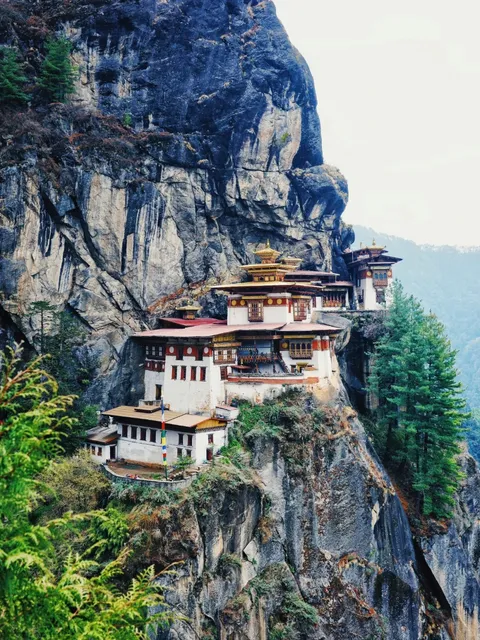
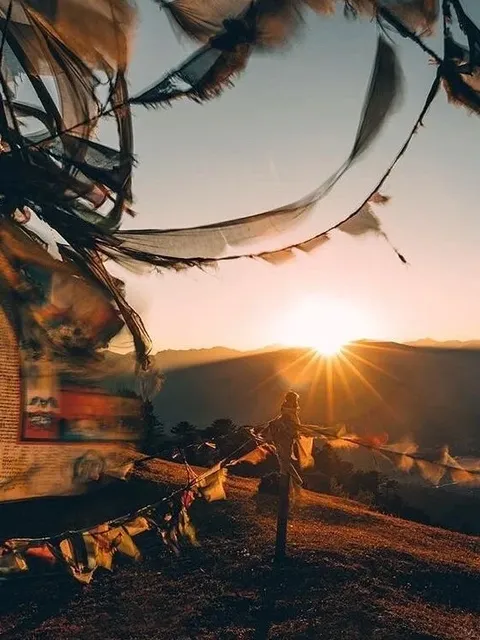
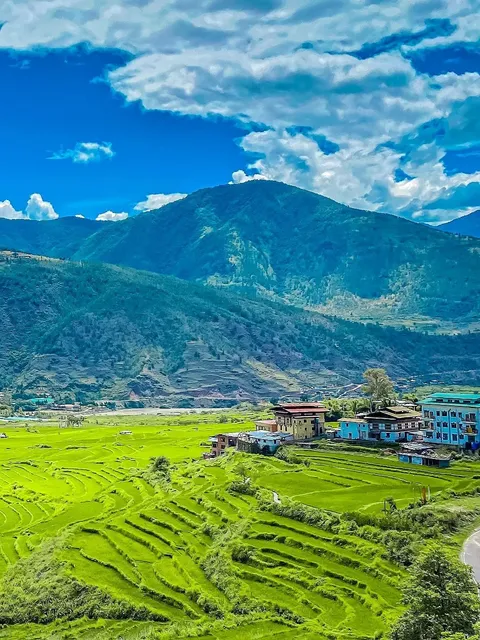
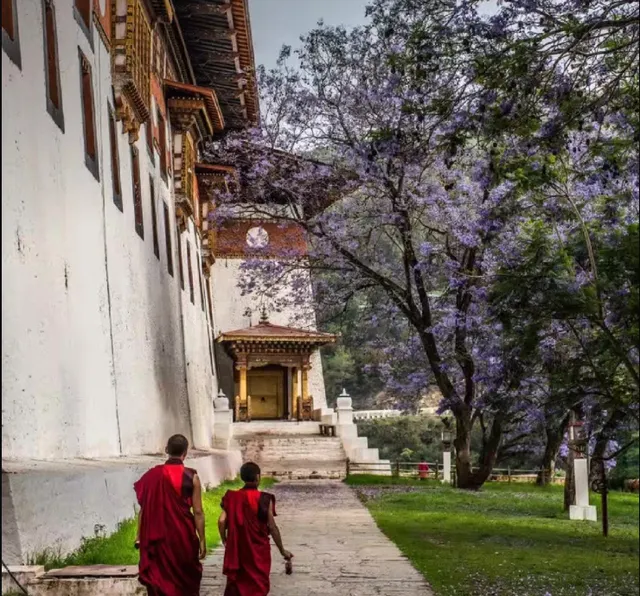
Gangtey Valley, also known as Phobjikha Valley, one of Bhutan’s most breathtaking natural sanctuaries:
🌄 What Makes Gangtey Valley Special
Located at around 3,000 m elevation in central Bhutan’s Wangdue Phodrang District, Gangtey Valley is a sweeping U-shaped glacial valley renowned for its pristine landscapes and spiritual serenity .
🦢 Black-Necked Cranes & Wildlife
From late October to February, the valley becomes the winter refuge for 400+ endangered black-necked cranes, which are believed to circle Gangtey Monastery three times upon arrival and departure .
The Black-necked Crane Festival, held annually around November 11–12, celebrates this natural event with masked dances, cultural performances, and conservation education .
The valley also supports rich biodiversity—at least 13 other globally threatened species live within the Ramsar-designated wetland managed by RSPN .
🏯 Gangteng Monastery (Gangtey Gonpa)
Founded in 1613, the monastery is the principal seat of the Nyingma school and Pema Lingpa tradition in Bhutan .
Built atop a small hill, it offers panoramic views over the valley and is central to both religious devotion and community life .
It hosts two major festivals: the Gangtey Tsechu (late lunar month 8, around September–October) and the Crane Festival in November .
🌿 Trails, Village Life & Experiences
The Gangtey Nature Trail is a scenic 2–3 km flat trek (~90 minutes to 2 hours) starting near the monastery. It passes through pine and bamboo forests, rhododendron blooms (spring), local villages, and grazing meadows .
Popular multi-day routes include 3-day treks linking Gangtey Monastery with villages like Kumbu and ending at Tikki Zampa—a fusion of nature and culture .
Activities include mountain biking, guided walks to traditional hamlets, homestays, cheese‑making visits, and tree planting picnics in summer .
📅 Best Time to Visit
November–February: Ideal for crane watching and attending the Crane Festival. Expect crisp air and valley covered in snow or frost into January–February .
Spring (March–May): Lush greenery, blooming rhododendrons, and a tranquil ambiance.
Autumn (September–November): Mild weather, golden landscapes, and Gangtey Tsechu festivities .
🚗 Getting There
Fly into Paro, then drive via Thimphu → Punakha → Gangtey (approx. 5–6 hours total).
Distance breakdown: Paro→Thimphu 50 km (1.5 h); Thimphu→Punakha 73 km (2 h); Punakha→Gangtey ~65–75 km (2–2.5 h) .
✨ Experience Highlights
Feature Description
Cultural & Religious Visit Gangteng Monastery, attend masked-dance festivals, and engage at the Crane Info Centre Nature & Wildlife Winter crane congregations, rhododendron blooms, and diverse Himalayan species Outdoor Activities Gentle nature trails, extended treks, mountain biking, and village homestays Conservation & Community Stay in eco-lodges, engage in tree planting and learn traditional farming methods
✅ Why Gangtey Valley Should Be on Your Bhutan Itinerary
Its dramatic open valley scenery is unique in a country dominated by deep green gorges.
The winter visit by majestic black-necked cranes is both rare and deeply symbolic.
Festivals offer immersive cultural richness and celebration.
A balance of outdoor activity and peaceful cultural immersion, with...
Read morePhobjikha Valley (Gangtey) Tourism Placed against a backdrop of the Black Mountains, Phobjikha is one of the flattering bowl-shaped valleys in the country which offers breathtaking views of vast expanses of green fields visible from a number of points along the journey. Also visible at the end of the year is the sight of hundreds of endangered black-necked cranes who fly to their winter home in this valley so snugly nestled amongst the mountains.
Bhutan is known for its natural beauty and the warmth of its people. Out of all its districts, there are some which are less-visited and are comparatively less touristy than say, popular cities like Paro and Thimphu. However, these regions have their allure despite being relatively undiscovered. Phobjikha Valley, located in Wangdue Phodrang District is one of the few glacial valleys in the country. It is distinctly different from the others in the sense that it is shaped like a bowl due to the glacier that existed before and hence is much flatter as compared to others in its category. This valley is located at an average altitude of about 3000 m above sea level which makes it slightly colder compared to other regions. Phobjikha is also known as Gangtey after the Gangtey monastery that overlooks the entire valley. This valley would suit the taste of all nature-lovers, hikers, trekkers and those with a keen interest in birds.It boasts of being the winter home of the endangered Black Necked Crane who fly to the valley to escape the harsh winter in Tibet and is also one of the most important conservation sites in Bhutan.This valley is also relatively untouched by the outside world, and use of electricity in the region began only a few years ago. Ideal for a 1 - 2-day visit, this valley offers not just trips to spiritual and religious Lhakhangs and Goombas but also many hiking and walking trails along which one can encounter the most beautiful of views of birds and landscape alike. There are also a few villages one could visit and observe the rural life thereof. One could take home the intricately designed handwoven carpets from the famous factory in Gangtey or handicrafts from the village shops and maybe a bag full...
Read morePhobjikha Valley also known as Gangtey Valley is one of Bhutan’s most beautiful and spiritually significant highland valley. Phobjikha Valley at a Glance: Altitude: ~3,000 meters (9,800 feet) Region: Central Bhutan (Wangdue Phodrang District) Famous for: Black-necked cranes (endangered migratory birds that arrive from Tibet in winter) Gangtey Monastery (a major Nyingma monastery) Pristine nature and glacial valley landscapes Spiritual ambiance and eco-conscious farming communities
Phobjikha is part of the Black Mountains National Park. Every winter (late October to February), the valley becomes home to the elegant black-necked cranes, which are deeply revered in Bhutanese culture. Cultural Insight: The valley is also home to the 17th-century Gangteng (Gangtey) Monastery, an important center of the Nyingma school of Buddhism. Annual Black-necked Crane Festival is celebrated here in November. Spiritual Peace: The wide-open, treeless valley has a quiet, almost mystical feel. It’s ideal for contemplation, meditation, or just slowing down. Gangtey Nature Trail: A gentle hike (1.5 hrs) through pine forests, quaint villages, and open fields — suitable for all ages and one of the most scenic short hikes in Bhutan.
You’ll find a range of options: Luxury lodges: Gangtey Lodge, Six Senses Gangtey, 3star- Gakiling, Dewachen Hotel,Phobjikha Resort, Hotel Phobjikha etc.... Mid-range hotels & charming farmstays with warm Bhutanese hospitality 🌬️ Weather: Cool climate year-round Winter (Nov–Feb): Can be quite cold; ideal for crane watching Spring/Summer (Mar–Aug): Lush and green with flowers and birds Autumn (Sep–Nov): Clear skies, best views, and...
Read more