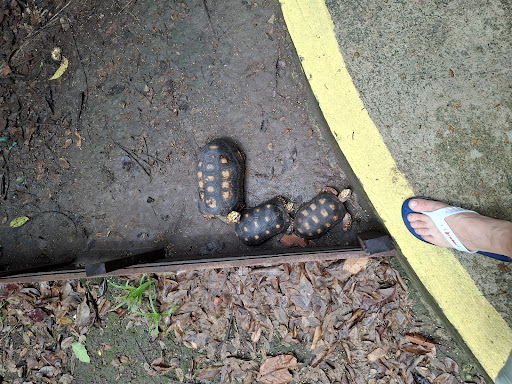
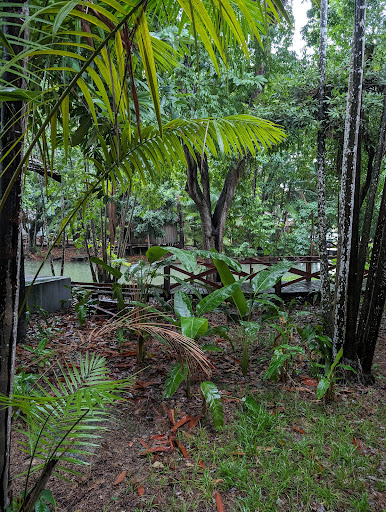
Museu Sacaca things to do, attractions, restaurants, events info and trip planning
Basic Info
Museu Sacaca
Av. Felíciano Coelho, 1509 - Trem, Macapá - AP, 68901-025, Brazil
4.7(1.8K)
Open until 12:00 AM
Save
spot
spot
Ratings & Description
Info
Cultural
Family friendly
Accessibility
attractions: , restaurants: Panificadora Santa Rita, Restaurante e Churrascaria Mineirão, Recanto Do Peixe, BISTRÔ CARAVELLAS, Alayke Bar, Panificadora Nossa Senhora de Lourdes, Pizzaria Nova Aliança, Spettus e cia, Pizzaria e Restaurante Plutão, Skina Retro Boteco, local businesses:
 Learn more insights from Wanderboat AI.
Website
museusacaca.ap.gov.br
Open hoursSee all hours
Tue9 a.m. - 5 p.m.Open
Plan your stay

Pet-friendly Hotels in Região Geográfica Imediata de Macapá
Find a cozy hotel nearby and make it a full experience.

Affordable Hotels in Região Geográfica Imediata de Macapá
Find a cozy hotel nearby and make it a full experience.

The Coolest Hotels You Haven't Heard Of (Yet)
Find a cozy hotel nearby and make it a full experience.

Trending Stays Worth the Hype in Região Geográfica Imediata de Macapá
Find a cozy hotel nearby and make it a full experience.
Reviews
Live events

Candlelight: Tributo ao Coldplay
Sat, Feb 28 • 8:00 PM
S/N, Av. Desidério Antônio Coelho - Trem, Macapá, 68901
View details
Nearby restaurants of Museu Sacaca
Panificadora Santa Rita
Restaurante e Churrascaria Mineirão
Recanto Do Peixe
BISTRÔ CARAVELLAS
Alayke Bar
Panificadora Nossa Senhora de Lourdes
Pizzaria Nova Aliança
Spettus e cia
Pizzaria e Restaurante Plutão
Skina Retro Boteco

Panificadora Santa Rita
4.5
(424)
Open until 12:00 PM
Click for details
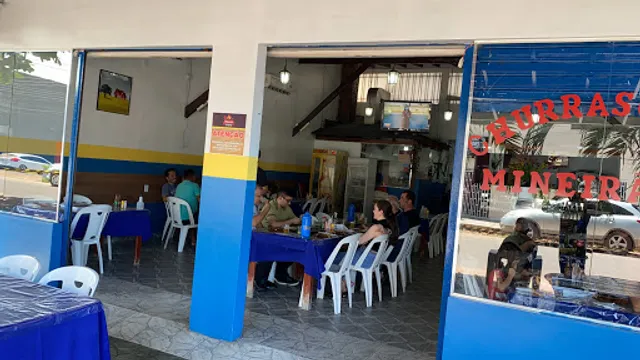
Restaurante e Churrascaria Mineirão
4.3
(239)
$$
Open until 12:00 AM
Click for details
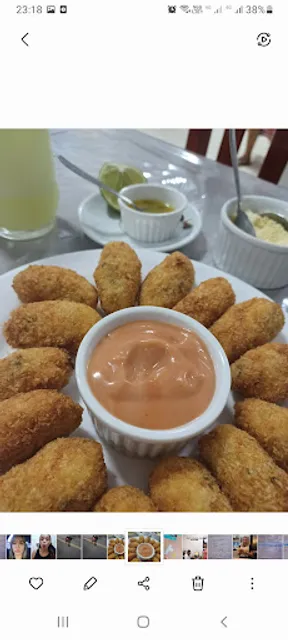
Recanto Do Peixe
4.7
(167)
$$
Open until 12:00 AM
Click for details
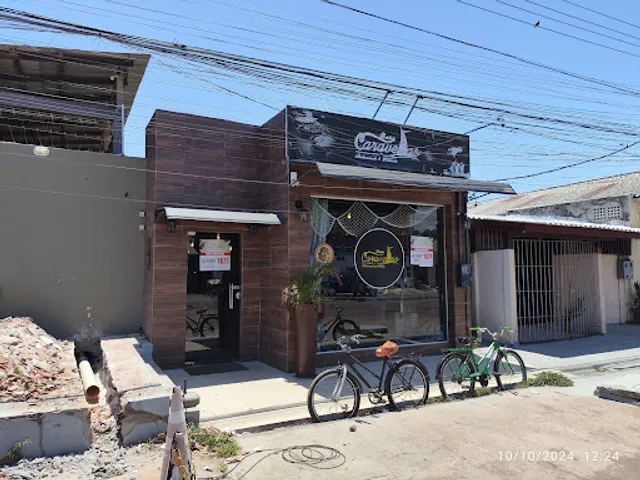
BISTRÔ CARAVELLAS
4.8
(37)
Closed
Click for details