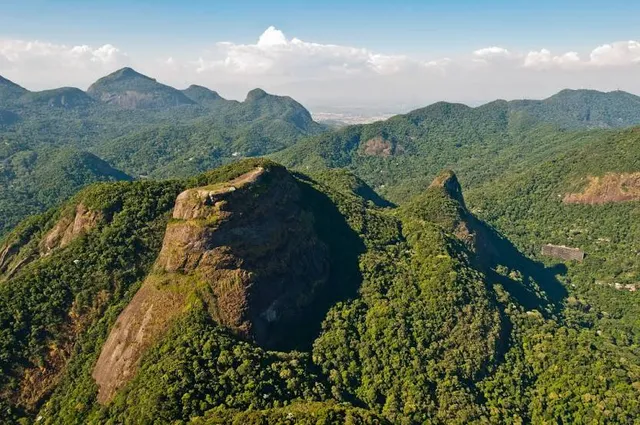
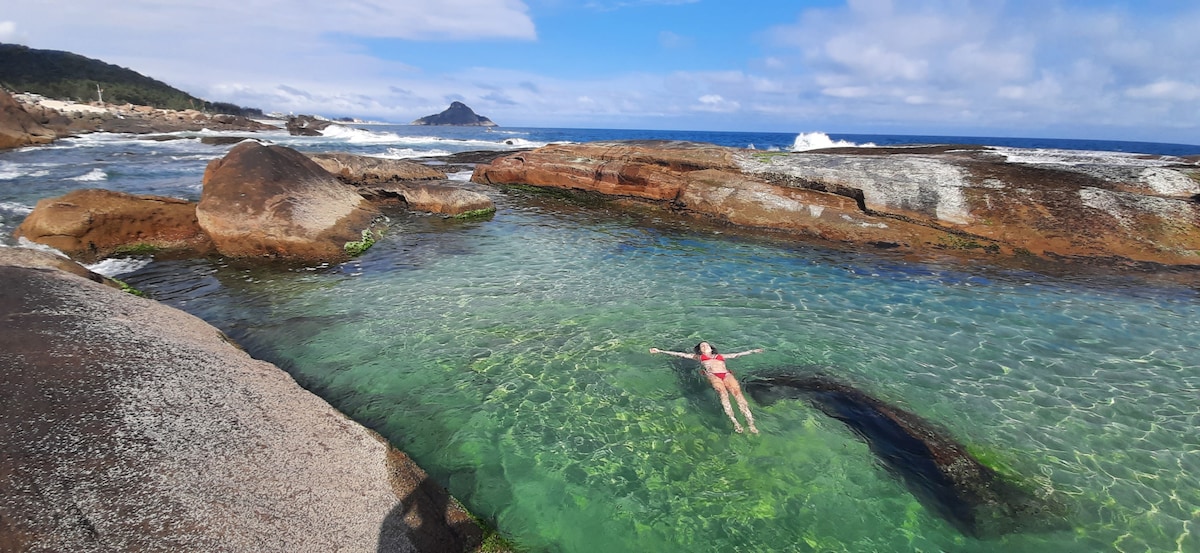
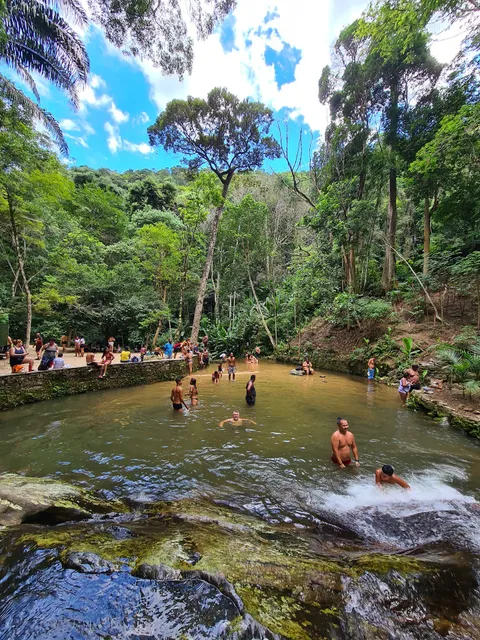
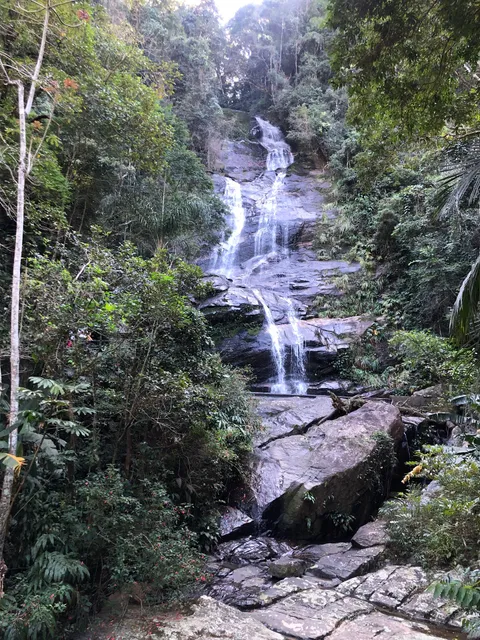
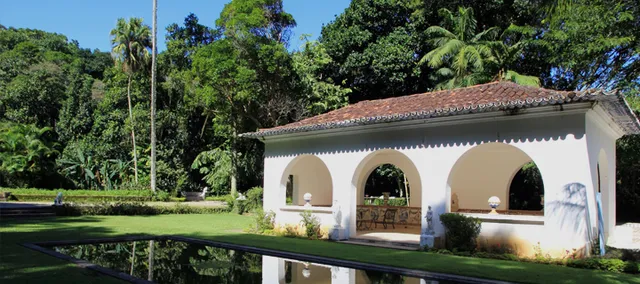
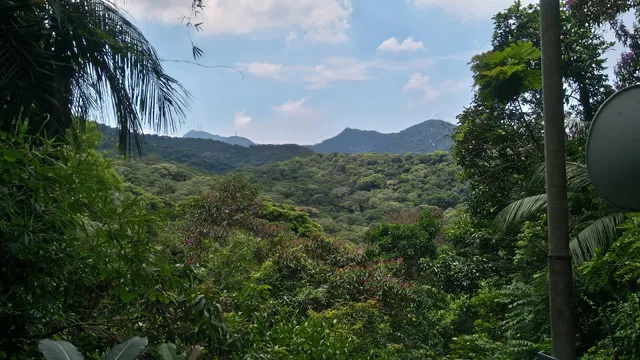
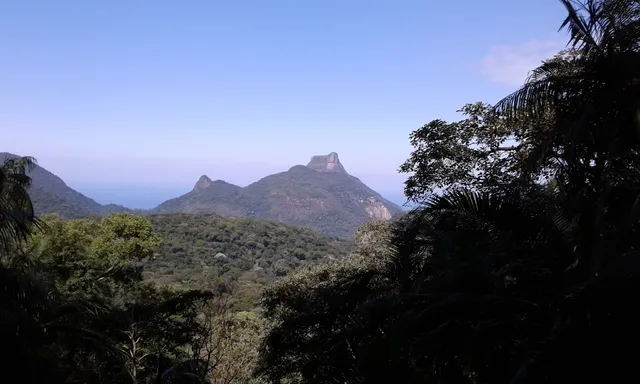
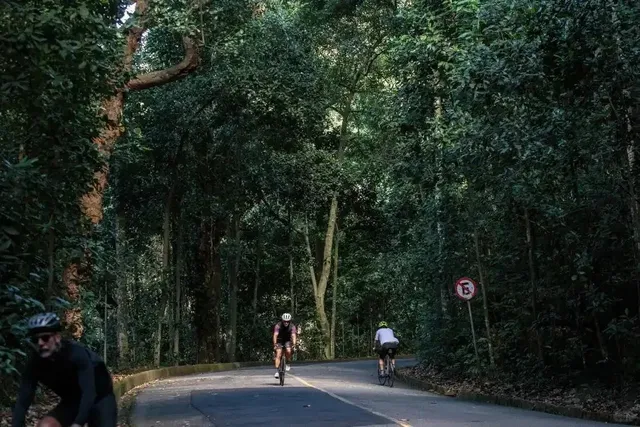
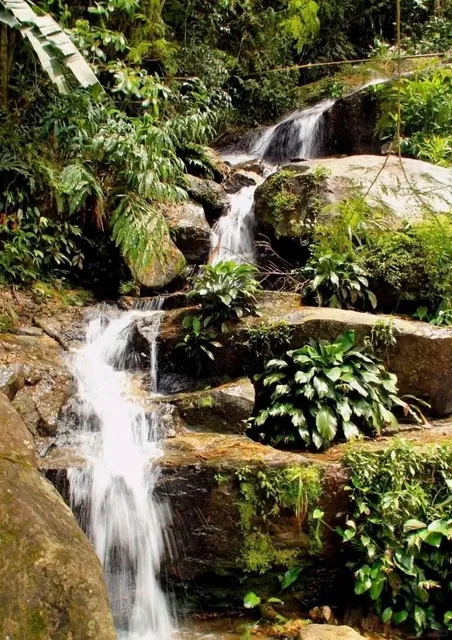
Tijuca National Park is a breathtaking escape in the heart of Rio de Janeiro and stands as one of the world’s largest urban rainforests. Visiting here is pure magic—expect to be wowed by dense canopies, hidden waterfalls, birdsong, and panoramic vistas of the city below. My visit was an unforgettable blend of adventure, tranquility, and discovery.
Highlights and Experience From the very start at the park gates, you’re welcomed by the sounds and sights of the Atlantic Forest: the rustle of leaves, the chattering of capuchin monkeys, and the misty spray of waterfalls like Taunay. Don’t miss iconic landmarks such as the Chinese Pavilion, Mayrink Chapel, and, higher up, views from Pico da Tijuca—the park’s highest peak. For thrill-seekers, activities range from hiking and mountain biking to rapelling and guided eco-tours. Picnic spots and scenic lookouts make this an excellent day for families, nature-lovers, or photographers seeking unique wildlife shots.
The park is steeped in conservation history, from 1800s coffee plantations to modern rewilding efforts, which lend a fascinating backdrop to every trail.
Best Time to Visit Season Months Conditions & Tips Dry Season May–Sept Best for hiking, clear views, cooler temperatures, least rainfall Spring Sept–Nov Lush blooms, mild weather, quieter trails Summer Dec–Mar Dense foliage, long days, some humidity, park is busier Rainy Season Dec–Mar (peaks Jan–Mar) Trails may be slippery, waterfalls fuller, flash floods possible Early morning arrivals are recommended for cooler temperatures, active wildlife, and fewer crowds. Weekdays are less busy; avoid Thursdays, Fridays, and Sundays if possible for a more peaceful experience.
Do’s and Don’ts Do’s Wear proper footwear: Sturdy hiking shoes are essential—trails can be rugged, and flip-flops are unsafe.
Pack sun and insect protection: Hats, sunscreen, and repellent are musts.
Bring water and snacks: Few shops exist inside the park, so come prepared.
Respect wildlife: Watch, photograph from a distance, never feed or approach animals.
Use official trails: Stay on marked paths to prevent erosion and preserve the forest.
Start early: Enjoy wildlife at their most active and avoid midday heat.
Check weather before visiting: Trails can be dangerous in rain or fog.
Hire a certified guide: Especially useful for new visitors or those seeking in-depth knowledge of flora and fauna.
Visit the visitor center: For information, trail maps, and park history.
Don’ts Don’t litter: Pack out what you bring—it’s a conservation area.
Don’t make loud noises or play music: It disturbs both wildlife and fellow visitors.
Do not exit trails or take shortcuts: This can cause damage to sensitive habitats.
Do not feed or get too close to animals: Some may bite, and it disrupts their natural behavior.
Avoid the park after sunset: There’s no lighting, and getting lost is dangerous.
Don’t swim in unmarked waters: Only use designated areas for waterfall baths for your safety.
Do not wear camouflage clothing: It can cause misunderstandings with authorities and is discouraged.
Final Thoughts Tijuca National Park is a rare urban treasure—a living, breathing rainforest with rich biodiversity just minutes from city hustle. Whether you’re hiking to summit views, exploring waterfalls, or simply immersing yourself in birdsong and leafy tranquility, this park offers something for everyone. Respect the park’s rules and rhythms, and you’ll enjoy a safe, memorable adventure in one of Rio’s proudest jewels. Highly...
Read moreIf your intention is to have a good sports day away from the beach, this is a great alternative.There are many different hiking trails here from the very easy to much more complex ones and even a trail for the seeing impaired!!! 👀 we went with a guide, a tour that ended up being very interesting.But there were many groups of people that were just in groups doing their own thing , so I don't necessarily think you have to have a guide. There's a cup of nice waterfalls , not all of them you can bathe in , but the one that we visited for swimming was more of a shower than actual swimming pond! Good place to also escape the heat of the city.Even though we were told by our guide that when it's very hot outside , it gets double hot sauna style in there. Unfortunately, for us, we did not get to see many animals.We heard lots of birds that we did not see and we saw some monkeys.But I was hoping to see much more.And unfortunately when we went that was not the case. As far as what you should wear while you're there , we were in sneakers and t shirt and shorts. We did see some people wearing tall hiking boots and walking sticks. The bathrooms in the park itself are free.But there are trails that have a cafe with bathrooms but they charge almost 4 reals .. You are discouraged at all times of feeding the animals however I did see some locals giving bananas to...
Read moretombado por sua importância cultural para a cidade.
INEPAC – Instituto Estadual do Patrimônio Cultural Nome atribuído: Reservatório Caixa Velha da Tijuca (1850), na Estrada Velha da Tijuca n° 11.160, Alto da Boa Vista Localização: Estrada Velha da Tijuca, n° 11.160 – Alto da Boa Vista- Rio de Janeiro – RJ Processo de Tombamento: E-18/001.542/98 Tombamento Provisório: 9/12/1998
Descrição: Com uso atual como caixa de passagem para o excedente de água do Reservatório do Alto da Boa Vista, inclui açudes, compartimentos de tratamento e residência de funcionários, dispostos de forma longitudinal. O acesso ao complexo, construído basicamente em pedra, fica na Estrada Velha, no Parque Nacional da Tijuca. A origem das caixas remonta ao ano de 1850, quando foi construído para o aproveitamento dos mananciais locais, nomeadamente o Rio Maracanã e seus afluentes. Já o Açude Grande e o Açude Pequeno, hoje vazios, datam de 1869. Fonte: Prefeitura Municipal.
Descrição: Conjunto significativo de vinte e cinco equipamentos urbanos – caixas-d’água, reservatóriose represas – localizados nos municípios do Rio de Janeiro e Niterói. Este elenco de artefatos não é apenas uma amostra representativa do processo de evolução da captação, tratamento, armazenamento e distribuição de água nos dois municípios. É também um espelho da própria história da metrópole carioca, pois reflete, através da expansão dos sistemas, o processo de ocupação do território e o adensamento das áreas urbanas nos últimos 150 anos. Além disso, esses equipamentos são testemunhos da evolução tecnológica da engenharia nacional, tanto no âmbito das teorias da hidráulica, como do cálculo estrutural e das técnicas construtivas. Fonte: Inepac.
CONJUNTO: Rio de Janeiro e Niterói – Conjunto de Reservatórios
MAIS INFORMAÇÕES: Inepac Inepac
A Águas do Rio é uma empresa brasileira que detém a concessão dos serviços públicos de abastecimento de água e saneamento básico no estado do Rio de Janeiro em 26 municípios e 124 bairros da cidade do Rio de Janeiro desde 1 de novembro de 2021, quando assumiu esta função da Companhia Estadual de Águas e Esgotos do Rio de Janeiro (CEDAE). A empresa faz parte do grupo Aegea Saneamento. Em agosto de 2021, a empresa Aegea venceu a disputa pelos blocos 1 e 4 do leilão para exploração da concessão dos serviços de distribuição de água e de saneamento do estado do Rio de Janeiro — tornando-se a empresa responsável pela maior área do estado, mesmo sem incluir a área de concessão da Prolagos, outra empresa do grupo.13]
Estes blocos abrangem 26 municípios e 124 bairros do Centro, da Zona Sul e da Zona Norte — parte da Praça Seca e Vila Valqueire foram incluídos neste bloco, mesmo estando tecnicamente na Zona Oeste — da cidade do Rio de Janeiro. A concessão para exploração dos serviços será por 35 anos e há o compromisso de universalização dos serviços até 2033.[1[3]
A operação da empresa se iniciou em novembro de 2021 com Alexandre Bianchini como presidente da empresa.[4]
Alguns reservatórios — tombados pelo Instituto Estadual do Patrimônio Cultural (INEPAC) — também fazem parte da concessão:[3]
Caixa da Mãe D'Água (1744)
Caixa Nova da Tijuca (1883) – Alto da Boa Vista
Caixa Velha da Tijuca (1850)
Represa do Rio Cabeça (1883)
Reservatório e Açude dos Macacos (1877) – Jardim Botânico
Reservatório Francisco Sá (1923) – Andaraí
Reservatório da Carioca (1865) – Santa Teresa
Reservatório da Penha (1914)
Reservatório da Quinta da Boa Vista (1867) – São Cristóvão
Reservatório de Paquetá (1908)
Reservatório do Cantagalo (1930) – Copacabana
Reservatório do França (1883)
Reservatório do Livramento (1882) – Gamboa
Reservatório do Morro da Viúva (1878) – Flamengo
Reservatório do Morro de São Bento (1877) – Centro
Reservatório do Morro do Inglês (1868) – Cosme Velho
Reservatório do Morro do Pinto (1874) – Gamboa
Reservatório do Pedregulho (1880) – São Cristóvão
Reservatório Monteiro de Barros (1908) – Engenho de Dentro
Referências
Rodrigues, Léo (25 de junho de 2022). «"Será o paraíso se cumprir as metas", diz Paes...
Read more