HTML SitemapExplore
Find Things to DoFind The Best Restaurants

Bakong Temples — Attraction in Prasat Bakong District

Name
Bakong Temples
Description
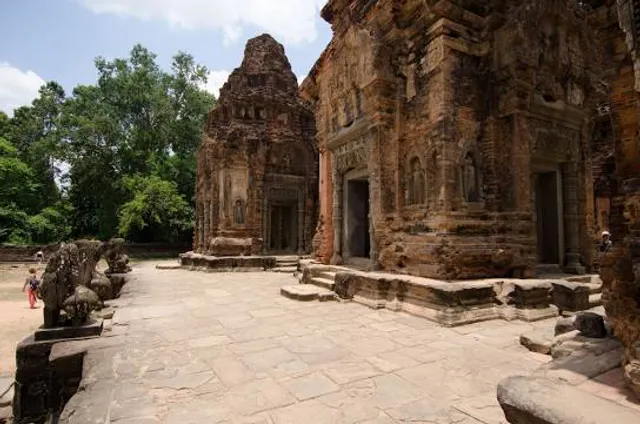
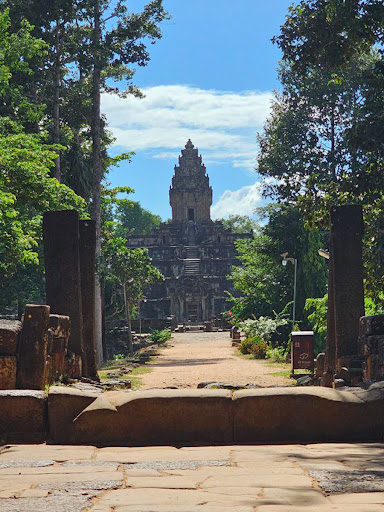
Bakong is the first Khmer temple mountain of sandstone constructed by rulers of the Khmer Empire at Angkor near modern Siem Reap in Cambodia.
Nearby attractions
Preah Ko Temple
Angkor Archaeological Park, Krong Siem Reap 17000, Cambodia
Nearby restaurants
Nearby hotels
Related posts
Keywords
Bakong Temples tourism.Bakong Temples hotels.Bakong Temples bed and breakfast. flights to Bakong Temples.Bakong Temples attractions.Bakong Temples restaurants.Bakong Temples travel.Bakong Temples travel guide.Bakong Temples travel blog.Bakong Temples pictures.Bakong Temples photos.Bakong Temples travel tips.Bakong Temples maps.Bakong Temples things to do.
Bakong Temples things to do, attractions, restaurants, events info and trip planning
Bakong Temples
CambodiaSiem ReapPrasat Bakong DistrictBakong Temples

Basic Info

Bakong Temples

8XPG+F29, Prasat Bakong, Cambodia
4.6(744)
Open 24 hours
Save
spot

Ratings & Description

Info

Bakong is the first Khmer temple mountain of sandstone constructed by rulers of the Khmer Empire at Angkor near modern Siem Reap in Cambodia.

Cultural
Scenic
Family friendly
attractions: Preah Ko Temple, restaurants:
logoLearn more insights from Wanderboat AI.
Website
apsaraauthority.gov.kh

Plan your stay

hotel
Pet-friendly Hotels in Prasat Bakong District
Find a cozy hotel nearby and make it a full experience.
hotel
Affordable Hotels in Prasat Bakong District
Find a cozy hotel nearby and make it a full experience.
hotel
The Coolest Hotels You Haven't Heard Of (Yet)
Find a cozy hotel nearby and make it a full experience.
hotel
Trending Stays Worth the Hype in Prasat Bakong District
Find a cozy hotel nearby and make it a full experience.

Reviews

Nearby attractions of Bakong Temples

Preah Ko Temple

Preah Ko Temple

Preah Ko Temple

4.6

(445)

Open 24 hours
Click for details

Things to do nearby

Study Khmer cooking with a local in Siem Reap
Sat, Dec 27 • 9:30 AM
Krong Siem Reap, Siem Reap Province 17254, Cambodia
View details
Angkor Wat Sunrise Guided Tour and Breakfast
Sat, Dec 27 • 4:30 AM
Krong Siem Reap, Siem Reap Province 17252, Cambodia
View details
Authentic Cambodian Countryside by Jeep
Sat, Dec 27 • 8:00 AM
Krong Siem Reap, Siem Reap Province 1752, Cambodia
View details
Get the Appoverlay
Get the AppOne tap to find yournext favorite spots!
Wanderboat LogoWanderboat

Your everyday Al companion for getaway ideas

CompanyAbout Us
InformationAI Trip PlannerSitemap
SocialXInstagramTiktokLinkedin
LegalTerms of ServicePrivacy Policy

Get the app

© 2025 Wanderboat. All rights reserved.

Reviews of Bakong Temples

4.6
(744)
avatar
5.0
3y

Impressive atmosphere!

Exploring the Majestic Bakong Temple in Siem Reap, Cambodia

Located in the heart of Siem Reap, Cambodia, the Bakong Temple is a magnificent ancient structure that stands as a testament to the rich cultural heritage of the Khmer Empire. This report aims to provide a comprehensive overview of the Bakong Temple, including its historical significance, architectural features, and the overall experience of visiting this awe-inspiring site.

Historical Significance: The Bakong Temple, built in the late 9th century during the reign of King Indravarman I, is considered one of the earliest and most important temples of the Roluos Group. It was dedicated to the Hindu god Shiva and served as the state temple of the Khmer capital, Hariharalaya. The temple's construction marked a significant shift in Khmer temple architecture, setting the stage for the grandeur of later Angkor temples.

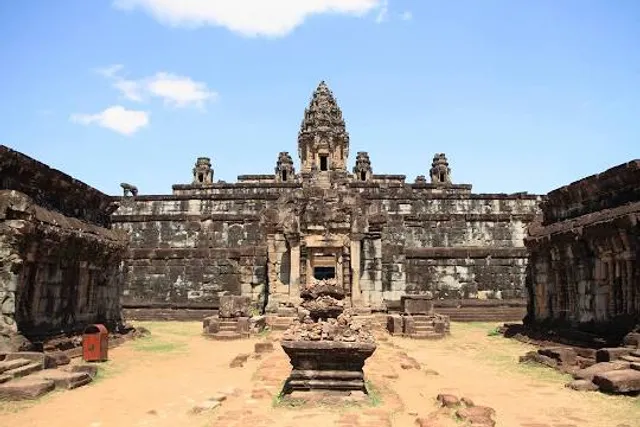
Architectural Features: The Bakong Temple showcases the architectural brilliance of the Khmer Empire. The temple is built on a five-tiered pyramid-like structure, representing Mount Meru, the mythical abode of the gods. The temple's central sanctuary is surrounded by a series of concentric galleries, adorned with intricate carvings depicting scenes from Hindu mythology and daily life during the Khmer era.

The temple's main entrance is guarded by stone lions, and the outer walls feature beautifully carved lintels and pediments. The Bakong Temple's design and layout reflect the Khmer's deep spiritual beliefs and their mastery of engineering and architectural techniques.

Exploring the Temple Complex: Visiting the Bakong Temple is a truly immersive experience. As you approach the temple, you'll be greeted by a vast courtyard, which was once bustling with religious ceremonies and royal processions. The temple's grand scale and serene surroundings create a sense of awe and wonder.

Climbing the steep steps to the top of the temple offers panoramic views of the surrounding countryside, allowing visitors to appreciate the temple's strategic location and its significance as a religious and political center. Exploring the galleries and admiring the intricate carvings provides a glimpse into the artistic prowess of the Khmer civilization.

Preservation and Restoration Efforts: Over the years, the Bakong Temple has undergone extensive restoration and preservation efforts by the Cambodian government and international organizations. These initiatives aim to protect the temple from further deterioration and ensure its cultural significance is preserved for future generations.

Visitor Information: a. Location: The Bakong Temple is situated approximately 12 kilometers east of Siem Reap, making it easily accessible for tourists visiting the Angkor Archaeological Park. b. Opening Hours: The temple is open daily from 7:30 am to 5:30 pm. c. Entrance Fee: As of [current year], the entrance fee for the Bakong Temple is included in the Angkor Archaeological Park pass. d. Guided Tours: Visitors have the option to explore the temple independently or hire a knowledgeable guide to provide insights into its history and significance.

Conclusion: The Bakong Temple in Siem Reap, Cambodia, is a remarkable testament to the architectural and cultural achievements of the Khmer Empire. Its historical significance, intricate carvings, and awe-inspiring design make it a must-visit destination for travelers seeking to immerse themselves in Cambodia's rich heritage. A visit to the Bakong Temple is an unforgettable experience that offers a glimpse into the grandeur of the Khmer civilization and leaves visitors with a deep appreciation for the country's...

   Read more
avatar
5.0
1y

Bakong Temple, the jewel of the Roluos Group of temples, is a breathtaking site that offers a profound glimpse into the grandeur of the Khmer Empire. As the first significant temple mountain constructed by the Khmer, it stands as a testament to the architectural brilliance and spiritual devotion of the era.

The journey to Bakong is an adventure in itself, with the serene Cambodian countryside providing a picturesque backdrop. Upon arrival, the temple's majestic silhouette against the sky leaves a lasting impression. The central pyramid, surrounded by beautiful lotus ponds, exudes a sense of timelessness and tranquility.

What truly sets Bakong apart is its less crowded atmosphere compared to the more famous Angkor Wat. This allows for a more intimate exploration of the intricate carvings, detailed bas-reliefs, and the impressive stone structures without the hustle and bustle of large tourist groups.

The temple complex is well-maintained, and the paths are easy to navigate. I highly recommend hiring a local guide to fully appreciate the rich history and significance of each part of the temple. Their stories and insights bring the stones to life, making the experience even more enriching.

Bakong is not just a visit; it's a journey back in time, offering a unique opportunity to connect with Cambodia's rich cultural heritage. Whether you're a history buff, a photography enthusiast, or simply seeking a peaceful retreat, Bakong Temple will not disappoint.

Don't forget to visit during sunrise or sunset for the most magical views!

Tips:

Wear comfortable shoes and carry water.

Respect the site by keeping it clean and not climbing on the delicate structures.

Try visiting early in the morning or late afternoon to avoid the heat and enjoy the temple in a cooler, more pleasant light.

A visit to Bakong Temple is an unforgettable experience that beautifully encapsulates the spirit and history of Cambodia. Highly...

   Read more
avatar
5.0
2y

Bakong (Khmer: បាគង [ɓaːkɔːŋ]) is the first Khmer temple mountain of sandstone constructed by rulers of the Khmer Empire at Angkor near modern Siem Reap in Cambodia. In the final decades of the 9th century AD, it served as the official state temple of King Indravarman I in the ancient city of Hariharalaya, located in an area that today is called Roluos. In 802 AD, the first king of Angkor Jayavarman II declared the sovereignty of Cambodia. After ups and downs, he established his capital at Hariharalaya. A few decades later, his successors constructed Bakong in stages[2] as the first temple mountain of sandstone at Angkor.[3] The inscription on its stele (classified K.826) says that in 881 King Indravarman I dedicated the temple to the god Shiva and consecrated its central religious image, a lingam whose name Sri Indresvara was a combination of the king's own and the suffix "-esvara" which stood for Shiva ("Iśvara").[4]: 62–63 [5] According to George Coedès, the devarāja cult consisted in the idea of divine kingship as a legitimacy of royal power,[6]: 103  but later authors stated that it doesn't necessarily involve the cult of physical persona of the ruler himself.[7]

Bakong enjoyed its status as the state temple of Angkor for only a few years, but later additions from the 12th or 13th century testify that it was not abandoned. Toward the end of the 9th century, Indravarman's son and successor Yasovarman I moved the capital from Hariharalaya to the area north of Siem Reap now known as Angkor, where he founded the new city of Yaśodharapura around a new temple...

   Read more
Page 1 of 7
Previous
Next

Posts

Elias Chelala (Chewy)Elias Chelala (Chewy)
Bakong Temple, the jewel of the Roluos Group of temples, is a breathtaking site that offers a profound glimpse into the grandeur of the Khmer Empire. As the first significant temple mountain constructed by the Khmer, it stands as a testament to the architectural brilliance and spiritual devotion of the era. The journey to Bakong is an adventure in itself, with the serene Cambodian countryside providing a picturesque backdrop. Upon arrival, the temple's majestic silhouette against the sky leaves a lasting impression. The central pyramid, surrounded by beautiful lotus ponds, exudes a sense of timelessness and tranquility. What truly sets Bakong apart is its less crowded atmosphere compared to the more famous Angkor Wat. This allows for a more intimate exploration of the intricate carvings, detailed bas-reliefs, and the impressive stone structures without the hustle and bustle of large tourist groups. The temple complex is well-maintained, and the paths are easy to navigate. I highly recommend hiring a local guide to fully appreciate the rich history and significance of each part of the temple. Their stories and insights bring the stones to life, making the experience even more enriching. Bakong is not just a visit; it's a journey back in time, offering a unique opportunity to connect with Cambodia's rich cultural heritage. Whether you're a history buff, a photography enthusiast, or simply seeking a peaceful retreat, Bakong Temple will not disappoint. Don't forget to visit during sunrise or sunset for the most magical views! Tips: Wear comfortable shoes and carry water. Respect the site by keeping it clean and not climbing on the delicate structures. Try visiting early in the morning or late afternoon to avoid the heat and enjoy the temple in a cooler, more pleasant light. A visit to Bakong Temple is an unforgettable experience that beautifully encapsulates the spirit and history of Cambodia. Highly recommended!
Garden Village HostelGarden Village Hostel
As a local guide here in Siem Reap, I often recommend a visit to Bakong Temple, especially for those looking to delve deeper into the origins of Khmer architecture and the Angkorian era. Bakong stands as a magnificent testament to early Khmer ingenuity. It's the first temple mountain of sandstone, marking a pivotal moment in the architectural evolution that would later define Angkor Wat. Built in the late 9th century by King Indravarman I, it was the state temple of the city of Hariharalaya, the first major capital in the Angkor region. What makes Bakong truly special is its sense of serene grandeur, often less crowded than its more famous counterparts. You can truly appreciate the intricate details of its five-tiered pyramid, representing Mount Meru, the sacred home of the gods. While some of the original stucco carvings have faded, you can still discern the beautiful guardian lions and devatas that once adorned its terraces. The surrounding laterite walls and the remnants of smaller brick temples at its base offer a glimpse into the earlier construction techniques. For visitors, Bakong provides a unique opportunity to connect with the very foundations of the Angkorian empire. It's a place where history feels tangible, and the quiet atmosphere allows for reflection on the incredible civilization that flourished here. Don't miss the opportunity to see the active Buddhist monastery nearby, adding another layer to the site's living history. It's a truly rewarding experience for anyone interested in the rich heritage of Cambodia.
Gunnar CayaGunnar Caya
Bakong, along with the other Roluos temples, is among the oldest temples you will find in the Angkor area. Built more than 1100 years ago, there are elements that look familiar in comparison to the other temple mountains, but it definitely has a unique look and feel to it. For such an old temple so far outside subsequent capitals of Angkor, this temple was in really good condition. And whereas many temples in Angkor are full of tourists and don't have much in the way of worship, this temple was very much the opposite. There weren't many tourists here, but there were a ton of monks on the grounds, as a modern monastery now exists on the Northeastern side of the island on which Bakong stands. Hearing the prayers and music over the loudspeakers and seeing monks in ochre robes walking around the area made for a unique experience among Angkor temples. Being a decent drive down Road 6 outside of Siem Reap, you will definitely see fewer tourists here. Although some companies offer tours to the Roluos (and all tuk tuk drivers know where it is), most tourists skip this spot. That's really a shame, because this is absolutely one of my favorite temples in Cambodia. If you have more than 2 days in Siem Reap, this temple (as well as nearby Preah Ko) should definitely be on your list of places to see.
See more posts
See more posts
hotel
Find your stay

Pet-friendly Hotels in Prasat Bakong District

Find a cozy hotel nearby and make it a full experience.

Bakong Temple, the jewel of the Roluos Group of temples, is a breathtaking site that offers a profound glimpse into the grandeur of the Khmer Empire. As the first significant temple mountain constructed by the Khmer, it stands as a testament to the architectural brilliance and spiritual devotion of the era. The journey to Bakong is an adventure in itself, with the serene Cambodian countryside providing a picturesque backdrop. Upon arrival, the temple's majestic silhouette against the sky leaves a lasting impression. The central pyramid, surrounded by beautiful lotus ponds, exudes a sense of timelessness and tranquility. What truly sets Bakong apart is its less crowded atmosphere compared to the more famous Angkor Wat. This allows for a more intimate exploration of the intricate carvings, detailed bas-reliefs, and the impressive stone structures without the hustle and bustle of large tourist groups. The temple complex is well-maintained, and the paths are easy to navigate. I highly recommend hiring a local guide to fully appreciate the rich history and significance of each part of the temple. Their stories and insights bring the stones to life, making the experience even more enriching. Bakong is not just a visit; it's a journey back in time, offering a unique opportunity to connect with Cambodia's rich cultural heritage. Whether you're a history buff, a photography enthusiast, or simply seeking a peaceful retreat, Bakong Temple will not disappoint. Don't forget to visit during sunrise or sunset for the most magical views! Tips: Wear comfortable shoes and carry water. Respect the site by keeping it clean and not climbing on the delicate structures. Try visiting early in the morning or late afternoon to avoid the heat and enjoy the temple in a cooler, more pleasant light. A visit to Bakong Temple is an unforgettable experience that beautifully encapsulates the spirit and history of Cambodia. Highly recommended!
Elias Chelala (Chewy)

Elias Chelala (Chewy)

hotel
Find your stay

Affordable Hotels in Prasat Bakong District

Find a cozy hotel nearby and make it a full experience.

Get the Appoverlay
Get the AppOne tap to find yournext favorite spots!
As a local guide here in Siem Reap, I often recommend a visit to Bakong Temple, especially for those looking to delve deeper into the origins of Khmer architecture and the Angkorian era. Bakong stands as a magnificent testament to early Khmer ingenuity. It's the first temple mountain of sandstone, marking a pivotal moment in the architectural evolution that would later define Angkor Wat. Built in the late 9th century by King Indravarman I, it was the state temple of the city of Hariharalaya, the first major capital in the Angkor region. What makes Bakong truly special is its sense of serene grandeur, often less crowded than its more famous counterparts. You can truly appreciate the intricate details of its five-tiered pyramid, representing Mount Meru, the sacred home of the gods. While some of the original stucco carvings have faded, you can still discern the beautiful guardian lions and devatas that once adorned its terraces. The surrounding laterite walls and the remnants of smaller brick temples at its base offer a glimpse into the earlier construction techniques. For visitors, Bakong provides a unique opportunity to connect with the very foundations of the Angkorian empire. It's a place where history feels tangible, and the quiet atmosphere allows for reflection on the incredible civilization that flourished here. Don't miss the opportunity to see the active Buddhist monastery nearby, adding another layer to the site's living history. It's a truly rewarding experience for anyone interested in the rich heritage of Cambodia.
Garden Village Hostel

Garden Village Hostel

hotel
Find your stay

The Coolest Hotels You Haven't Heard Of (Yet)

Find a cozy hotel nearby and make it a full experience.

hotel
Find your stay

Trending Stays Worth the Hype in Prasat Bakong District

Find a cozy hotel nearby and make it a full experience.

Bakong, along with the other Roluos temples, is among the oldest temples you will find in the Angkor area. Built more than 1100 years ago, there are elements that look familiar in comparison to the other temple mountains, but it definitely has a unique look and feel to it. For such an old temple so far outside subsequent capitals of Angkor, this temple was in really good condition. And whereas many temples in Angkor are full of tourists and don't have much in the way of worship, this temple was very much the opposite. There weren't many tourists here, but there were a ton of monks on the grounds, as a modern monastery now exists on the Northeastern side of the island on which Bakong stands. Hearing the prayers and music over the loudspeakers and seeing monks in ochre robes walking around the area made for a unique experience among Angkor temples. Being a decent drive down Road 6 outside of Siem Reap, you will definitely see fewer tourists here. Although some companies offer tours to the Roluos (and all tuk tuk drivers know where it is), most tourists skip this spot. That's really a shame, because this is absolutely one of my favorite temples in Cambodia. If you have more than 2 days in Siem Reap, this temple (as well as nearby Preah Ko) should definitely be on your list of places to see.
Gunnar Caya

Gunnar Caya

See more posts
See more posts