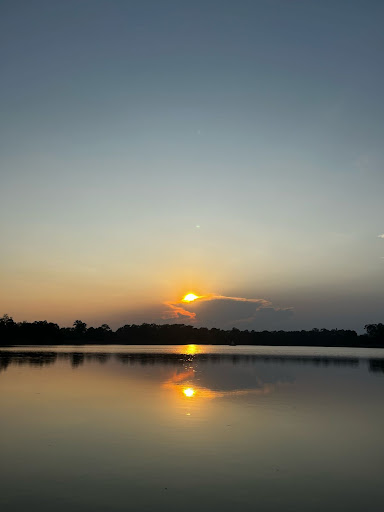
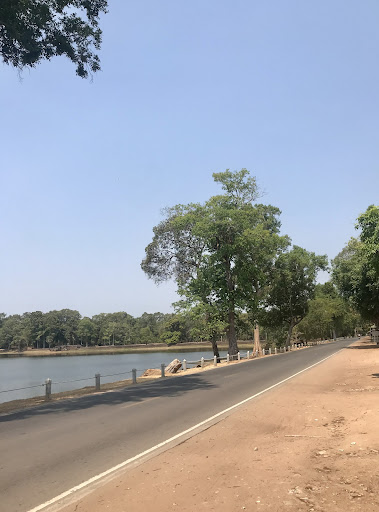
Srah Srang things to do, attractions, restaurants, events info and trip planning
Basic Info
Srah Srang
Krong Siem Reap, Cambodia
4.5(115)
Open 24 hours
Save
spot
spot
Ratings & Description
Info
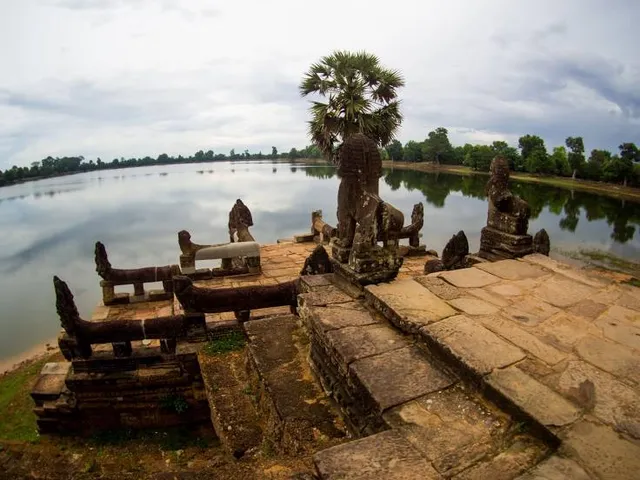
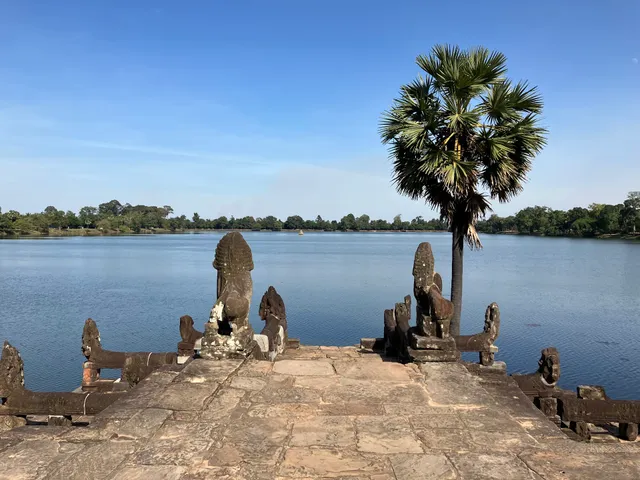
Srah Srang is a baray or reservoir at Angkor, Cambodia, located south of the East Baray and east of Banteay Kdei.
Cultural
Outdoor
Scenic
Family friendly
attractions: Prasat Bat Chum, Banteay Kdei, Kutisvara Temple, restaurants: , local businesses: Srah Srang
 Learn more insights from Wanderboat AI.
Plan your stay

Pet-friendly Hotels in Siem Reap
Find a cozy hotel nearby and make it a full experience.

Affordable Hotels in Siem Reap
Find a cozy hotel nearby and make it a full experience.

The Coolest Hotels You Haven't Heard Of (Yet)
Find a cozy hotel nearby and make it a full experience.

Trending Stays Worth the Hype in Siem Reap
Find a cozy hotel nearby and make it a full experience.
Reviews
Live events
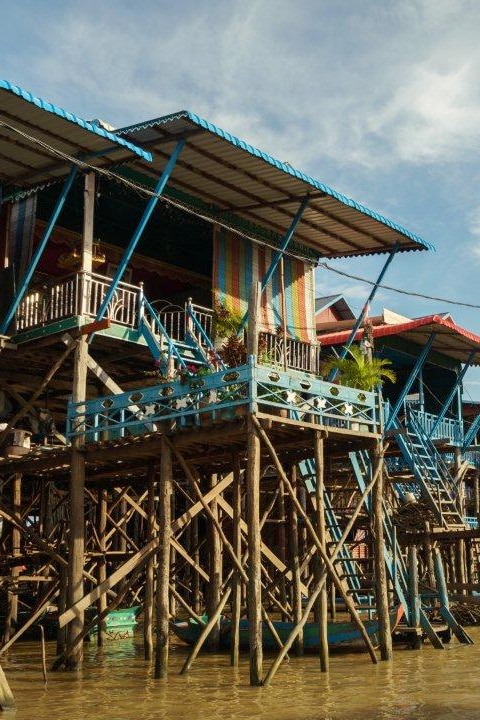
Explore Kampong Phluk Floating Village at sunset
Sun, Feb 8 • 2:30 PM
Krong Siem Reap, Siem Reap Province 171204, Cambodia
View details
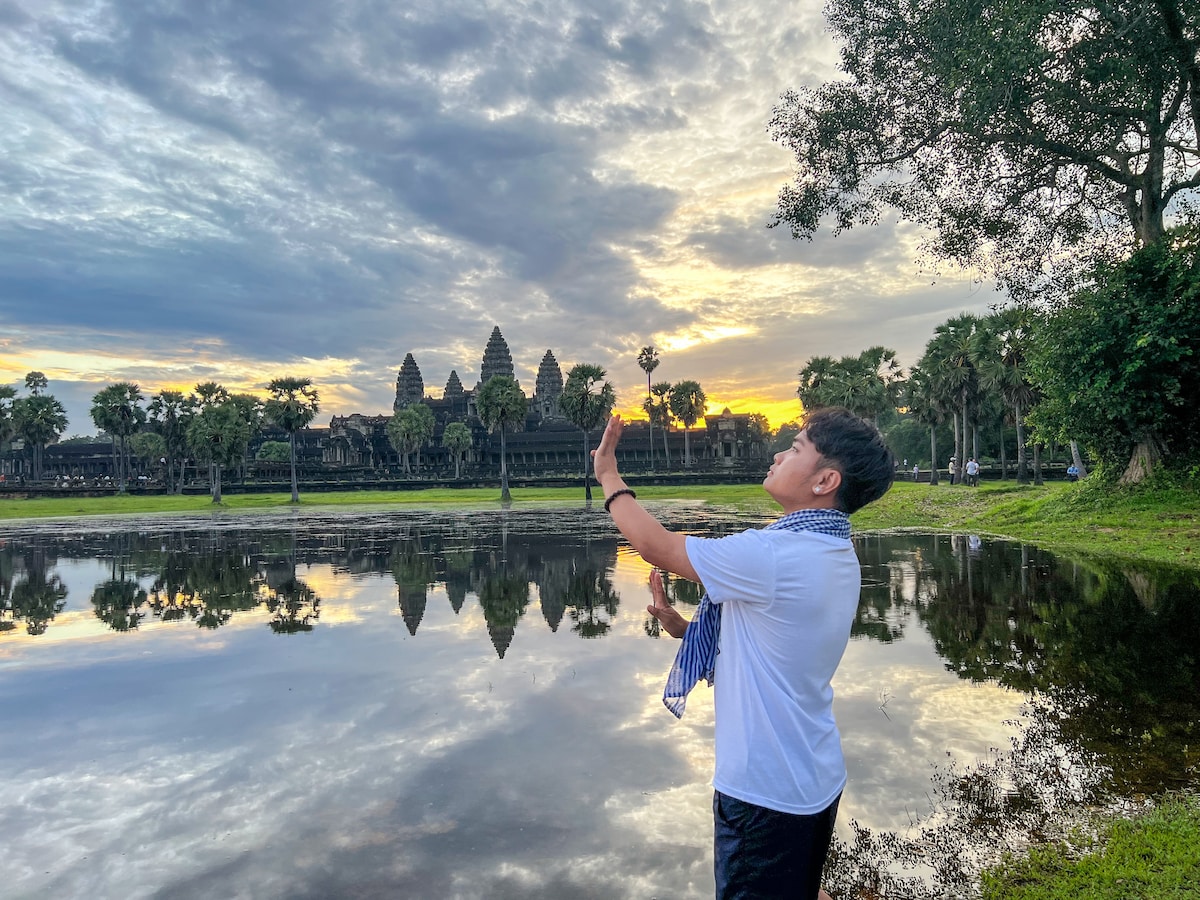
Angkor Wat Sunrise Guided Tour and Breakfast
Mon, Feb 9 • 4:30 AM
Krong Siem Reap, Siem Reap Province 17252, Cambodia
View details
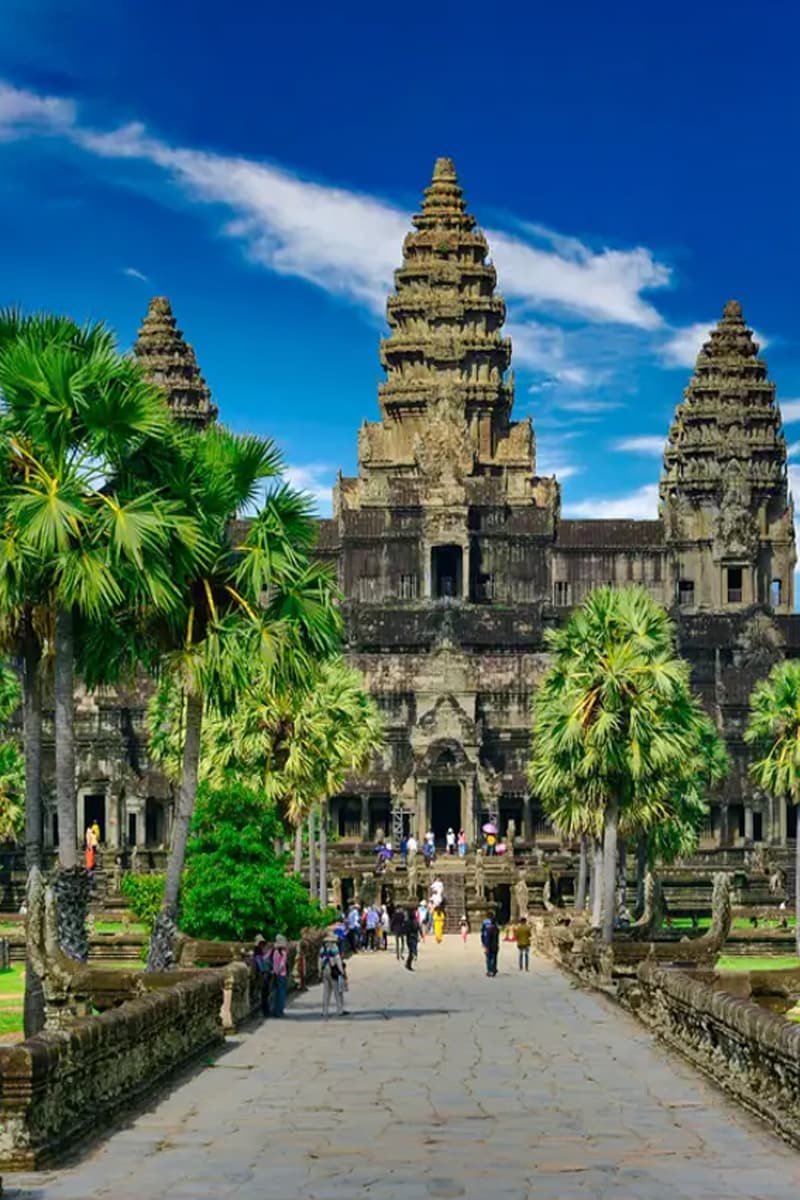
Admire Angkor Wat sunrise
Mon, Feb 9 • 4:30 AM
Krong Siem Reap, Siem Reap Province 00000, Cambodia
View details
Nearby attractions of Srah Srang
Prasat Bat Chum
Banteay Kdei
Kutisvara Temple
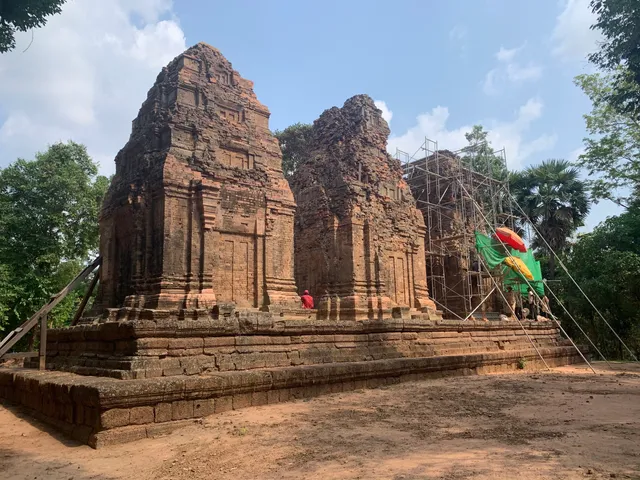
Prasat Bat Chum
4.5
(57)
Closed
Click for details

Banteay Kdei
4.7
(887)
Closed
Click for details
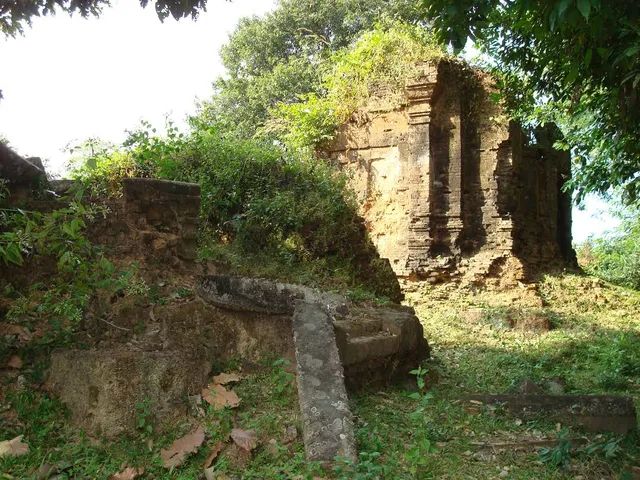
Kutisvara Temple
3.8
(28)
Open 24 hours
Click for details
Nearby local services of Srah Srang
Srah Srang
Srah Srang
4.4
(437)
Click for details