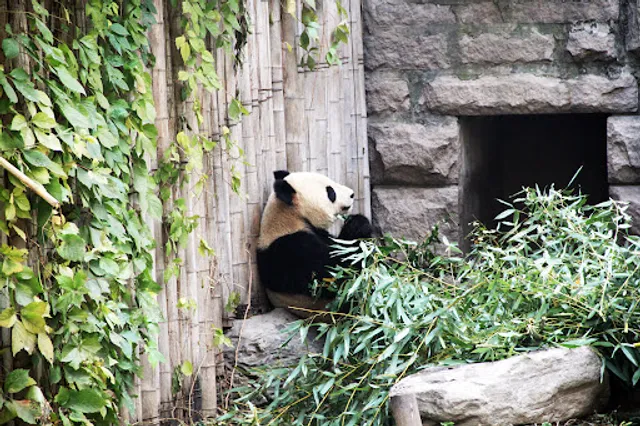
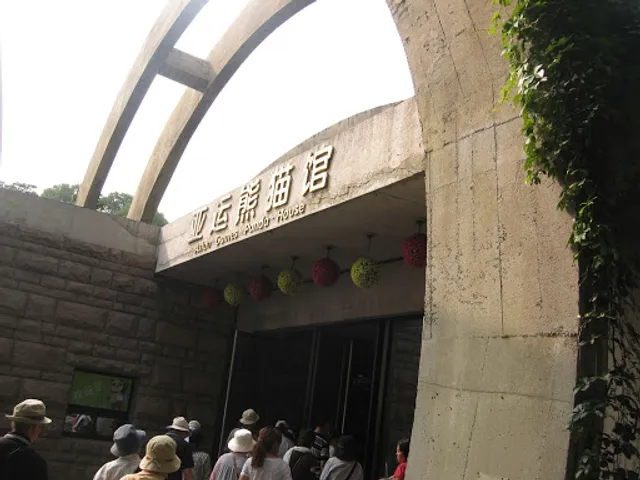
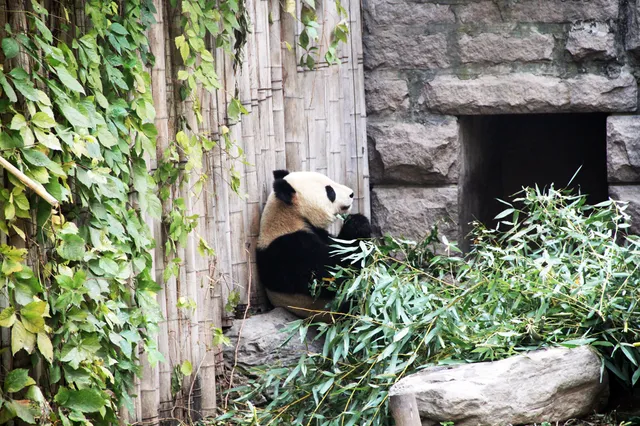
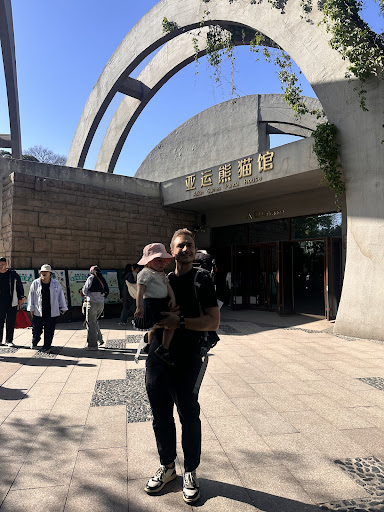
The biggest reason most people come here is, of course, the giant pandas, and they don’t disappoint. The panda house is one of the more modern and well-maintained parts of the zoo. There are a few pandas on display, and you can watch them lounging, eating bamboo, or occasionally moving around (though most of the time, they seem to be sleeping!). Just be prepared for crowds—even on a weekday morning, it was very busy, and people tend to push to get a better view.
🌍 Diverse Animal Collection
The zoo is huge, with thousands of animals across a wide range of species: lions, tigers, elephants, giraffes, monkeys, reptiles, birds, and more. There are also some rare animals native to China like the golden monkey and Sichuan takin. It’s a great opportunity to see animals you might not find in Western zoos.
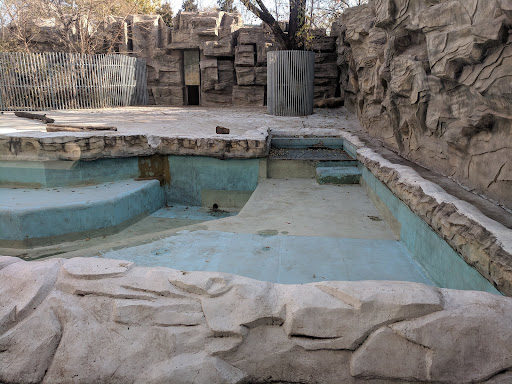
That said, the conditions vary a lot between enclosures. Some animals seemed well cared for, while others looked like they were in small, outdated cages. It was honestly a bit sad to see certain animals pacing around or lying in barren concrete spaces with little enrichment or stimulation. The big cats and bears, in particular, seemed to have very limited space.
🏞️ Scenery and Layout
One thing I did enjoy was the landscaping and layout. There are scenic walking paths, bridges, ponds, and traditional Chinese architecture scattered throughout the zoo. Some areas are really peaceful and pleasant to walk through, especially if you want a break from the crowds or a more relaxing moment away from the animal exhibits.
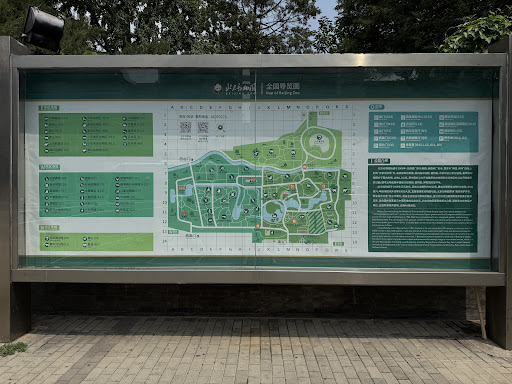
However, the signage and maps could be better. Many signs are only in Chinese or have outdated English translations, which makes navigating a bit confusing if you're not fluent in Mandarin. The zoo is quite large, so wear comfortable shoes—there’s a lot of walking involved!
🐟 Beijing Aquarium
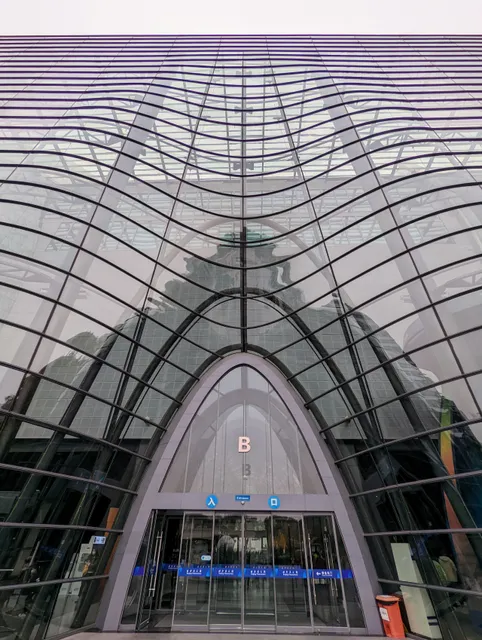
Within the zoo grounds, there’s also the Beijing Aquarium, which requires a separate ticket. It’s one of the largest inland aquariums in the world. If you're visiting with kids or have extra time, it’s worth checking out. The marine animal show is a popular draw, though the ethics of performing animals may not sit well with everyone.
🍜 Food and Amenities
There are several food stalls and souvenir shops throughout the zoo, but don’t expect gourmet meals. Most food is very basic (instant noodles, sausages on sticks, soda, etc.) and can be overpriced. I recommend bringing your own snacks and water if you can. Public restrooms are available but may not be very clean in all areas.
🚇 Accessibility and Transport
Getting to the zoo is super easy via public transport—just take Subway Line 4 to Beijing Zoo Station, and you’re right there. This makes it a convenient half-day trip if you're already exploring central Beijing.
🔍 Final Thoughts
Beijing Zoo is a place with potential, but also one that needs significant updates, especially in terms of animal welfare and enclosure standards. It’s clear that some parts have been renovated and improved (like the panda area), but many other parts feel stuck in the past.
If you're a tourist in Beijing and want to see pandas without traveling to Sichuan, this is a convenient option. But if you’re sensitive to the conditions animals are kept in, be prepared—some scenes might be upsetting.
I’d recommend visiting early in the day on a weekday, avoiding weekends or public holidays when it can get extremely crowded.
Would I go again? Probably not. But I don’t regret the visit—it gave me a chance to see pandas up close and explore a historic site. I just hope the zoo continues to modernize and improve conditions for all...
Read moreBeijing Zoo is a zoological park in Beijing. It is situated to the west of Beijing Exhibition Center and was known for a short time after the founding of the People's Republic as the Western Suburbs Park (Xijiao Gongyuan). The zoo occupies an area of 89 hectares (220 acres), including 5.6 hectares (14 acres) of lakes and ponds. It is one of the oldest zoos in China and has one of the largest animal collections in the country. The zoo and its aquarium have over 450 species of land animals and over 500 species of marine animals. In all, it is home to 14,500 animals. More than six million visitors come to the zoo each year. Like many other Beijing parks, the zoo's grounds resemble classical Chinese gardens, with flower beds amidst natural scenery, including dense groves of trees, stretches of meadows, small streams and rivers, lotus pools and hills dotted with pavilions and historical buildings.
History
In the 18th century, the zoo was known as the Sanbeizi Gardens, supposedly named after the third son of Emperor Kangxi, Prince Cheng Yin. In fact, as early as the Ming Dynasty (1368-1644), an imperial mansion called the Garden of Happiness and Friendship constructed for Prince Kang stood here. And during the Qing Dynasty (1644-1911), part of the Sanbeizi Gardens called the Garden of Continuity (Jiyuan) became the private property of an official in the Bureau of Palace Affairs. In 1906, during the reign of Emperor Guangxu, the park area became an agricultural experimental farm and a zoo. Known as the Garden of Ten Thousand Animals (Wanshengyuan), it opened to the public in 1908. Under the successive rule of the Northern Warlords, the Japanese and the Kuomintang, the park became increasingly desolate. The only elephant died in 1937, and the Japanese, under the pretext of protecting themselves against air raids, poisoned the remaining lions, tigers and leopards. On the eve of the founding of the People's Republic of China in 1949, the park housed only 12 monkeys, two parrots and a blind emu. The park was reopened to the public in 1950, and on Apr.10th, 1955 formally named the Beijing Zoo.
The Beijing Zoo is best known for its collection of rare animals endemic to China including the Giant Pandas, which are zoo's most popular animals, the golden snub-nosed monkey, South China Tiger, white-lipped deer, Pere David's Deer, Crested Ibis, Chinese Alligator and the Chinese Giant Salamander. Other endangered or threatened species include Siberian tiger, yak, Przewalski's horse, snow leopard, Tibetan gazelle, and kiang. The zoo also has a broad collection of mega-fauna such as lions, jaguars, clouded leopards, Asian and African elephants, rhinoceroses, hippopotamuses, black bears, polar bears, tapirs, sea turtles, penguins, gorillas, chimpanzees, kangaroos, muntjac, addax, zebras, otters, bats, flamingos and lemurs. The Beijing Zoo has 13 of the world's 15 species of cranes. The zoo is also a center of zoological research that studies and breeds rare animals from...
Read moreI recently had the pleasure of visiting the Beijing Zoo, and it proved to be a delightful experience filled with a diverse array of animals and beautiful landscapes. Nestled in the heart of the city, this expansive zoo offers a fascinating glimpse into the world of wildlife.
One of the standout features of the Beijing Zoo is its well-maintained and spacious enclosures. The habitats are designed to closely mimic the natural environments of the animals, providing them with ample space to roam and engage in natural behaviors. This attention to detail contributes to a more immersive and educational experience for visitors.
The Giant Panda Pavilion is undoubtedly the star attraction, and rightfully so. Watching these adorable creatures munch on bamboo and playfully interact with each other is a joy for visitors of all ages. The zoo's commitment to panda conservation is evident, and the efforts to recreate their natural habitat are commendable.
Apart from pandas, the zoo boasts an extensive collection of animals, from majestic big cats to playful primates. The diversity of species on display makes it a well-rounded destination for wildlife enthusiasts. I was particularly impressed by the Snow Leopard enclosure, where these elusive and endangered creatures can be observed in a setting that emphasizes both their beauty and the importance of their conservation.
The Beijing Zoo also stands out for its efforts in education and awareness. Informative signage, interactive displays, and knowledgeable staff members contribute to a learning experience that goes beyond mere entertainment. It's an excellent place for families and school groups looking to spark an interest in the natural world.
While the overall atmosphere is positive, some areas of the zoo could benefit from additional signage and improved directional information. Navigating the extensive grounds can be a bit challenging, especially for first-time visitors. However, the occasional surprise discovery around each corner adds an element of adventure to the experience.
In terms of amenities, the Beijing Zoo offers various dining options, souvenir shops, and rest areas. The cleanliness and maintenance of these facilities enhance the overall visitor experience.
In conclusion, a visit to the Beijing Zoo is a worthwhile venture for anyone seeking a blend of entertainment, education, and appreciation for the planet's diverse fauna. With its commitment to animal welfare, conservation, and engaging exhibits, the zoo succeeds in creating a memorable day out for individuals and...
Read more