HTML SitemapExplore
logo
Find Things to DoFind The Best Restaurants

Juyong Pass — Attraction in Beijing

Name
Juyong Pass
Description
Nearby attractions
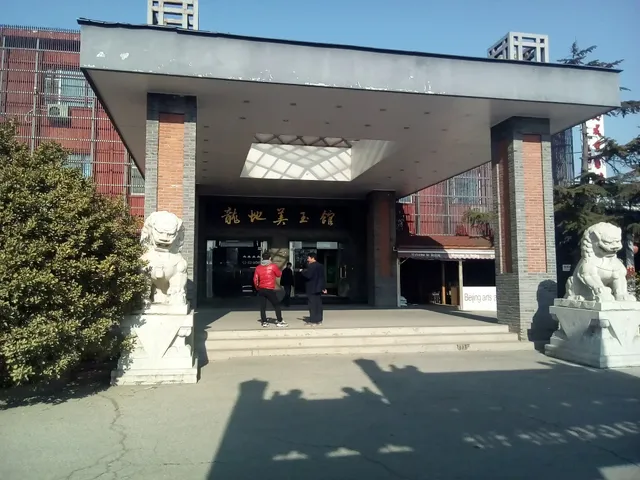
Juyongguan Great Wall Museum
China, Beijing, Changping District, Nankou Area Residential District, 居庸关长城景区 邮政编码: 102202
Nearby restaurants
Juyongguan Great Wall Hotel Restaurant
China, Beijing, Changping District, 216省道 邮政编码: 102202
Related posts
Keywords
Juyong Pass tourism.Juyong Pass hotels.Juyong Pass bed and breakfast. flights to Juyong Pass.Juyong Pass attractions.Juyong Pass restaurants.Juyong Pass travel.Juyong Pass travel guide.Juyong Pass travel blog.Juyong Pass pictures.Juyong Pass photos.Juyong Pass travel tips.Juyong Pass maps.Juyong Pass things to do.
Juyong Pass things to do, attractions, restaurants, events info and trip planning
Juyong Pass
ChinaBeijingJuyong Pass

Basic Info

Juyong Pass

73Q7+WH2, Changping District, Beijing, China, 102202
4.7(579)
Open 24 hours
Save
spot

Ratings & Description

Info

Cultural
Outdoor
Scenic
Family friendly
attractions: Juyongguan Great Wall Museum, restaurants: Juyongguan Great Wall Hotel Restaurant
logoLearn more insights from Wanderboat AI.
Phone
+86 10 6977 1665

Plan your stay

hotel
Pet-friendly Hotels in Beijing
Find a cozy hotel nearby and make it a full experience.
hotel
Affordable Hotels in Beijing
Find a cozy hotel nearby and make it a full experience.
hotel
The Coolest Hotels You Haven't Heard Of (Yet)
Find a cozy hotel nearby and make it a full experience.
hotel
Trending Stays Worth the Hype in Beijing
Find a cozy hotel nearby and make it a full experience.

Reviews

Nearby attractions of Juyong Pass

Juyongguan Great Wall Museum

Juyongguan Great Wall Museum

Juyongguan Great Wall Museum

4.8

(22)

Open 24 hours
Click for details

Nearby restaurants of Juyong Pass

Juyongguan Great Wall Hotel Restaurant

Juyongguan Great Wall Hotel Restaurant

Juyongguan Great Wall Hotel Restaurant

4.3

(125)

$$

Click for details
Get the Appoverlay
Get the AppOne tap to find yournext favorite spots!
Wanderboat LogoWanderboat

Your everyday Al companion for getaway ideas

CompanyAbout Us
InformationAI Trip PlannerSitemap
SocialXInstagramTiktokLinkedin
LegalTerms of ServicePrivacy Policy

Get the app

© 2025 Wanderboat. All rights reserved.
logo

Reviews of Juyong Pass

4.7
(579)
avatar
5.0
6y

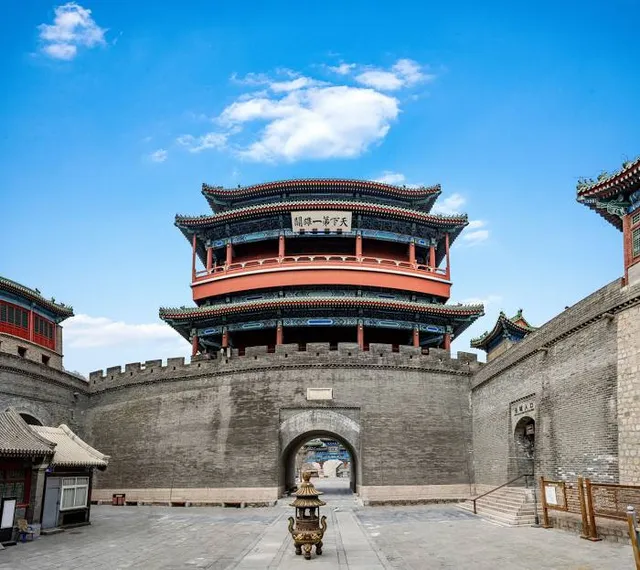
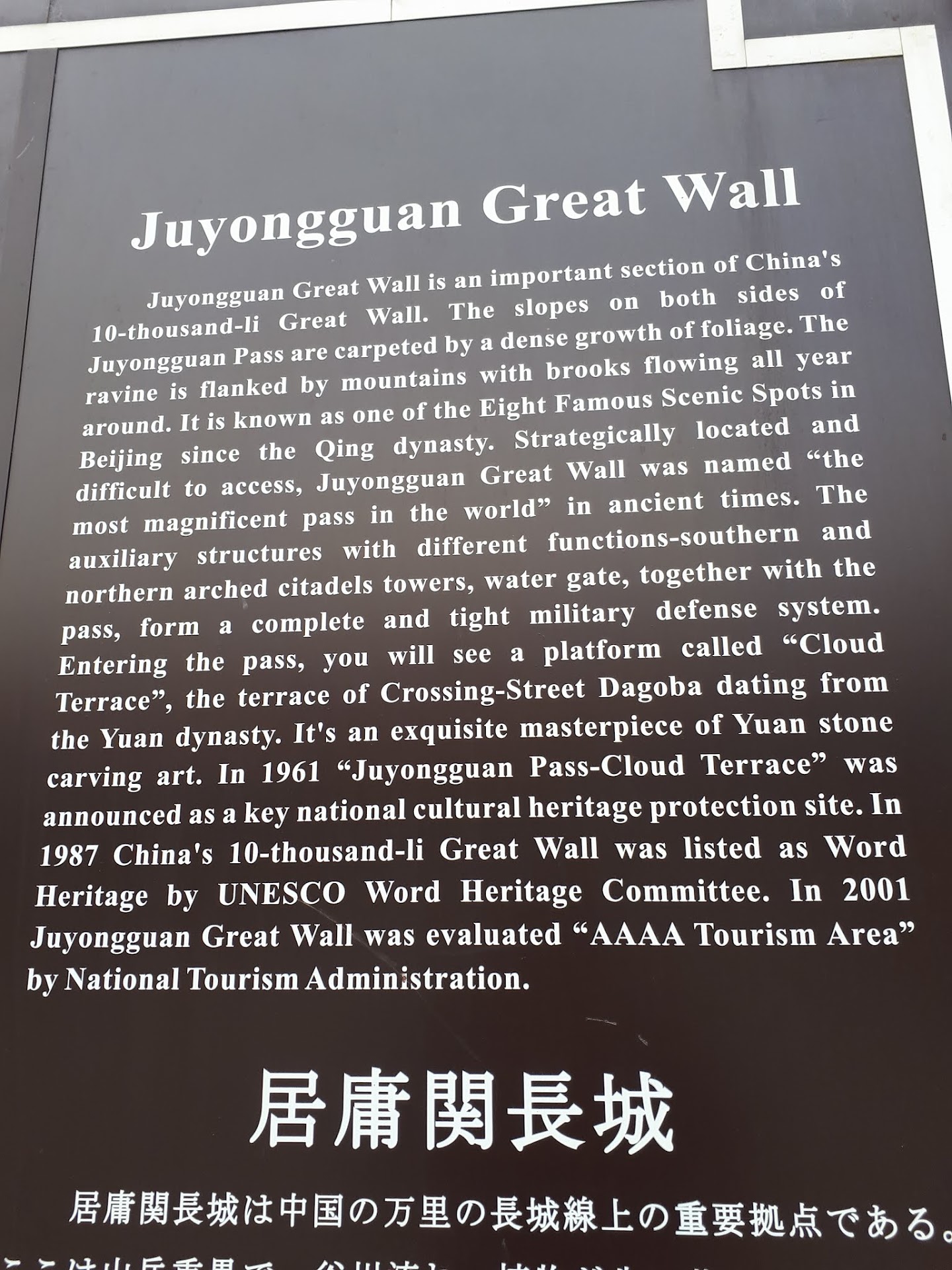
Juyongguan Great Wall or Juyong Pass is located in an 18-kilometer long valley named "Guangou" in Changping County, more than 50 kilometers from Beijing. It is generally considered one of the three greatest passes on the Great Wall of China. The other two passes are Jiayu Pass and Shanhai Pass.

The name "Juyong Pass" was first used in the Qin Dynasty when Emperor Qinshihuang first gave the order to build the Great Wall. Juyong Pass has two passes: the "Nan Pass", or "Southern Pass" in the south and "Badaling" in the north. Badaling Great Wall has a somewhat larger reputation since it was connected to the Great Wall during both the Northern and Southern Dynasties. In the middle of Juyong Pass, there is a "Cloud Platform", also known as "Crossing Street Tower."

Originally built of white marble during the Yuan Dynasty with a height of 9.5 meters, lots of examples of period architecture such as stone railings and watch towers can be found along the platform. In the middle of the base of the platform there is an arched door where men, horses, and carriages could often pass through on their way either into or out of Beijing. Many animal images were carved in the arched doorways and on both sides of the door are carved statues of both Taoist and Buddhist gods. There were three white towers on the platform in the past, but they were destroyed in the interval between the Yuan and Ming dynasties. Later a Tai’an Temple was built on the platform but was later destroyed in the Qing Dynasty.

The present Juyongguan Great Wall was initially built in the Ming Dynasty and rebuilt many times later. It was strategically very important as it connected the inland areas and the area near the northern border of China. Being a strong defense barrier for Beijing, Juyong Pass witnessed many important battles throughout Imperial China. As there are lush trees around the Pass, the so-called Folded Greenness of Juyong Pass is one of "the Eight Best Scenic Spots of...

   Read more
avatar
5.0
13w

Sajnos 2025.augusztusban a lehullott nagy mennyiségű csapadék miatt életveszélyes lett és ideiglenesen lezárták. A kínai Nagy Fal egyik híres hágója, a „belső három hágó” egyike. Az ókorban a „világ legfontosabb hágójaként” ismerték. Egy 15 km-es völgy (Guangou-völgy) közepén épült, két oldalán a Cuiping-hegy és a Jingui-hegy áll. Látnivalók: Ju yong-hágó: A kínai Nagy Fal egyik leghíresebb és legfestőibb szakasza. Az „Első hágó az ég alatt” néven ismert, egy összetett védelmi rendszer, amely egykor a legnehezebben élhető hely volt a katonák számára. A 32 méter magasan álló, háromrétegű szilárd szerkezete és helyzete nélkülözhetetlen erőddé tette, amely az ókori Kína védelmi rendszerének szívósságát és erejét jelképezi. A Nagy Fal egyik legveszélyesebb része, nagyon meredek. a "Felfelé repülő sas" és a "Mennyei létra" különösen hajmeresztőek. Itt található a közkedvelt "pekingi csomó" is, amely a Kínai Nagy Fal három különböző szakaszának találkozási pontja. A hágó erődítményei hatalmasak, falai körülbelül 10 méter magasak és 5 méter vastagok. A kör alakú Fal teljes hossza 4167,5 m, mely őrtornyaival erődként védi várost. A fal legszélesebb pontja 16,7 m, míg a legkeskenyebb csak 1,2 m. Elődje ie. 770-476, a jelenlegi hágóút a Ming-dinasztia idején, 1328-1398 között épült. Két kapuja van, az egyik délen, a Nan Guan, a másik pedig északon Bei Guan. Mindegyik kapuhoz két magas őrtornyot építettek. Felhőkapu (Yuntai): A völgy közepén található. Távolról azt a benyomást kelti, mintha „felhőkben lenne”, innen ered a neve is. A Jüan-dinasztia idején 1342-ben fehér márványból épült. 9,5 méter magas, a tetején gyönyörű díszítésekkel. A tetején lévő eredeti Buddha-torony elpusztult. A kapu tetejét márványkorlát veszi körül, minden oszlop alján, összesen 54 db márvány sárkányfejű kisebb, a sarkokon pedig 4 db nagyobb vízköpő található. A boltív ajtónyílásának oldalára és tetejére élethű buddhista képeket és szimbólumokat faragtak. Hat különböző nyelven olvashatók a bevésett buddhista szútrák (szöveges formátumú aforizma) és igézések. Nagy Fal Múzeum: Hat kiállítóteremben mutatja meg a Nagy Fal 1800 éves történetét és kulturális örökségét, képeken, tárgyakon, anyagokon, modelleken, jeleneteken, digitális interakciókon keresztül. Lóisten temploma – Mashen templom: A templomot 1504-ben a Lóisten imádatának szentelték. A templom belsejében a ló ősének, a lókirálynak, a vízistennek és a fűistennek a szobrai találhatók. A múltban, a háború idején, amikor harci lovakra volt szükség, a Lóisten Templom főként azt a célt szolgálta, hogy áldásért imádkozzanak a harci lovakra. Shen Ji fegyvertár: A Shen Ji fegyvertár egy raktár, amelyet 1449-ben építettek a Ming-dinasztia idején. Ez az egyik legfontosabb katonai logisztikai biztonsági létesítmény a Juyong-hágóban. A páncélok, kardok és lándzsák mellett lőfegyvereket és fegyvereket is tároltak itt. Zhenwu templom: Az 1425-ben épült és Zhenwu, a kínai vallásban a taoizmus egyik magasabb rangú istensége imádatának szentelték. Azt mondták, hogy Xuda, a Ming-dinasztia híres tábornoka segítséget kapott Zhenwutól északi expedíciója során. Így épült fel a Zhenwu templom. Városi Isten temploma: Az 1368-1398 között-épült a hágó legnagyobb temploma. A város védőisteneinek tiszteletére szentelték. A templomban a Városisten, a Hegyisten és Földisten alakja van elhelyezve. Ősi ágyúk: A város falán 5 ősi ágyú látható. A Ming-dinasztia uralkodása idején volt az ágyúöntés és használat ezüstkora. Az ágyúk lőtávja 500 m volt. A Ju Yong-hágó nagy falának rekonstrukciója során 23 különböző méretű ágyút ástak ki, a legnagyobb...

   Read more

avatar
5.0
21w

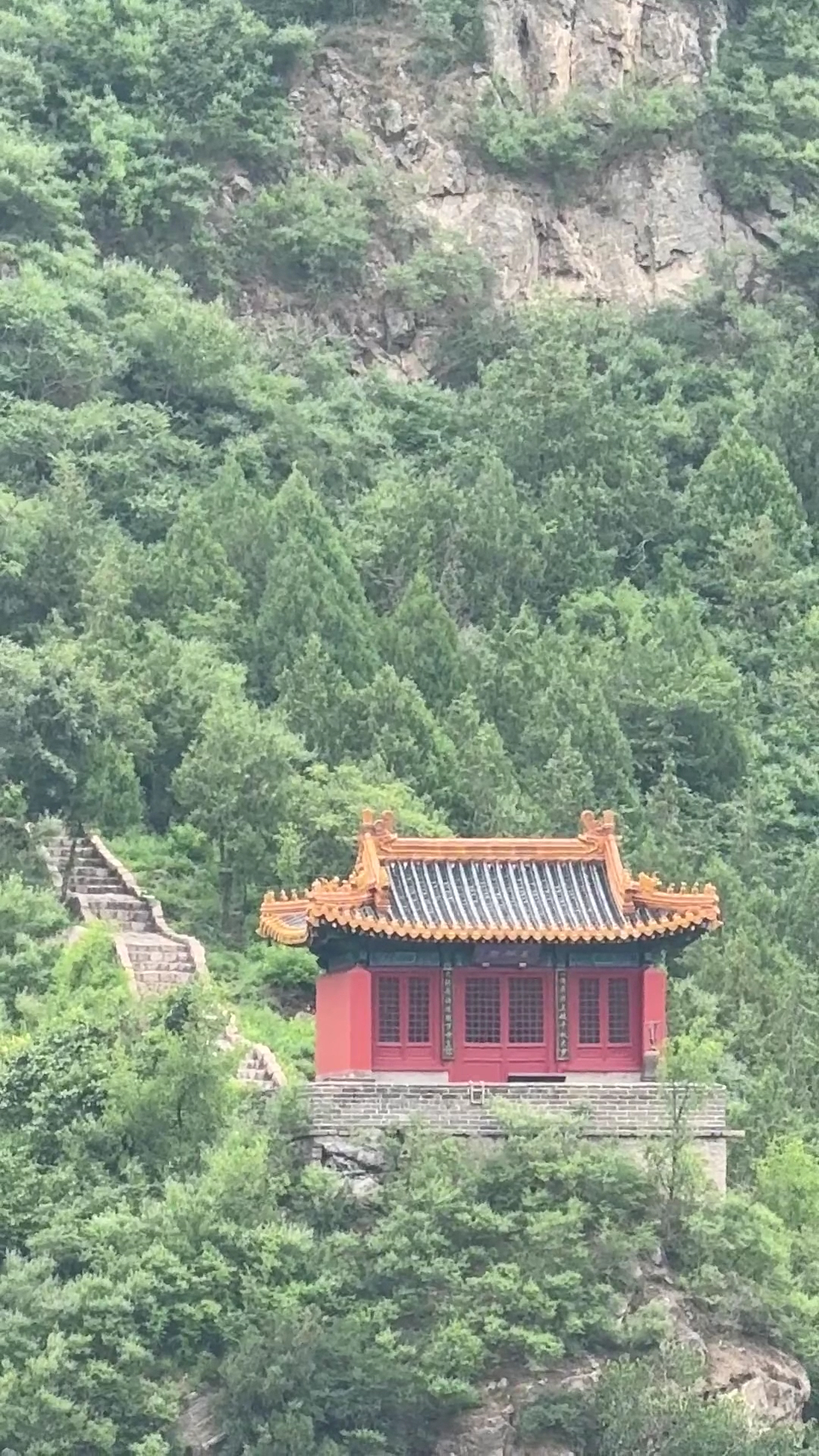
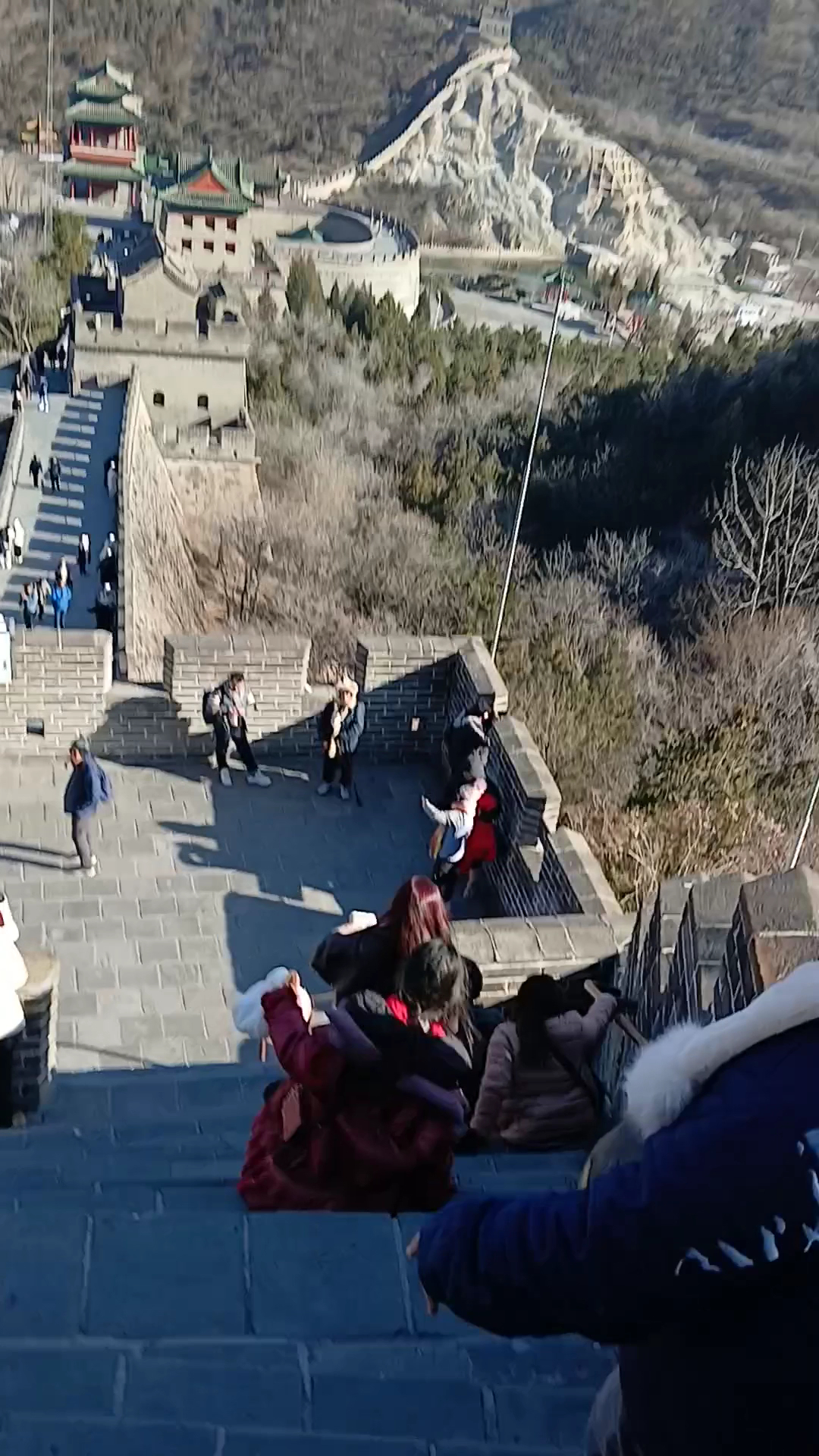
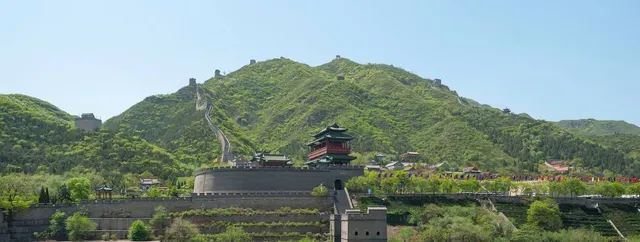
This was my first time in China, and my very first time visiting the Great Wall of China. We chose Juyong Pass as this place was less crowded earlier in the day and the climb was not that difficult.

Some members in our group were elderly and they managed to climb here. What an amazing feat!

The views around here are magnificent (as seen in the pictures and videos). The only drawback was that this trip happened in the summer.

Had it been in spring or autumn, temperature would be much more pleasant and the climb can even be more pleasurable.

Clean toilets are available on site, small stores selling cold and refreshing drinks, and souvenirs too.

I will definitely come back here again one day, preferably...

   Read more
Page 1 of 7
Previous
Next

Posts

Hendra TehHendra Teh
Juyongguan Great Wall or Juyong Pass is located in an 18-kilometer long valley named "Guangou" in Changping County, more than 50 kilometers from Beijing. It is generally considered one of the three greatest passes on the Great Wall of China. The other two passes are Jiayu Pass and Shanhai Pass. The name "Juyong Pass" was first used in the Qin Dynasty when Emperor Qinshihuang first gave the order to build the Great Wall. Juyong Pass has two passes: the "Nan Pass", or "Southern Pass" in the south and "Badaling" in the north. Badaling Great Wall has a somewhat larger reputation since it was connected to the Great Wall during both the Northern and Southern Dynasties. In the middle of Juyong Pass, there is a "Cloud Platform", also known as "Crossing Street Tower." Originally built of white marble during the Yuan Dynasty with a height of 9.5 meters, lots of examples of period architecture such as stone railings and watch towers can be found along the platform. In the middle of the base of the platform there is an arched door where men, horses, and carriages could often pass through on their way either into or out of Beijing. Many animal images were carved in the arched doorways and on both sides of the door are carved statues of both Taoist and Buddhist gods. There were three white towers on the platform in the past, but they were destroyed in the interval between the Yuan and Ming dynasties. Later a Tai’an Temple was built on the platform but was later destroyed in the Qing Dynasty. The present Juyongguan Great Wall was initially built in the Ming Dynasty and rebuilt many times later. It was strategically very important as it connected the inland areas and the area near the northern border of China. Being a strong defense barrier for Beijing, Juyong Pass witnessed many important battles throughout Imperial China. As there are lush trees around the Pass, the so-called Folded Greenness of Juyong Pass is one of "the Eight Best Scenic Spots of Ancient Beijing."
Muhammad Affiq ParthiMuhammad Affiq Parthi
This was my first time in China, and my very first time visiting the Great Wall of China. We chose Juyong Pass as this place was less crowded earlier in the day and the climb was not that difficult. Some members in our group were elderly and they managed to climb here. What an amazing feat! The views around here are magnificent (as seen in the pictures and videos). The only drawback was that this trip happened in the summer. Had it been in spring or autumn, temperature would be much more pleasant and the climb can even be more pleasurable. Clean toilets are available on site, small stores selling cold and refreshing drinks, and souvenirs too. I will definitely come back here again one day, preferably in the autumn!
Nicole HeddenNicole Hedden
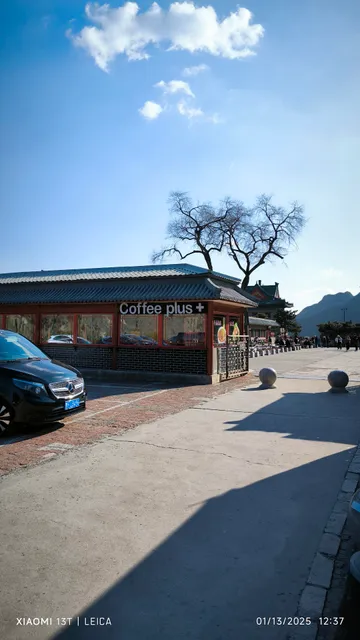
My family really had a lot of fun here! Bear in mind that if it's foggy, you can't see very far, though. I hiked all the way to the top, and I was really happy about that. There is a gift shop near the top, and they aren't terribly friendly, but it was a nice break from hiking! My parents hiked a little bit, but that is not as big of a hobby for them. They really enjoyed the museum, and they have been raving about how fascinating it all was for weeks. There are other gift shops, and a coffee shop at the bottom. I highly recommend a raincoat (or checking the weather), and haggling (the more you buy, the better deal you get - not as easy to haggle here because they get so many tourists).
See more posts
See more posts
hotel
Find your stay

Pet-friendly Hotels in Beijing

Find a cozy hotel nearby and make it a full experience.

Juyongguan Great Wall or Juyong Pass is located in an 18-kilometer long valley named "Guangou" in Changping County, more than 50 kilometers from Beijing. It is generally considered one of the three greatest passes on the Great Wall of China. The other two passes are Jiayu Pass and Shanhai Pass. The name "Juyong Pass" was first used in the Qin Dynasty when Emperor Qinshihuang first gave the order to build the Great Wall. Juyong Pass has two passes: the "Nan Pass", or "Southern Pass" in the south and "Badaling" in the north. Badaling Great Wall has a somewhat larger reputation since it was connected to the Great Wall during both the Northern and Southern Dynasties. In the middle of Juyong Pass, there is a "Cloud Platform", also known as "Crossing Street Tower." Originally built of white marble during the Yuan Dynasty with a height of 9.5 meters, lots of examples of period architecture such as stone railings and watch towers can be found along the platform. In the middle of the base of the platform there is an arched door where men, horses, and carriages could often pass through on their way either into or out of Beijing. Many animal images were carved in the arched doorways and on both sides of the door are carved statues of both Taoist and Buddhist gods. There were three white towers on the platform in the past, but they were destroyed in the interval between the Yuan and Ming dynasties. Later a Tai’an Temple was built on the platform but was later destroyed in the Qing Dynasty. The present Juyongguan Great Wall was initially built in the Ming Dynasty and rebuilt many times later. It was strategically very important as it connected the inland areas and the area near the northern border of China. Being a strong defense barrier for Beijing, Juyong Pass witnessed many important battles throughout Imperial China. As there are lush trees around the Pass, the so-called Folded Greenness of Juyong Pass is one of "the Eight Best Scenic Spots of Ancient Beijing."
Hendra Teh

Hendra Teh

hotel
Find your stay

Affordable Hotels in Beijing

Find a cozy hotel nearby and make it a full experience.

Get the Appoverlay
Get the AppOne tap to find yournext favorite spots!
This was my first time in China, and my very first time visiting the Great Wall of China. We chose Juyong Pass as this place was less crowded earlier in the day and the climb was not that difficult. Some members in our group were elderly and they managed to climb here. What an amazing feat! The views around here are magnificent (as seen in the pictures and videos). The only drawback was that this trip happened in the summer. Had it been in spring or autumn, temperature would be much more pleasant and the climb can even be more pleasurable. Clean toilets are available on site, small stores selling cold and refreshing drinks, and souvenirs too. I will definitely come back here again one day, preferably in the autumn!
Muhammad Affiq Parthi

Muhammad Affiq Parthi

hotel
Find your stay

The Coolest Hotels You Haven't Heard Of (Yet)

Find a cozy hotel nearby and make it a full experience.

hotel
Find your stay

Trending Stays Worth the Hype in Beijing

Find a cozy hotel nearby and make it a full experience.

My family really had a lot of fun here! Bear in mind that if it's foggy, you can't see very far, though. I hiked all the way to the top, and I was really happy about that. There is a gift shop near the top, and they aren't terribly friendly, but it was a nice break from hiking! My parents hiked a little bit, but that is not as big of a hobby for them. They really enjoyed the museum, and they have been raving about how fascinating it all was for weeks. There are other gift shops, and a coffee shop at the bottom. I highly recommend a raincoat (or checking the weather), and haggling (the more you buy, the better deal you get - not as easy to haggle here because they get so many tourists).
Nicole Hedden

Nicole Hedden

See more posts
See more posts