Miaoying Temple things to do, attractions, restaurants, events info and trip planning
Basic Info
Miaoying Temple
171 Funei Ave, Xicheng District, Beijing, China, 100033
4.4(42)
Open 24 hours
Save
spot
spot
Ratings & Description
Info
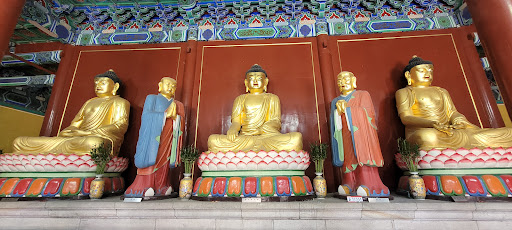
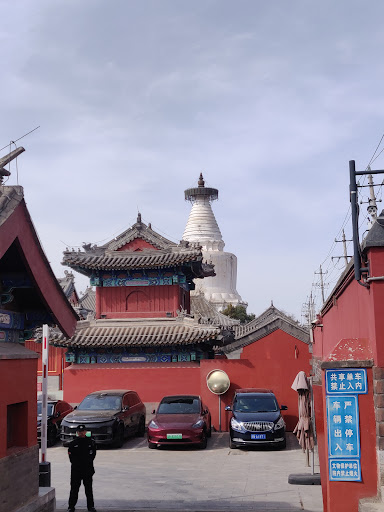
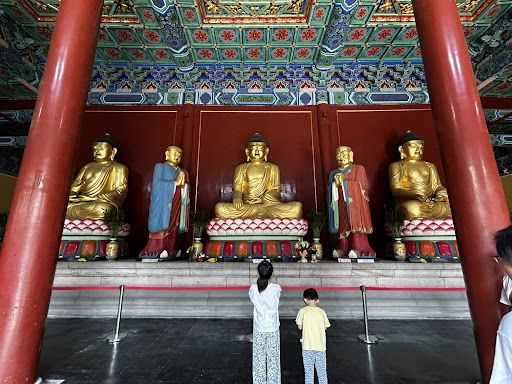
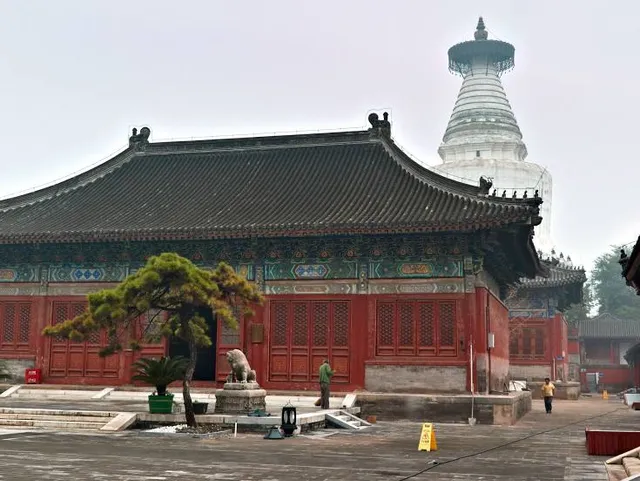
The Miaoying Temple, also known as the "White Stupa Temple", is a Chinese Buddhist temple on the north side of Fuchengmennei Street in the Xicheng District of Beijing. The temple was a monastery of the Sakya school of Tibetan Buddhism and is now open to the public as a museum.
Cultural
Scenic
Family friendly
Accessibility
attractions: Baita Si, Emperors Temple of Past Dynasties, Beijing Lu Xun Museum, Guangji Temple, restaurants: 徐记烧饼铺, And Fangyuan, Qingfeng Stuffed Bun House, Nianheju Food Chamber, Hejian Louji Donkey Burger, 苏浙汇, Starbucks Coffee, Huifeng Old Beijing Dumpling Restaurant, 新荣记, Furong Wushuang, local businesses: Emperors Temple of Past Dynasties, Xihuamen, Guangji Temple, 满恒记火锅
 Learn more insights from Wanderboat AI.
Plan your stay

Pet-friendly Hotels in Beijing
Find a cozy hotel nearby and make it a full experience.

Affordable Hotels in Beijing
Find a cozy hotel nearby and make it a full experience.

The Coolest Hotels You Haven't Heard Of (Yet)
Find a cozy hotel nearby and make it a full experience.

Trending Stays Worth the Hype in Beijing
Find a cozy hotel nearby and make it a full experience.
Reviews
Live events

AI Tech & Startup Night — Beijing
Tue, Feb 10 • 11:00 AM
Dongsi 2nd Alley Community Residents' Committee, 460 Dong Si Bei Da Jie, Dong Cheng Qu, Bei Jing Shi, China, 100009
View details
Nearby attractions of Miaoying Temple
Baita Si
Emperors Temple of Past Dynasties
Beijing Lu Xun Museum
Guangji Temple
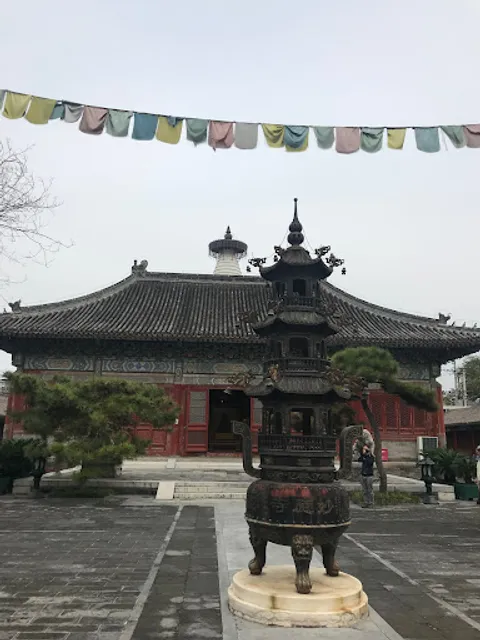
Baita Si
4.2
(16)
Open 24 hours
Click for details
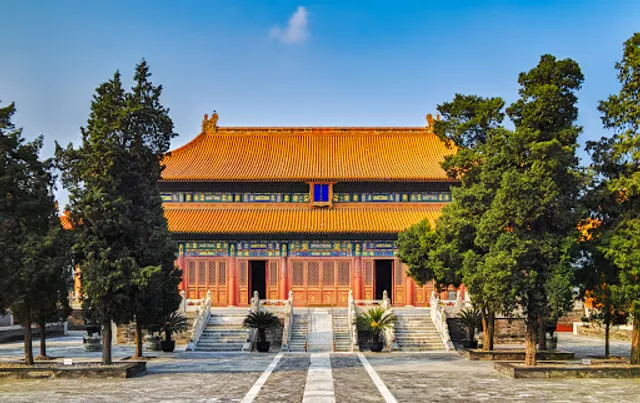
Emperors Temple of Past Dynasties
4.4
(23)
Open 24 hours
Click for details
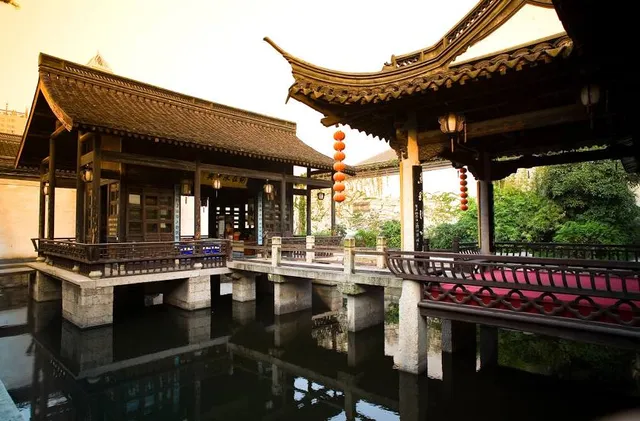
Beijing Lu Xun Museum
3.9
(16)
Open 24 hours
Click for details
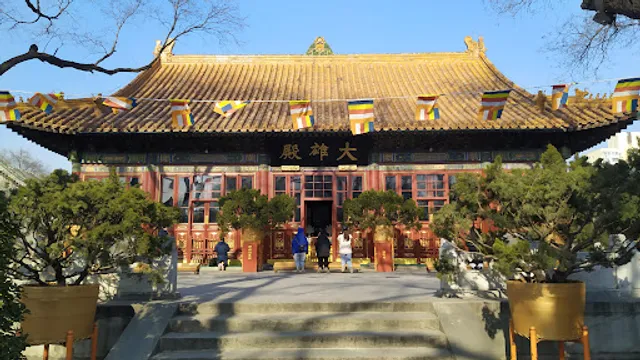
Guangji Temple
4.3
(17)
Open 24 hours
Click for details
Nearby restaurants of Miaoying Temple
徐记烧饼铺
And Fangyuan
Qingfeng Stuffed Bun House
Nianheju Food Chamber
Hejian Louji Donkey Burger
苏浙汇
Starbucks Coffee
Huifeng Old Beijing Dumpling Restaurant
新荣记
Furong Wushuang
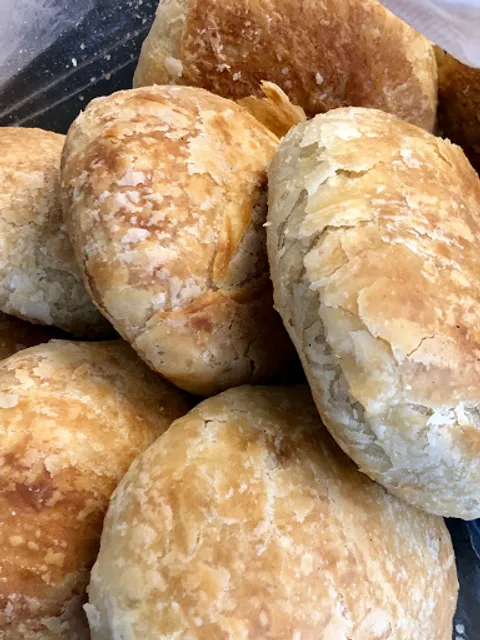
徐记烧饼铺
4.5
(1)
Closed
Click for details
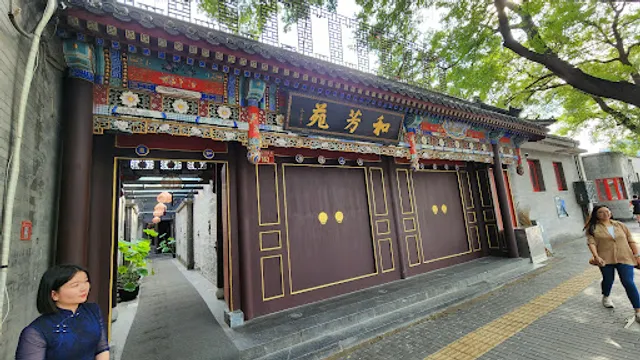
And Fangyuan
4.8
(4)
Click for details
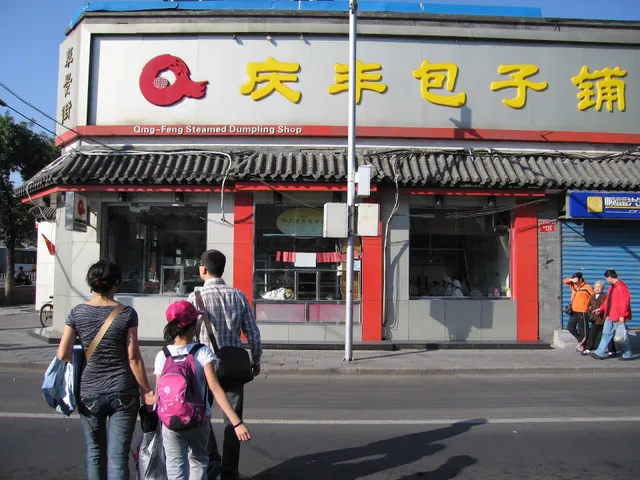
Qingfeng Stuffed Bun House
5.0
(1)
Click for details
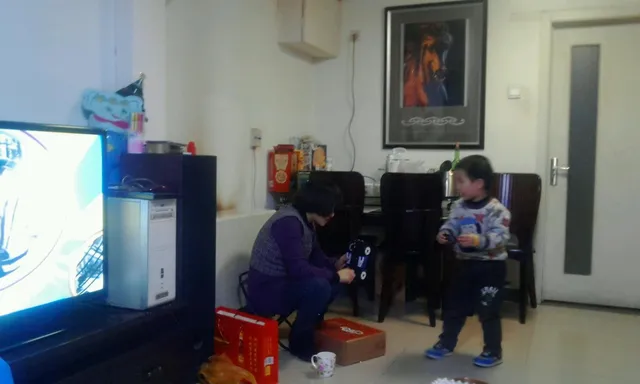
Nianheju Food Chamber
3.5
(1)
Click for details
Nearby local services of Miaoying Temple
Emperors Temple of Past Dynasties
Xihuamen
Guangji Temple
满恒记火锅
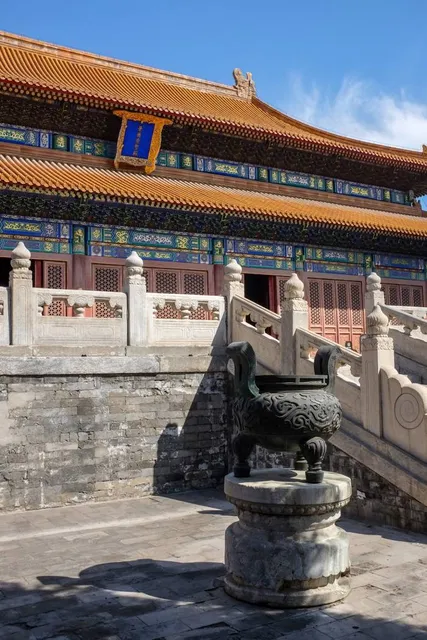
Emperors Temple of Past Dynasties
4.3
(13)
Click for details
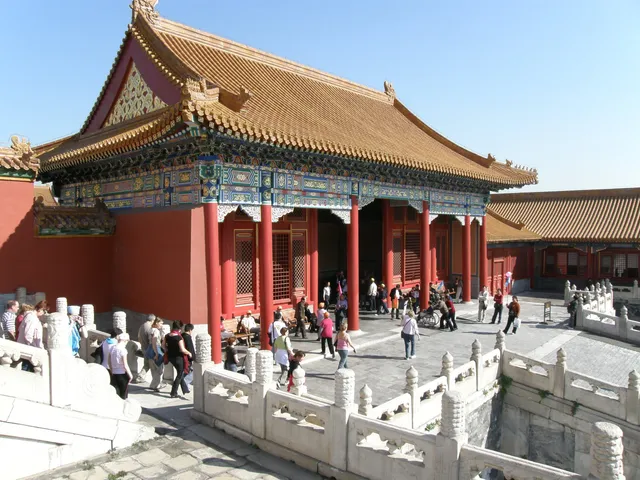
Xihuamen
4.3
(16)
Click for details
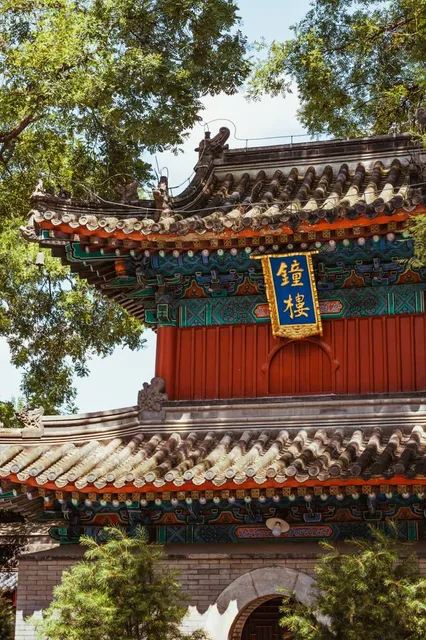
Guangji Temple
4.0
(12)
Click for details
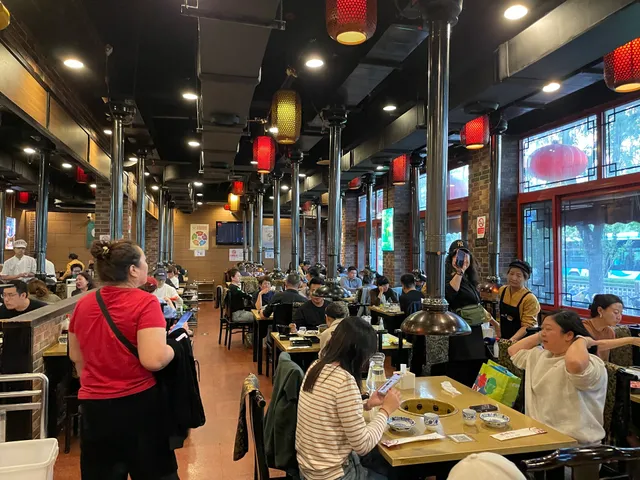
满恒记火锅
4.6
(11)
Click for details