HTML SitemapExplore
logo
Find Things to DoFind The Best Restaurants

National Stadium — Attraction in Beijing

Name
National Stadium
Description
Nearby attractions
Beijing Olympic Park
X9VV+PF8, Chaoyang, China, 100875
Niaochao Water Cube Ticket Office
China, Beijing, Chaoyang, Hujing E Rd, 科荟路33号奥林匹克森林公园南园内 邮政编码: 100101
Beijing National Indoor Stadium
1 National Stadium Rd, Chaoyang, Beijing, China, 100107
Beiding Niangniang Temple
X9RR+248, Beichen Brg, Chaoyang, Beijing, China, 100107
Beijing International Convention Center
8 Beichen E Rd, Asian Games Village, Chaoyang, China, 100101
National Olympic Sports Center
1 Anding Rd, Chaoyang, Beijing, China, 100101
Nearby restaurants
Yueshanglou
8 Beichen E Rd, Asian Games Village, Chaoyang, Beijing, China, 100101
Xiangxi Local Dish
8 Beichen E Rd, Asian Games Village, Chaoyang, Beijing, China, 100101
Linglong Restaurant
China, Beijing, Chaoyang, National Stadium Rd, 科荟路33号奥林匹克森林公园内玲珑塔服务中心1层 邮政编码: 100107
Dingyue Roasted Duck Restaurant
11 Hujing E Rd, 11, Chaoyang, Beijing, China, 100101
Wojia Restaurant
XCV3+HGM, Huizhong Rd, Asian Games Village, Chaoyang, Beijing, China, 100101
Taipo Tianfu Shanzhen Restaurant
China, Beijing, Chaoyang, Huizhong N Rd, 亚运村阳光广场西 邮政编码: 100101
Beichen Intercontinental Hotel restaurant
China, Beijing, Chaoyang, 北辰西路8号院4号楼北辰洲际酒店内(近水立方)
Brazil Barbecue
8 N 4th Ring Middle Rd, Asian Games Village, Chaoyang, Beijing, China, 100101
Yuexiuxuan
8 Beichen W Rd, 安贞 Chaoyang, Beijing, China, 100105
Yoshinoya
China, Beijing, Chaoyang, Datun Rd, 奥运公园新奥购物中心 邮政编码: 100107
Related posts
Keywords
National Stadium tourism.National Stadium hotels.National Stadium bed and breakfast. flights to National Stadium.National Stadium attractions.National Stadium restaurants.National Stadium travel.National Stadium travel guide.National Stadium travel blog.National Stadium pictures.National Stadium photos.National Stadium travel tips.National Stadium maps.National Stadium things to do.
National Stadium things to do, attractions, restaurants, events info and trip planning
National Stadium
ChinaBeijingNational Stadium

Basic Info

National Stadium

1 Guojiatiyuchang S Rd, Chaoyang, China, 100101
4.5(728)
Open 24 hours
Save
spot

Ratings & Description

Info

Entertainment
Cultural
Accessibility
Family friendly
attractions: Beijing Olympic Park, Niaochao Water Cube Ticket Office, Beijing National Indoor Stadium, Beiding Niangniang Temple, Beijing International Convention Center, National Olympic Sports Center, restaurants: Yueshanglou, Xiangxi Local Dish, Linglong Restaurant, Dingyue Roasted Duck Restaurant, Wojia Restaurant, Taipo Tianfu Shanzhen Restaurant, Beichen Intercontinental Hotel restaurant, Brazil Barbecue, Yuexiuxuan, Yoshinoya
logoLearn more insights from Wanderboat AI.
Phone
+86 10 8437 3008

Plan your stay

hotel
Pet-friendly Hotels in Beijing
Find a cozy hotel nearby and make it a full experience.

hotel
Affordable Hotels in Beijing
Find a cozy hotel nearby and make it a full experience.

hotel
The Coolest Hotels You Haven't Heard Of (Yet)
Find a cozy hotel nearby and make it a full experience.

hotel
Trending Stays Worth the Hype in Beijing
Find a cozy hotel nearby and make it a full experience.

Reviews

Nearby attractions of National Stadium

Beijing Olympic Park

Niaochao Water Cube Ticket Office

Beijing National Indoor Stadium

Beiding Niangniang Temple

Beijing International Convention Center

National Olympic Sports Center

Beijing Olympic Park

Beijing Olympic Park

4.6

(422)

Open until 9:30 PM
Click for details
Niaochao Water Cube Ticket Office

Niaochao Water Cube Ticket Office

4.2

(33)

Open 24 hours
Click for details
Beijing National Indoor Stadium

Beijing National Indoor Stadium

4.4

(25)

Open 24 hours
Click for details
Beiding Niangniang Temple

Beiding Niangniang Temple

4.6

(17)

Open 24 hours
Click for details

Things to do nearby

Ethereum on Tour in China - [北邮/央财/人大/贸大] 专场
Sun, Dec 7 • 6:00 AM
对外经济贸易大学, China, Bei Jing Shi, Chao Yang Qu, 北土城东路 邮政编码: 100013
View details

Nearby restaurants of National Stadium

Yueshanglou

Xiangxi Local Dish

Linglong Restaurant

Dingyue Roasted Duck Restaurant

Wojia Restaurant

Taipo Tianfu Shanzhen Restaurant

Beichen Intercontinental Hotel restaurant

Brazil Barbecue

Yuexiuxuan

Yoshinoya

Yueshanglou

Yueshanglou

5.0

(1)

Click for details
Xiangxi Local Dish

Xiangxi Local Dish

3.8

(3)

Click for details
Linglong Restaurant

Linglong Restaurant

5.0

(3)

Click for details
Dingyue Roasted Duck Restaurant

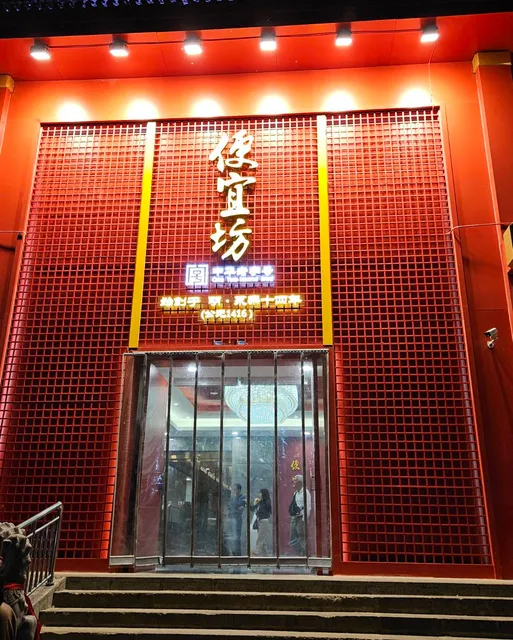
Dingyue Roasted Duck Restaurant

5.0

(1)

Click for details
Get the Appoverlay
Get the AppOne tap to find yournext favorite spots!
Wanderboat LogoWanderboat

Your everyday Al companion for getaway ideas

CompanyAbout Us
InformationAI Trip PlannerSitemap
SocialXInstagramTiktokLinkedin
LegalTerms of ServicePrivacy Policy

Get the app

© 2025 Wanderboat. All rights reserved.
logo

Posts

Mike the IT Guy STXMike the IT Guy STX
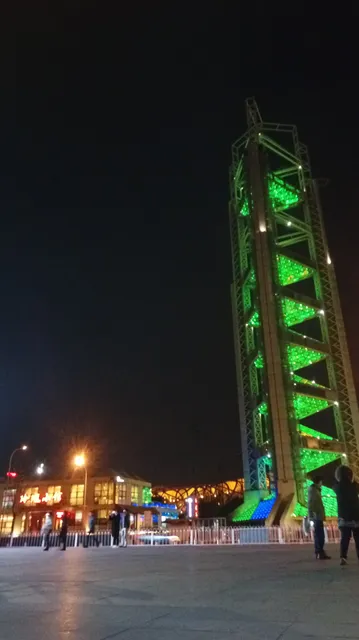
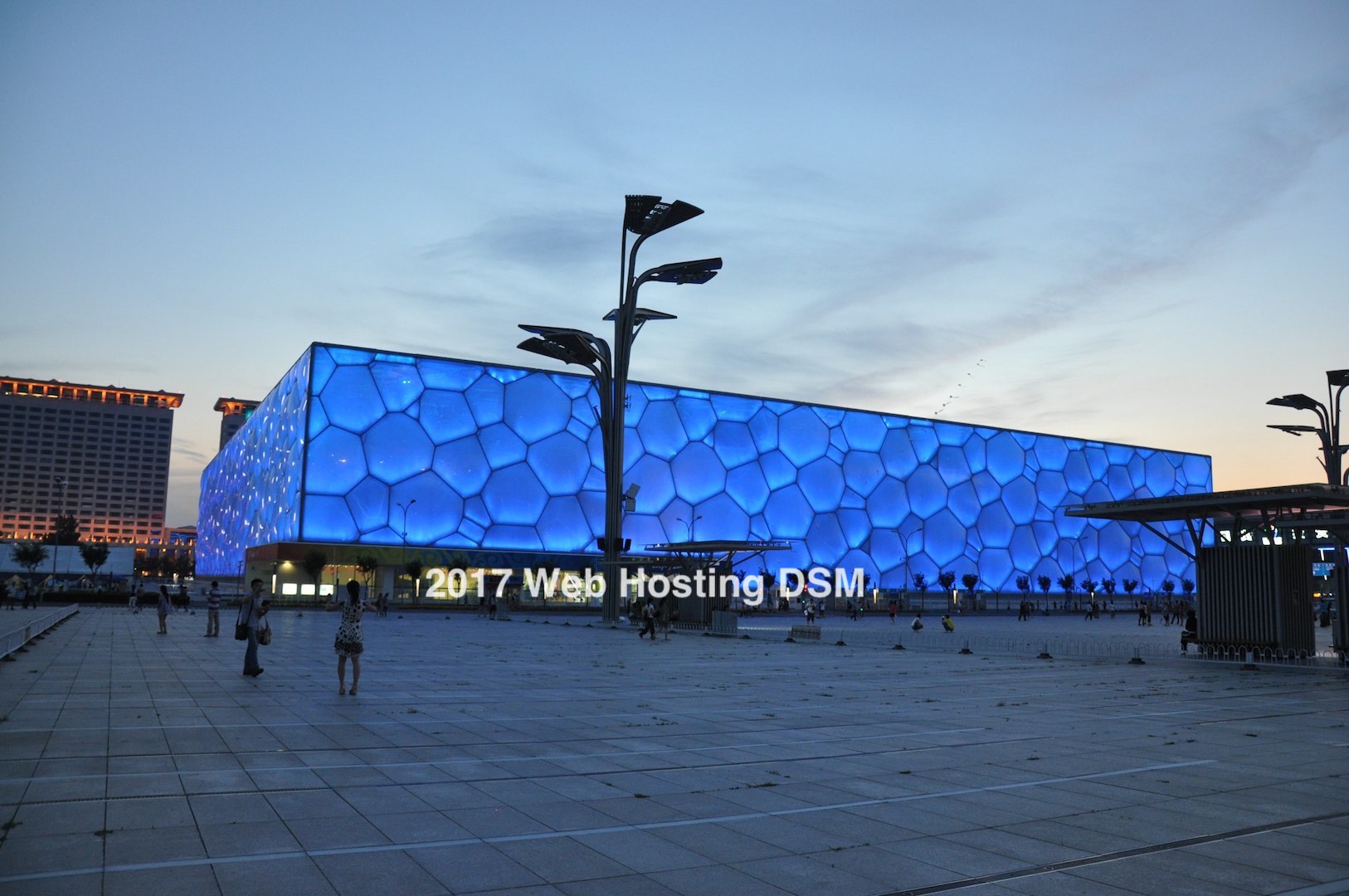
So we started our day today much like the others. Up by 0700 and after eating are free breakfast and drinking some caffeine (coffee) we are on our way to the subway by 0830. This time we headed to the Temple of Heavens Park Area. This was a nice large green grass park area with more sights to see. During our walk through the area we concentrate on seeing the Harvest Halls. Then the Seven Stones.  Shortly after that we went to the Wangfujing Shopping Mall. We had some Starbucks and walked around. It seemed to be very expensive compared to our malls in the states. The overall impression was that I was underdressed and underpaid. We then got back on the subway and went to the Beijing Zoo. Of course, the first animal we wanted to see was the Giant Panda. After the zoo we went back to the hotel to rest and get some plans together again. Then we went back to the silk market to get some more souvenirs and bought some last minute deals before boarding the planes. Then we headed straight to the Olympic site to see the infamous cube and the birds nest. Timing was great. Only waited about an hour for total darkness to watch everything light up at night. Took lots of photos and we even flew some kind on miniature kites there. After that we decided to take a cab back to save some time. We pay around 70 yaun for it. It just helped us realize how much money we saved all week by using the subway system. Then we got some local meat chicken stick and had noodles, rice and the pot stickers in the hotel room. Packed up some clothes for tomorrow and waited for the final and biggest tourist spot of them all! Our guide called and we are heading to the great wall tomorrow morning at 0800. It was a birthday wish and life long goal of mine for several years now... It is coming true tomorrow. Thanks be to God!
maryuris Atenciomaryuris Atencio
En 2001 la ciudad de Pekín fue escogida como sede de los XXIX Juegos Olímpicos, sin embargo no contaba con un estadio moderno para la práctica de atletismo. Solo se contaba con el Estadio de los Trabajadores, así en ese mismo año se hizo un concurso para el futuro estadio, ganando los arquitectos suizos Jacques Herzog y Pierre de Meuron, los mismos arquitectos que diseñaron el estadio Allianz Arena de Múnich. El Estadio Olímpico de Pekín es, para los arquitectos, "un brillante desafío estético y estructural" cuya audacia artística y técnica tuvo necesariamente que impresionar a un jurado del que formaban parte impresionantes profesionales como Koolhaas, Nouvel o Perrault, otorgando así a los arquitectos suizos el encargo mayor y quizás más decisivo de sus carreras, así en abril de 2003 se aceptó el proyecto. El 24 de diciembre de 2003 se inician los trabajos de construcción del estadio con aproximadamente 17 000 trabajadores. Las 110 000 toneladas de acero que se utilizaron en la construcción del estadio se fabricaron en China, haciéndolo la estructura de acero más grande del mundo, el día 24 de mayo se inició la última etapa de construcción del estadio que era el colocamiento del césped que se hizo en tan solo un día. El estadio cuenta con un sistema de recolección de agua que la purifica y es utilizada en todo lo relacionado con agua en el estadio, también se cuenta con unos tubos en el techo del estadio que recolectan el aire caliente y lo utilizan para calentar el estadio en invierno y también se recolecta el aire frío para enfriar el estadio en verano. El proyecto original contemplaba la capacidad de 100 000 espectadores que fueron reducidos a 91 000 para simplificar el diseño, sin embargo al término de las olimpiadas se redujo aún más la capacidad siendo retiradas 11 000 butacas del estadio. Juegos Olímpicos de Verano de 2008Editar  Interior del nido del pájaro. El estadio fue sede de la ceremonia de apertura el 8 de agosto de 2008, vista por más de 90 000 espectadores en el estadio y por más de 500 millones de personas en todo el mundo. También acogió los eventos de atletismo y fútbol, el evento de clausura, así como los Juegos Paralímpicos de 2008. Tras los Juegos Olímpicos de 2008Editar El estadio solo ha tenido cinco eventos desde los Juegos Olímpicos de 2008, siendo el primero la celebración de la apertura del estadio el 9 de agosto de 2009 y los otros dos las finales de la Supercopa de Italia disputada entre el Inter y la Lazio teniendo una asistencia de 68.961 espectadores, rompiendo el récord de asistencia a una final de la Supercopa de Italia, siendo el antiguo récord de 65.000 en la final jugada en el Estadio Olímpico de Roma; y la otra final disputada por el Inter y el Milan. El 11 de octubre de 2014 se disputó el Superclásico de las Américas entre Brasil y Argentina. Sin embargo este evento estuvo peligrando ya que desde una semana antes, una gigantesca nube de smog contaminaba la capital china, producto de la industrialización y las fábricas de carbón. La OMS advirtió de que la cantidad de smog en Pekín esperada para la hora del partido representaba alto riesgo para los combinados sudamericanos. Sin embargo una hora antes del partido, el smog empezó a disiparse debido a la buena ventilación de la ciudad. El 5 de noviembre de 2014, si bien el estadio no se abrió, se instaló una pantalla led gigante dentro del entramado en forma de "nido" de metal del estadio, para la inauguración del foro de la APEC del 2014 a celebrarse en la misma ciudad, y en la que líderes mundiales de la cuenca del Pacífico participaron. En la inauguración, la pantalla gigante mostró imágenes características relacionadas con las actos artísticos en la ceremonia, y durante todo el foro, el estadio mostró el logo oficial del evento en su fachada de nido a través de la pantalla. En 2015 en el estadio se celebró el Campeonato Mundial de Atletismo de 2015. El 4 de noviembre de 2017 se celebró la final del Campeonato Mundial de League of Legends entre las organizaciones coreanas SK Telecom T1 y Samsung Galaxy, con victoria
Annie & CarrotAnnie & Carrot
Who can continuously bring here for 3yrs (right after the covid lockdowns) and with more and more shows to be added, only Mayday. At least so far… (written on Aug 2 2025) With their amazing lights controls and sound effects, especially when I know they are one of the winners of red dot design award. (B’IN Music TW) It feels you are just enjoy the music itself but you are attend a grand event. The journey doesn’t stop here, but from the past to the future. After the 2008 Olympic, they are the first group to held a concert here and which opens this market to the public. Honestly it’s a quite challenging experience for them to solve the serious echo problem and long distance stages, screens and all the settings of the music instruments/equipments… A place can hold near 100K audience, building area 258,000 square meters and covers an area of 20.4 hectares. Mayday is trying to present the best of their music, with efforts, heart, souls and so many love… Which everyone shall can felt that spirit and enjoys the show… All the best to be here, and everywhere. Finally, we reach the destination, called it's you makes me stronger with love. 13 shows in 2025, 43 shows in the Bird's nest as of 2025
See more posts
See more posts
hotel
Find your stay

Pet-friendly Hotels in Beijing

Find a cozy hotel nearby and make it a full experience.

So we started our day today much like the others. Up by 0700 and after eating are free breakfast and drinking some caffeine (coffee) we are on our way to the subway by 0830. This time we headed to the Temple of Heavens Park Area. This was a nice large green grass park area with more sights to see. During our walk through the area we concentrate on seeing the Harvest Halls. Then the Seven Stones.  Shortly after that we went to the Wangfujing Shopping Mall. We had some Starbucks and walked around. It seemed to be very expensive compared to our malls in the states. The overall impression was that I was underdressed and underpaid. We then got back on the subway and went to the Beijing Zoo. Of course, the first animal we wanted to see was the Giant Panda. After the zoo we went back to the hotel to rest and get some plans together again. Then we went back to the silk market to get some more souvenirs and bought some last minute deals before boarding the planes. Then we headed straight to the Olympic site to see the infamous cube and the birds nest. Timing was great. Only waited about an hour for total darkness to watch everything light up at night. Took lots of photos and we even flew some kind on miniature kites there. After that we decided to take a cab back to save some time. We pay around 70 yaun for it. It just helped us realize how much money we saved all week by using the subway system. Then we got some local meat chicken stick and had noodles, rice and the pot stickers in the hotel room. Packed up some clothes for tomorrow and waited for the final and biggest tourist spot of them all! Our guide called and we are heading to the great wall tomorrow morning at 0800. It was a birthday wish and life long goal of mine for several years now... It is coming true tomorrow. Thanks be to God!
Mike the IT Guy STX

Mike the IT Guy STX

hotel
Find your stay

Affordable Hotels in Beijing

Find a cozy hotel nearby and make it a full experience.

Get the Appoverlay
Get the AppOne tap to find yournext favorite spots!
En 2001 la ciudad de Pekín fue escogida como sede de los XXIX Juegos Olímpicos, sin embargo no contaba con un estadio moderno para la práctica de atletismo. Solo se contaba con el Estadio de los Trabajadores, así en ese mismo año se hizo un concurso para el futuro estadio, ganando los arquitectos suizos Jacques Herzog y Pierre de Meuron, los mismos arquitectos que diseñaron el estadio Allianz Arena de Múnich. El Estadio Olímpico de Pekín es, para los arquitectos, "un brillante desafío estético y estructural" cuya audacia artística y técnica tuvo necesariamente que impresionar a un jurado del que formaban parte impresionantes profesionales como Koolhaas, Nouvel o Perrault, otorgando así a los arquitectos suizos el encargo mayor y quizás más decisivo de sus carreras, así en abril de 2003 se aceptó el proyecto. El 24 de diciembre de 2003 se inician los trabajos de construcción del estadio con aproximadamente 17 000 trabajadores. Las 110 000 toneladas de acero que se utilizaron en la construcción del estadio se fabricaron en China, haciéndolo la estructura de acero más grande del mundo, el día 24 de mayo se inició la última etapa de construcción del estadio que era el colocamiento del césped que se hizo en tan solo un día. El estadio cuenta con un sistema de recolección de agua que la purifica y es utilizada en todo lo relacionado con agua en el estadio, también se cuenta con unos tubos en el techo del estadio que recolectan el aire caliente y lo utilizan para calentar el estadio en invierno y también se recolecta el aire frío para enfriar el estadio en verano. El proyecto original contemplaba la capacidad de 100 000 espectadores que fueron reducidos a 91 000 para simplificar el diseño, sin embargo al término de las olimpiadas se redujo aún más la capacidad siendo retiradas 11 000 butacas del estadio. Juegos Olímpicos de Verano de 2008Editar  Interior del nido del pájaro. El estadio fue sede de la ceremonia de apertura el 8 de agosto de 2008, vista por más de 90 000 espectadores en el estadio y por más de 500 millones de personas en todo el mundo. También acogió los eventos de atletismo y fútbol, el evento de clausura, así como los Juegos Paralímpicos de 2008. Tras los Juegos Olímpicos de 2008Editar El estadio solo ha tenido cinco eventos desde los Juegos Olímpicos de 2008, siendo el primero la celebración de la apertura del estadio el 9 de agosto de 2009 y los otros dos las finales de la Supercopa de Italia disputada entre el Inter y la Lazio teniendo una asistencia de 68.961 espectadores, rompiendo el récord de asistencia a una final de la Supercopa de Italia, siendo el antiguo récord de 65.000 en la final jugada en el Estadio Olímpico de Roma; y la otra final disputada por el Inter y el Milan. El 11 de octubre de 2014 se disputó el Superclásico de las Américas entre Brasil y Argentina. Sin embargo este evento estuvo peligrando ya que desde una semana antes, una gigantesca nube de smog contaminaba la capital china, producto de la industrialización y las fábricas de carbón. La OMS advirtió de que la cantidad de smog en Pekín esperada para la hora del partido representaba alto riesgo para los combinados sudamericanos. Sin embargo una hora antes del partido, el smog empezó a disiparse debido a la buena ventilación de la ciudad. El 5 de noviembre de 2014, si bien el estadio no se abrió, se instaló una pantalla led gigante dentro del entramado en forma de "nido" de metal del estadio, para la inauguración del foro de la APEC del 2014 a celebrarse en la misma ciudad, y en la que líderes mundiales de la cuenca del Pacífico participaron. En la inauguración, la pantalla gigante mostró imágenes características relacionadas con las actos artísticos en la ceremonia, y durante todo el foro, el estadio mostró el logo oficial del evento en su fachada de nido a través de la pantalla. En 2015 en el estadio se celebró el Campeonato Mundial de Atletismo de 2015. El 4 de noviembre de 2017 se celebró la final del Campeonato Mundial de League of Legends entre las organizaciones coreanas SK Telecom T1 y Samsung Galaxy, con victoria
maryuris Atencio

maryuris Atencio

hotel
Find your stay

The Coolest Hotels You Haven't Heard Of (Yet)

Find a cozy hotel nearby and make it a full experience.

hotel
Find your stay

Trending Stays Worth the Hype in Beijing

Find a cozy hotel nearby and make it a full experience.

Who can continuously bring here for 3yrs (right after the covid lockdowns) and with more and more shows to be added, only Mayday. At least so far… (written on Aug 2 2025) With their amazing lights controls and sound effects, especially when I know they are one of the winners of red dot design award. (B’IN Music TW) It feels you are just enjoy the music itself but you are attend a grand event. The journey doesn’t stop here, but from the past to the future. After the 2008 Olympic, they are the first group to held a concert here and which opens this market to the public. Honestly it’s a quite challenging experience for them to solve the serious echo problem and long distance stages, screens and all the settings of the music instruments/equipments… A place can hold near 100K audience, building area 258,000 square meters and covers an area of 20.4 hectares. Mayday is trying to present the best of their music, with efforts, heart, souls and so many love… Which everyone shall can felt that spirit and enjoys the show… All the best to be here, and everywhere. Finally, we reach the destination, called it's you makes me stronger with love. 13 shows in 2025, 43 shows in the Bird's nest as of 2025
Annie & Carrot

Annie & Carrot

See more posts
See more posts

Reviews of National Stadium

4.5
(728)
avatar
5.0
2y

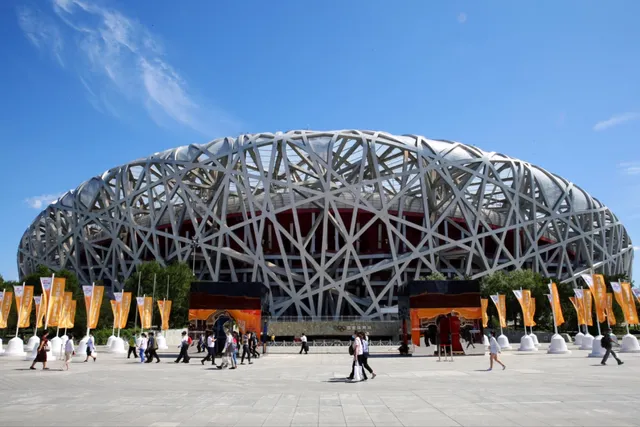
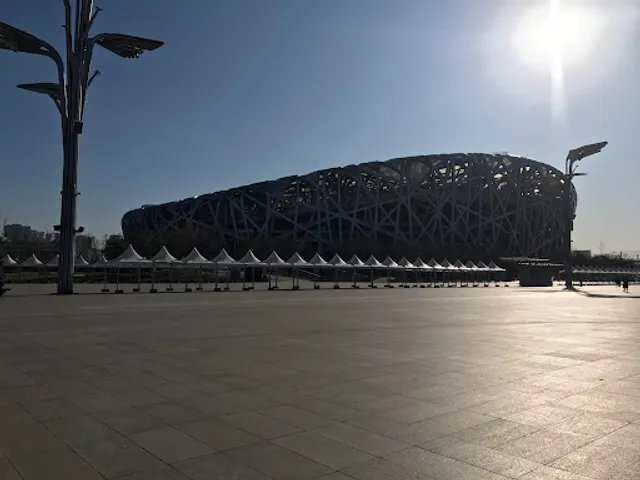
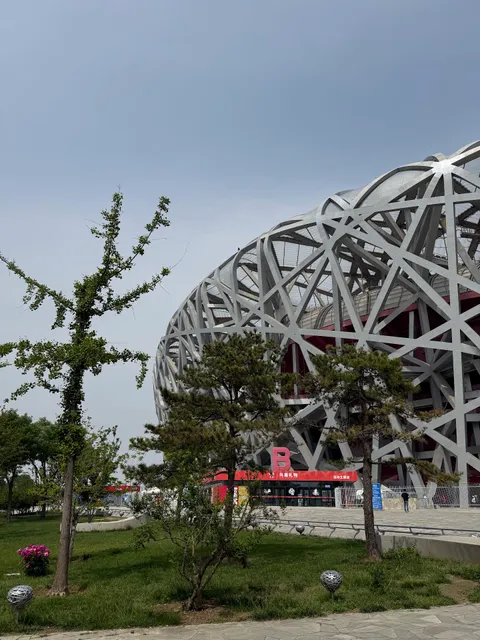
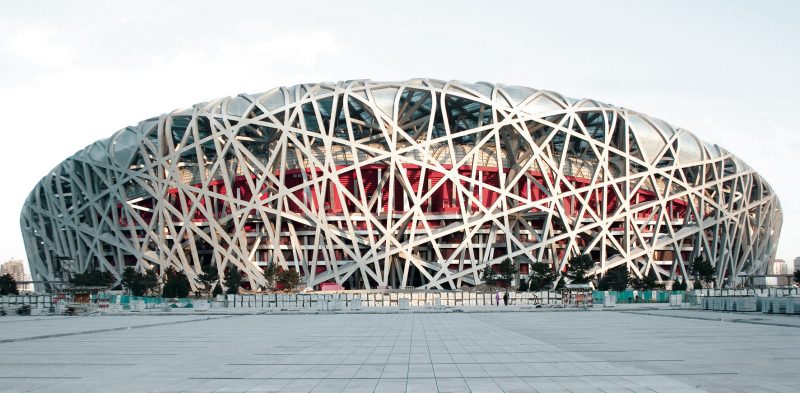
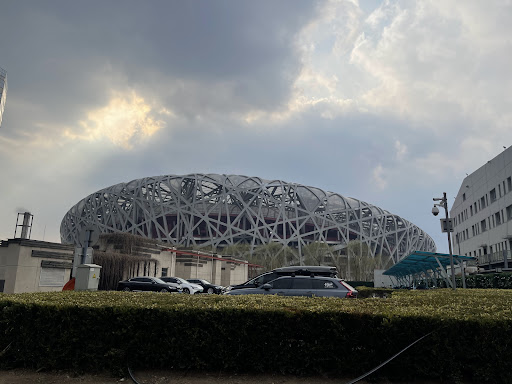
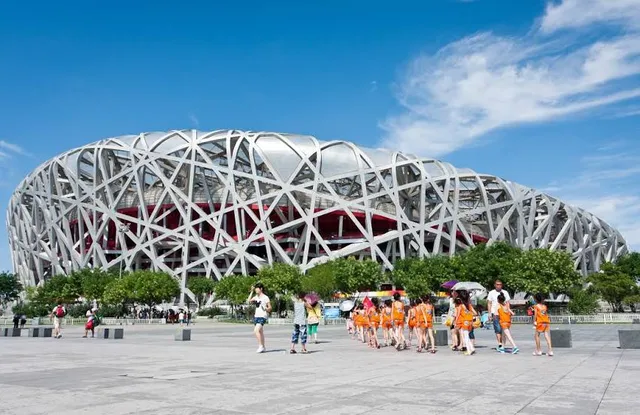
The "Nest Stadium" in Beijing, officially known as the Beijing National Stadium, is an iconic sports venue located in the Olympic Green area of Beijing, China. The stadium gained its nickname, the "Bird's Nest," due to its distinctive and innovative architectural design, which resembles a bird's nest with its interwoven steel beams.

Key features of the Beijing National Stadium (Bird's Nest) include:

Architecture: The Bird's Nest was designed for the 2008 Summer Olympics by a consortium of architects, including Herzog & de Meuron, Arup, and China Architecture Design & Research Group. Its unique design features a web-like pattern of steel beams, giving it a visually striking appearance.

Capacity: The stadium has a seating capacity of around 80,000 spectators, making it one of the largest sports venues in the world.

Olympic History: The Bird's Nest was the main venue for the opening and closing ceremonies of the 2008 Summer Olympics. It also hosted track and field events, including athletics and football (soccer) matches during the games.

Post-Olympic Use: After the Olympics, the stadium has been used for various sporting and cultural events, including football matches, concerts, and other performances. It has become an iconic symbol of Beijing and a popular tourist attraction.

Sustainable Design: The Bird's Nest incorporates various sustainable design elements, including rainwater collection, natural ventilation, and energy-efficient systems. It has set an example for environmentally conscious stadium construction.

Accessibility: The stadium is easily accessible via public transportation, including the Beijing Subway. It is also located near other Olympic venues, such as the Water Cube (National Aquatics Center).

The Beijing National Stadium is not only a symbol of China's modernity and its commitment to hosting major international events but also a testament to innovative architectural design. It continues to be a prominent landmark in Beijing and a popular destination for both sports enthusiasts and tourists interested in its unique...

   Read more
avatar
4.0
8y

So we started our day today much like the others. Up by 0700 and after eating are free breakfast and drinking some caffeine (coffee) we are on our way to the subway by 0830. This time we headed to the Temple of Heavens Park Area. This was a nice large green grass park area with more sights to see. During our walk through the area we concentrate on seeing the Harvest Halls. Then the Seven Stones.  Shortly after that we went to the Wangfujing Shopping Mall. We had some Starbucks and walked around. It seemed to be very expensive compared to our malls in the states. The overall impression was that I was underdressed and underpaid. We then got back on the subway and went to the Beijing Zoo. Of course, the first animal we wanted to see was the Giant Panda. After the zoo we went back to the hotel to rest and get some plans together again. Then we went back to the silk market to get some more souvenirs and bought some last minute deals before boarding the planes. Then we headed straight to the Olympic site to see the infamous cube and the birds nest. Timing was great. Only waited about an hour for total darkness to watch everything light up at night. Took lots of photos and we even flew some kind on miniature kites there. After that we decided to take a cab back to save some time. We pay around 70 yaun for it. It just helped us realize how much money we saved all week by using the subway system. Then we got some local meat chicken stick and had noodles, rice and the pot stickers in the hotel room. Packed up some clothes for tomorrow and waited for the final and biggest tourist spot of them all! Our guide called and we are heading to the great wall tomorrow morning at 0800. It was a birthday wish and life long goal of mine for several years now... It is coming true tomorrow....

   Read more
avatar
5.0
4y

En 2001 la ciudad de Pekín fue escogida como sede de los XXIX Juegos Olímpicos, sin embargo no contaba con un estadio moderno para la práctica de atletismo. Solo se contaba con el Estadio de los Trabajadores, así en ese mismo año se hizo un concurso para el futuro estadio, ganando los arquitectos suizos Jacques Herzog y Pierre de Meuron, los mismos arquitectos que diseñaron el estadio Allianz Arena de Múnich. El Estadio Olímpico de Pekín es, para los arquitectos, "un brillante desafío estético y estructural" cuya audacia artística y técnica tuvo necesariamente que impresionar a un jurado del que formaban parte impresionantes profesionales como Koolhaas, Nouvel o Perrault, otorgando así a los arquitectos suizos el encargo mayor y quizás más decisivo de sus carreras, así en abril de 2003 se aceptó el proyecto.

El 24 de diciembre de 2003 se inician los trabajos de construcción del estadio con aproximadamente 17 000 trabajadores. Las 110 000 toneladas de acero que se utilizaron en la construcción del estadio se fabricaron en China, haciéndolo la estructura de acero más grande del mundo, el día 24 de mayo se inició la última etapa de construcción del estadio que era el colocamiento del césped que se hizo en tan solo un día.

El estadio cuenta con un sistema de recolección de agua que la purifica y es utilizada en todo lo relacionado con agua en el estadio, también se cuenta con unos tubos en el techo del estadio que recolectan el aire caliente y lo utilizan para calentar el estadio en invierno y también se recolecta el aire frío para enfriar el estadio en verano.

El proyecto original contemplaba la capacidad de 100 000 espectadores que fueron reducidos a 91 000 para simplificar el diseño, sin embargo al término de las olimpiadas se redujo aún más la capacidad siendo retiradas 11 000 butacas del estadio.

Juegos Olímpicos de Verano de 2008Editar


Interior del nido del pájaro.

El estadio fue sede de la ceremonia de apertura el 8 de agosto de 2008, vista por más de 90 000 espectadores en el estadio y por más de 500 millones de personas en todo el mundo. También acogió los eventos de atletismo y fútbol, el evento de clausura, así como los Juegos Paralímpicos de 2008.

Tras los Juegos Olímpicos de 2008Editar

El estadio solo ha tenido cinco eventos desde los Juegos Olímpicos de 2008, siendo el primero la celebración de la apertura del estadio el 9 de agosto de 2009 y los otros dos las finales de la Supercopa de Italia disputada entre el Inter y la Lazio teniendo una asistencia de 68.961 espectadores, rompiendo el récord de asistencia a una final de la Supercopa de Italia, siendo el antiguo récord de 65.000 en la final jugada en el Estadio Olímpico de Roma; y la otra final disputada por el Inter y el Milan.

El 11 de octubre de 2014 se disputó el Superclásico de las Américas entre Brasil y Argentina. Sin embargo este evento estuvo peligrando ya que desde una semana antes, una gigantesca nube de smog contaminaba la capital china, producto de la industrialización y las fábricas de carbón. La OMS advirtió de que la cantidad de smog en Pekín esperada para la hora del partido representaba alto riesgo para los combinados sudamericanos. Sin embargo una hora antes del partido, el smog empezó a disiparse debido a la buena ventilación de la ciudad.

El 5 de noviembre de 2014, si bien el estadio no se abrió, se instaló una pantalla led gigante dentro del entramado en forma de "nido" de metal del estadio, para la inauguración del foro de la APEC del 2014 a celebrarse en la misma ciudad, y en la que líderes mundiales de la cuenca del Pacífico participaron. En la inauguración, la pantalla gigante mostró imágenes características relacionadas con las actos artísticos en la ceremonia, y durante todo el foro, el estadio mostró el logo oficial del evento en su fachada de nido a través de la pantalla.

En 2015 en el estadio se celebró el Campeonato Mundial de Atletismo de 2015.

El 4 de noviembre de 2017 se celebró la final del Campeonato Mundial de League of Legends entre las organizaciones coreanas SK Telecom T1 y Samsung Galaxy,...

   Read more
Page 1 of 7
Previous
Next