HTML SitemapExplore

Hangzhou International Airport โ€” Attraction in Hangzhou City

Name
Hangzhou International Airport
Description
Nearby attractions
Nearby restaurants
McDonald's Airport T3 Departures
China, ่ˆช็ซ™ๆฅผ13ๅทCN ๆต™ๆฑŸ็œ ๆญๅทžๅธ‚ ่งๅฑฑๅŒบ T3ๅ›ฝๅ†…ๅ‡บๅ‘ ้‚ฎๆ”ฟ็ผ–็ : 311223
Zhiweiguan
T1, ๅˆฐ่พพ9 ่ˆช็ซ™ๆฅผๅ›ฝๅ†… Xiaoshan District, Hangzhou, Zhejiang, China, 311223
ๅ‘ณๅƒๆ‹‰้ข
China, Zhejiang, Hangzhou, Xiaoshan District, 11ๅท่ทฏ ้‚ฎๆ”ฟ็ผ–็ : 311234
Nearby hotels
Hyatt Place Hangzhou International Airport
Building, Airport Hwy, Xiao Shan Qu, Hangzhou, Zhejiang, China, 311241
Related posts
Keywords
Hangzhou International Airport tourism.Hangzhou International Airport hotels.Hangzhou International Airport bed and breakfast. flights to Hangzhou International Airport.Hangzhou International Airport attractions.Hangzhou International Airport restaurants.Hangzhou International Airport travel.Hangzhou International Airport travel guide.Hangzhou International Airport travel blog.Hangzhou International Airport pictures.Hangzhou International Airport photos.Hangzhou International Airport travel tips.Hangzhou International Airport maps.Hangzhou International Airport things to do.
Hangzhou International Airport things to do, attractions, restaurants, events info and trip planning
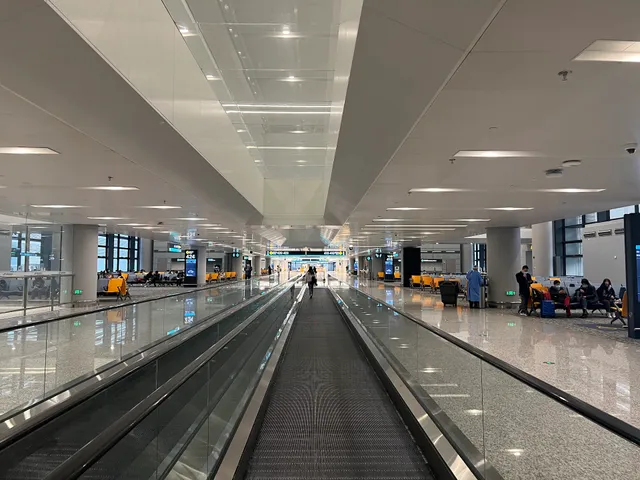
Hangzhou International Airport
ChinaZhejiangHangzhou CityHangzhou International Airport

Basic Info

Hangzhou International Airport

6CPQ+9HC, Xiaoshan District, Hangzhou, Zhejiang, China
4.1(567)
Open 24 hours
Save
spot

Ratings & Description

Info

Cultural
Entertainment
Accessibility
Family friendly
attractions: , restaurants: McDonald's Airport T3 Departures, Zhiweiguan, ๅ‘ณๅƒๆ‹‰้ข
logoLearn more insights from Wanderboat AI.
Phone
+86 571 8666 2999
Website
hzairport.com

Plan your stay

hotel
Pet-friendly Hotels in Hangzhou City
Find a cozy hotel nearby and make it a full experience.
hotel
Affordable Hotels in Hangzhou City
Find a cozy hotel nearby and make it a full experience.
hotel
The Coolest Hotels You Haven't Heard Of (Yet)
Find a cozy hotel nearby and make it a full experience.
hotel
Trending Stays Worth the Hype in Hangzhou City
Find a cozy hotel nearby and make it a full experience.

Reviews

Nearby restaurants of Hangzhou International Airport

McDonald's Airport T3 Departures

Zhiweiguan

ๅ‘ณๅƒๆ‹‰้ข

McDonald's Airport T3 Departures

McDonald's Airport T3 Departures

3.4

(4)

Click for details
Zhiweiguan

Zhiweiguan

3.0

(2)

Click for details
ๅ‘ณๅƒๆ‹‰้ข

ๅ‘ณๅƒๆ‹‰้ข

4.0

(1)

Click for details
Get the Appoverlay
Get the AppOne tap to find yournext favorite spots!
Wanderboat LogoWanderboat

Your everyday Al companion for getaway ideas

CompanyAbout Us
InformationAI Trip PlannerSitemap
SocialXInstagramTiktokLinkedin
LegalTerms of ServicePrivacy Policy

Get the app

ยฉ 2025 Wanderboat. All rights reserved.

Reviews of Hangzhou International Airport

4.1
(567)
avatar
4.0
6y

Busy

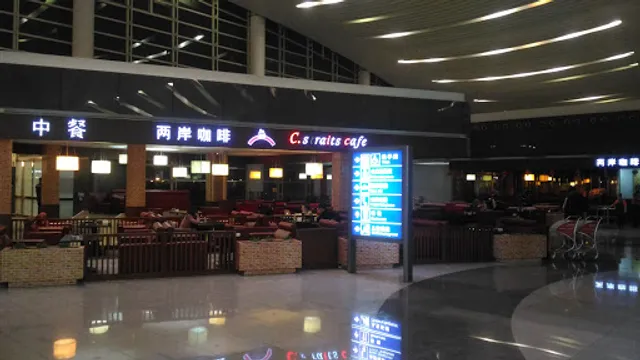
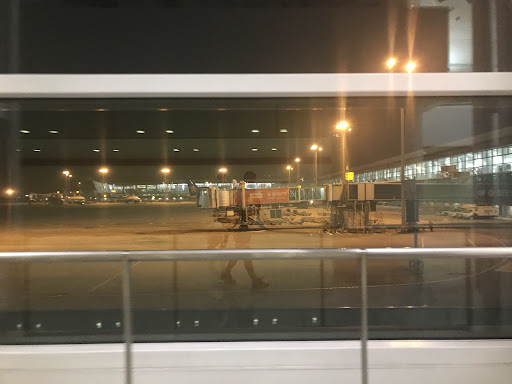
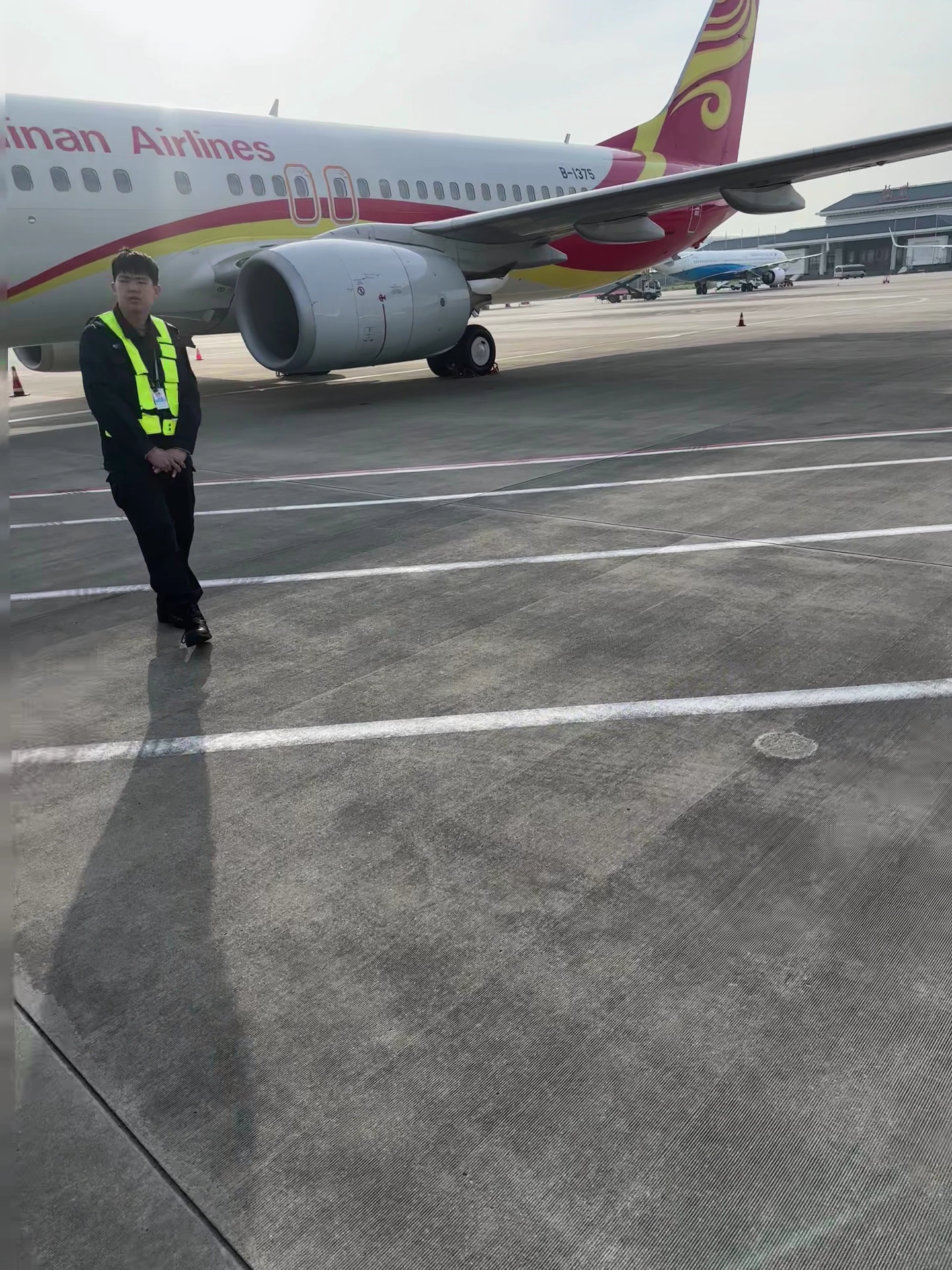
Hangzhou Xiaoshan International Airport (IATA: HGH, ICAO: ZSHC) is the principal airport serving Hangzhou, a major city in the Yangtze River Delta region and the capital of Zhejiang Province, China. The airport is located on the southern shore of Qiantang River in Xiaoshan District and is 27 km (17 mi) east of downtown Hangzhou. Architecture firm Aedas designed Hangzhou Xiaoshan International Airport. The airport has service to destinations throughout China. International destinations are mainly in the east and southeast Asia, and points of Africa, Europe, and South Asia. The airport also serves as a focus city for Air China, China Eastern Airlines, China Southern Airlines, Hainan Airlines and Xiamen Airlines. In 2017, Hangzhou airport handled 35,570,411 passengers, which ranked 10th in terms of passenger traffic in China. Additionally, the airport ranked 6th busiest in terms of cargo with 589,461.6 tonnes and was the country's 9th busiest airport by traffic movements at 271,066. The airport was planned to be constructed in three phases. The first phase of construction started in July 1997, and was completed and opened for traffic on 30 December 2000. It replaced the old Hangzhou Jianqiao Airport, which was a dual-use civil and military airfield. In March 2004, the airport officially became an international airport after immigration and customs facilities were built and put into service.[1] A second runway of 3,600 meters is also under construction. Terminal extensions are also under construction as of 2012. The airport was a hub of CNAC Zhejiang. After the airlines' merger with Air China, the latter inherited the Hangzhou hub. KLM launched the first intercontinental air route out of Hangzhou, to Amsterdam, on 8 May 2010. On the evening of 9 July 2010, the airport was shut down for an hour when an unidentified flying object was detected. Air traffic control could not locate it on radar and prudently waved off landing flights. Eighteen flights were affected. Though normal operations resumed four hours later, the incident captured the attention of the Chinese media and sparked a firestorm of speculation on the...

ย ย ย Read more
avatar
4.0
2y

Hangzhou Airport Terminal 4 - Spacious and Futuristic

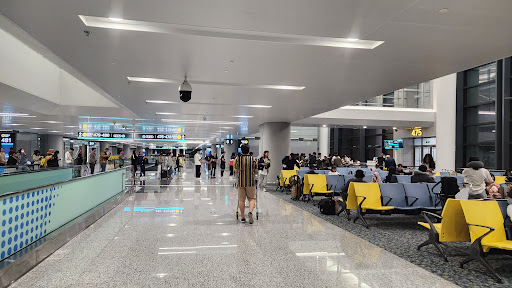
I recently had the opportunity to experience Hangzhou Airport Terminal 4, and I must say it left a lasting impression. This terminal is not only massive but also boasts a futuristic design that's a sight to behold.

The first thing you notice is the sheer size of the terminal โ€“ it's spacious and offers plenty of room to move around comfortably. The cleanliness adds to the overall pleasant atmosphere.

However, one aspect that could be improved is the limited food options. With less than 10 choices, it falls short of catering to diverse tastes. Nevertheless, given that Hangzhou is hosting the 2023 Hangzhou Asian Games, I hope to see more culinary offerings in the future.

On the positive side, Hangzhou Airport Terminal 4 provides free Wi-Fi, which is a lifesaver for travelers. You can obtain the Wi-Fi code by scanning your foreign passport on the large self-service screens. Just remember to snap a picture of the code before it times out. Although the internet connection was a bit slow during my visit, it's still a valuable amenity.

Overall, Hangzhou Airport Terminal 4 is a modern and promising facility. With a few improvements in the food department and potential upgrades to the internet speed, it could become a top-notch travel hub.

Hangzhou 2023 Asian Games

It's worth noting that Hangzhou is hosting the 2023 Hangzhou Asian Games, making the airport even more significant for travelers coming to enjoy this major...

ย ย ย Read more
avatar
5.0
1y

Hangzhou Xiaoshan International Airport is a major transportation hub in East China, located in the Xiaoshan District of Hangzhou. It features four terminals, with Terminal 4 being the newest and largest, designed to handle 50 million passengers annually. The airport serves both domestic and international routes and has expanded to include destinations such as Melbourne, Nagoya, and Vientiane in recent years.

The airport has a well-connected transportation network, including metro links, buses, and an elevated expressway to downtown Hangzhou. Recent improvements include expanded security checkpoints and additional check-in counters to manage increased passenger traffic, which reached record highs in 2024.

While the airport ranks as China's eighth busiest, reviews often highlight its modern facilities and efficient services. However, like many large airports, it can experience congestion during peak travel times. The airport's commitment to enhancing the passenger experience was demonstrated during the Asian Games with upgraded infrastructure and streamlined processes.

If you're planning to use Hangzhou Airport, it offers a mix of efficiency, modern amenities, and expanding...

ย ย ย Read more
Page 1 of 7
Previous
Next

Posts

L. StรฉphaneL. Stรฉphane
Busy Hangzhou Xiaoshan International Airport (IATA: HGH, ICAO: ZSHC) is the principal airport serving Hangzhou, a major city in the Yangtze River Delta region and the capital of Zhejiang Province, China. The airport is located on the southern shore of Qiantang River in Xiaoshan District and is 27 km (17 mi) east of downtown Hangzhou. Architecture firm Aedas designed Hangzhou Xiaoshan International Airport. The airport has service to destinations throughout China. International destinations are mainly in the east and southeast Asia, and points of Africa, Europe, and South Asia. The airport also serves as a focus city for Air China, China Eastern Airlines, China Southern Airlines, Hainan Airlines and Xiamen Airlines. In 2017, Hangzhou airport handled 35,570,411 passengers, which ranked 10th in terms of passenger traffic in China. Additionally, the airport ranked 6th busiest in terms of cargo with 589,461.6 tonnes and was the country's 9th busiest airport by traffic movements at 271,066. The airport was planned to be constructed in three phases. The first phase of construction started in July 1997, and was completed and opened for traffic on 30 December 2000. It replaced the old Hangzhou Jianqiao Airport, which was a dual-use civil and military airfield. In March 2004, the airport officially became an international airport after immigration and customs facilities were built and put into service.[1] A second runway of 3,600 meters is also under construction. Terminal extensions are also under construction as of 2012. The airport was a hub of CNAC Zhejiang. After the airlines' merger with Air China, the latter inherited the Hangzhou hub. KLM launched the first intercontinental air route out of Hangzhou, to Amsterdam, on 8 May 2010. On the evening of 9 July 2010, the airport was shut down for an hour when an unidentified flying object was detected. Air traffic control could not locate it on radar and prudently waved off landing flights. Eighteen flights were affected. Though normal operations resumed four hours later, the incident captured the attention of the Chinese media and sparked a firestorm of speculation on the UFO's identity.
AlpsAlps
Hangzhou Airport Terminal 4 - Spacious and Futuristic I recently had the opportunity to experience Hangzhou Airport Terminal 4, and I must say it left a lasting impression. This terminal is not only massive but also boasts a futuristic design that's a sight to behold. The first thing you notice is the sheer size of the terminal โ€“ it's spacious and offers plenty of room to move around comfortably. The cleanliness adds to the overall pleasant atmosphere. However, one aspect that could be improved is the limited food options. With less than 10 choices, it falls short of catering to diverse tastes. Nevertheless, given that Hangzhou is hosting the 2023 Hangzhou Asian Games, I hope to see more culinary offerings in the future. On the positive side, Hangzhou Airport Terminal 4 provides free Wi-Fi, which is a lifesaver for travelers. You can obtain the Wi-Fi code by scanning your foreign passport on the large self-service screens. Just remember to snap a picture of the code before it times out. Although the internet connection was a bit slow during my visit, it's still a valuable amenity. Overall, Hangzhou Airport Terminal 4 is a modern and promising facility. With a few improvements in the food department and potential upgrades to the internet speed, it could become a top-notch travel hub. # Hangzhou 2023 Asian Games It's worth noting that Hangzhou is hosting the 2023 Hangzhou Asian Games, making the airport even more significant for travelers coming to enjoy this major sporting event.
Rajiv BhorRajiv Bhor
Hangzhou Xiaoshan International Airport is a major transportation hub in East China, located in the Xiaoshan District of Hangzhou. It features four terminals, with Terminal 4 being the newest and largest, designed to handle 50 million passengers annually. The airport serves both domestic and international routes and has expanded to include destinations such as Melbourne, Nagoya, and Vientiane in recent years. The airport has a well-connected transportation network, including metro links, buses, and an elevated expressway to downtown Hangzhou. Recent improvements include expanded security checkpoints and additional check-in counters to manage increased passenger traffic, which reached record highs in 2024. While the airport ranks as China's eighth busiest, reviews often highlight its modern facilities and efficient services. However, like many large airports, it can experience congestion during peak travel times. The airport's commitment to enhancing the passenger experience was demonstrated during the Asian Games with upgraded infrastructure and streamlined processes. If you're planning to use Hangzhou Airport, it offers a mix of efficiency, modern amenities, and expanding flight options.
See more posts
See more posts
hotel
Find your stay

Pet-friendly Hotels in Hangzhou City

Find a cozy hotel nearby and make it a full experience.

Busy Hangzhou Xiaoshan International Airport (IATA: HGH, ICAO: ZSHC) is the principal airport serving Hangzhou, a major city in the Yangtze River Delta region and the capital of Zhejiang Province, China. The airport is located on the southern shore of Qiantang River in Xiaoshan District and is 27 km (17 mi) east of downtown Hangzhou. Architecture firm Aedas designed Hangzhou Xiaoshan International Airport. The airport has service to destinations throughout China. International destinations are mainly in the east and southeast Asia, and points of Africa, Europe, and South Asia. The airport also serves as a focus city for Air China, China Eastern Airlines, China Southern Airlines, Hainan Airlines and Xiamen Airlines. In 2017, Hangzhou airport handled 35,570,411 passengers, which ranked 10th in terms of passenger traffic in China. Additionally, the airport ranked 6th busiest in terms of cargo with 589,461.6 tonnes and was the country's 9th busiest airport by traffic movements at 271,066. The airport was planned to be constructed in three phases. The first phase of construction started in July 1997, and was completed and opened for traffic on 30 December 2000. It replaced the old Hangzhou Jianqiao Airport, which was a dual-use civil and military airfield. In March 2004, the airport officially became an international airport after immigration and customs facilities were built and put into service.[1] A second runway of 3,600 meters is also under construction. Terminal extensions are also under construction as of 2012. The airport was a hub of CNAC Zhejiang. After the airlines' merger with Air China, the latter inherited the Hangzhou hub. KLM launched the first intercontinental air route out of Hangzhou, to Amsterdam, on 8 May 2010. On the evening of 9 July 2010, the airport was shut down for an hour when an unidentified flying object was detected. Air traffic control could not locate it on radar and prudently waved off landing flights. Eighteen flights were affected. Though normal operations resumed four hours later, the incident captured the attention of the Chinese media and sparked a firestorm of speculation on the UFO's identity.
L. Stรฉphane

L. Stรฉphane

hotel
Find your stay

Affordable Hotels in Hangzhou City

Find a cozy hotel nearby and make it a full experience.

Get the Appoverlay
Get the AppOne tap to find yournext favorite spots!
Hangzhou Airport Terminal 4 - Spacious and Futuristic I recently had the opportunity to experience Hangzhou Airport Terminal 4, and I must say it left a lasting impression. This terminal is not only massive but also boasts a futuristic design that's a sight to behold. The first thing you notice is the sheer size of the terminal โ€“ it's spacious and offers plenty of room to move around comfortably. The cleanliness adds to the overall pleasant atmosphere. However, one aspect that could be improved is the limited food options. With less than 10 choices, it falls short of catering to diverse tastes. Nevertheless, given that Hangzhou is hosting the 2023 Hangzhou Asian Games, I hope to see more culinary offerings in the future. On the positive side, Hangzhou Airport Terminal 4 provides free Wi-Fi, which is a lifesaver for travelers. You can obtain the Wi-Fi code by scanning your foreign passport on the large self-service screens. Just remember to snap a picture of the code before it times out. Although the internet connection was a bit slow during my visit, it's still a valuable amenity. Overall, Hangzhou Airport Terminal 4 is a modern and promising facility. With a few improvements in the food department and potential upgrades to the internet speed, it could become a top-notch travel hub. # Hangzhou 2023 Asian Games It's worth noting that Hangzhou is hosting the 2023 Hangzhou Asian Games, making the airport even more significant for travelers coming to enjoy this major sporting event.
Alps

Alps

hotel
Find your stay

The Coolest Hotels You Haven't Heard Of (Yet)

Find a cozy hotel nearby and make it a full experience.

hotel
Find your stay

Trending Stays Worth the Hype in Hangzhou City

Find a cozy hotel nearby and make it a full experience.

Hangzhou Xiaoshan International Airport is a major transportation hub in East China, located in the Xiaoshan District of Hangzhou. It features four terminals, with Terminal 4 being the newest and largest, designed to handle 50 million passengers annually. The airport serves both domestic and international routes and has expanded to include destinations such as Melbourne, Nagoya, and Vientiane in recent years. The airport has a well-connected transportation network, including metro links, buses, and an elevated expressway to downtown Hangzhou. Recent improvements include expanded security checkpoints and additional check-in counters to manage increased passenger traffic, which reached record highs in 2024. While the airport ranks as China's eighth busiest, reviews often highlight its modern facilities and efficient services. However, like many large airports, it can experience congestion during peak travel times. The airport's commitment to enhancing the passenger experience was demonstrated during the Asian Games with upgraded infrastructure and streamlined processes. If you're planning to use Hangzhou Airport, it offers a mix of efficiency, modern amenities, and expanding flight options.
Rajiv Bhor

Rajiv Bhor

See more posts
See more posts