This was a key place for me and my friend to visit but, the moment it began with the story of Anne Frank, I was aware that it was not going to be as insightful and specific to the Shanghai experience as I had hoped.
The writing looks at the Holocaust in general; a crucial and important history to look at but kind of misses the point of the name of the museum.
The information about how the Jewish people ended up in Shanghai and their experience there was dramatically romanticised and is extended propaganda to make the Chinese look altruistic and the Japanese look horrendous.
Comments about the man who wrote the visas for the Jewish people to enter Shanghai being known as the 'Schindler of the East' is completely incorrect as Schindler did not become famous for his contribution until many years after the war.
Also things such as the story of the doctor who wanted to operate in the military to give back to China and as a reflection of his belief in peace etc. Again, fictional, this doctor was a urologist and gynecologist yet he is written up in this museum as if he was treating gun wounds on the front line against the invading Japanese. Yes, he was involved but more through coercion by the Chinese and the Chinese feeling that the refugees they had accepted owed them something.
There are some glimmers of truth here and of course, it is all based on real events, but the obvious and overt changes to the narrative to make China look good is obvious and disappointing.
It also relates to the way the racism and difficulty the Jewish community faced is overlooked. The fact that they all left en masse as soon as Israel was founded and opened its borders. It begs why there is no Jewish quarter in the city if everything was sunshine and butterflies while they were living in Shanghai.
An important museum but tainted by the misrepresentation which is rife in China. Everything here must be taken with a remedial grain of salt.
Though worth a visit, I would advise people to do alternative research to be able to fully critique what is shared at...
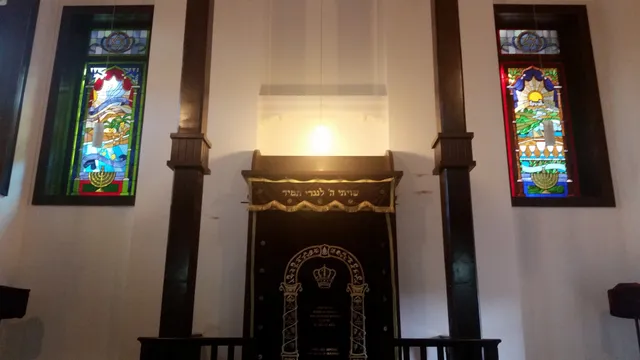
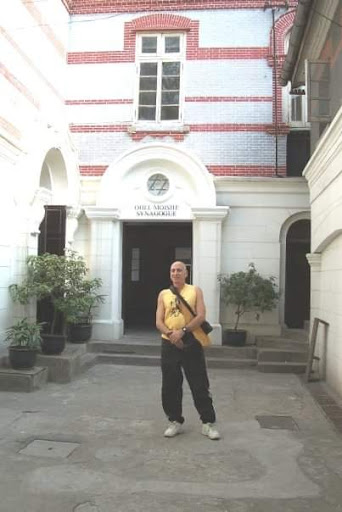
Read moreSuch an interesting history housed here in the former Ohel Moshe Synagogue in the Hongkou District of Shanghai. The surrounding area was nice to see as well with a lot of old buildings including the former home of Michael Blumenthal (former Secretary of Treasury who lived here as a boy) Our volunteer guide at the museum was really insightful and helpful and his English was very good. The displays are self explanatory as well. This is a bite sized museum and easy to navigate. There is a wall outside in bronze with the names of the thousands of Jews who were saved by what they called 'the Ark'. Also there is an interactive data base where you can search to for people. If you have stories to add they would like to hear them FYI. The original Torah is not there because it was hidden when the revolution hit. Interesting fact that Peter Max the artist was one of the refugees and he returned to China to try and find his nanny who taught him to draw. ...
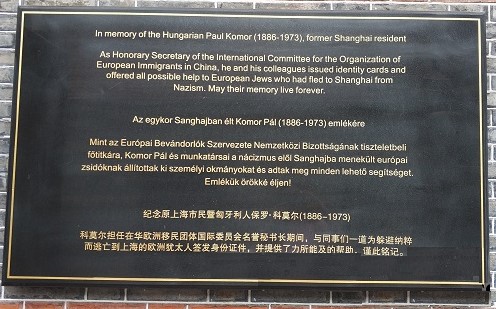
Read moreSanghaj zsidó történelmi öröksége A kereskedelmi lehetőségek, a jó gazdasági kilátások, illetve a vallási üldözés elől már a XIX. század közepén érkeztek zsidók Sanghajba. Akkoriban főleg bagdadi szefárd zsidók és kelet-európai askenázi zsidók. A szefárd zsidók közül több család is a Sanghajban lévő angol koncesszió támogatását élvezte, hamar gazdag kereskedőkké váltak. A legnagyobb vagyonra a Sassoon család tett szert (épület a Bundon). Az oroszországi askenázi zsidók, akik ugyan menedékként tekintettek Sanghajra, de ők is viszonylag gyorsan jó egzisztenciát építettek ki új otthonukban. Az 1930-as évektől kezdve egyre több hajó futott be Sanghaj kikötőjébe Európából, fedélzetükön a leginkább Berlinből és Bécsből érkező kereskedőkkel, értelmiségiekkel és az ő családjaikkal. A Németországban fokozatosan erősödő antiszemitizmus menekülésre kényszerítette a zsidókat. Ugyan a 30-as években nem sokat lehetett tudni Kínáról, ezeknek az embereknek mégsem maradt más választásuk. A nyugati világ bezárkózott a további menekültek fogadása elől, fura történelmi és politikai helyzete miatt Sanghaj volt az egyetlen hely, ahova vízum nélkül érkezhettek. Az 1842-es nankingi szerződés értelmében ugyanis Sanghaj nemzetközi város volt, amely a nyugati hatalmak igazgatása alatt állt. Később sem volt szükség semmilyen beutazási engedélyre, amikor 1937-ben Japán el nem foglalta a várost. A régen “Little Vienna” (“kis Bécs”) néven ismert negyedben valaha “igazi” bécsi kávézók, éttermek álltak. A viszontagságok ellenére a Sanghajba érkező zsidók egy virágzó és jól működő közösséget építettek ki, ahol volt zsinagóga, iskola, színház, újság és rádió is. 2007-ben Hongkou kerület vezetősége felújította az Ohel Moshe zsinagógát (most Sanghaji Zsidó Menekültügyi Múzeum), a körülötte lévő még fellelhető néhány “gettókori” lakóépületet és a Tilanqiao negyed történelmi részeként őrzik. A múzeum falán van egy magyar felirat: Komor Pál 1898-ban még gyerekként érkezett szüleivel Sanghajba. 1917-től a holland főkonzulátuson lett nem hivatalos magyar konzul. Míg az 1937 előtt Európából érkező menekültek magukkal hozhatták értékeiket, később mindössze 10 márkával, szinte üres zsebbel szállhattak csak fel a hajóra. A Bundon épült Sassoon ház egyik irodájában működött az Európai Bevándorlók Szervezete Nemzetközi Bizottsága (International Committee for the Organization of European Refugees in China), amit leginkább csak “Komor – Bizottságként” emlegettek. Komor Pál kapcsolatait felhasználva szállást, ennivalót és munkát szerzett a sokszor minden nélkül érkező zsidó menekülteknek. Saját aláírásával ellátott személyi igazolványokat állított ki, amit mind a kínai, mind a japán hatóságok elfogadtak. A Komor-bizottság volt az egyetlen, ami segítette a Sanghajba érkező hontalan...
Read more