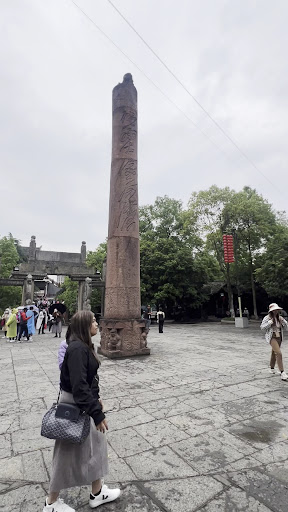
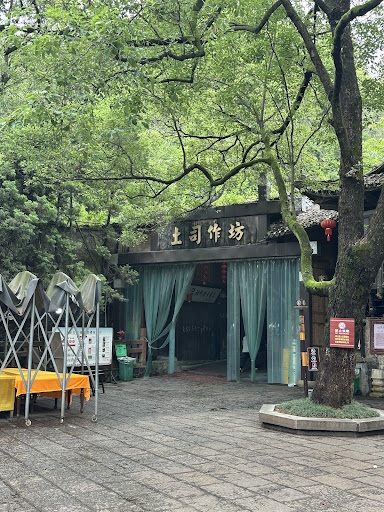
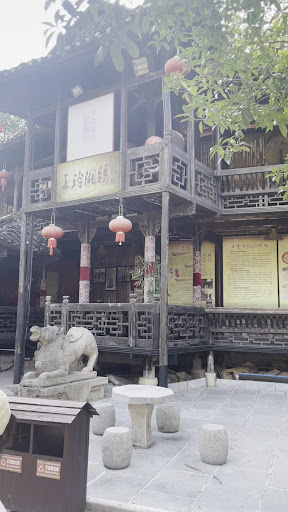
Tujia Folk Customs Park things to do, attractions, restaurants, events info and trip planning

Basic Info
Tujia Folk Customs Park
China, Hunan, Zhangjiajie, Yongding District, 306省道南庄坪 邮政编码: 427000
4.3(188)
Open 24 hours
Save
spot
spot
Ratings & Description
Info
Cultural
Entertainment
Family friendly
Accessibility
attractions: Tusi City Impression, Dayongqiao Park, restaurants: , local businesses:
 Learn more insights from Wanderboat AI.
Phone
+86 744 828 2222
Plan your stay

Pet-friendly Hotels in Zhangjiajie
Find a cozy hotel nearby and make it a full experience.

Affordable Hotels in Zhangjiajie
Find a cozy hotel nearby and make it a full experience.

The Coolest Hotels You Haven't Heard Of (Yet)
Find a cozy hotel nearby and make it a full experience.

Trending Stays Worth the Hype in Zhangjiajie
Find a cozy hotel nearby and make it a full experience.
Reviews
Nearby attractions of Tujia Folk Customs Park
Tusi City Impression
Dayongqiao Park

Tusi City Impression
4.4
(13)
Open 24 hours
Click for details

Dayongqiao Park
4.2
(21)
Open 24 hours
Click for details