KNINSKA TVRĐAVA
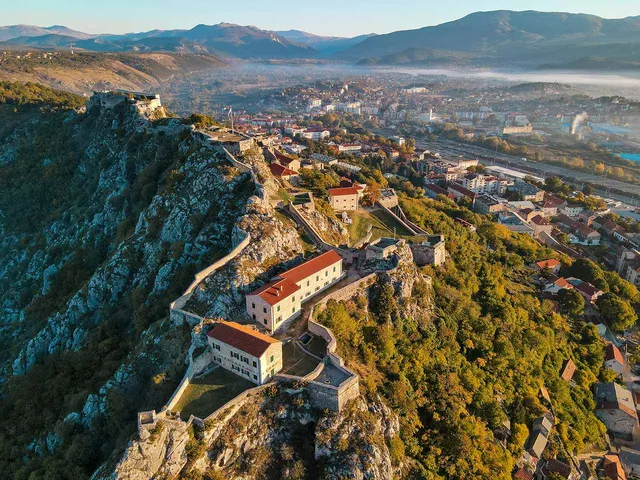
Na najvišem platou brda Spas kod Knina u srednjem je vijeku izgrađena odbrambena građevina koja će postati simbolom grada. Tu je tvrđavu prvi spomenuo bizantski car Konstantin Porfirogenet u 10. vijeku, ali vjerovatno se počela graditi već u 9. vijeku u vrijeme nastanka starohrvatske države.
Neki hrvatski kraljevi (Svetoslav Suronja, Držislav, Petar Krešimir IV) povremeno su stolovali u Kninu, sve do kralja Dmitra Zvonimira koji je odabrao Knin kao stalnu prijestolnicu. Okrunjen je 1075. godine. Tada se Knin razvio u pravi srednjovjekovni grad s administracijom i biskupom.
Posljednji hrvatski kralj Petar Svačić je također vladao iz Knina. Pet godina nakon njegove smrti, Hrvatsko kraljevstvo gubi nezavisnost i ulazi u personalnu uniju s Ugarskom.
Tada Knin gubi status prijestolnoga grada te središta hrvatskog biskupa, no tvrđava je ostala značajno administrativno i vojno središte u kojem stoluje herceg – zamjenik kralja za Hrvatsku i u kojem se nalaze banski i županijski sud te u kojem se sazivaju dalmatinsko-hrvatski sabori.
U 13. vijeku Mađari proglašavaju Knin kraljevskim gradom u kojem stoluje herceg Bela.
Početkom 14. vijeka za vlast nad Kninom se bore hrvatski velikaši Šubici i Nelipčići.
Bosanski kralj Tvrtko zauzima Knin 1388. godine. Knin se ponovno vraća pod ugarsku vlast 1392. godine kad je hrvatski ban Nikola Gorjanski potukao kod Golubića bosanskog vojvodu Vuka Vukčića.
Knin je 1401. godine bio meta nasrtaja i pljačke vojske velikog vojvode bosanskog Hrvoja Vukčića Hrvatinića te mu je stanovništvo moralo plaćati visoke sume novca i davati bogate darove da ih zauzvrat ne dira. Knin je neko vrijeme (1402) bio pod njegovom vlašću.
Stalni napadi Osmanlija na kninsku tvrđavu počinju 1469. godine. Kninski garnizon se predao 29. maja 1522. godine. Vojsku bosanskog sandžaka predvodio je Gazi Husref beg. Komandant kninske tvrđave Mihajlo Vojković iz Klokoča kod Slunja predao je grad bez borbe.
Tako je Knin ušao u sastav Osmanskog carstva i to kao nahija u sastavu bosanskog sandžaka do 1537. godine. Te je godine osnovan kliški sandžak u koji ulazi i kninska nahija. Knin dobija status kasabe. Pretpostavlja se da je Knin bio središte Krčko-ličkog sandžaka osnovanog 1574. godine.
Tokom kandijskog rata, Venecija se 1648. godine dočepala Knina kojeg su nešto ranije Osmanlije napustili. Venecija u tom ratu nije namjeravala zadržati Knin pa ga nakon pola godine napušta. Tada djelimično razara tvrđavu. Osmanlije nakon povratka u razrušeni i popaljeni Knin, odmah pristupaju njegovoj obnovi i jačanju.
U doba morejskog rata, poslije dugih i opsežnih priprema, mletačka vojska 1688. godine opsjela je Knin s 10 hiljada vojnika .
Nakon 14 dana borbe, 11. septembra 1688. godine, posada tvrđave se predala.
Godine 1797. prestaje postojati Mletačka republika, a Knin dolazi pod prvu vladavinu Austrije. Ta prva vladavina Austrije bila je kratkog vijeka. Požunskim mirom 26. decembra 1805. godine Austrija prepušta Dalmaciju Napoleonu.
Napoleonova katastrofa u Rusiji 1812. godine i poraz u “bici” naroda kod Leipziga 1813. godine pospješili su i ubrzali propast francuske vlasti u Dalmaciji, pa i u Kninu. Tako već 30. oktobra 1813. godine general Severio Tomašić ulazi sa vojskom u Knin čime je započela druga vladavina Austrije koja će trajati do 1918. godine.
Tek pomicanjem austrijsko-osmanske granice na Drinu 1878. godine, Knin prestaje biti vojno strateški centar a tvrđava počinje propadati.
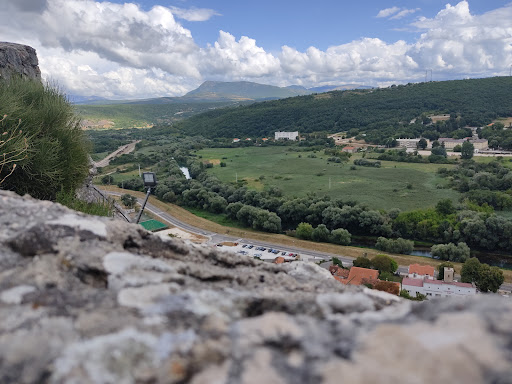
Današnji izgled tvrđava je poprimila u 18. vijeku. Smještena je na 345 metara nadmorske visine (100 metara iznad Knina). Duga je 470 m, a na najvišem je dijelu široka 110 m. Odbrambeni zidovi koji je opasuju sa svih strana u dužini od gotovo 2 kilometra mjestimično su visoki i do 20 m. To je druga najveća fortifikacijska tvrđava u Evropi. Dijeli se na pet međusobno povezanih dijelova: Gornji grad (Kaštel Knin, najstariji dio tvrđave), Srednji grad, Donji grad (ulaz u tvrđavu), Kaštel lab (Bandijera – mjesto gdje danas stoji zastava) i Južni grad (Belveder, najmlađi...
Read more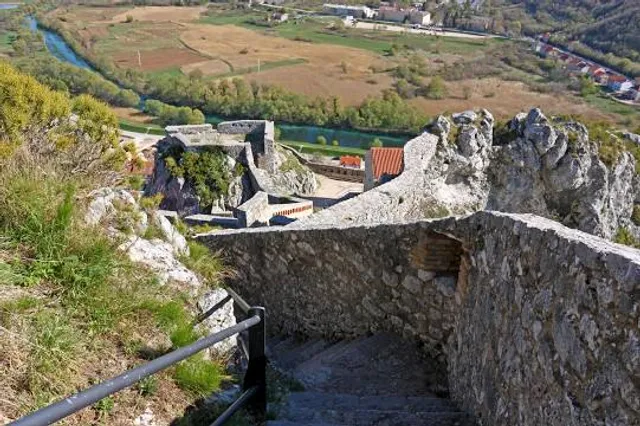

 Learn more insights from Wanderboat AI.