HTML SitemapExplore
logo
Find Things to DoFind The Best Restaurants

Old Town, Varaždin — Attraction in Grad Varaždin

Name
Old Town, Varaždin
Description
Nearby attractions
Varaždin City Museum
Šetalište Josipa Jurja Strossmayera 3, 42000, Varaždin, Croatia
Watchtower - Management of the City Museum Varazdin
Šetalište Josipa Jurja Strossmayera 3, 42000, Varaždin, Croatia
Varaždin Cathedral
Pavlinska ul. 4, 42000, Varaždin, Croatia
Entomološki muzej
Franjevački trg 10, 42000, Varaždin, Croatia
Palača Patačić Bužan
Franjevački trg, 42000, Varaždin, Croatia
Muzej hrvatskog vatrogastva Varaždin
Ul. Baruna Trenka 44, 42000, Varaždin, Croatia
Palace Erdődy
Kapucinski trg, 42000, Varaždin, Croatia
Vila Bedekovic
Ul. Augusta Cesarca 10, 42000, Varaždin, Croatia
Varaždin cemetery
Vodovodna ul. 1, 42000, Varaždin, Croatia
Muzej oldtimera i stare tehnike
Ul. Otona Župančića 4, 42000, Varaždin, Croatia
Nearby restaurants
Bedem
Ul. Vladimira Nazora 9, 42000, Varaždin, Croatia
Nearby hotels
Vortex
pro. Marijana Zubera, 42000, Varaždin, Croatia
Park Boutique Hotel
Ul. Juraja Habdelića 6, 42000, Varaždin, Croatia
Little Vienna Gold Apartment
Ul. Janka Draškovića 2, 42000, Varaždin, Croatia
Apartman Korzo
Franjevački trg 1, 42000, Varaždin, Croatia
Studio apartman D&D
Ul. Andrije Kačića Miošića 5a, 42000, Varaždin, Croatia
B&B Arbia Dorka Luxury Palace
Ul. Alojzija Stepinca 7, 42000, Varaždin, Croatia
CBB Rooms
Ul. Braće Radić 7, 42000, Varaždin, Croatia
Hotel Turist
Aleja kralja Zvonimira 1, 42000, Varaždin, Croatia
Royal Palace Apartments ****
Trnovečka ul. 6, 42000, Varaždin, Croatia
Pansion Maltar
Ul. Franca Prešerna 1, 42000, Varaždin, Croatia
Related posts
Keywords
Old Town, Varaždin tourism.Old Town, Varaždin hotels.Old Town, Varaždin bed and breakfast. flights to Old Town, Varaždin.Old Town, Varaždin attractions.Old Town, Varaždin restaurants.Old Town, Varaždin travel.Old Town, Varaždin travel guide.Old Town, Varaždin travel blog.Old Town, Varaždin pictures.Old Town, Varaždin photos.Old Town, Varaždin travel tips.Old Town, Varaždin maps.Old Town, Varaždin things to do.
Old Town, Varaždin things to do, attractions, restaurants, events info and trip planning
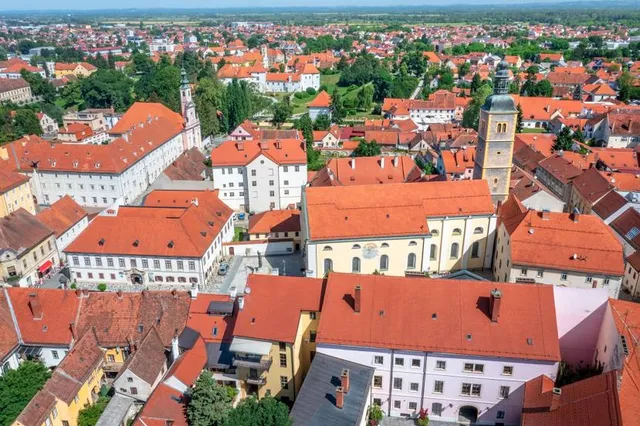
Old Town, Varaždin
CroatiaGrad VaraždinOld Town, Varaždin

Basic Info

Old Town, Varaždin

Šetalište Josipa Jurja Strossmayera 1, 42000, Varaždin, Croatia
4.8(2.2K)
Open 24 hours
Save
spot

Ratings & Description

Info

Cultural
Scenic
Family friendly
Accessibility
attractions: Varaždin City Museum, Watchtower - Management of the City Museum Varazdin, Varaždin Cathedral, Entomološki muzej, Palača Patačić Bužan, Muzej hrvatskog vatrogastva Varaždin, Palace Erdődy, Vila Bedekovic, Varaždin cemetery, Muzej oldtimera i stare tehnike, restaurants: Bedem
logoLearn more insights from Wanderboat AI.
Phone
+385 42 658 754
Website
gmv.hr

Plan your stay

hotel
Pet-friendly Hotels in Grad Varaždin
Find a cozy hotel nearby and make it a full experience.
hotel
Affordable Hotels in Grad Varaždin
Find a cozy hotel nearby and make it a full experience.
hotel
The Coolest Hotels You Haven't Heard Of (Yet)
Find a cozy hotel nearby and make it a full experience.
hotel
Trending Stays Worth the Hype in Grad Varaždin
Find a cozy hotel nearby and make it a full experience.

Reviews

Nearby attractions of Old Town, Varaždin

Varaždin City Museum

Watchtower - Management of the City Museum Varazdin

Varaždin Cathedral

Entomološki muzej

Palača Patačić Bužan

Muzej hrvatskog vatrogastva Varaždin

Palace Erdődy

Vila Bedekovic

Varaždin cemetery

Muzej oldtimera i stare tehnike

Varaždin City Museum

Varaždin City Museum

4.7

(114)

Closed
Click for details
Watchtower - Management of the City Museum Varazdin

Watchtower - Management of the City Museum Varazdin

4.7

(24)

Open 24 hours
Click for details
Varaždin Cathedral

Varaždin Cathedral

4.8

(423)

Closed
Click for details
Entomološki muzej

Entomološki muzej

4.6

(16)

Open 24 hours
Click for details

Nearby restaurants of Old Town, Varaždin

Bedem

Bedem

Bedem

4.6

(832)

$$

Click for details
Get the Appoverlay
Get the AppOne tap to find yournext favorite spots!
Wanderboat LogoWanderboat

Your everyday Al companion for getaway ideas

CompanyAbout Us
InformationAI Trip PlannerSitemap
SocialXInstagramTiktokLinkedin
LegalTerms of ServicePrivacy Policy

Get the app

© 2025 Wanderboat. All rights reserved.
logo

Reviews of Old Town, Varaždin

4.8
(2,182)
avatar
5.0
6y

In the Vindija cave near Varazdin, the best preserved remains of Neanderthals in the world, about 30,000 years old, were found. According to archaeological findings, the area of ​​the city was settled in the Roman era, as evidenced by the names of the two existing streets today - Via Militum and Via Petovia (today's Braće Radić and Optujska streets). The history of Varaždin is closely linked to the history of the medieval Varaždin County. There are assumptions that prior to the 12th century there was a tribal parish of Varaždin. According to the preserved sources, it can be clearly seen that the Varaždin and Zagorje counties existed in the developed and the late Middle Ages. About 1350, a reorganization of counties created a large county of Varaždin, which, among other things, included some neighboring counties. From the mid-14th century, the Varaždin County was divided into smaller counties that mostly coincided with the old counties. Varaždin was first mentioned in 1181. Croatian-Hungarian King Bela III. In 1194, his son Emerik (Mirko) entrusted Croatian territory to management, excluding his younger son Andri from the system of government. He ordered Andrius to go to the crusade and Emerika to become king. After that, Varaždin is developing as a typical medieval privileged city, and soon becomes the most popular city of today's area of ​​continental Croatia (the then Kingdom of Slavonia). Varaždin was not only the seat of the Varaždin County, but also often the place where the sessions were held. Varaždin quickly became a shopping center because it was at the crossroads of important medieval roads that connected Hungary with the Adriatic Sea, but also the Kingdom of Slavonia with the neighboring Vojvodina Styria. With the trade, the craft began to develop rapidly. Prosperity lasted until the Varaždin area and Varazdin itself did not jeopardize the Ottomans. It seems that one of the biggest breakthroughs of the Ottomans in the Varaždin area was in 1532. Sultan Suleiman I .. In the summer of 1532, the main Habsburg city of Vienna was occupied. On the way, Nikola Jurisic successfully opposed Kiseg. Sulejman I., after the failure of Kis, left the intention of conquering Vienna and returned to the Ottoman Empire. In order to protect the population from the Ottoman attacks, an excitation system was established that was established in 1603 according to the decisions of the Croatian Parliament. The arrival of the enemy had to be announced by firing guns, and each had to shoot with the weapon in his hand to the side where the shooting was. After the signing of the peace, the king rewarded Tom Erdödy for the merit of war and defense of the Croatian kingdom. In 1607, he gave him a Varaždin fortress, possessions around Varaždin, and appointed him as hereditary mayor of Varaždin. Varaždin was also the church seat, ie. the center of the Varazdin Archdiocese of the Zagreb Diocese. The oldest list of the parish of the Varaždin arhiđakonata in the early new century is from 1638.

Varaždin City Municipality eventually acquired numerous properties and real estate, part of which was leased out. Often, residents of Varaždin Toplica were the tenants of some Varaždin real estate. Maria Theresa tried to strengthen absolute power and a unique state. Because of that she tended to narrow down the power of the Croatian and Hungarian nobility. In 1767 the Queen founded the first modern Croatian government, the Croatian Royal Council, whose center was in Varaždin, and after the great Varaždin fire in 1776 it was moved to Zagreb. From 1767 to 1776, Varaždin was the capital of Croatia, and there are numerous palaces and public buildings that are preserved to this day and give it a characteristic feature of the Baroque city.

Varaždin entered the 20th century with a developed social and economic life. The stagnation of economic functions came after the First World War. After the Second World War there is a further process of modernization and accelerated industrialization, but also the establishment of the first higher education...

   Read more
avatar
5.0
3y

Varaždin is my favorite town. Fell in love with it some 20 years ago when I first visited it. It's a pea eful, ordered little town with a captivating old Town and a small castle in the middle of it. Architecturally it's quite European. Romantic even. We visited it again this summer, during the Spancirfest event. It was such a pleasant thing to experience. Like a movie set for a timeless place with a sense of community, peace, respect for tradition yet free for self expression. The streets during this festival are dotted with store stands from local trades. We saw home made ham, pottery, lots and lots and lots of artwork, a couple was even selling Thai hats. There was a baker with a basket visiting these stands, selling pastry to the other sellers, and you could pick up from the non verbals that there's a dose of friendship and commeradery there. Something you simply don't get to see often. It was so idyllic that you'd want to record the whole thing and send it off to a movie festival. If you're close by, make sure to spend at least a day soaking up the event. If you're not near by, do yourself a favor: visit this little town during some of...

   Read more
avatar
5.0
9y

Jedan predivan i lijepo obnovljen grad.

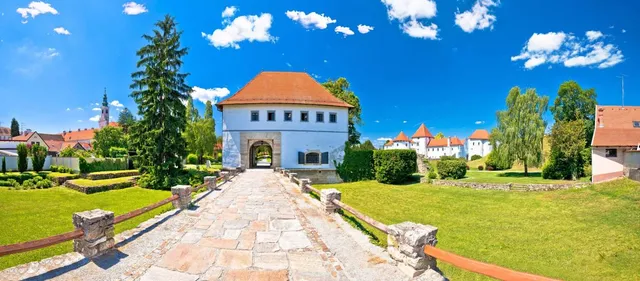
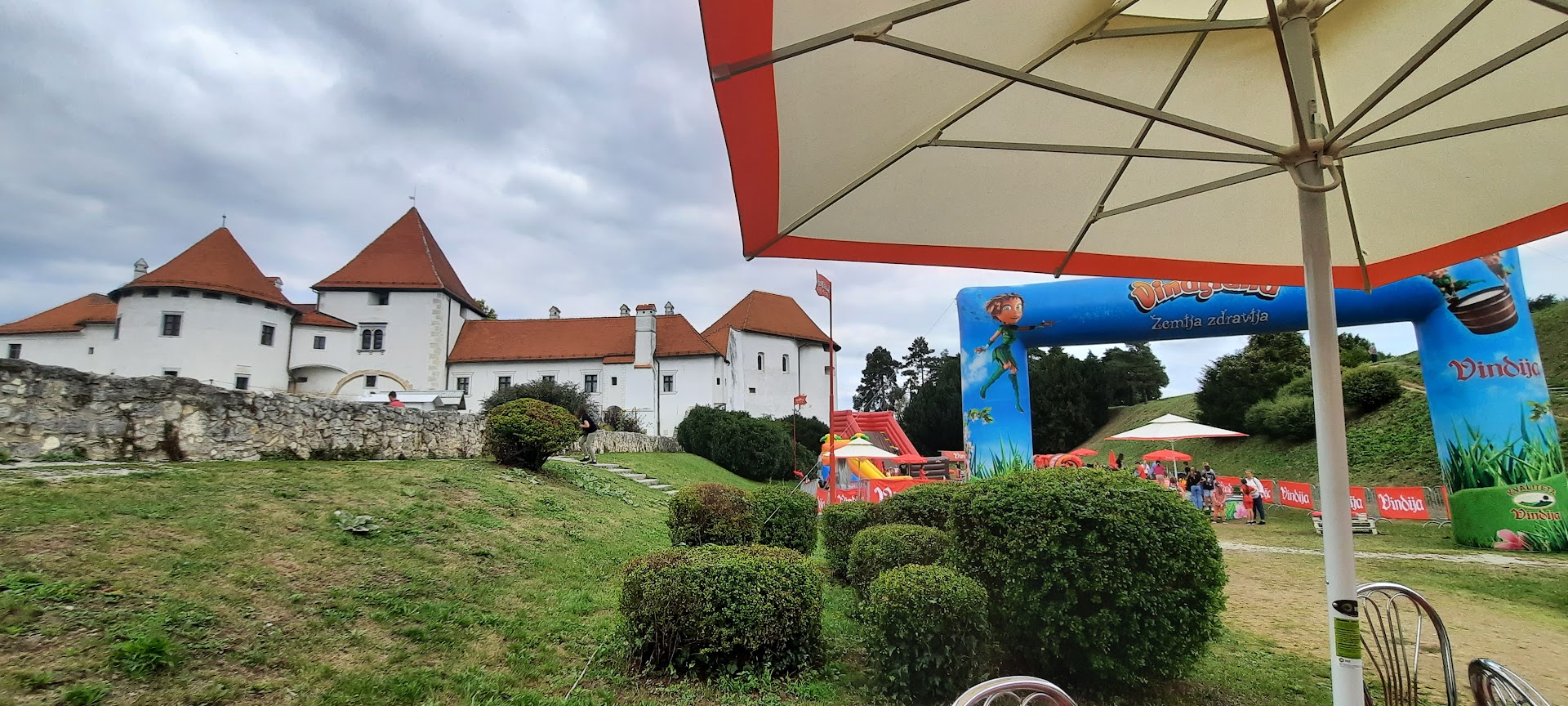
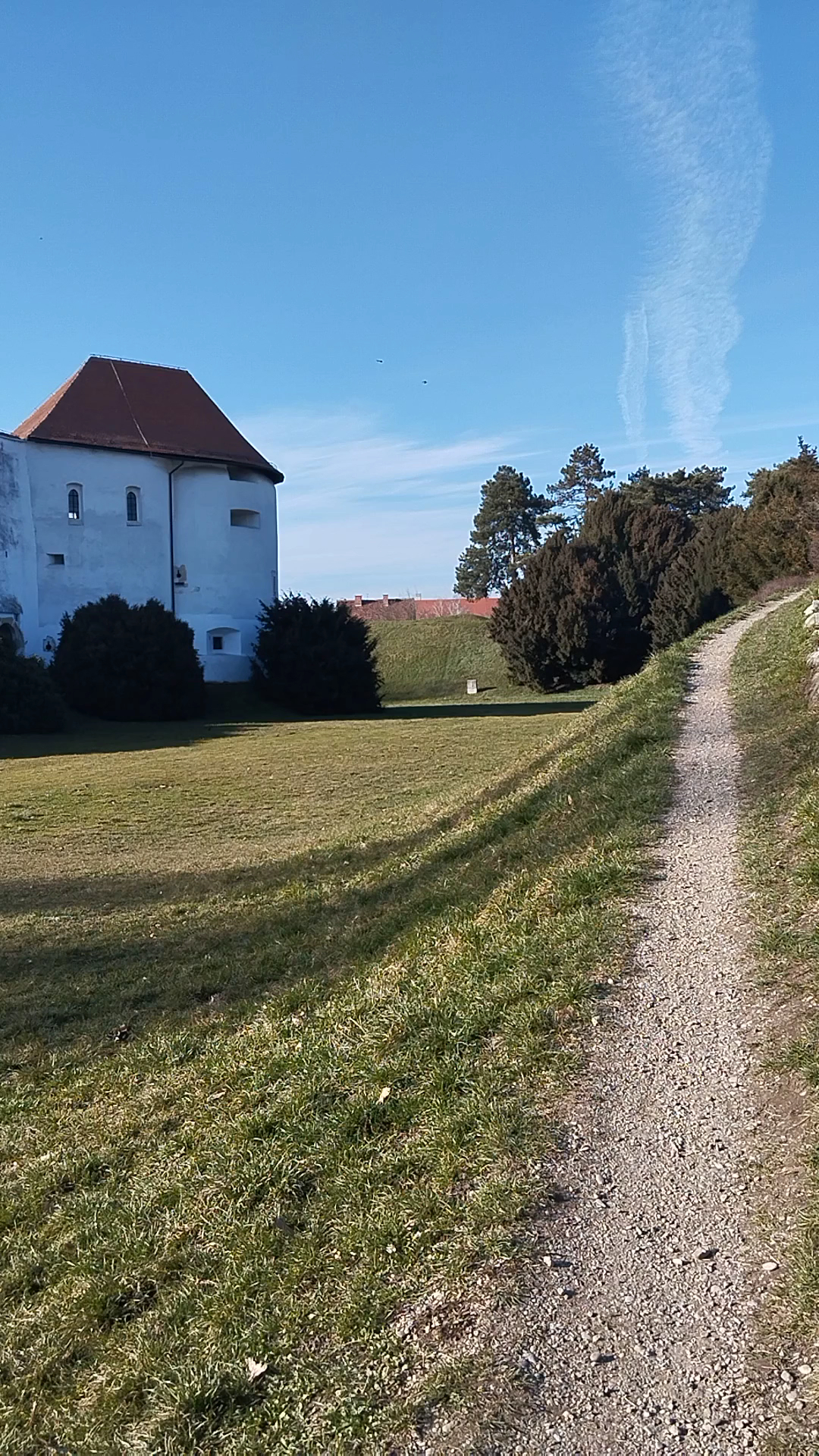
Varaždinska feudal fortress, from ancient times called Old Town, the most important historical buildings of Varazdin. It is the center of aristocratic estate, owner and legally separate from the free royal town of Varazdin. The present fort was built of 14 to 19 the century. The oldest part of the central tower. Bench and canopy in its ground floor are the most beautiful examples of Gothic secular plastic in the North Croatian. For the wars with the Turks in the 16th century, rebuilt in the Renaissance Wasserburg, a fortress – the castle is surrounded by high earthen walls with bastions, surrounded by a double belt of water. Turnover in the second half of the 16th century carried Italian architects from around Coma headed by the emperor built the fortress in the Slavonian frontier Domenico del? Lalli. During the past was having many important noble family, the Counts of Celje, John Ungnada, George of Brandenburg and Croatian Ban Thomas Erdödyja and his successors. In 1925. become the property of the city...

   Read more
Page 1 of 7
Previous
Next

Posts

TOMAS FURMANTOMAS FURMAN
In the Vindija cave near Varazdin, the best preserved remains of Neanderthals in the world, about 30,000 years old, were found. According to archaeological findings, the area of ​​the city was settled in the Roman era, as evidenced by the names of the two existing streets today - Via Militum and Via Petovia (today's Braće Radić and Optujska streets). The history of Varaždin is closely linked to the history of the medieval Varaždin County. There are assumptions that prior to the 12th century there was a tribal parish of Varaždin. According to the preserved sources, it can be clearly seen that the Varaždin and Zagorje counties existed in the developed and the late Middle Ages. About 1350, a reorganization of counties created a large county of Varaždin, which, among other things, included some neighboring counties. From the mid-14th century, the Varaždin County was divided into smaller counties that mostly coincided with the old counties. Varaždin was first mentioned in 1181. Croatian-Hungarian King Bela III. In 1194, his son Emerik (Mirko) entrusted Croatian territory to management, excluding his younger son Andri from the system of government. He ordered Andrius to go to the crusade and Emerika to become king. After that, Varaždin is developing as a typical medieval privileged city, and soon becomes the most popular city of today's area of ​​continental Croatia (the then Kingdom of Slavonia). Varaždin was not only the seat of the Varaždin County, but also often the place where the sessions were held. Varaždin quickly became a shopping center because it was at the crossroads of important medieval roads that connected Hungary with the Adriatic Sea, but also the Kingdom of Slavonia with the neighboring Vojvodina Styria. With the trade, the craft began to develop rapidly. Prosperity lasted until the Varaždin area and Varazdin itself did not jeopardize the Ottomans. It seems that one of the biggest breakthroughs of the Ottomans in the Varaždin area was in 1532. Sultan Suleiman I .. In the summer of 1532, the main Habsburg city of Vienna was occupied. On the way, Nikola Jurisic successfully opposed Kiseg. Sulejman I., after the failure of Kis, left the intention of conquering Vienna and returned to the Ottoman Empire. In order to protect the population from the Ottoman attacks, an excitation system was established that was established in 1603 according to the decisions of the Croatian Parliament. The arrival of the enemy had to be announced by firing guns, and each had to shoot with the weapon in his hand to the side where the shooting was. After the signing of the peace, the king rewarded Tom Erdödy for the merit of war and defense of the Croatian kingdom. In 1607, he gave him a Varaždin fortress, possessions around Varaždin, and appointed him as hereditary mayor of Varaždin. Varaždin was also the church seat, ie. the center of the Varazdin Archdiocese of the Zagreb Diocese. The oldest list of the parish of the Varaždin arhiđakonata in the early new century is from 1638. Varaždin City Municipality eventually acquired numerous properties and real estate, part of which was leased out. Often, residents of Varaždin Toplica were the tenants of some Varaždin real estate. Maria Theresa tried to strengthen absolute power and a unique state. Because of that she tended to narrow down the power of the Croatian and Hungarian nobility. In 1767 the Queen founded the first modern Croatian government, the Croatian Royal Council, whose center was in Varaždin, and after the great Varaždin fire in 1776 it was moved to Zagreb. From 1767 to 1776, Varaždin was the capital of Croatia, and there are numerous palaces and public buildings that are preserved to this day and give it a characteristic feature of the Baroque city. Varaždin entered the 20th century with a developed social and economic life. The stagnation of economic functions came after the First World War. After the Second World War there is a further process of modernization and accelerated industrialization, but also the establishment of the first higher education institutions.
Igor MateskiIgor Mateski
Varaždin is my favorite town. Fell in love with it some 20 years ago when I first visited it. It's a pea eful, ordered little town with a captivating old Town and a small castle in the middle of it. Architecturally it's quite European. Romantic even. We visited it again this summer, during the Spancirfest event. It was such a pleasant thing to experience. Like a movie set for a timeless place with a sense of community, peace, respect for tradition yet free for self expression. The streets during this festival are dotted with store stands from local trades. We saw home made ham, pottery, lots and lots and lots of artwork, a couple was even selling Thai hats. There was a baker with a basket visiting these stands, selling pastry to the other sellers, and you could pick up from the non verbals that there's a dose of friendship and commeradery there. Something you simply don't get to see often. It was so idyllic that you'd want to record the whole thing and send it off to a movie festival. If you're close by, make sure to spend at least a day soaking up the event. If you're not near by, do yourself a favor: visit this little town during some of these festivals.
Johny WanderlustJohny Wanderlust
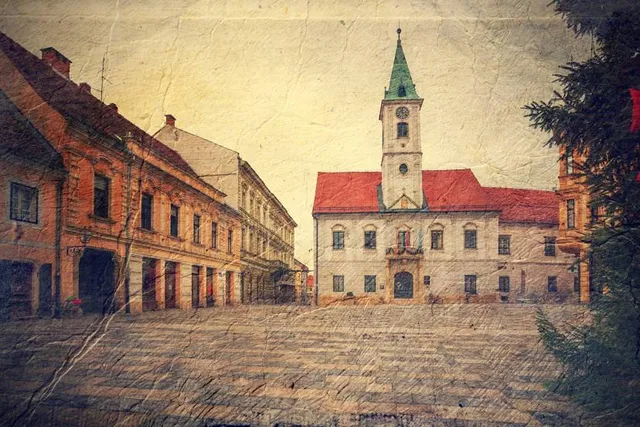
Old Town Varazdin is a true gem of historical heritage that immediately draws you into its unique atmosphere. From the moment you arrive, you are struck by the beautiful Baroque buildings and cobbled streets that speak of the town’s rich past. A stroll through Varazdin’s center is an experience in itself – every street and square exudes charm and cultural depth. You can admire the meticulously decorated facades of the buildings, visit local museums, or relax in one of the cozy cafes where you can enjoy not only high-quality coffee but also the magic of this historic setting. In addition to its architectural masterpieces, Old Town Varazdin offers a wealth of cultural events, markets, and exhibitions that give the town a vibrant and dynamic character. Anyone who longs for a blend of history and modern life will surely find a reason to return here.
See more posts
See more posts
hotel
Find your stay

Pet-friendly Hotels in Grad Varaždin

Find a cozy hotel nearby and make it a full experience.

In the Vindija cave near Varazdin, the best preserved remains of Neanderthals in the world, about 30,000 years old, were found. According to archaeological findings, the area of ​​the city was settled in the Roman era, as evidenced by the names of the two existing streets today - Via Militum and Via Petovia (today's Braće Radić and Optujska streets). The history of Varaždin is closely linked to the history of the medieval Varaždin County. There are assumptions that prior to the 12th century there was a tribal parish of Varaždin. According to the preserved sources, it can be clearly seen that the Varaždin and Zagorje counties existed in the developed and the late Middle Ages. About 1350, a reorganization of counties created a large county of Varaždin, which, among other things, included some neighboring counties. From the mid-14th century, the Varaždin County was divided into smaller counties that mostly coincided with the old counties. Varaždin was first mentioned in 1181. Croatian-Hungarian King Bela III. In 1194, his son Emerik (Mirko) entrusted Croatian territory to management, excluding his younger son Andri from the system of government. He ordered Andrius to go to the crusade and Emerika to become king. After that, Varaždin is developing as a typical medieval privileged city, and soon becomes the most popular city of today's area of ​​continental Croatia (the then Kingdom of Slavonia). Varaždin was not only the seat of the Varaždin County, but also often the place where the sessions were held. Varaždin quickly became a shopping center because it was at the crossroads of important medieval roads that connected Hungary with the Adriatic Sea, but also the Kingdom of Slavonia with the neighboring Vojvodina Styria. With the trade, the craft began to develop rapidly. Prosperity lasted until the Varaždin area and Varazdin itself did not jeopardize the Ottomans. It seems that one of the biggest breakthroughs of the Ottomans in the Varaždin area was in 1532. Sultan Suleiman I .. In the summer of 1532, the main Habsburg city of Vienna was occupied. On the way, Nikola Jurisic successfully opposed Kiseg. Sulejman I., after the failure of Kis, left the intention of conquering Vienna and returned to the Ottoman Empire. In order to protect the population from the Ottoman attacks, an excitation system was established that was established in 1603 according to the decisions of the Croatian Parliament. The arrival of the enemy had to be announced by firing guns, and each had to shoot with the weapon in his hand to the side where the shooting was. After the signing of the peace, the king rewarded Tom Erdödy for the merit of war and defense of the Croatian kingdom. In 1607, he gave him a Varaždin fortress, possessions around Varaždin, and appointed him as hereditary mayor of Varaždin. Varaždin was also the church seat, ie. the center of the Varazdin Archdiocese of the Zagreb Diocese. The oldest list of the parish of the Varaždin arhiđakonata in the early new century is from 1638. Varaždin City Municipality eventually acquired numerous properties and real estate, part of which was leased out. Often, residents of Varaždin Toplica were the tenants of some Varaždin real estate. Maria Theresa tried to strengthen absolute power and a unique state. Because of that she tended to narrow down the power of the Croatian and Hungarian nobility. In 1767 the Queen founded the first modern Croatian government, the Croatian Royal Council, whose center was in Varaždin, and after the great Varaždin fire in 1776 it was moved to Zagreb. From 1767 to 1776, Varaždin was the capital of Croatia, and there are numerous palaces and public buildings that are preserved to this day and give it a characteristic feature of the Baroque city. Varaždin entered the 20th century with a developed social and economic life. The stagnation of economic functions came after the First World War. After the Second World War there is a further process of modernization and accelerated industrialization, but also the establishment of the first higher education institutions.
TOMAS FURMAN

TOMAS FURMAN

hotel
Find your stay

Affordable Hotels in Grad Varaždin

Find a cozy hotel nearby and make it a full experience.

Get the Appoverlay
Get the AppOne tap to find yournext favorite spots!
Varaždin is my favorite town. Fell in love with it some 20 years ago when I first visited it. It's a pea eful, ordered little town with a captivating old Town and a small castle in the middle of it. Architecturally it's quite European. Romantic even. We visited it again this summer, during the Spancirfest event. It was such a pleasant thing to experience. Like a movie set for a timeless place with a sense of community, peace, respect for tradition yet free for self expression. The streets during this festival are dotted with store stands from local trades. We saw home made ham, pottery, lots and lots and lots of artwork, a couple was even selling Thai hats. There was a baker with a basket visiting these stands, selling pastry to the other sellers, and you could pick up from the non verbals that there's a dose of friendship and commeradery there. Something you simply don't get to see often. It was so idyllic that you'd want to record the whole thing and send it off to a movie festival. If you're close by, make sure to spend at least a day soaking up the event. If you're not near by, do yourself a favor: visit this little town during some of these festivals.
Igor Mateski

Igor Mateski

hotel
Find your stay

The Coolest Hotels You Haven't Heard Of (Yet)

Find a cozy hotel nearby and make it a full experience.

hotel
Find your stay

Trending Stays Worth the Hype in Grad Varaždin

Find a cozy hotel nearby and make it a full experience.

Old Town Varazdin is a true gem of historical heritage that immediately draws you into its unique atmosphere. From the moment you arrive, you are struck by the beautiful Baroque buildings and cobbled streets that speak of the town’s rich past. A stroll through Varazdin’s center is an experience in itself – every street and square exudes charm and cultural depth. You can admire the meticulously decorated facades of the buildings, visit local museums, or relax in one of the cozy cafes where you can enjoy not only high-quality coffee but also the magic of this historic setting. In addition to its architectural masterpieces, Old Town Varazdin offers a wealth of cultural events, markets, and exhibitions that give the town a vibrant and dynamic character. Anyone who longs for a blend of history and modern life will surely find a reason to return here.
Johny Wanderlust

Johny Wanderlust

See more posts
See more posts