Parque Arqueológico Rumipamba things to do, attractions, restaurants, events info and trip planning
Basic Info
Parque Arqueológico Rumipamba
Nuño de Valderrama s/n, Quito 170147, Ecuador
4.6(1.0K)
Closed
Save
spot
spot
Ratings & Description
Info
Cultural
Outdoor
Family friendly
attractions: Niño y la Mujer Park, restaurants: Chifa La Reina, Ala Juana Cocina Mexicana, La Casa de la Humita y el Tamal Lojano, Papa Rica, Panadería Ipanema, LA HUECA DEL MANABA, "La Veci", local businesses:
 Learn more insights from Wanderboat AI.
Phone
+593 2-224-2313
Open hoursSee all hours
Fri6 AM - 4 PMClosed
Plan your stay

Pet-friendly Hotels in Rumipamba
Find a cozy hotel nearby and make it a full experience.

Affordable Hotels in Rumipamba
Find a cozy hotel nearby and make it a full experience.

The Coolest Hotels You Haven't Heard Of (Yet)
Find a cozy hotel nearby and make it a full experience.

Trending Stays Worth the Hype in Rumipamba
Find a cozy hotel nearby and make it a full experience.
Reviews
Live events
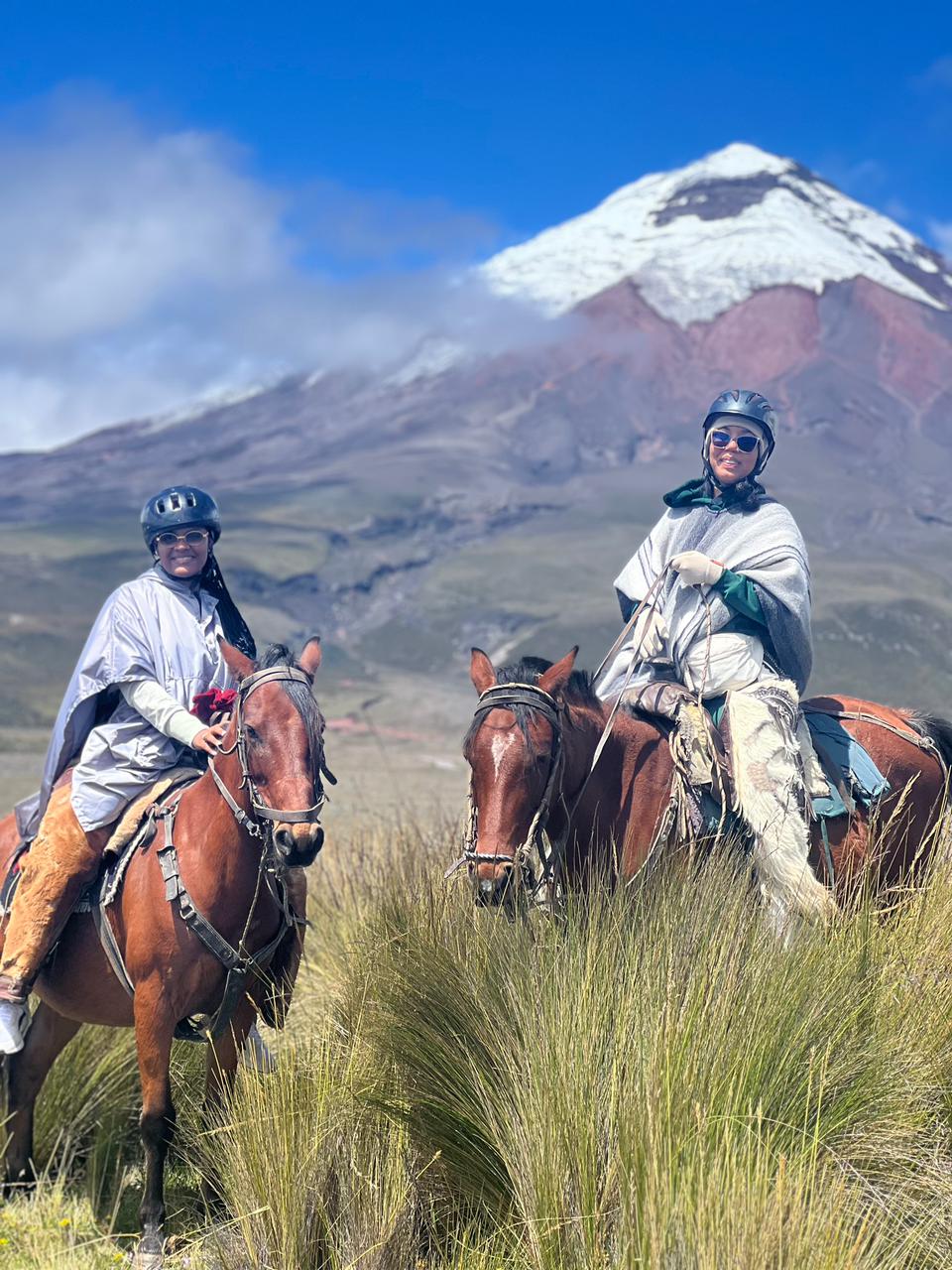
Cotopaxi on Horseback and Hike by No ToURISTY WaY
Fri, Feb 27 • 7:00 AM
Quito, Pichincha, 170517, Ecuador
View details
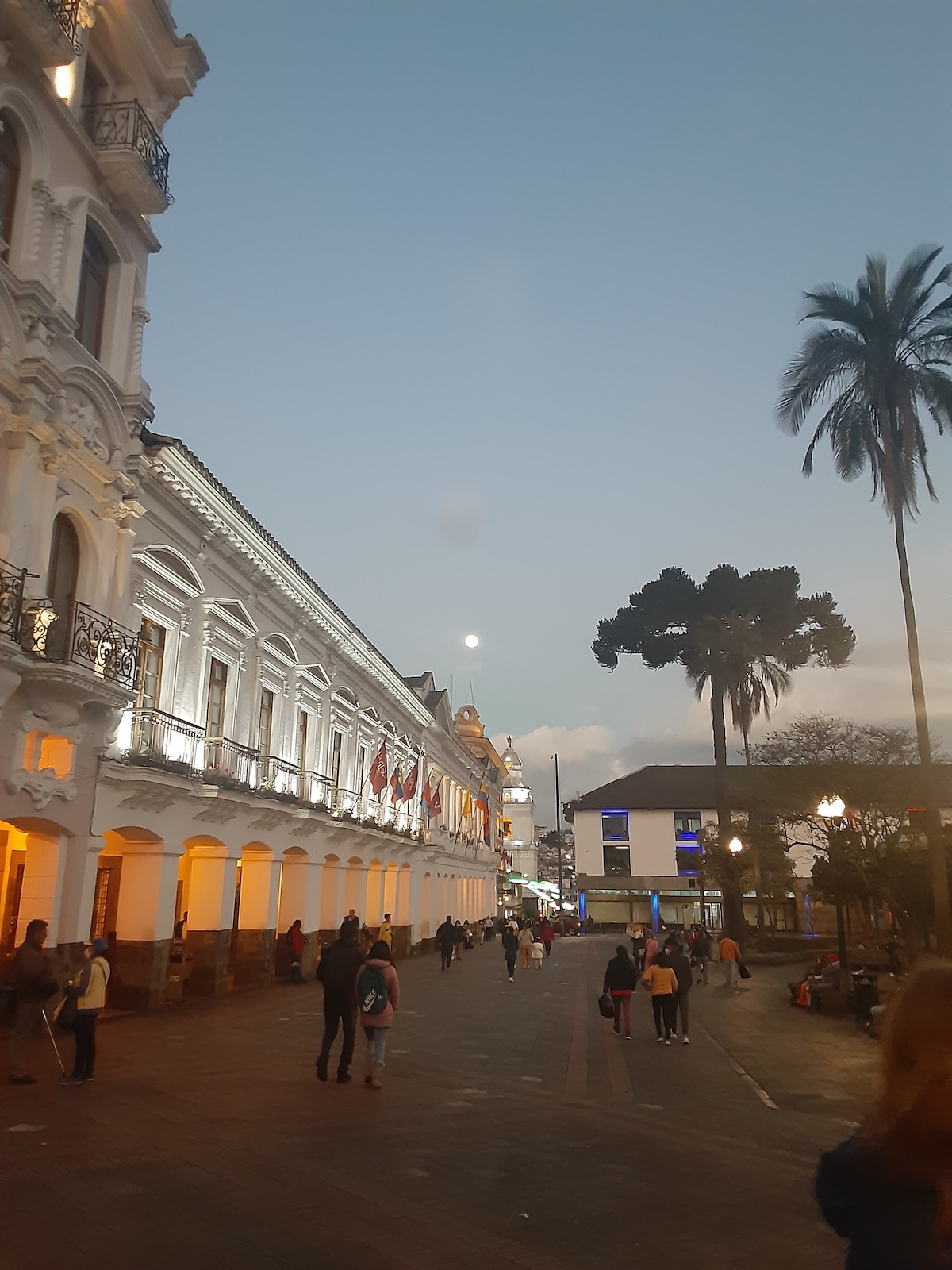
Explore Quito’s Old Town through food & history
Fri, Feb 27 • 10:00 AM
Quito, Pichincha, 170143, Ecuador
View details
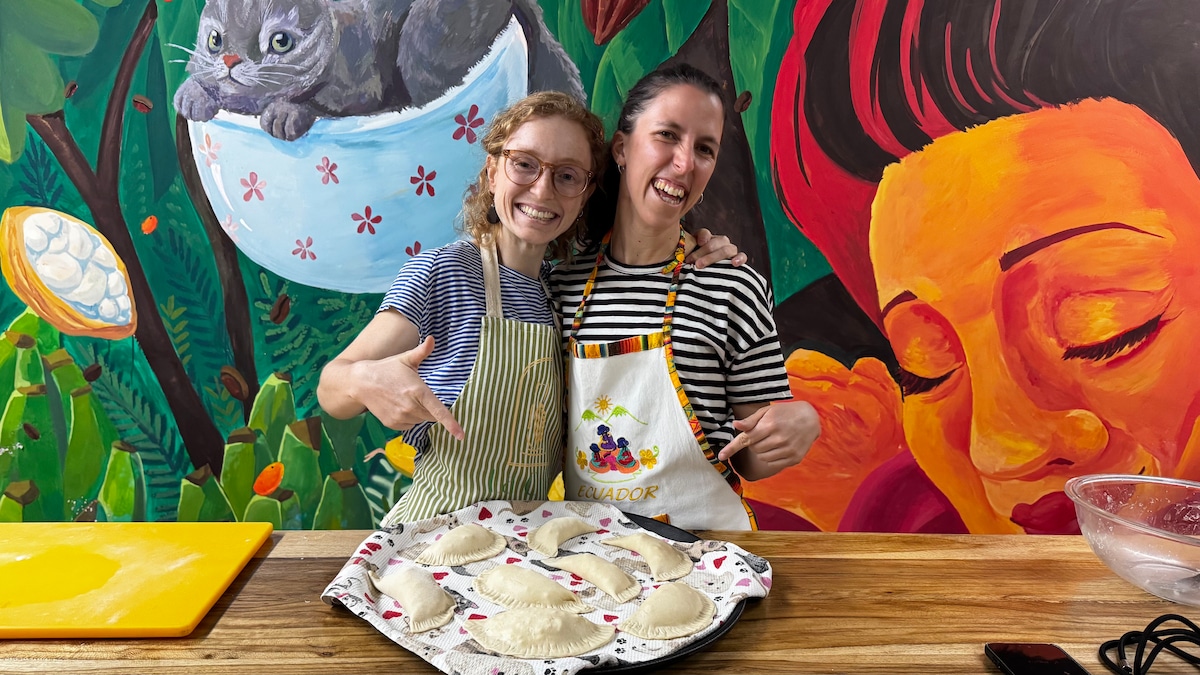
Cooking Class with a Professional Chef
Sat, Feb 28 • 3:30 PM
Quito, Pichincha, 170401, Ecuador
View details
Nearby attractions of Parque Arqueológico Rumipamba
Niño y la Mujer Park
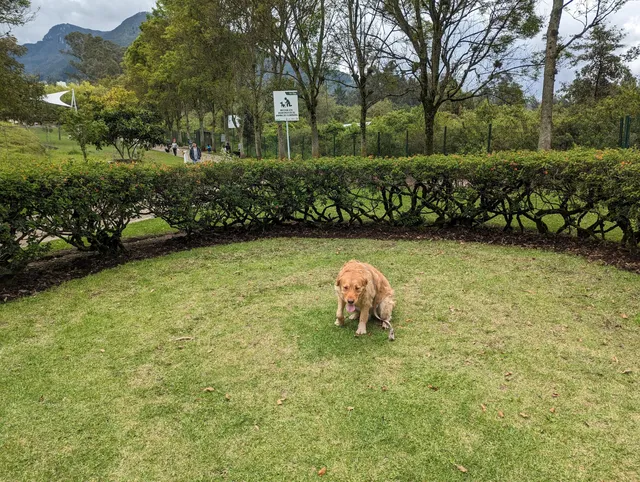
Niño y la Mujer Park
4.6
(339)
Closed
Click for details
Nearby restaurants of Parque Arqueológico Rumipamba
Chifa La Reina
Ala Juana Cocina Mexicana
La Casa de la Humita y el Tamal Lojano
Papa Rica
Panadería Ipanema
LA HUECA DEL MANABA
"La Veci"
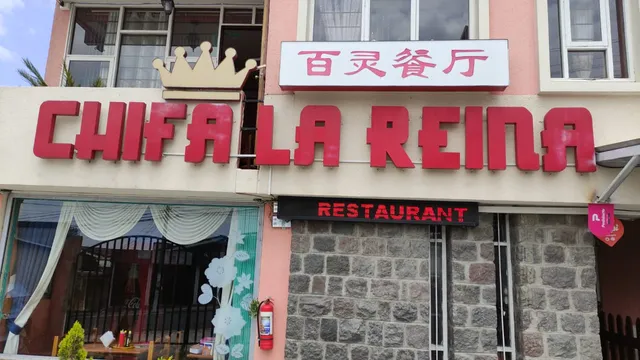
Chifa La Reina
4.3
(607)
$
Closed
Click for details
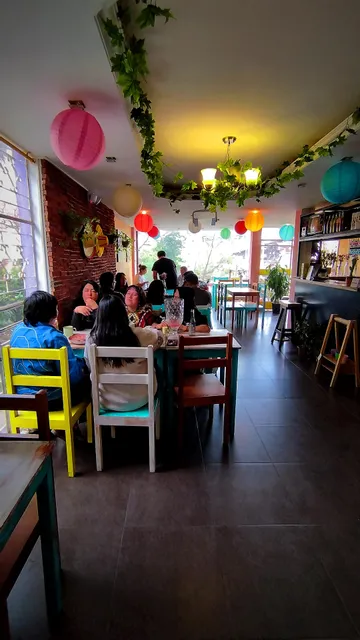
Ala Juana Cocina Mexicana
4.7
(211)
$
Closed
Click for details
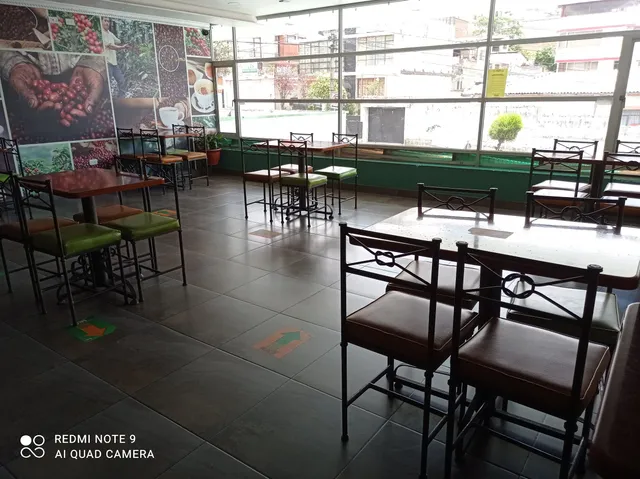
La Casa de la Humita y el Tamal Lojano
4.5
(3.2K)
$
Closed
Click for details

Papa Rica
4.8
(10)
Closed
Click for details