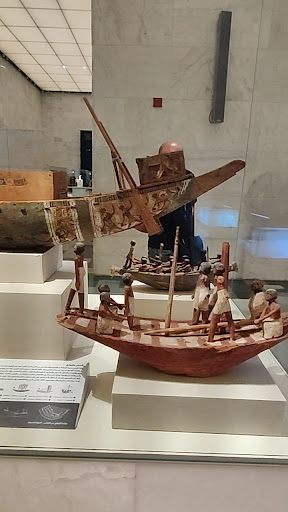
A Timeless Treasure Trove: The National Museum of Egyptian Civilization
I visited The National Museum of Egyptian Civilization, and I must say, it was an unforgettable experience that left me in awe. This magnificent museum is a testament to Egypt's rich cultural heritage, showcasing the country's fascinating history, art, and architecture in a breathtakingly beautiful way.
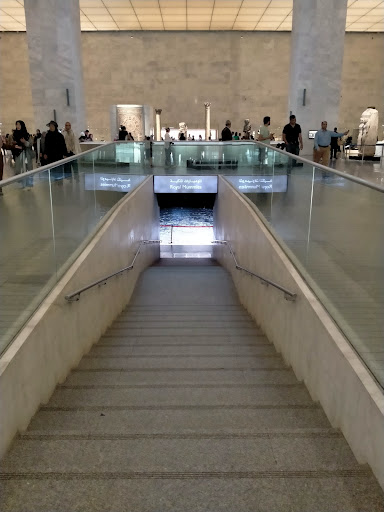
From the moment I stepped into the museum, I was struck by the stunning architecture and impeccable design. The building itself is a work of art, with sleek lines, soaring ceilings, and abundant natural light that perfectly complements the treasures on display.
The museum's collection is staggering, with over 50,000 artifacts that span 5,000 years of Egyptian history. From the earliest predynastic periods to the modern era, every aspect of Egyptian civilization is meticulously documented and showcased. I was particularly impressed by the stunning displays of mummies, sarcophagi, and other funerary artifacts, which offered a fascinating glimpse into ancient Egyptian beliefs and practices.
What truly sets this museum apart, however, is its innovative and interactive approach to storytelling. The exhibits are carefully curated to engage visitors of all ages, with interactive displays, immersive experiences, and informative signage that brings the history to life. The museum's use of technology, including virtual reality and 3D projections, is also noteworthy, adding a captivating dimension to the exhibits.
The staff were friendly, knowledgeable, and eager to share their expertise, making the experience even more enjoyable. The museum's amenities, including the gift shop and café, were also excellent.
In short, The National Museum of Egyptian Civilization is a must-visit destination for anyone interested in history, culture, or simply experiencing the magic of Egypt. It's a truly world-class museum that will leave you inspired, educated, and eager to return.
Tips for Visitors:
Plan ahead: The museum is vast, so plan to spend at least half a day exploring the exhibits. Guided tours: Take advantage of the guided tours or audio guides to get the most out of your visit. Dress comfortably: Wear comfortable shoes, as you'll be doing a lot of walking. Bring water and snacks: Stay hydrated and energized throughout your visit. Respect the artifacts: Remember to respect the artifacts and exhibits, and refrain from touching or handling them. Photography: Be mindful of photography restrictions, and always ask permission before taking pictures. Gift shop: Don't miss the museum's gift shop, which offers a wide range of unique and authentic Egyptian souvenirs. Café: Take a break and enjoy the museum's café, which serves a variety of delicious Egyptian cuisine. Accessibility: The museum is wheelchair accessible, with ramps and elevators connecting the different levels. Special exhibitions: Check the museum's website for special exhibitions and events, which may require separate tickets or reservations.
Insider Tip: Try to visit the museum during the week or early in the morning to avoid the crowds.
A truly...
Read moreMy visit to the National Museum in Egypt was a journey through time and a window into the rich history and culture of this ancient land. As a researcher at the National Research Centre in Egypt, my visit was not just a casual exploration but a significant step towards scientific cooperation and collaboration in the field of archaeology and cultural preservation.
Upon entering the grand halls of the museum, I was immediately struck by the vast array of artifacts on display, each holding a story waiting to be uncovered. The purpose of my visit extended beyond mere admiration; it was a mission to delve deep into the scientific aspects of these ancient treasures, working hand in hand with the museum's newly established laboratory research unit.
As I made my way through the meticulously curated exhibits, from the treasures of Tutankhamun to the everyday items of ancient Egyptians, my perspective was shaped by both admiration and scientific curiosity. The artifacts became more than just relics of the past; they were pieces of a puzzle waiting to be decoded through the lens of modern research and analysis.
The collaboration between the National Museum and the National Research Centre was evident in the innovative approaches and cutting-edge technology employed by the research unit. Together, we explored new methods of studying and preserving these invaluable artifacts, combining traditional archaeological expertise with scientific rigor to uncover hidden details and unlock the secrets of Egypt's ancient civilization.
One of the highlights of my visit was witnessing firsthand the dedication and passion of the researchers and conservators working tirelessly to ensure the longevity and integrity of the museum's collection. From advanced imaging techniques to chemical analysis, every tool and method used underscored a commitment to both preservation and exploration, bridging the gap between past and present.
As a researcher deeply immersed in the study of Egypt's history and cultural heritage, my time at the National Museum was not just informative but transformative. The collaborative spirit that permeated the air, the exchange of knowledge and expertise, and the shared goal of unraveling the mysteries of the past all fueled my enthusiasm and determination to contribute meaningfully to the ongoing dialogue between science and archaeology.
Leaving the National Museum in Egypt, I carried with me not only memories of the wonders I had witnessed but also a sense of purpose and a renewed dedication to advancing the frontiers of archaeological research. My visit had not only strengthened scientific cooperation between the National Research Centre and the museum but had also deepened my appreciation for the intricate tapestry of Egypt's...
Read moreThe National Museum of Egyptian Civilization (NMEC) offers an unforgettable journey into the heart of one of the world's oldest and most fascinating civilizations. Located in the historic city of Fustat, Cairo, the museum combines modern architectural sophistication with the grandeur of ancient Egyptian heritage. Among its many treasures, the "Royal Mummies Hall" stands out as the crown jewel, offering a rare opportunity to see the preserved remains of some of Egypt's greatest rulers, including the legendary "Pharaoh Ramses II".
Stepping into the "Royal Mummies Hall" is like entering a sacred time capsule. The subdued lighting, respectful silence, and carefully arranged displays create an almost mystical atmosphere. Ramses II, one of the most celebrated pharaohs in history, lies preserved in a climate-controlled glass case. Seeing his detailed features thousands of years after his reign is awe-inspiring and a testament to the advanced embalming techniques perfected by the ancient Egyptians. Alongside Ramses II are other iconic figures, such as "Queen Hatshepsut" and "King Seti I", each contributing to the narrative of Egypt's rich history. Informative plaques and multimedia displays add context, making the experience deeply educational and moving.
It is important to note that "photography is strictly prohibited in the Royal Mummies Hall". The museum takes this rule very seriously, and visitors are constantly monitored by surveillance cameras. If you attempt to take out your phone or camera, you can expect a swift and firm conversation with the security team. This strict policy ensures the preservation of these invaluable artifacts and maintains the solemn and respectful atmosphere of the hall.
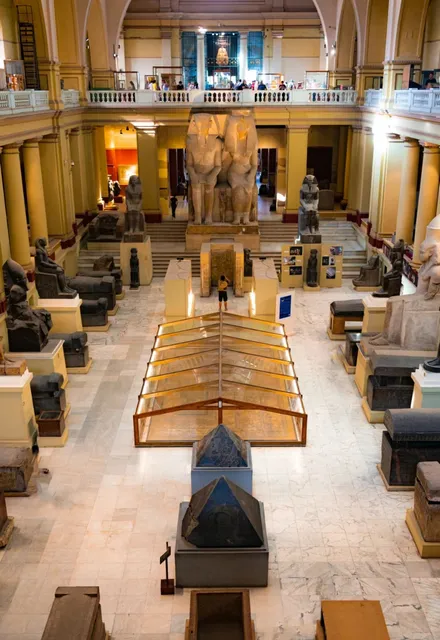
Beyond the mummies, the museum showcases a vast collection of artifacts spanning prehistoric times to the modern era. Intricately carved statues, vibrant jewelry, ancient tools, and papyri are displayed, each telling a part of the story of Egypt's incredible civilization.
A visit to the National Museum of Egyptian Civilisation is not just a cultural outing but a profound encounter with history. It leaves visitors in awe of the achievements of ancient Egypt and with a deeper appreciation of the enduring legacy of this extraordinary...
Read more