ocated in Giza governorate, with people always visiting the Giza Pyramids, yet most of them know nothing about this town. Memphis city is the centre of Badrasheen in Giza. Memphis was the capital of the first Old Kingdom in ancient Egypt, since the unification of the north and south by King Narmer, until the year 2,200 BC. Narmer was an ancient Egyptian king of the Early Dynastic period. He was considered the unifier of Egypt, and the founder of the First Dynasty, and in turn the first king of a unified Egypt.
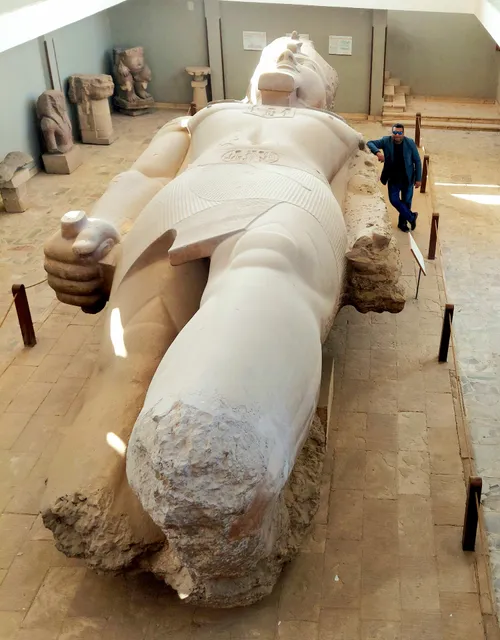
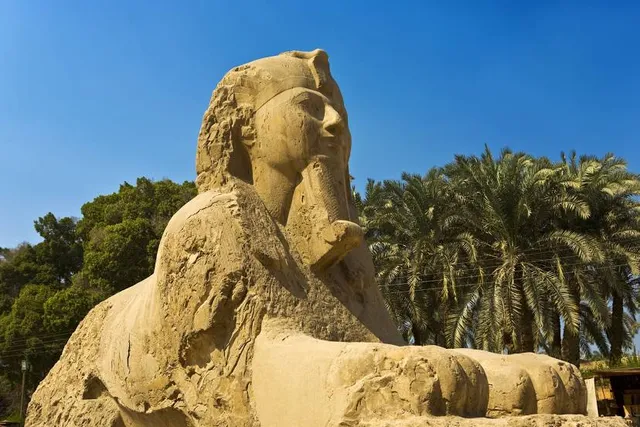
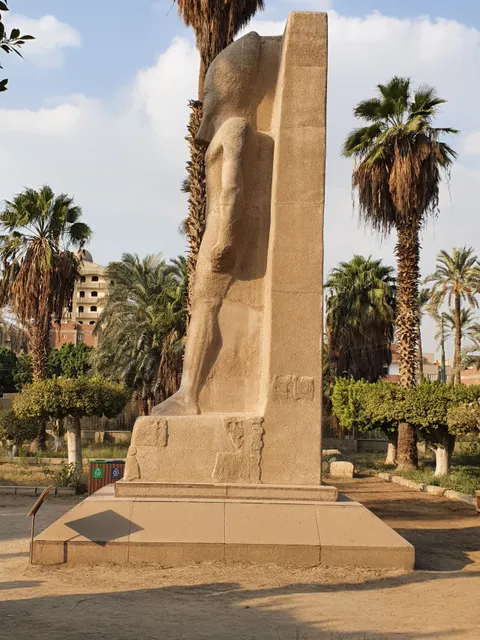
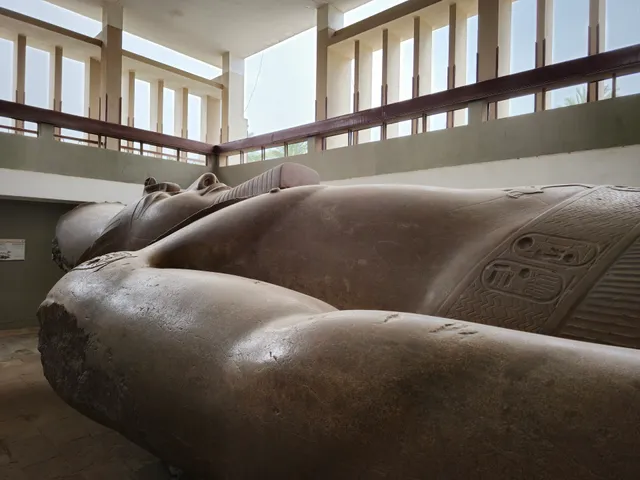
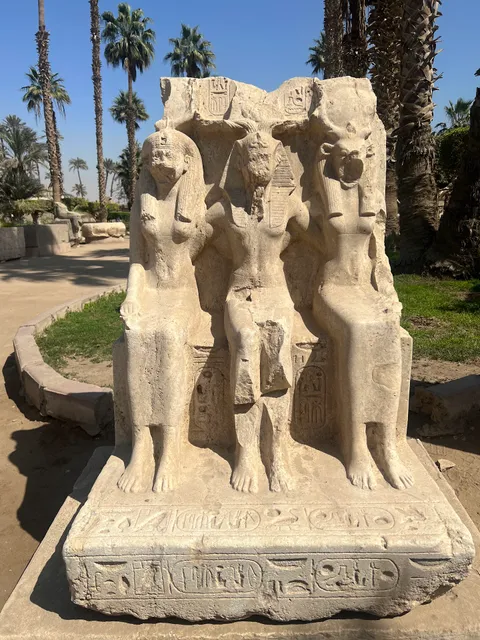
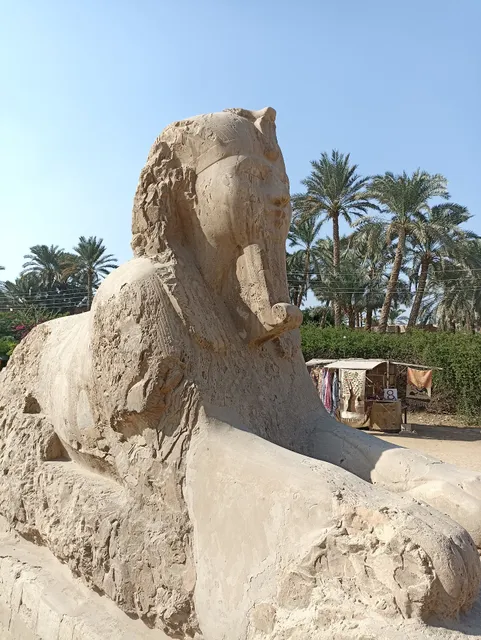
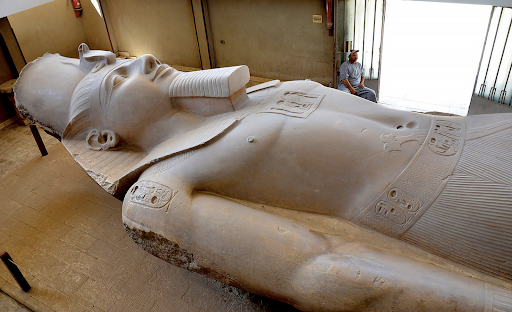
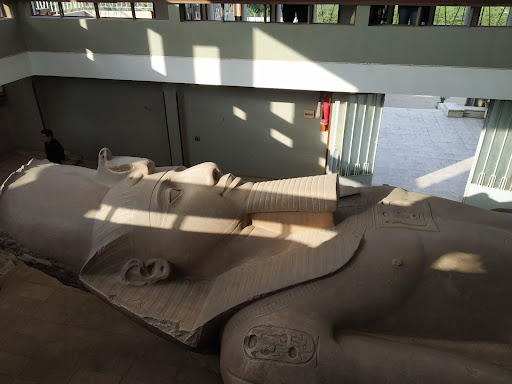
The museum consists of two parts, the indoors museum, and the outdoors museum. The indoors area contains that statue of Ramses II, and the ancient columns and statues of dwarfs. On the other hand, the outdoor area contains the Ramses Sphinx, and the Triad of Memphis statue. The Ramses Sphinx
This Sphinx was fashioned to imitate the original Sphinx at the Giza Pyramids. Yet, the head of this Sphinx represents the face of Ramses II, rather than King Khufu, with the lion’s body constant.
The statue of the Triad of Memphis The Triad of Memphis consists of Ptah, Sekhmet, and their son Nefertem. The three Gods’ centre of worship was in Memphis. In Egyptian mythology, Memphis was believed to be under the protection of the God Ptah.
Ptah is the God of craftsmen and architects. Sekhmet was Ptah’s wife and the mother of Nefertem, the Lotus God. Sekhmet, meaning strong, was always represented as a lady with the head of a lioness sitting on the throne adorned by the sign of unification of the north and south of Egypt, topped by the sun disk and the Cobra snake.
Ramses II statue
The statue of Ramses II was discovered in 1820 by the Explorer Giovanni Batista Cavellia, near Memphis in Egypt.
Ramses II was the third pharaoh of the 19th Egyptian dynasty. He is regarded as the greatest, most celebrated, and most powerful pharaoh of the New Kingdom, who ruled for the longest time any pharaoh did.
There are protective cartridges on the shoulders of the statue, with Ramses wearing a dagger, and two heads representing Horus. The statue’s hand is closed to represent intensity and strength, while the statue’s smiling face represents mercy and tolerance.
The ancient columns The museum also contains columns representing the late age of the ancient Egyptian civilisation, through displaying the...
Read moreThis museum is popularly known as the Memphis open air museum. We were very eager to visit this museum, as not much evidence of the ancient city of Memphis, is available today. We had heard about the huge statue of Ramses2 that was on display here, as well as the alabaster Sphinx. Suffice to say, we were not disappointed. The huge statue of Ramses2 is displayed, lying on his back and is remarkable. The skill of the craftsmen, who created such a masterpiece is creditable indeed. Such perfect symmetry! Carved out of a single block of limestone, the statue, even without part of it's legs, is 13 meters long. We were told that the twin of this statue has been placed near the new Grand Egyptian Museum that is set to open this year, (2020). The alabaster Sphinx is exhibited in the open air garden, outside the museum that houses Ramses2. There are also a number of stone statues and remnants of old stone beds scattered around the open air museum. Within the museum campus, lining the periphery, are a number of kiosks selling souvenirs, some pretty cheesy and found everywhere, but some are pretty unique pieces. Take a look, if you have some time. There are guides available at the gate near the ticket counters. Inside the campus, near the entrance there are paid washrooms and fresh drinking water. The road leading to the museum is bad, but parking...
Read more𝖤𝗀𝗒𝗉𝗍’𝗌 𝖠𝗇𝖼𝗂𝖾𝗇𝗍 𝖢𝖺𝗉𝗂𝗍𝖺𝗅 𝖺𝗇𝖽 𝖥𝗈𝗋𝗀𝗈𝗍𝗍𝖾𝗇 𝖦𝖾𝗆
𝗠𝗘𝗠𝗣𝗛𝗜𝗦 | 𝗘𝗚𝗬𝗣𝗧
𝖶𝗁𝗂𝗅𝖾 𝗍𝗁𝖾 𝗋𝗎𝗂𝗇𝗌 𝗆𝖺𝗒 𝗇𝗈𝗍 𝖻𝖾 𝖺𝗌 𝗀𝗋𝖺𝗇𝖽 𝖺𝗌 𝖫𝗎𝗑𝗈𝗋’𝗌 𝗍𝖾𝗆𝗉𝗅𝖾𝗌 𝗈𝗋 𝖺𝗌 𝗂𝗇𝗍𝖺𝖼𝗍 𝖺𝗌 𝖦𝗂𝗓𝖺’𝗌 𝗉𝗒𝗋𝖺𝗆𝗂𝖽𝗌, 𝖬𝖾𝗆𝗉𝗁𝗂𝗌 𝗈𝖿𝖿𝖾𝗋𝗌 𝖺 𝗋𝖺𝗐, 𝗎𝗇𝖿𝗂𝗅𝗍𝖾𝗋𝖾𝖽 𝗐𝗂𝗇𝖽𝗈𝗐 𝗂𝗇𝗍𝗈 𝖺𝗇𝖼𝗂𝖾𝗇𝗍 𝗅𝗂𝖿𝖾.
𝖳𝗁𝖾𝗋𝖾’𝗌 𝖺 𝗊𝗎𝗂𝖾𝗍 𝖼𝗁𝖺𝗋𝗆 𝗍𝗈 𝗍𝗁𝖾 𝗉𝗅𝖺𝖼𝖾 - 𝗇𝗈 𝗆𝖺𝗌𝗌𝗂𝗏𝖾 𝖼𝗋𝗈𝗐𝖽𝗌, 𝗇𝗈 𝗉𝗎𝗌𝗁𝗒 𝗏𝖾𝗇𝖽𝗈𝗋𝗌 - 𝗃𝗎𝗌𝗍 𝗍𝗁𝖾 𝗀𝖾𝗇𝗍𝗅𝖾 𝗁𝗎𝗆 𝗈𝖿 𝗁𝗂𝗌𝗍𝗈𝗋𝗒 𝖺𝗅𝗅 𝖺𝗋𝗈𝗎𝗇𝖽 𝗒𝗈𝗎.
𝗧𝗛𝗘 𝗢𝗣𝗘𝗡-𝗔𝗜𝗥 𝗠𝗨𝗦𝗘𝗨𝗠
𝖬𝗒 𝖿𝗂𝗋𝗌𝗍 𝗌𝗍𝗈𝗉 𝗐𝖺𝗌 𝗍𝗁𝖾 𝖬𝖾𝗆𝗉𝗁𝗂𝗌 𝖮𝗉𝖾𝗇-𝖠𝗂𝗋 𝖬𝗎𝗌𝖾𝗎𝗆, 𝖺 𝗌𝖾𝗋𝖾𝗇𝖾, 𝗅𝖾𝖺𝖿𝗒 𝖾𝗇𝖼𝗅𝗈𝗌𝗎𝗋𝖾 𝖿𝗂𝗅𝗅𝖾𝖽 𝗐𝗂𝗍𝗁 𝖺𝗇𝖼𝗂𝖾𝗇𝗍 𝗋𝖾𝗅𝗂𝖼𝗌. 𝖠𝗍 𝗂𝗍𝗌 𝗁𝖾𝖺𝗋𝗍 𝗅𝗂𝖾𝗌 𝗍𝗁𝖾 𝗆𝖺𝗌𝗌𝗂𝗏𝖾 𝗅𝗂𝗆𝖾𝗌𝗍𝗈𝗇𝖾 𝗌𝗍𝖺𝗍𝗎𝖾 𝗈𝖿 𝗥𝗮𝗺𝘀𝗲𝘀 𝗜𝗜, 𝗅𝗒𝗂𝗇𝗀 𝗈𝗇 𝗁𝗂𝗌 𝖻𝖺𝖼𝗄 𝖻𝗎𝗍 𝗌𝗍𝗂𝗅𝗅 𝖾𝗑𝗎𝖽𝗂𝗇𝗀 𝖺 𝗌𝖾𝗇𝗌𝖾 𝗈𝖿 𝗉𝗈𝗐𝖾𝗋 𝖺𝗇𝖽 𝗆𝖺𝗃𝖾𝗌𝗍𝗒. 𝖨𝗍’𝗌 𝖺𝗌𝗍𝗈𝗇𝗂𝗌𝗁𝗂𝗇𝗀 𝗍𝗈 𝗍𝗁𝗂𝗇𝗄 𝖺𝖻𝗈𝗎𝗍 𝗍𝗁𝖾 𝖼𝗋𝖺𝖿𝗍𝗌𝗆𝖺𝗇𝗌𝗁𝗂𝗉 𝗍𝗁𝖺𝗍 𝗐𝖾𝗇𝗍 𝗂𝗇𝗍𝗈 𝖼𝖺𝗋𝗏𝗂𝗇𝗀 𝗌𝗎𝖼𝗁 𝖺 𝗆𝗈𝗇𝗎𝗆𝖾𝗇𝗍𝖺𝗅 𝖿𝗂𝗀𝗎𝗋𝖾 𝗍𝗁𝗈𝗎𝗌𝖺𝗇𝖽𝗌 𝗈𝖿 𝗒𝖾𝖺𝗋𝗌 𝖺𝗀𝗈.
𝖭𝖾𝖺𝗋𝖻𝗒 𝗌𝗍𝖺𝗇𝖽𝗌 𝖺 𝖻𝖾𝖺𝗎𝗍𝗂𝖿𝗎𝗅𝗅𝗒 𝗉𝗋𝖾𝗌𝖾𝗋𝗏𝖾𝖽 𝖺𝗅𝖺𝖻𝖺𝗌𝗍𝖾𝗋 𝗌𝗉𝗁𝗂𝗇𝗑 - 𝗌𝗆𝖺𝗅𝗅𝖾𝗋 𝗍𝗁𝖺𝗇 𝗍𝗁𝖾 𝗈𝗇𝖾 𝗂𝗇 𝖦𝗂𝗓𝖺, 𝖻𝗎𝗍 𝗇𝗈 𝗅𝖾𝗌𝗌 𝖼𝖺𝗉𝗍𝗂𝗏𝖺𝗍𝗂𝗇𝗀. 𝖨𝗍’𝗌 𝖻𝖾𝗅𝗂𝖾𝗏𝖾𝖽 𝗍𝗈 𝗋𝖾𝗉𝗋𝖾𝗌𝖾𝗇𝗍 𝖰𝗎𝖾𝖾𝗇 𝖧𝖺𝗍𝗌𝗁𝖾𝗉𝗌𝗎𝗍 𝗈𝗋 𝗉𝖾𝗋𝗁𝖺𝗉𝗌 𝖠𝗆𝖾𝗇𝗁𝗈𝗍𝖾𝗉 𝖨𝖨. 𝖤𝗂𝗍𝗁𝖾𝗋 𝗐𝖺𝗒, 𝗂𝗍’𝗌 𝖺 𝗀𝗋𝖺𝖼𝖾𝖿𝗎𝗅 𝗋𝖾𝗆𝗂𝗇𝖽𝖾𝗋 𝗈𝖿 𝗍𝗁𝖾 𝖺𝗋𝗍𝗂𝗌𝗍𝗂𝖼 𝖿𝗂𝗇𝖾𝗌𝗌𝖾 𝗈𝖿 𝖺𝗇𝖼𝗂𝖾𝗇𝗍 𝖤𝗀𝗒𝗉𝗍𝗂𝖺𝗇 𝗌𝖼𝗎𝗅𝗉𝗍𝗈𝗋𝗌.
𝗙𝗜𝗡𝗔𝗟 𝗧𝗛𝗢𝗨𝗚𝗛𝗧𝗦
𝖬𝖾𝗆𝗉𝗁𝗂𝗌 𝗆𝖺𝗒 𝗇𝗈𝗍 𝖻𝖾 𝗍𝗁𝖾 𝗀𝗋𝖺𝗇𝖽𝖾𝗌𝗍 𝗌𝗂𝗍𝖾 𝗂𝗇 𝖤𝗀𝗒𝗉𝗍, 𝖻𝗎𝗍 𝗂𝗍’𝗌 𝗈𝗇𝖾 𝗈𝖿 𝗍𝗁𝖾 𝗆𝗈𝗌𝗍 𝗉𝗋𝗈𝖿𝗈𝗎𝗇𝖽.
𝖶𝗁𝖺𝗍 𝗆𝖺𝗄𝖾𝗌 𝖬𝖾𝗆𝗉𝗁𝗂𝗌 𝗌𝗉𝖾𝖼𝗂𝖺𝗅 𝗂𝗌 𝗂𝗍𝗌 𝗋𝗈𝗅𝖾 𝖺𝗌 𝖺 𝗌𝗍𝖺𝗋𝗍𝗂𝗇𝗀 𝗉𝗈𝗂𝗇𝗍. 𝖥𝗋𝗈𝗆 𝗁𝖾𝗋𝖾, 𝗂𝗍’𝗌 𝖾𝖺𝗌𝗒 𝗍𝗈 𝗏𝗂𝗌𝗂𝗍 𝖲𝖺𝗊𝗊𝖺𝗋𝖺’𝗌 𝖲𝗍𝖾𝗉 𝖯𝗒𝗋𝖺𝗆𝗂𝖽 𝗈𝗋 𝖾𝗏𝖾𝗇 𝗆𝖺𝗄𝖾 𝗒𝗈𝗎𝗋 𝗐𝖺𝗒 𝗇𝗈𝗋𝗍𝗁 𝗍𝗈 𝖦𝗂𝗓𝖺. 𝖡𝗎𝗍 𝗍𝖺𝗄𝗂𝗇𝗀 𝖺 𝗆𝗈𝗆𝖾𝗇𝗍 𝗍𝗈 𝗌𝗈𝖺𝗄 𝗂𝗇 𝖬𝖾𝗆𝗉𝗁𝗂𝗌 𝖺𝗅𝗅𝗈𝗐𝗌 𝗒𝗈𝗎 𝗍𝗈 𝖺𝗉𝗉𝗋𝖾𝖼𝗂𝖺𝗍𝖾 𝗍𝗁𝖾 𝗈𝗋𝗂𝗀𝗂𝗇𝗌 - 𝗍𝗁𝖾 𝖻𝗂𝗋𝗍𝗁𝗉𝗅𝖺𝖼𝖾 𝗈𝖿 𝖤𝗀𝗒𝗉𝗍’𝗌...
Read more