HTML SitemapExplore
logo
Find Things to DoFind The Best Restaurants

Serapeum of Saqqara — Attraction in Giza

Name
Serapeum of Saqqara
Description
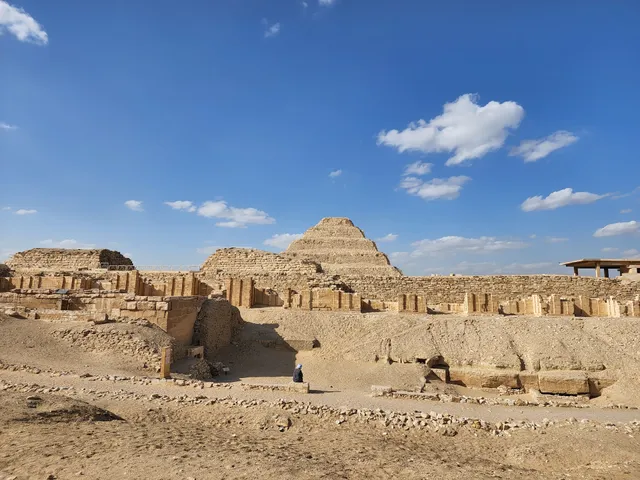
The Serapeum of Saqqara was the ancient Egyptian burial place for sacred bulls of the Apis cult at Memphis. It was believed that the bulls were incarnations of the god Ptah, which would become immortal after death as Osiris-Apis. a name which evolved to Serapis in the Hellenistic period, and Userhapi in Coptic.
Nearby attractions
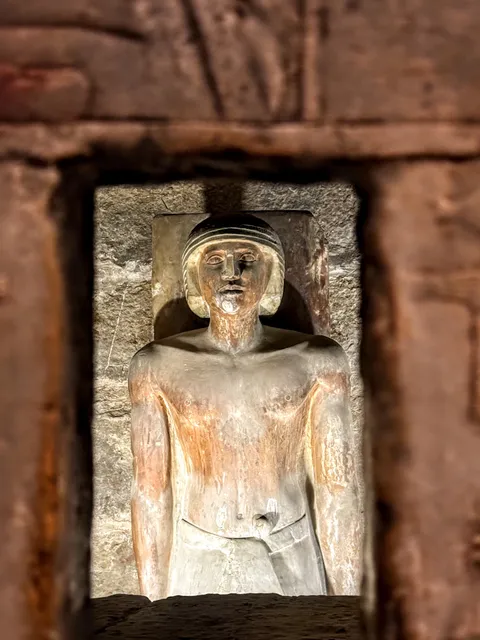
Mastaba of Ti
V6H6+3QJ, Badrshein, Giza Governorate 3352001, Egypt
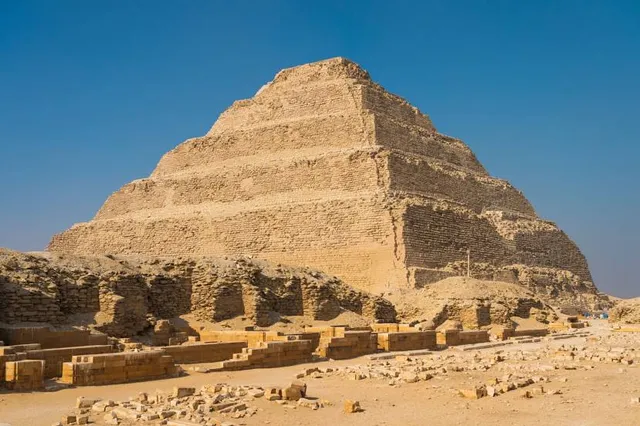
Pyramid of Djoser
V6C8+GP2, Badrshein, Giza Governorate 3352001, Egypt
Pyramid of Userkaf
V6F9+9G4, Saqarah, Badrshein, Giza Governorate 3352001, Egypt
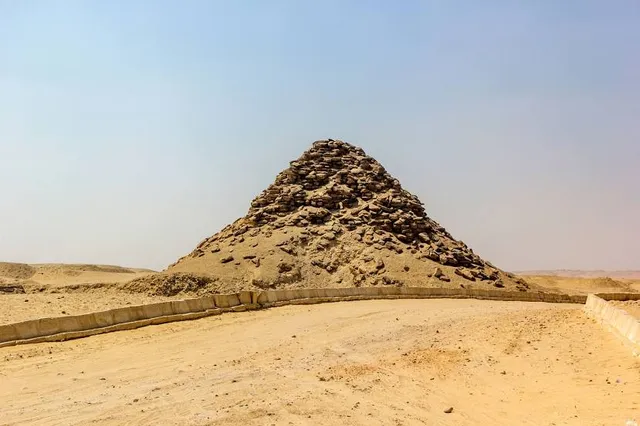
Pyramid of Unas
V697+7XR, Badrshein, Giza Governorate 3352001, Egypt
Cobra Wall
V698+MGG, Saqarah, Badrshein, Giza Governorate 3352001, Egypt
Nearby restaurants
Nearby hotels
Related posts
Keywords
Serapeum of Saqqara tourism.Serapeum of Saqqara hotels.Serapeum of Saqqara bed and breakfast. flights to Serapeum of Saqqara.Serapeum of Saqqara attractions.Serapeum of Saqqara restaurants.Serapeum of Saqqara travel.Serapeum of Saqqara travel guide.Serapeum of Saqqara travel blog.Serapeum of Saqqara pictures.Serapeum of Saqqara photos.Serapeum of Saqqara travel tips.Serapeum of Saqqara maps.Serapeum of Saqqara things to do.
Serapeum of Saqqara things to do, attractions, restaurants, events info and trip planning
Serapeum of Saqqara
EgyptGizaSerapeum of Saqqara

Basic Info

Serapeum of Saqqara

V6G6+C4C, Badrshein, Giza Governorate 3352001, Egypt
4.8(366)
Open 24 hours
Save
spot

Ratings & Description

Info

The Serapeum of Saqqara was the ancient Egyptian burial place for sacred bulls of the Apis cult at Memphis. It was believed that the bulls were incarnations of the god Ptah, which would become immortal after death as Osiris-Apis. a name which evolved to Serapis in the Hellenistic period, and Userhapi in Coptic.

Cultural
Family friendly
attractions: Mastaba of Ti, Pyramid of Djoser, Pyramid of Userkaf, Pyramid of Unas, Cobra Wall, restaurants:
logoLearn more insights from Wanderboat AI.
Website
egymonuments.gov.eg

Plan your stay

hotel
Pet-friendly Hotels in Giza
Find a cozy hotel nearby and make it a full experience.

hotel
Affordable Hotels in Giza
Find a cozy hotel nearby and make it a full experience.

hotel
The Coolest Hotels You Haven't Heard Of (Yet)
Find a cozy hotel nearby and make it a full experience.

hotel
Trending Stays Worth the Hype in Giza
Find a cozy hotel nearby and make it a full experience.

Reviews

Nearby attractions of Serapeum of Saqqara

Mastaba of Ti

Pyramid of Djoser

Pyramid of Userkaf

Pyramid of Unas

Cobra Wall

Mastaba of Ti

Mastaba of Ti

4.6

(12)

Open 24 hours
Click for details
Pyramid of Djoser

Pyramid of Djoser

4.7

(2.8K)

Open 24 hours
Click for details
Pyramid of Userkaf

Pyramid of Userkaf

4.5

(92)

Open 24 hours
Click for details
Pyramid of Unas

Pyramid of Unas

4.8

(56)

Open until 4:30 PM
Click for details

Things to do nearby

Private tour to Giza Pyramids, Sphinx, ATVs& Lunch
Fri, Dec 12 • 8:00 AM
Qasr Ad Dobarah, Cairo Governorate, 11512, Egypt
View details
Cairo cooking class with an Egyptian family
Fri, Dec 12 • 6:00 PM
Qasouret Ash Shawam, Cairo Governorate, 4341256, Egypt
View details
Meditation guided tour at Giza pyramids & lunch
Fri, Dec 12 • 7:00 AM
Nazlet Al Batran, Giza Governorate, 3531001, Egypt
View details
Get the Appoverlay
Get the AppOne tap to find yournext favorite spots!
Wanderboat LogoWanderboat

Your everyday Al companion for getaway ideas

CompanyAbout Us
InformationAI Trip PlannerSitemap
SocialXInstagramTiktokLinkedin
LegalTerms of ServicePrivacy Policy

Get the app

© 2025 Wanderboat. All rights reserved.
logo

Reviews of Serapeum of Saqqara

4.8
(366)
avatar
5.0
2y

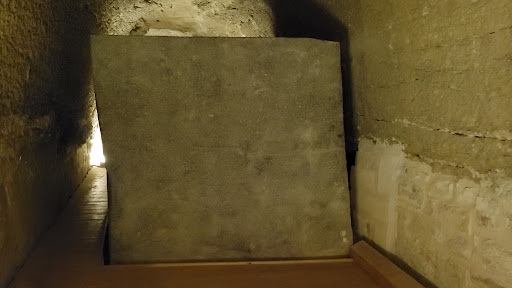
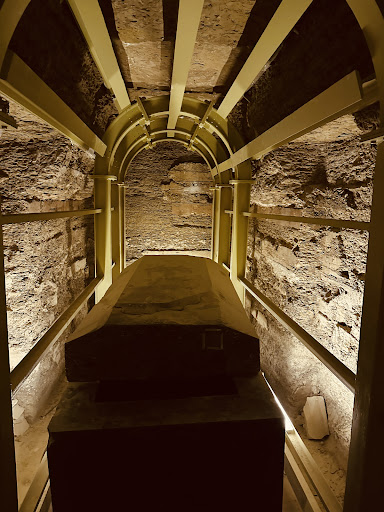
The Serapeum is an underground labyrinth that to this day defies explanation. There are 24 giant granite boxes that no one knows how they made them, muchless brought them into these narrow isles they rest in. The stone work precision and smooth surface finish is incredible, with the top surfaces flat to within 0.001 of an inch (that's about a hair split 4 times). You can see yourself in the reflection they are so well polished. The square inside corners and flatness should be considered a wonder of the world because the technology to do this is not understood and would be difficult even with today's technology to say the least. These boxes are made of granite which is incredibly hard and MUCH harder than sandstone which most of the pyramids are built with (there is some incredible granite inside the pyramids which would require its own post that also defy explanation). The granite was brought to this location from hundreds of miles away. I had to see these with my own eyes and they weigh 100's of tons. They are believed to be sarcophaguses for important egyptians or bulls but nothing was found in them. A Few of them have hieroglyphics scratched into them but many (including me) believe they were added later as they are chicken scratch compared to the absolute precision of the boxes. Whoever built the boxes would have wanted to kill the people that scratched them with such crude work if you look at them closely.

There are no temples or anything around them, personally I believe this was a chemical processing plant and this was a factory of some sort. They look more like something that would contain a chemical process with hermetically sealed covers heavy enough to contain pressure. Difficult to see from the pictures but there are steps on the lids that prevent them from sliding sideways so you have to lift them straight up before removing them. One of the idiot early archaeologists actually blew one up with dynamite when he found them because he couldn't open them (you can see in one of the pics). You can see a lot of damage on the edges, I'm sure from greedy raiders trying to find treasure.

There is a huge unfinished box & cover that they left in position and you can see in the pictures. This probably means they were finished in the chamber or in final position which is mind boggling. How could they do this without machines? Just...

   Read more
avatar
4.0
34w

𝖴𝗇𝗏𝖾𝗂𝗅𝗂𝗇𝗀 𝖠𝗇𝖼𝗂𝖾𝗇𝗍 𝖬𝗒𝗌𝗍𝖾𝗋𝗂𝖾𝗌

𝗦𝗘𝗥𝗔𝗣𝗘𝗨𝗠 𝗢𝗙 𝗦𝗔𝗤𝗤𝗔𝗥𝗔 | 𝗚𝗜𝗭𝗔 | 𝗘𝗚𝗬𝗣𝗧

𝖨𝖿 𝗒𝗈𝗎’𝗋𝖾 𝖽𝗋𝖺𝗐𝗇 𝗍𝗈 𝗉𝗅𝖺𝖼𝖾𝗌 𝗐𝗁𝖾𝗋𝖾 𝖺𝗇𝖼𝗂𝖾𝗇𝗍 𝗁𝗂𝗌𝗍𝗈𝗋𝗒 𝗐𝗁𝗂𝗌𝗉𝖾𝗋𝗌 𝗍𝗁𝗋𝗈𝗎𝗀𝗁 𝗍𝗁𝖾 𝗌𝗍𝗈𝗇𝖾𝗌, 𝗍𝗁𝖾 𝖲𝖾𝗋𝖺𝗉𝖾𝗎𝗆 𝗈𝖿 𝖲𝖺𝗊𝗊𝖺𝗋𝖺 𝗂𝗇 𝖤𝗀𝗒𝗉𝗍 𝗌𝗁𝗈𝗎𝗅𝖽 𝖻𝖾 𝗁𝗂𝗀𝗁 𝗈𝗇 𝗒𝗈𝗎𝗋 𝗅𝗂𝗌𝗍.

𝖳𝗎𝖼𝗄𝖾𝖽 𝗐𝗂𝗍𝗁𝗂𝗇 𝗍𝗁𝖾 𝗏𝖺𝗌𝗍 𝗇𝖾𝖼𝗋𝗈𝗉𝗈𝗅𝗂𝗌 𝗈𝖿 𝖲𝖺𝗊𝗊𝖺𝗋𝖺, 𝗍𝗁𝗂𝗌 𝗎𝗇𝖽𝖾𝗋𝗀𝗋𝗈𝗎𝗇𝖽 𝗐𝗈𝗇𝖽𝖾𝗋 𝗂𝗌𝗇’𝗍 𝖺𝗌 𝗐𝗂𝖽𝖾𝗅𝗒 𝗏𝗂𝗌𝗂𝗍𝖾𝖽 𝖺𝗌 𝗍𝗁𝖾 𝖯𝗒𝗋𝖺𝗆𝗂𝖽𝗌 𝗈𝖿 𝖦𝗂𝗓𝖺, 𝖻𝗎𝗍 𝗂𝗍 𝗈𝖿𝖿𝖾𝗋𝗌 𝖺𝗇 𝖾𝗑𝗉𝖾𝗋𝗂𝖾𝗇𝖼𝖾 𝗍𝗁𝖺𝗍 𝗂𝗌 𝖾𝗊𝗎𝖺𝗅𝗅𝗒, 𝗂𝖿 𝗇𝗈𝗍 𝗆𝗈𝗋𝖾, 𝗆𝗒𝗌𝗍𝗂𝖿𝗒𝗂𝗇𝗀.

𝗔 𝗛𝗜𝗗𝗗𝗘𝗡 𝗪𝗢𝗥𝗟𝗗 𝗕𝗘𝗡𝗘𝗔𝗧𝗛 𝗧𝗛𝗘 𝗦𝗔𝗡𝗗

𝖳𝗁𝖾 𝖲𝖾𝗋𝖺𝗉𝖾𝗎𝗆 𝗂𝗌 𝖺 𝗏𝖺𝗌𝗍 𝗌𝗎𝖻𝗍𝖾𝗋𝗋𝖺𝗇𝖾𝖺𝗇 𝗀𝖺𝗅𝗅𝖾𝗋𝗒 𝗈𝗇𝖼𝖾 𝗎𝗌𝖾𝖽 𝗍𝗈 𝗁𝗈𝗎𝗌𝖾 𝗍𝗁𝖾 𝗌𝖺𝖼𝗋𝖾𝖽 𝖠𝗉𝗂𝗌 𝖻𝗎𝗅𝗅𝗌 - 𝖺𝗇𝗂𝗆𝖺𝗅𝗌 𝗐𝗈𝗋𝗌𝗁𝗂𝗉𝗉𝖾𝖽 𝖺𝗌 𝖾𝖺𝗋𝗍𝗁𝗅𝗒 𝗆𝖺𝗇𝗂𝖿𝖾𝗌𝗍𝖺𝗍𝗂𝗈𝗇𝗌 𝗈𝖿 𝗍𝗁𝖾 𝗀𝗈𝖽 𝖯𝗍𝖺𝗁. 𝖳𝗁𝖾𝗌𝖾 𝖻𝗎𝗅𝗅𝗌 𝗐𝖾𝗋𝖾 𝗆𝗎𝗆𝗆𝗂𝖿𝗂𝖾𝖽 𝖺𝗇𝖽 𝖻𝗎𝗋𝗂𝖾𝖽 𝗐𝗂𝗍𝗁 𝗀𝗋𝖾𝖺𝗍 𝗁𝗈𝗇𝗈𝗋.

𝖳𝗁𝖾 𝗍𝗈𝗆𝖻𝗌 𝖽𝖺𝗍𝖾 𝖻𝖺𝖼𝗄 𝗍𝗈 𝖺𝗌 𝖾𝖺𝗋𝗅𝗒 𝖺𝗌 𝗍𝗁𝖾 𝟣𝟪𝗍𝗁 𝖣𝗒𝗇𝖺𝗌𝗍𝗒, 𝖻𝗎𝗍 𝗍𝗁𝖾 𝗀𝖺𝗅𝗅𝖾𝗋𝗂𝖾𝗌 𝖺𝗌 𝗐𝖾 𝗌𝖾𝖾 𝗍𝗁𝖾𝗆 𝗍𝗈𝖽𝖺𝗒 𝗐𝖾𝗋𝖾 𝗆𝗈𝗌𝗍 𝖺𝖼𝗍𝗂𝗏𝖾𝗅𝗒 𝗎𝗌𝖾𝖽 𝖽𝗎𝗋𝗂𝗇𝗀 𝗍𝗁𝖾 𝖫𝖺𝗍𝖾 𝖯𝖾𝗋𝗂𝗈𝖽 𝗈𝖿 𝖠𝗇𝖼𝗂𝖾𝗇𝗍 𝖤𝗀𝗒𝗉𝗍.

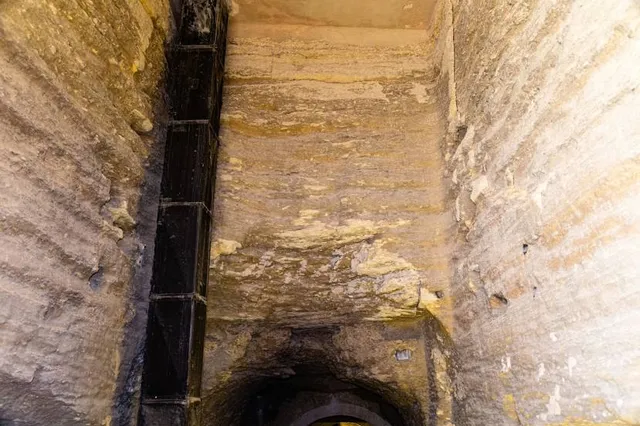
𝖣𝖾𝗌𝖼𝖾𝗇𝖽𝗂𝗇𝗀 𝗂𝗇𝗍𝗈 𝗍𝗁𝖾 𝖲𝖾𝗋𝖺𝗉𝖾𝗎𝗆 𝖿𝖾𝖾𝗅𝗌 𝗅𝗂𝗄𝖾 𝗌𝗍𝖾𝗉𝗉𝗂𝗇𝗀 𝗂𝗇𝗍𝗈 𝖺𝗇𝗈𝗍𝗁𝖾𝗋 𝗐𝗈𝗋𝗅𝖽. 𝖳𝗁𝖾 𝗍𝗎𝗇𝗇𝖾𝗅𝗌 𝖺𝗋𝖾 𝖽𝗂𝗆𝗅𝗒 𝗅𝗂𝗍, 𝖼𝗈𝗈𝗅, 𝖺𝗇𝖽 𝖾𝖾𝗋𝗂𝗅𝗒 𝗌𝗂𝗅𝖾𝗇𝗍, 𝗐𝗂𝗍𝗁 𝗆𝖺𝗌𝗌𝗂𝗏𝖾 𝗀𝗋𝖺𝗇𝗂𝗍𝖾 𝗌𝖺𝗋𝖼𝗈𝗉𝗁𝖺𝗀𝗂 𝗅𝗂𝗇𝗂𝗇𝗀 𝗍𝗁𝖾 𝖼𝗁𝖺𝗆𝖻𝖾𝗋𝗌.

𝖤𝖺𝖼𝗁 𝗌𝖺𝗋𝖼𝗈𝗉𝗁𝖺𝗀𝗎𝗌 𝗂𝗌 𝖾𝗇𝗈𝗋𝗆𝗈𝗎𝗌, 𝗌𝗈𝗆𝖾 𝗐𝖾𝗂𝗀𝗁𝗂𝗇𝗀 𝗎𝗉 𝗍𝗈 𝟩𝟢 𝗍𝗈𝗇𝗌 𝖺𝗇𝖽 𝗍𝗁𝖾 𝖼𝗋𝖺𝖿𝗍𝗌𝗆𝖺𝗇𝗌𝗁𝗂𝗉 𝗂𝗌 𝖺𝗌𝗍𝗈𝗇𝗂𝗌𝗁𝗂𝗇𝗀. 𝖳𝗁𝖾 𝗌𝗁𝖾𝖾𝗋 𝗌𝖼𝖺𝗅𝖾 𝗆𝖺𝗄𝖾𝗌 𝗒𝗈𝗎 𝗐𝗈𝗇𝖽𝖾𝗋 𝗁𝗈𝗐 𝖺𝗇𝖼𝗂𝖾𝗇𝗍 𝖤𝗀𝗒𝗉𝗍𝗂𝖺𝗇𝗌 𝗆𝗈𝗏𝖾𝖽 𝖺𝗇𝖽 𝗉𝗅𝖺𝖼𝖾𝖽 𝗍𝗁𝖾𝗌𝖾 𝗆𝗈𝗇𝗈𝗅𝗂𝗍𝗁𝗌 𝗐𝗂𝗍𝗁 𝗌𝗎𝖼𝗁 𝗉𝗋𝖾𝖼𝗂𝗌𝗂𝗈𝗇.

𝗚𝗘𝗧𝗧𝗜𝗡𝗚 𝗧𝗛𝗘𝗥𝗘

𝖳𝗁𝖾 𝖲𝖾𝗋𝖺𝗉𝖾𝗎𝗆 𝗂𝗌 𝖺 𝗉𝖺𝗋𝗍 𝗈𝖿 𝖲𝖺𝗊𝗊𝖺𝗋𝖺 𝖭𝖾𝖼𝗋𝗈𝗉𝗈𝗅𝗂𝗌. 𝖨 𝗋𝖾𝖼𝗈𝗆𝗆𝖾𝗇𝖽 𝗁𝗂𝗋𝗂𝗇𝗀 𝖺 𝗀𝗎𝗂𝖽𝖾 𝗈𝗋 𝗃𝗈𝗂𝗇𝗂𝗇𝗀 𝖺 𝗌𝗆𝖺𝗅𝗅 𝗍𝗈𝗎𝗋 𝗀𝗋𝗈𝗎𝗉, 𝗇𝗈𝗍 𝗈𝗇𝗅𝗒 𝖿𝗈𝗋 𝖾𝖺𝗌𝖾 𝗈𝖿 𝗍𝗋𝖺𝗇𝗌𝗉𝗈𝗋𝗍 𝖻𝗎𝗍 𝗍𝗈 𝗀𝖺𝗂𝗇 𝖺 𝖽𝖾𝖾𝗉𝖾𝗋 𝗎𝗇𝖽𝖾𝗋𝗌𝗍𝖺𝗇𝖽𝗂𝗇𝗀 𝗈𝖿 𝗍𝗁𝖾 𝗌𝗂𝗍𝖾’𝗌 𝗌𝗂𝗀𝗇𝗂𝖿𝗂𝖼𝖺𝗇𝖼𝖾.

𝖬𝗈𝗌𝗍 𝗏𝗂𝗌𝗂𝗍𝗈𝗋𝗌 𝖼𝗈𝗆𝖻𝗂𝗇𝖾 𝗍𝗁𝖾 𝖲𝖾𝗋𝖺𝗉𝖾𝗎𝗆 𝗐𝗂𝗍𝗁 𝖺 𝗏𝗂𝗌𝗂𝗍 𝗍𝗈 𝗍𝗁𝖾 𝖲𝗍𝖾𝗉 𝗣𝘆𝗿𝗮𝗺𝗶𝗱 𝗼𝗳 𝗗𝗷𝗼𝘀𝗲𝗿, 𝗍𝗁𝖾 𝗈𝗅𝖽𝖾𝗌𝗍 𝗉𝗒𝗋𝖺𝗆𝗂𝖽 𝗂𝗇 𝖤𝗀𝗒𝗉𝗍.

𝗧𝗜𝗖𝗞𝗘𝗧𝗦 & 𝗔𝗖𝗖𝗘𝗦𝗦

𝗦𝗮𝗾𝗾𝗮𝗿𝗮 𝗔𝗿𝗲𝗮 : 𝖠𝖽𝗎𝗅𝗍 : 𝖤𝖦𝖯 𝟨𝟢𝟢 / 𝖲𝗍𝗎𝖽𝖾𝗇𝗍 : 𝖤𝖦𝖯 𝟥𝟢𝟢

𝗦𝗲𝗿𝗮𝗽𝗲𝘂𝗺 : 𝖠𝖽𝗎𝗅𝗍: 𝖤𝖦𝖯 𝟣𝟪𝟢 / 𝖲𝗍𝗎𝖽𝖾𝗇𝗍: 𝖤𝖦𝖯 𝟫𝟢

𝗣𝘆𝗿𝗮𝗺𝗶𝗱 𝗼𝗳 𝗗𝗷𝗼𝘀𝗲𝗿 : 𝖠𝖽𝗎𝗅𝗍 : 𝖤𝖦𝖯 𝟤𝟪𝟢 / 𝖲𝗍𝗎𝖽𝖾𝗇𝗍 : 𝖤𝖦𝖯 𝟣𝟦𝟢

𝗙𝗜𝗡𝗔𝗟 𝗧𝗛𝗢𝗨𝗚𝗛𝗧𝗦

𝖶𝗁𝖺𝗍 𝗌𝗍𝗋𝗎𝖼𝗄 𝗆𝖾 𝗆𝗈𝗌𝗍 𝖺𝖻𝗈𝗎𝗍 𝗍𝗁𝖾 𝖲𝖾𝗋𝖺𝗉𝖾𝗎𝗆 𝗐𝖺𝗌𝗇’𝗍 𝗃𝗎𝗌𝗍 𝗂𝗍𝗌 𝗌𝖼𝖺𝗅𝖾 𝗈𝗋 𝗁𝗂𝗌𝗍𝗈𝗋𝗂𝖼𝖺𝗅 𝗐𝖾𝗂𝗀𝗁𝗍 - 𝗂𝗍 𝗐𝖺𝗌 𝗍𝗁𝖾 𝗆𝗒𝗌𝗍𝖾𝗋𝗒. 𝖶𝗁𝗒 𝗐𝖾𝗋𝖾 𝗍𝗁𝖾 𝗌𝖺𝗋𝖼𝗈𝗉𝗁𝖺𝗀𝗂 𝗌𝗈 𝗅𝖺𝗋𝗀𝖾? 𝖧𝗈𝗐 𝗐𝖾𝗋𝖾 𝗍𝗁𝖾𝗒 𝗆𝗈𝗏𝖾𝖽? 𝖠𝗇𝖽 𝗐𝗁𝗒 𝖽𝗈 𝗌𝗈𝗆𝖾 𝗌𝗁𝗈𝗐 𝗌𝗂𝗀𝗇𝗌 𝗈𝖿 𝖻𝖾𝗂𝗇𝗀 𝗌𝖾𝖺𝗅𝖾𝖽… 𝗒𝖾𝗍 𝖼𝗈𝗇𝗍𝖺𝗂𝗇 𝗇𝗈𝗍𝗁𝗂𝗇𝗀?

𝖳𝗁𝖾 𝖲𝖾𝗋𝖺𝗉𝖾𝗎𝗆 𝖽𝗈𝖾𝗌𝗇’𝗍 𝗀𝗂𝗏𝖾 𝖺𝗐𝖺𝗒 𝗂𝗍𝗌 𝗌𝖾𝖼𝗋𝖾𝗍𝗌 𝖾𝖺𝗌𝗂𝗅𝗒 - 𝖻𝗎𝗍 𝗍𝗁𝖺𝗍’𝗌 𝗐𝗁𝖺𝗍 𝗆𝖺𝗄𝖾𝗌 𝗂𝗍 𝗌𝗈...

   Read more
avatar
4.0
47w

If you’re heading to this historic gem, here’s the scoop: buy the inclusive ticket. Without it, you’ll miss the Serapium, tombs, and a lot of the fun. By default, they’ll hand you a standard ticket, which is basically a “look-but-don’t-touch” pass.

Local transport or taxis might be suggested with dramatic warnings about long distances, but it’s all a 10-minute walk. Save your legs and your wallet.

Once inside, be ready for the classic “friendly helper” routine. At the Serapium, someone will accompany you as your guide. This isn’t protocol; it’s an attempt to score a tip. You’ll get a few tidbits about the stones used and some photo help, but don’t expect a masterclass in archaeology. After 5 minutes, it’s finger-rubbing time for tips—and no matter what you give, it’ll never be “enough.”

The plot thickens when they offer to take you to a “secret tomb”, which is not secret and is on your ticket of course. Inside, they might double down with requests for more tips, a mysterious “ticket fee,” and even loop in a local officer for extra drama.

It’s all part of the experience, albeit with a sprinkle of opportunism. Keep your wits (and humor) about you, stand your ground, and enjoy the history without letting the antics get to you.

Pro Tip: Smile, stay firm, and don’t let the hustle overshadow the magic of the place. Good luck...

   Read more
Page 1 of 7
Previous
Next

Posts

Ralph StanRalph Stan
The Serapeum is an underground labyrinth that to this day defies explanation. There are 24 giant granite boxes that no one knows how they made them, muchless brought them into these narrow isles they rest in. The stone work precision and smooth surface finish is incredible, with the top surfaces flat to within 0.001 of an inch (that's about a hair split 4 times). You can see yourself in the reflection they are so well polished. The square inside corners and flatness should be considered a wonder of the world because the technology to do this is not understood and would be difficult even with today's technology to say the least. These boxes are made of granite which is incredibly hard and MUCH harder than sandstone which most of the pyramids are built with (there is some incredible granite inside the pyramids which would require its own post that also defy explanation). The granite was brought to this location from hundreds of miles away. I had to see these with my own eyes and they weigh 100's of tons. They are believed to be sarcophaguses for important egyptians or bulls but nothing was found in them. A Few of them have hieroglyphics scratched into them but many (including me) believe they were added later as they are chicken scratch compared to the absolute precision of the boxes. Whoever built the boxes would have wanted to kill the people that scratched them with such crude work if you look at them closely. There are no temples or anything around them, personally I believe this was a chemical processing plant and this was a factory of some sort. They look more like something that would contain a chemical process with hermetically sealed covers heavy enough to contain pressure. Difficult to see from the pictures but there are steps on the lids that prevent them from sliding sideways so you have to lift them straight up before removing them. One of the idiot early archaeologists actually blew one up with dynamite when he found them because he couldn't open them (you can see in one of the pics). You can see a lot of damage on the edges, I'm sure from greedy raiders trying to find treasure. There is a huge unfinished box & cover that they left in position and you can see in the pictures. This probably means they were finished in the chamber or in final position which is mind boggling. How could they do this without machines? Just crazy! Absolutely incredible!
Nirmal KumarNirmal Kumar
𝖴𝗇𝗏𝖾𝗂𝗅𝗂𝗇𝗀 𝖠𝗇𝖼𝗂𝖾𝗇𝗍 𝖬𝗒𝗌𝗍𝖾𝗋𝗂𝖾𝗌 𝗦𝗘𝗥𝗔𝗣𝗘𝗨𝗠 𝗢𝗙 𝗦𝗔𝗤𝗤𝗔𝗥𝗔 | 𝗚𝗜𝗭𝗔 | 𝗘𝗚𝗬𝗣𝗧 𝖨𝖿 𝗒𝗈𝗎’𝗋𝖾 𝖽𝗋𝖺𝗐𝗇 𝗍𝗈 𝗉𝗅𝖺𝖼𝖾𝗌 𝗐𝗁𝖾𝗋𝖾 𝖺𝗇𝖼𝗂𝖾𝗇𝗍 𝗁𝗂𝗌𝗍𝗈𝗋𝗒 𝗐𝗁𝗂𝗌𝗉𝖾𝗋𝗌 𝗍𝗁𝗋𝗈𝗎𝗀𝗁 𝗍𝗁𝖾 𝗌𝗍𝗈𝗇𝖾𝗌, 𝗍𝗁𝖾 𝖲𝖾𝗋𝖺𝗉𝖾𝗎𝗆 𝗈𝖿 𝖲𝖺𝗊𝗊𝖺𝗋𝖺 𝗂𝗇 𝖤𝗀𝗒𝗉𝗍 𝗌𝗁𝗈𝗎𝗅𝖽 𝖻𝖾 𝗁𝗂𝗀𝗁 𝗈𝗇 𝗒𝗈𝗎𝗋 𝗅𝗂𝗌𝗍. 𝖳𝗎𝖼𝗄𝖾𝖽 𝗐𝗂𝗍𝗁𝗂𝗇 𝗍𝗁𝖾 𝗏𝖺𝗌𝗍 𝗇𝖾𝖼𝗋𝗈𝗉𝗈𝗅𝗂𝗌 𝗈𝖿 𝖲𝖺𝗊𝗊𝖺𝗋𝖺, 𝗍𝗁𝗂𝗌 𝗎𝗇𝖽𝖾𝗋𝗀𝗋𝗈𝗎𝗇𝖽 𝗐𝗈𝗇𝖽𝖾𝗋 𝗂𝗌𝗇’𝗍 𝖺𝗌 𝗐𝗂𝖽𝖾𝗅𝗒 𝗏𝗂𝗌𝗂𝗍𝖾𝖽 𝖺𝗌 𝗍𝗁𝖾 𝖯𝗒𝗋𝖺𝗆𝗂𝖽𝗌 𝗈𝖿 𝖦𝗂𝗓𝖺, 𝖻𝗎𝗍 𝗂𝗍 𝗈𝖿𝖿𝖾𝗋𝗌 𝖺𝗇 𝖾𝗑𝗉𝖾𝗋𝗂𝖾𝗇𝖼𝖾 𝗍𝗁𝖺𝗍 𝗂𝗌 𝖾𝗊𝗎𝖺𝗅𝗅𝗒, 𝗂𝖿 𝗇𝗈𝗍 𝗆𝗈𝗋𝖾, 𝗆𝗒𝗌𝗍𝗂𝖿𝗒𝗂𝗇𝗀. 𝗔 𝗛𝗜𝗗𝗗𝗘𝗡 𝗪𝗢𝗥𝗟𝗗 𝗕𝗘𝗡𝗘𝗔𝗧𝗛 𝗧𝗛𝗘 𝗦𝗔𝗡𝗗 𝖳𝗁𝖾 𝖲𝖾𝗋𝖺𝗉𝖾𝗎𝗆 𝗂𝗌 𝖺 𝗏𝖺𝗌𝗍 𝗌𝗎𝖻𝗍𝖾𝗋𝗋𝖺𝗇𝖾𝖺𝗇 𝗀𝖺𝗅𝗅𝖾𝗋𝗒 𝗈𝗇𝖼𝖾 𝗎𝗌𝖾𝖽 𝗍𝗈 𝗁𝗈𝗎𝗌𝖾 𝗍𝗁𝖾 𝗌𝖺𝖼𝗋𝖾𝖽 𝖠𝗉𝗂𝗌 𝖻𝗎𝗅𝗅𝗌 - 𝖺𝗇𝗂𝗆𝖺𝗅𝗌 𝗐𝗈𝗋𝗌𝗁𝗂𝗉𝗉𝖾𝖽 𝖺𝗌 𝖾𝖺𝗋𝗍𝗁𝗅𝗒 𝗆𝖺𝗇𝗂𝖿𝖾𝗌𝗍𝖺𝗍𝗂𝗈𝗇𝗌 𝗈𝖿 𝗍𝗁𝖾 𝗀𝗈𝖽 𝖯𝗍𝖺𝗁. 𝖳𝗁𝖾𝗌𝖾 𝖻𝗎𝗅𝗅𝗌 𝗐𝖾𝗋𝖾 𝗆𝗎𝗆𝗆𝗂𝖿𝗂𝖾𝖽 𝖺𝗇𝖽 𝖻𝗎𝗋𝗂𝖾𝖽 𝗐𝗂𝗍𝗁 𝗀𝗋𝖾𝖺𝗍 𝗁𝗈𝗇𝗈𝗋. 𝖳𝗁𝖾 𝗍𝗈𝗆𝖻𝗌 𝖽𝖺𝗍𝖾 𝖻𝖺𝖼𝗄 𝗍𝗈 𝖺𝗌 𝖾𝖺𝗋𝗅𝗒 𝖺𝗌 𝗍𝗁𝖾 𝟣𝟪𝗍𝗁 𝖣𝗒𝗇𝖺𝗌𝗍𝗒, 𝖻𝗎𝗍 𝗍𝗁𝖾 𝗀𝖺𝗅𝗅𝖾𝗋𝗂𝖾𝗌 𝖺𝗌 𝗐𝖾 𝗌𝖾𝖾 𝗍𝗁𝖾𝗆 𝗍𝗈𝖽𝖺𝗒 𝗐𝖾𝗋𝖾 𝗆𝗈𝗌𝗍 𝖺𝖼𝗍𝗂𝗏𝖾𝗅𝗒 𝗎𝗌𝖾𝖽 𝖽𝗎𝗋𝗂𝗇𝗀 𝗍𝗁𝖾 𝖫𝖺𝗍𝖾 𝖯𝖾𝗋𝗂𝗈𝖽 𝗈𝖿 𝖠𝗇𝖼𝗂𝖾𝗇𝗍 𝖤𝗀𝗒𝗉𝗍. 𝖣𝖾𝗌𝖼𝖾𝗇𝖽𝗂𝗇𝗀 𝗂𝗇𝗍𝗈 𝗍𝗁𝖾 𝖲𝖾𝗋𝖺𝗉𝖾𝗎𝗆 𝖿𝖾𝖾𝗅𝗌 𝗅𝗂𝗄𝖾 𝗌𝗍𝖾𝗉𝗉𝗂𝗇𝗀 𝗂𝗇𝗍𝗈 𝖺𝗇𝗈𝗍𝗁𝖾𝗋 𝗐𝗈𝗋𝗅𝖽. 𝖳𝗁𝖾 𝗍𝗎𝗇𝗇𝖾𝗅𝗌 𝖺𝗋𝖾 𝖽𝗂𝗆𝗅𝗒 𝗅𝗂𝗍, 𝖼𝗈𝗈𝗅, 𝖺𝗇𝖽 𝖾𝖾𝗋𝗂𝗅𝗒 𝗌𝗂𝗅𝖾𝗇𝗍, 𝗐𝗂𝗍𝗁 𝗆𝖺𝗌𝗌𝗂𝗏𝖾 𝗀𝗋𝖺𝗇𝗂𝗍𝖾 𝗌𝖺𝗋𝖼𝗈𝗉𝗁𝖺𝗀𝗂 𝗅𝗂𝗇𝗂𝗇𝗀 𝗍𝗁𝖾 𝖼𝗁𝖺𝗆𝖻𝖾𝗋𝗌. 𝖤𝖺𝖼𝗁 𝗌𝖺𝗋𝖼𝗈𝗉𝗁𝖺𝗀𝗎𝗌 𝗂𝗌 𝖾𝗇𝗈𝗋𝗆𝗈𝗎𝗌, 𝗌𝗈𝗆𝖾 𝗐𝖾𝗂𝗀𝗁𝗂𝗇𝗀 𝗎𝗉 𝗍𝗈 𝟩𝟢 𝗍𝗈𝗇𝗌 𝖺𝗇𝖽 𝗍𝗁𝖾 𝖼𝗋𝖺𝖿𝗍𝗌𝗆𝖺𝗇𝗌𝗁𝗂𝗉 𝗂𝗌 𝖺𝗌𝗍𝗈𝗇𝗂𝗌𝗁𝗂𝗇𝗀. 𝖳𝗁𝖾 𝗌𝗁𝖾𝖾𝗋 𝗌𝖼𝖺𝗅𝖾 𝗆𝖺𝗄𝖾𝗌 𝗒𝗈𝗎 𝗐𝗈𝗇𝖽𝖾𝗋 𝗁𝗈𝗐 𝖺𝗇𝖼𝗂𝖾𝗇𝗍 𝖤𝗀𝗒𝗉𝗍𝗂𝖺𝗇𝗌 𝗆𝗈𝗏𝖾𝖽 𝖺𝗇𝖽 𝗉𝗅𝖺𝖼𝖾𝖽 𝗍𝗁𝖾𝗌𝖾 𝗆𝗈𝗇𝗈𝗅𝗂𝗍𝗁𝗌 𝗐𝗂𝗍𝗁 𝗌𝗎𝖼𝗁 𝗉𝗋𝖾𝖼𝗂𝗌𝗂𝗈𝗇. 𝗚𝗘𝗧𝗧𝗜𝗡𝗚 𝗧𝗛𝗘𝗥𝗘 𝖳𝗁𝖾 𝖲𝖾𝗋𝖺𝗉𝖾𝗎𝗆 𝗂𝗌 𝖺 𝗉𝖺𝗋𝗍 𝗈𝖿 𝖲𝖺𝗊𝗊𝖺𝗋𝖺 𝖭𝖾𝖼𝗋𝗈𝗉𝗈𝗅𝗂𝗌. 𝖨 𝗋𝖾𝖼𝗈𝗆𝗆𝖾𝗇𝖽 𝗁𝗂𝗋𝗂𝗇𝗀 𝖺 𝗀𝗎𝗂𝖽𝖾 𝗈𝗋 𝗃𝗈𝗂𝗇𝗂𝗇𝗀 𝖺 𝗌𝗆𝖺𝗅𝗅 𝗍𝗈𝗎𝗋 𝗀𝗋𝗈𝗎𝗉, 𝗇𝗈𝗍 𝗈𝗇𝗅𝗒 𝖿𝗈𝗋 𝖾𝖺𝗌𝖾 𝗈𝖿 𝗍𝗋𝖺𝗇𝗌𝗉𝗈𝗋𝗍 𝖻𝗎𝗍 𝗍𝗈 𝗀𝖺𝗂𝗇 𝖺 𝖽𝖾𝖾𝗉𝖾𝗋 𝗎𝗇𝖽𝖾𝗋𝗌𝗍𝖺𝗇𝖽𝗂𝗇𝗀 𝗈𝖿 𝗍𝗁𝖾 𝗌𝗂𝗍𝖾’𝗌 𝗌𝗂𝗀𝗇𝗂𝖿𝗂𝖼𝖺𝗇𝖼𝖾. 𝖬𝗈𝗌𝗍 𝗏𝗂𝗌𝗂𝗍𝗈𝗋𝗌 𝖼𝗈𝗆𝖻𝗂𝗇𝖾 𝗍𝗁𝖾 𝖲𝖾𝗋𝖺𝗉𝖾𝗎𝗆 𝗐𝗂𝗍𝗁 𝖺 𝗏𝗂𝗌𝗂𝗍 𝗍𝗈 𝗍𝗁𝖾 𝖲𝗍𝖾𝗉 𝗣𝘆𝗿𝗮𝗺𝗶𝗱 𝗼𝗳 𝗗𝗷𝗼𝘀𝗲𝗿, 𝗍𝗁𝖾 𝗈𝗅𝖽𝖾𝗌𝗍 𝗉𝗒𝗋𝖺𝗆𝗂𝖽 𝗂𝗇 𝖤𝗀𝗒𝗉𝗍. 𝗧𝗜𝗖𝗞𝗘𝗧𝗦 & 𝗔𝗖𝗖𝗘𝗦𝗦 𝗦𝗮𝗾𝗾𝗮𝗿𝗮 𝗔𝗿𝗲𝗮 : 𝖠𝖽𝗎𝗅𝗍 : 𝖤𝖦𝖯 𝟨𝟢𝟢 / 𝖲𝗍𝗎𝖽𝖾𝗇𝗍 : 𝖤𝖦𝖯 𝟥𝟢𝟢 𝗦𝗲𝗿𝗮𝗽𝗲𝘂𝗺 : 𝖠𝖽𝗎𝗅𝗍: 𝖤𝖦𝖯 𝟣𝟪𝟢 / 𝖲𝗍𝗎𝖽𝖾𝗇𝗍: 𝖤𝖦𝖯 𝟫𝟢 𝗣𝘆𝗿𝗮𝗺𝗶𝗱 𝗼𝗳 𝗗𝗷𝗼𝘀𝗲𝗿 : 𝖠𝖽𝗎𝗅𝗍 : 𝖤𝖦𝖯 𝟤𝟪𝟢 / 𝖲𝗍𝗎𝖽𝖾𝗇𝗍 : 𝖤𝖦𝖯 𝟣𝟦𝟢 𝗙𝗜𝗡𝗔𝗟 𝗧𝗛𝗢𝗨𝗚𝗛𝗧𝗦 𝖶𝗁𝖺𝗍 𝗌𝗍𝗋𝗎𝖼𝗄 𝗆𝖾 𝗆𝗈𝗌𝗍 𝖺𝖻𝗈𝗎𝗍 𝗍𝗁𝖾 𝖲𝖾𝗋𝖺𝗉𝖾𝗎𝗆 𝗐𝖺𝗌𝗇’𝗍 𝗃𝗎𝗌𝗍 𝗂𝗍𝗌 𝗌𝖼𝖺𝗅𝖾 𝗈𝗋 𝗁𝗂𝗌𝗍𝗈𝗋𝗂𝖼𝖺𝗅 𝗐𝖾𝗂𝗀𝗁𝗍 - 𝗂𝗍 𝗐𝖺𝗌 𝗍𝗁𝖾 𝗆𝗒𝗌𝗍𝖾𝗋𝗒. 𝖶𝗁𝗒 𝗐𝖾𝗋𝖾 𝗍𝗁𝖾 𝗌𝖺𝗋𝖼𝗈𝗉𝗁𝖺𝗀𝗂 𝗌𝗈 𝗅𝖺𝗋𝗀𝖾? 𝖧𝗈𝗐 𝗐𝖾𝗋𝖾 𝗍𝗁𝖾𝗒 𝗆𝗈𝗏𝖾𝖽? 𝖠𝗇𝖽 𝗐𝗁𝗒 𝖽𝗈 𝗌𝗈𝗆𝖾 𝗌𝗁𝗈𝗐 𝗌𝗂𝗀𝗇𝗌 𝗈𝖿 𝖻𝖾𝗂𝗇𝗀 𝗌𝖾𝖺𝗅𝖾𝖽… 𝗒𝖾𝗍 𝖼𝗈𝗇𝗍𝖺𝗂𝗇 𝗇𝗈𝗍𝗁𝗂𝗇𝗀? 𝖳𝗁𝖾 𝖲𝖾𝗋𝖺𝗉𝖾𝗎𝗆 𝖽𝗈𝖾𝗌𝗇’𝗍 𝗀𝗂𝗏𝖾 𝖺𝗐𝖺𝗒 𝗂𝗍𝗌 𝗌𝖾𝖼𝗋𝖾𝗍𝗌 𝖾𝖺𝗌𝗂𝗅𝗒 - 𝖻𝗎𝗍 𝗍𝗁𝖺𝗍’𝗌 𝗐𝗁𝖺𝗍 𝗆𝖺𝗄𝖾𝗌 𝗂𝗍 𝗌𝗈 𝖿𝖺𝗌𝖼𝗂𝗇𝖺𝗍𝗂𝗇𝗀.
Ahmed Ezzat EllibedyAhmed Ezzat Ellibedy
هي مقبرة مصرية قديمة مكرسة للثور المقدس أبيس. تقع سراديب الموتى في أبيس تحت معبد أبيس. وبالتالي فإن العنصر الرئيسي لهذا الحرم اليوم هو تحت الأرض ويتكون من معرضين يصفهما علماء المصريات، لتمييزهما، بأنهما "صغيران" و"كبيران". شيدت "الممرات الصغيرة تحت الأرض" في عهد الملك رمسيس الثاني واستخدمت حتى بداية الأسرة السادسة والعشرون. ولقد اتبعت تطورًا بين الشمال والجنوب وتحتوي على سبع عشرة غرفة منحوتة في الصخر. افتتحت "الممرات الكبرى تحت الأرض" في عهد إبسماتيك الأول واستخدمت حتى نهاية العصور القديمة، على طول محور شرقي غربي وسع عدة مرات. وتحتوي على أكثر من ثلاثين غرفة، بعضها ضخم، مترابط بواسطة ممرات وممرات. لا يزال عدد كبير من هذه الأقبية الأربعة والعشرين يحتوي على توابيت ضخمة من الجرانيت الداكن. وهكذا، يعود تاريخه إلى رمسيس الثاني، كان لكل ثور أبيس قبو مخصص له في هذا القبر الجماعي الكبير والذي تم سور مدخله بمجرد وضع المومياء فيه. التابوت الحجري. على هذا الجدار لصقت لوحات إهداء تشير في أغلب الأحيان إلى فترة ولادة الثور، وسنة تنصيبه في معبد بتاح، بالإضافة إلى عمرها كتاريخ لدفنه، مع تحديد العهد الذي حصل فيهِ هذا الاحتفال. هذه اللوحات هي عناصر ثمينة اليوم لأنها تسمح لنا بإلقاء الضوء على العهود التي لم تحفظها السجلات الملكية لنا أو التي لدينا القليل من التفاصيل عنها. علاوة على ذلك ، نظرًا لأن معظم الوثائق القديمة التي تعطينا قوائم الملوك تعود إلى المملكة المصرية الحديثة وأن سراديب الموتى هذه تبدأ من هذه الفترة بالضبط ، فإن هذه اللوحات التي تغطي نهاية العصور القديمة المصرية بأكملها في بعض الأحيان الدليل الوحيد المتاح لـعالم المصريات لمعرفة طول العهود ، دليل أكثر موثوقية لتأسيس التسلسل الزمني لهذه الفترة في تاريخ مصر القديمة من القائمة الوحيدة المنسوبة إلى مانيتون. تتيح هذه اللوحات أيضًا إمكانية وصف القصص التي رواها المؤلفون القدماء عن الفترة الفارسية التي سبقت العصر البطلمي مباشرة. في الواقع ، لم يتم العثور على أبيس مدفونًا فقط في عهد دارا الأول ، ولكن أيضًا في عهد قمبيز الثاني ، مما يدل على أن القصة التي أبلغ عنها تأثر هيرودوت إلى حد ما بالدعاية المناهضة للفارسية التي كانت سائدة في ذلك الوقت في جميع مقاطعات الإمبراطورية الأخمينية. الدعاية التي نسقها الإغريق بذكاء على وجه الخصوص. تم تحنيط كل ثور ودفنه بأبهة في تابوت ضخم. خلال المملكة المصرية الحديثة كانت هذه التوابيت مصنوعة من الخشب ولم تنج معظمها من اكتشافها. في الفترات التالية ، تم نحت هذه التوابيت من الجرانيت الأسود والرمادي والبازلت والحجر الجيري و ووزنها ما يصل إلى مئة طن. لا يزالون يرتاحون في خزائن المعرض الكبير. تم دفن الثيران بأثاث جنائزي مماثل لتلك الموجودة في المقابر المصرية الكلاسيكية. المجوهرات ، تميمة ، أوشبتي ، أواني كانوبية ، كلها أشياء جنائزية ضرورية للتحنيط وتهدف إلى تسهيل مرور الإله في الغرب ، عالم الموتى. تم العثور على بعض مومياوات أبيس سليمة وهي معروضة اليوم في المتحف المصري بالقاهرة. خضعت سقارة لأعمال الترميم والتدعيم لعدة سنوات وأعيد فتحها للجمهور في سبتمبر 2012.
See more posts
See more posts
hotel
Find your stay

Pet-friendly Hotels in Giza

Find a cozy hotel nearby and make it a full experience.

The Serapeum is an underground labyrinth that to this day defies explanation. There are 24 giant granite boxes that no one knows how they made them, muchless brought them into these narrow isles they rest in. The stone work precision and smooth surface finish is incredible, with the top surfaces flat to within 0.001 of an inch (that's about a hair split 4 times). You can see yourself in the reflection they are so well polished. The square inside corners and flatness should be considered a wonder of the world because the technology to do this is not understood and would be difficult even with today's technology to say the least. These boxes are made of granite which is incredibly hard and MUCH harder than sandstone which most of the pyramids are built with (there is some incredible granite inside the pyramids which would require its own post that also defy explanation). The granite was brought to this location from hundreds of miles away. I had to see these with my own eyes and they weigh 100's of tons. They are believed to be sarcophaguses for important egyptians or bulls but nothing was found in them. A Few of them have hieroglyphics scratched into them but many (including me) believe they were added later as they are chicken scratch compared to the absolute precision of the boxes. Whoever built the boxes would have wanted to kill the people that scratched them with such crude work if you look at them closely. There are no temples or anything around them, personally I believe this was a chemical processing plant and this was a factory of some sort. They look more like something that would contain a chemical process with hermetically sealed covers heavy enough to contain pressure. Difficult to see from the pictures but there are steps on the lids that prevent them from sliding sideways so you have to lift them straight up before removing them. One of the idiot early archaeologists actually blew one up with dynamite when he found them because he couldn't open them (you can see in one of the pics). You can see a lot of damage on the edges, I'm sure from greedy raiders trying to find treasure. There is a huge unfinished box & cover that they left in position and you can see in the pictures. This probably means they were finished in the chamber or in final position which is mind boggling. How could they do this without machines? Just crazy! Absolutely incredible!
Ralph Stan

Ralph Stan

hotel
Find your stay

Affordable Hotels in Giza

Find a cozy hotel nearby and make it a full experience.

Get the Appoverlay
Get the AppOne tap to find yournext favorite spots!
𝖴𝗇𝗏𝖾𝗂𝗅𝗂𝗇𝗀 𝖠𝗇𝖼𝗂𝖾𝗇𝗍 𝖬𝗒𝗌𝗍𝖾𝗋𝗂𝖾𝗌 𝗦𝗘𝗥𝗔𝗣𝗘𝗨𝗠 𝗢𝗙 𝗦𝗔𝗤𝗤𝗔𝗥𝗔 | 𝗚𝗜𝗭𝗔 | 𝗘𝗚𝗬𝗣𝗧 𝖨𝖿 𝗒𝗈𝗎’𝗋𝖾 𝖽𝗋𝖺𝗐𝗇 𝗍𝗈 𝗉𝗅𝖺𝖼𝖾𝗌 𝗐𝗁𝖾𝗋𝖾 𝖺𝗇𝖼𝗂𝖾𝗇𝗍 𝗁𝗂𝗌𝗍𝗈𝗋𝗒 𝗐𝗁𝗂𝗌𝗉𝖾𝗋𝗌 𝗍𝗁𝗋𝗈𝗎𝗀𝗁 𝗍𝗁𝖾 𝗌𝗍𝗈𝗇𝖾𝗌, 𝗍𝗁𝖾 𝖲𝖾𝗋𝖺𝗉𝖾𝗎𝗆 𝗈𝖿 𝖲𝖺𝗊𝗊𝖺𝗋𝖺 𝗂𝗇 𝖤𝗀𝗒𝗉𝗍 𝗌𝗁𝗈𝗎𝗅𝖽 𝖻𝖾 𝗁𝗂𝗀𝗁 𝗈𝗇 𝗒𝗈𝗎𝗋 𝗅𝗂𝗌𝗍. 𝖳𝗎𝖼𝗄𝖾𝖽 𝗐𝗂𝗍𝗁𝗂𝗇 𝗍𝗁𝖾 𝗏𝖺𝗌𝗍 𝗇𝖾𝖼𝗋𝗈𝗉𝗈𝗅𝗂𝗌 𝗈𝖿 𝖲𝖺𝗊𝗊𝖺𝗋𝖺, 𝗍𝗁𝗂𝗌 𝗎𝗇𝖽𝖾𝗋𝗀𝗋𝗈𝗎𝗇𝖽 𝗐𝗈𝗇𝖽𝖾𝗋 𝗂𝗌𝗇’𝗍 𝖺𝗌 𝗐𝗂𝖽𝖾𝗅𝗒 𝗏𝗂𝗌𝗂𝗍𝖾𝖽 𝖺𝗌 𝗍𝗁𝖾 𝖯𝗒𝗋𝖺𝗆𝗂𝖽𝗌 𝗈𝖿 𝖦𝗂𝗓𝖺, 𝖻𝗎𝗍 𝗂𝗍 𝗈𝖿𝖿𝖾𝗋𝗌 𝖺𝗇 𝖾𝗑𝗉𝖾𝗋𝗂𝖾𝗇𝖼𝖾 𝗍𝗁𝖺𝗍 𝗂𝗌 𝖾𝗊𝗎𝖺𝗅𝗅𝗒, 𝗂𝖿 𝗇𝗈𝗍 𝗆𝗈𝗋𝖾, 𝗆𝗒𝗌𝗍𝗂𝖿𝗒𝗂𝗇𝗀. 𝗔 𝗛𝗜𝗗𝗗𝗘𝗡 𝗪𝗢𝗥𝗟𝗗 𝗕𝗘𝗡𝗘𝗔𝗧𝗛 𝗧𝗛𝗘 𝗦𝗔𝗡𝗗 𝖳𝗁𝖾 𝖲𝖾𝗋𝖺𝗉𝖾𝗎𝗆 𝗂𝗌 𝖺 𝗏𝖺𝗌𝗍 𝗌𝗎𝖻𝗍𝖾𝗋𝗋𝖺𝗇𝖾𝖺𝗇 𝗀𝖺𝗅𝗅𝖾𝗋𝗒 𝗈𝗇𝖼𝖾 𝗎𝗌𝖾𝖽 𝗍𝗈 𝗁𝗈𝗎𝗌𝖾 𝗍𝗁𝖾 𝗌𝖺𝖼𝗋𝖾𝖽 𝖠𝗉𝗂𝗌 𝖻𝗎𝗅𝗅𝗌 - 𝖺𝗇𝗂𝗆𝖺𝗅𝗌 𝗐𝗈𝗋𝗌𝗁𝗂𝗉𝗉𝖾𝖽 𝖺𝗌 𝖾𝖺𝗋𝗍𝗁𝗅𝗒 𝗆𝖺𝗇𝗂𝖿𝖾𝗌𝗍𝖺𝗍𝗂𝗈𝗇𝗌 𝗈𝖿 𝗍𝗁𝖾 𝗀𝗈𝖽 𝖯𝗍𝖺𝗁. 𝖳𝗁𝖾𝗌𝖾 𝖻𝗎𝗅𝗅𝗌 𝗐𝖾𝗋𝖾 𝗆𝗎𝗆𝗆𝗂𝖿𝗂𝖾𝖽 𝖺𝗇𝖽 𝖻𝗎𝗋𝗂𝖾𝖽 𝗐𝗂𝗍𝗁 𝗀𝗋𝖾𝖺𝗍 𝗁𝗈𝗇𝗈𝗋. 𝖳𝗁𝖾 𝗍𝗈𝗆𝖻𝗌 𝖽𝖺𝗍𝖾 𝖻𝖺𝖼𝗄 𝗍𝗈 𝖺𝗌 𝖾𝖺𝗋𝗅𝗒 𝖺𝗌 𝗍𝗁𝖾 𝟣𝟪𝗍𝗁 𝖣𝗒𝗇𝖺𝗌𝗍𝗒, 𝖻𝗎𝗍 𝗍𝗁𝖾 𝗀𝖺𝗅𝗅𝖾𝗋𝗂𝖾𝗌 𝖺𝗌 𝗐𝖾 𝗌𝖾𝖾 𝗍𝗁𝖾𝗆 𝗍𝗈𝖽𝖺𝗒 𝗐𝖾𝗋𝖾 𝗆𝗈𝗌𝗍 𝖺𝖼𝗍𝗂𝗏𝖾𝗅𝗒 𝗎𝗌𝖾𝖽 𝖽𝗎𝗋𝗂𝗇𝗀 𝗍𝗁𝖾 𝖫𝖺𝗍𝖾 𝖯𝖾𝗋𝗂𝗈𝖽 𝗈𝖿 𝖠𝗇𝖼𝗂𝖾𝗇𝗍 𝖤𝗀𝗒𝗉𝗍. 𝖣𝖾𝗌𝖼𝖾𝗇𝖽𝗂𝗇𝗀 𝗂𝗇𝗍𝗈 𝗍𝗁𝖾 𝖲𝖾𝗋𝖺𝗉𝖾𝗎𝗆 𝖿𝖾𝖾𝗅𝗌 𝗅𝗂𝗄𝖾 𝗌𝗍𝖾𝗉𝗉𝗂𝗇𝗀 𝗂𝗇𝗍𝗈 𝖺𝗇𝗈𝗍𝗁𝖾𝗋 𝗐𝗈𝗋𝗅𝖽. 𝖳𝗁𝖾 𝗍𝗎𝗇𝗇𝖾𝗅𝗌 𝖺𝗋𝖾 𝖽𝗂𝗆𝗅𝗒 𝗅𝗂𝗍, 𝖼𝗈𝗈𝗅, 𝖺𝗇𝖽 𝖾𝖾𝗋𝗂𝗅𝗒 𝗌𝗂𝗅𝖾𝗇𝗍, 𝗐𝗂𝗍𝗁 𝗆𝖺𝗌𝗌𝗂𝗏𝖾 𝗀𝗋𝖺𝗇𝗂𝗍𝖾 𝗌𝖺𝗋𝖼𝗈𝗉𝗁𝖺𝗀𝗂 𝗅𝗂𝗇𝗂𝗇𝗀 𝗍𝗁𝖾 𝖼𝗁𝖺𝗆𝖻𝖾𝗋𝗌. 𝖤𝖺𝖼𝗁 𝗌𝖺𝗋𝖼𝗈𝗉𝗁𝖺𝗀𝗎𝗌 𝗂𝗌 𝖾𝗇𝗈𝗋𝗆𝗈𝗎𝗌, 𝗌𝗈𝗆𝖾 𝗐𝖾𝗂𝗀𝗁𝗂𝗇𝗀 𝗎𝗉 𝗍𝗈 𝟩𝟢 𝗍𝗈𝗇𝗌 𝖺𝗇𝖽 𝗍𝗁𝖾 𝖼𝗋𝖺𝖿𝗍𝗌𝗆𝖺𝗇𝗌𝗁𝗂𝗉 𝗂𝗌 𝖺𝗌𝗍𝗈𝗇𝗂𝗌𝗁𝗂𝗇𝗀. 𝖳𝗁𝖾 𝗌𝗁𝖾𝖾𝗋 𝗌𝖼𝖺𝗅𝖾 𝗆𝖺𝗄𝖾𝗌 𝗒𝗈𝗎 𝗐𝗈𝗇𝖽𝖾𝗋 𝗁𝗈𝗐 𝖺𝗇𝖼𝗂𝖾𝗇𝗍 𝖤𝗀𝗒𝗉𝗍𝗂𝖺𝗇𝗌 𝗆𝗈𝗏𝖾𝖽 𝖺𝗇𝖽 𝗉𝗅𝖺𝖼𝖾𝖽 𝗍𝗁𝖾𝗌𝖾 𝗆𝗈𝗇𝗈𝗅𝗂𝗍𝗁𝗌 𝗐𝗂𝗍𝗁 𝗌𝗎𝖼𝗁 𝗉𝗋𝖾𝖼𝗂𝗌𝗂𝗈𝗇. 𝗚𝗘𝗧𝗧𝗜𝗡𝗚 𝗧𝗛𝗘𝗥𝗘 𝖳𝗁𝖾 𝖲𝖾𝗋𝖺𝗉𝖾𝗎𝗆 𝗂𝗌 𝖺 𝗉𝖺𝗋𝗍 𝗈𝖿 𝖲𝖺𝗊𝗊𝖺𝗋𝖺 𝖭𝖾𝖼𝗋𝗈𝗉𝗈𝗅𝗂𝗌. 𝖨 𝗋𝖾𝖼𝗈𝗆𝗆𝖾𝗇𝖽 𝗁𝗂𝗋𝗂𝗇𝗀 𝖺 𝗀𝗎𝗂𝖽𝖾 𝗈𝗋 𝗃𝗈𝗂𝗇𝗂𝗇𝗀 𝖺 𝗌𝗆𝖺𝗅𝗅 𝗍𝗈𝗎𝗋 𝗀𝗋𝗈𝗎𝗉, 𝗇𝗈𝗍 𝗈𝗇𝗅𝗒 𝖿𝗈𝗋 𝖾𝖺𝗌𝖾 𝗈𝖿 𝗍𝗋𝖺𝗇𝗌𝗉𝗈𝗋𝗍 𝖻𝗎𝗍 𝗍𝗈 𝗀𝖺𝗂𝗇 𝖺 𝖽𝖾𝖾𝗉𝖾𝗋 𝗎𝗇𝖽𝖾𝗋𝗌𝗍𝖺𝗇𝖽𝗂𝗇𝗀 𝗈𝖿 𝗍𝗁𝖾 𝗌𝗂𝗍𝖾’𝗌 𝗌𝗂𝗀𝗇𝗂𝖿𝗂𝖼𝖺𝗇𝖼𝖾. 𝖬𝗈𝗌𝗍 𝗏𝗂𝗌𝗂𝗍𝗈𝗋𝗌 𝖼𝗈𝗆𝖻𝗂𝗇𝖾 𝗍𝗁𝖾 𝖲𝖾𝗋𝖺𝗉𝖾𝗎𝗆 𝗐𝗂𝗍𝗁 𝖺 𝗏𝗂𝗌𝗂𝗍 𝗍𝗈 𝗍𝗁𝖾 𝖲𝗍𝖾𝗉 𝗣𝘆𝗿𝗮𝗺𝗶𝗱 𝗼𝗳 𝗗𝗷𝗼𝘀𝗲𝗿, 𝗍𝗁𝖾 𝗈𝗅𝖽𝖾𝗌𝗍 𝗉𝗒𝗋𝖺𝗆𝗂𝖽 𝗂𝗇 𝖤𝗀𝗒𝗉𝗍. 𝗧𝗜𝗖𝗞𝗘𝗧𝗦 & 𝗔𝗖𝗖𝗘𝗦𝗦 𝗦𝗮𝗾𝗾𝗮𝗿𝗮 𝗔𝗿𝗲𝗮 : 𝖠𝖽𝗎𝗅𝗍 : 𝖤𝖦𝖯 𝟨𝟢𝟢 / 𝖲𝗍𝗎𝖽𝖾𝗇𝗍 : 𝖤𝖦𝖯 𝟥𝟢𝟢 𝗦𝗲𝗿𝗮𝗽𝗲𝘂𝗺 : 𝖠𝖽𝗎𝗅𝗍: 𝖤𝖦𝖯 𝟣𝟪𝟢 / 𝖲𝗍𝗎𝖽𝖾𝗇𝗍: 𝖤𝖦𝖯 𝟫𝟢 𝗣𝘆𝗿𝗮𝗺𝗶𝗱 𝗼𝗳 𝗗𝗷𝗼𝘀𝗲𝗿 : 𝖠𝖽𝗎𝗅𝗍 : 𝖤𝖦𝖯 𝟤𝟪𝟢 / 𝖲𝗍𝗎𝖽𝖾𝗇𝗍 : 𝖤𝖦𝖯 𝟣𝟦𝟢 𝗙𝗜𝗡𝗔𝗟 𝗧𝗛𝗢𝗨𝗚𝗛𝗧𝗦 𝖶𝗁𝖺𝗍 𝗌𝗍𝗋𝗎𝖼𝗄 𝗆𝖾 𝗆𝗈𝗌𝗍 𝖺𝖻𝗈𝗎𝗍 𝗍𝗁𝖾 𝖲𝖾𝗋𝖺𝗉𝖾𝗎𝗆 𝗐𝖺𝗌𝗇’𝗍 𝗃𝗎𝗌𝗍 𝗂𝗍𝗌 𝗌𝖼𝖺𝗅𝖾 𝗈𝗋 𝗁𝗂𝗌𝗍𝗈𝗋𝗂𝖼𝖺𝗅 𝗐𝖾𝗂𝗀𝗁𝗍 - 𝗂𝗍 𝗐𝖺𝗌 𝗍𝗁𝖾 𝗆𝗒𝗌𝗍𝖾𝗋𝗒. 𝖶𝗁𝗒 𝗐𝖾𝗋𝖾 𝗍𝗁𝖾 𝗌𝖺𝗋𝖼𝗈𝗉𝗁𝖺𝗀𝗂 𝗌𝗈 𝗅𝖺𝗋𝗀𝖾? 𝖧𝗈𝗐 𝗐𝖾𝗋𝖾 𝗍𝗁𝖾𝗒 𝗆𝗈𝗏𝖾𝖽? 𝖠𝗇𝖽 𝗐𝗁𝗒 𝖽𝗈 𝗌𝗈𝗆𝖾 𝗌𝗁𝗈𝗐 𝗌𝗂𝗀𝗇𝗌 𝗈𝖿 𝖻𝖾𝗂𝗇𝗀 𝗌𝖾𝖺𝗅𝖾𝖽… 𝗒𝖾𝗍 𝖼𝗈𝗇𝗍𝖺𝗂𝗇 𝗇𝗈𝗍𝗁𝗂𝗇𝗀? 𝖳𝗁𝖾 𝖲𝖾𝗋𝖺𝗉𝖾𝗎𝗆 𝖽𝗈𝖾𝗌𝗇’𝗍 𝗀𝗂𝗏𝖾 𝖺𝗐𝖺𝗒 𝗂𝗍𝗌 𝗌𝖾𝖼𝗋𝖾𝗍𝗌 𝖾𝖺𝗌𝗂𝗅𝗒 - 𝖻𝗎𝗍 𝗍𝗁𝖺𝗍’𝗌 𝗐𝗁𝖺𝗍 𝗆𝖺𝗄𝖾𝗌 𝗂𝗍 𝗌𝗈 𝖿𝖺𝗌𝖼𝗂𝗇𝖺𝗍𝗂𝗇𝗀.
Nirmal Kumar

Nirmal Kumar

hotel
Find your stay

The Coolest Hotels You Haven't Heard Of (Yet)

Find a cozy hotel nearby and make it a full experience.

hotel
Find your stay

Trending Stays Worth the Hype in Giza

Find a cozy hotel nearby and make it a full experience.

هي مقبرة مصرية قديمة مكرسة للثور المقدس أبيس. تقع سراديب الموتى في أبيس تحت معبد أبيس. وبالتالي فإن العنصر الرئيسي لهذا الحرم اليوم هو تحت الأرض ويتكون من معرضين يصفهما علماء المصريات، لتمييزهما، بأنهما "صغيران" و"كبيران". شيدت "الممرات الصغيرة تحت الأرض" في عهد الملك رمسيس الثاني واستخدمت حتى بداية الأسرة السادسة والعشرون. ولقد اتبعت تطورًا بين الشمال والجنوب وتحتوي على سبع عشرة غرفة منحوتة في الصخر. افتتحت "الممرات الكبرى تحت الأرض" في عهد إبسماتيك الأول واستخدمت حتى نهاية العصور القديمة، على طول محور شرقي غربي وسع عدة مرات. وتحتوي على أكثر من ثلاثين غرفة، بعضها ضخم، مترابط بواسطة ممرات وممرات. لا يزال عدد كبير من هذه الأقبية الأربعة والعشرين يحتوي على توابيت ضخمة من الجرانيت الداكن. وهكذا، يعود تاريخه إلى رمسيس الثاني، كان لكل ثور أبيس قبو مخصص له في هذا القبر الجماعي الكبير والذي تم سور مدخله بمجرد وضع المومياء فيه. التابوت الحجري. على هذا الجدار لصقت لوحات إهداء تشير في أغلب الأحيان إلى فترة ولادة الثور، وسنة تنصيبه في معبد بتاح، بالإضافة إلى عمرها كتاريخ لدفنه، مع تحديد العهد الذي حصل فيهِ هذا الاحتفال. هذه اللوحات هي عناصر ثمينة اليوم لأنها تسمح لنا بإلقاء الضوء على العهود التي لم تحفظها السجلات الملكية لنا أو التي لدينا القليل من التفاصيل عنها. علاوة على ذلك ، نظرًا لأن معظم الوثائق القديمة التي تعطينا قوائم الملوك تعود إلى المملكة المصرية الحديثة وأن سراديب الموتى هذه تبدأ من هذه الفترة بالضبط ، فإن هذه اللوحات التي تغطي نهاية العصور القديمة المصرية بأكملها في بعض الأحيان الدليل الوحيد المتاح لـعالم المصريات لمعرفة طول العهود ، دليل أكثر موثوقية لتأسيس التسلسل الزمني لهذه الفترة في تاريخ مصر القديمة من القائمة الوحيدة المنسوبة إلى مانيتون. تتيح هذه اللوحات أيضًا إمكانية وصف القصص التي رواها المؤلفون القدماء عن الفترة الفارسية التي سبقت العصر البطلمي مباشرة. في الواقع ، لم يتم العثور على أبيس مدفونًا فقط في عهد دارا الأول ، ولكن أيضًا في عهد قمبيز الثاني ، مما يدل على أن القصة التي أبلغ عنها تأثر هيرودوت إلى حد ما بالدعاية المناهضة للفارسية التي كانت سائدة في ذلك الوقت في جميع مقاطعات الإمبراطورية الأخمينية. الدعاية التي نسقها الإغريق بذكاء على وجه الخصوص. تم تحنيط كل ثور ودفنه بأبهة في تابوت ضخم. خلال المملكة المصرية الحديثة كانت هذه التوابيت مصنوعة من الخشب ولم تنج معظمها من اكتشافها. في الفترات التالية ، تم نحت هذه التوابيت من الجرانيت الأسود والرمادي والبازلت والحجر الجيري و ووزنها ما يصل إلى مئة طن. لا يزالون يرتاحون في خزائن المعرض الكبير. تم دفن الثيران بأثاث جنائزي مماثل لتلك الموجودة في المقابر المصرية الكلاسيكية. المجوهرات ، تميمة ، أوشبتي ، أواني كانوبية ، كلها أشياء جنائزية ضرورية للتحنيط وتهدف إلى تسهيل مرور الإله في الغرب ، عالم الموتى. تم العثور على بعض مومياوات أبيس سليمة وهي معروضة اليوم في المتحف المصري بالقاهرة. خضعت سقارة لأعمال الترميم والتدعيم لعدة سنوات وأعيد فتحها للجمهور في سبتمبر 2012.
Ahmed Ezzat Ellibedy

Ahmed Ezzat Ellibedy

See more posts
See more posts