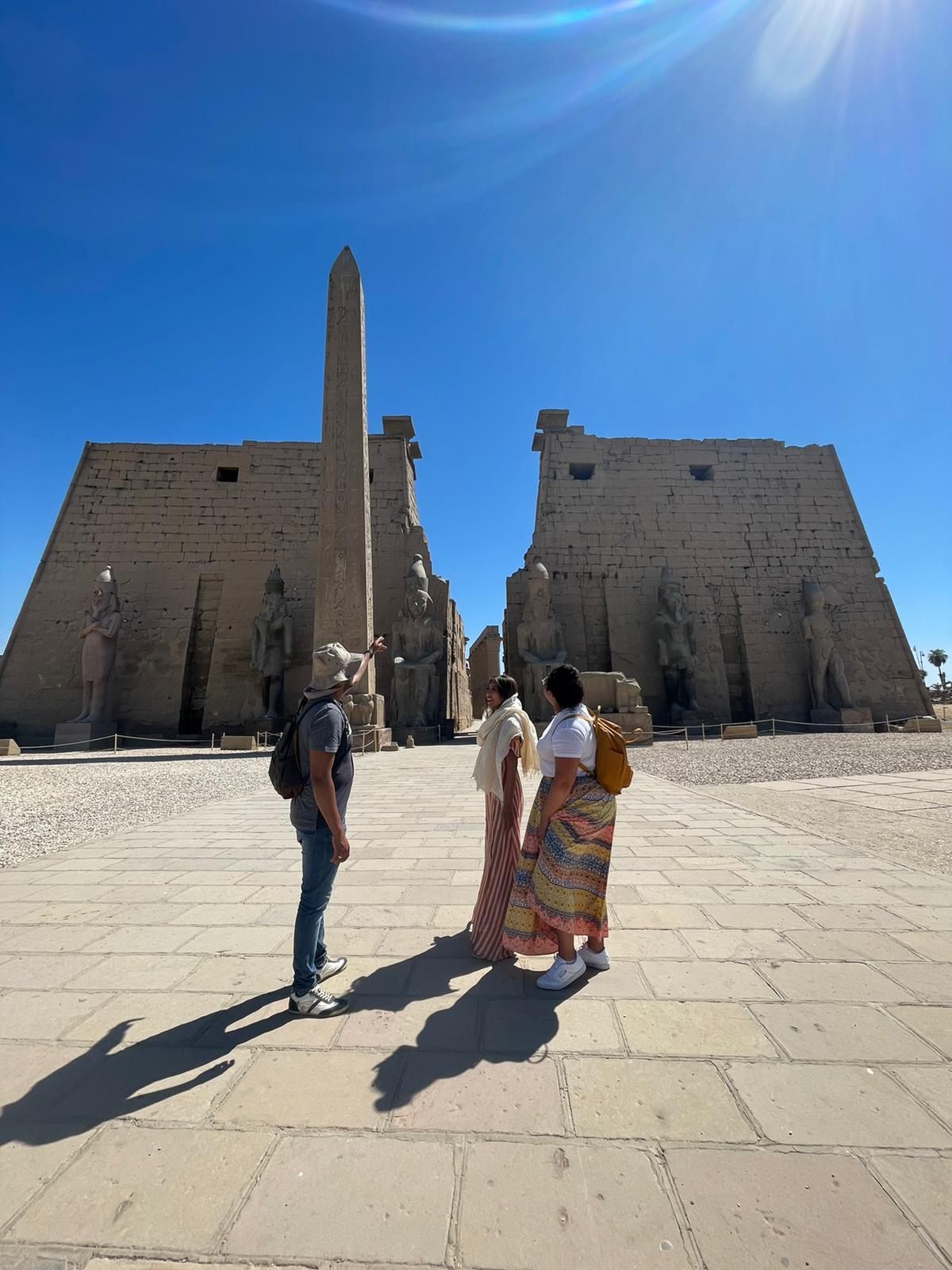
Another fabulous tour today with Abdullah and Moses our driver.
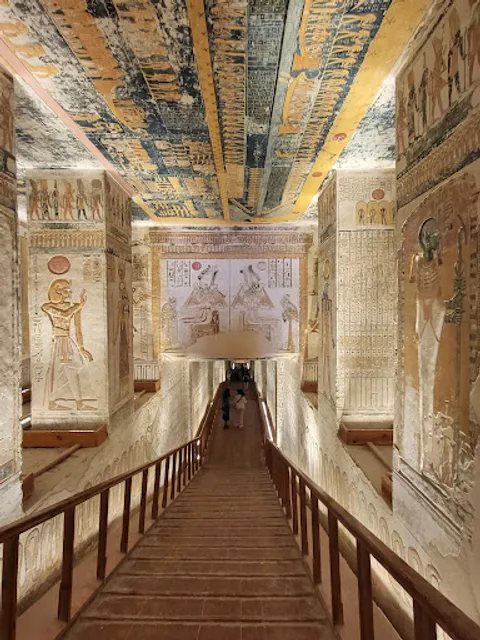
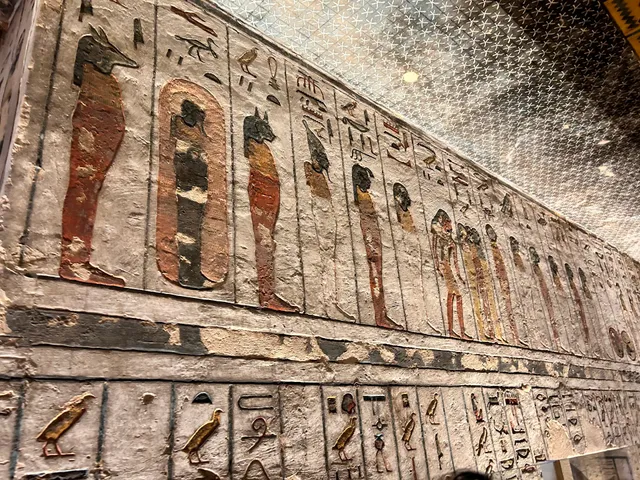
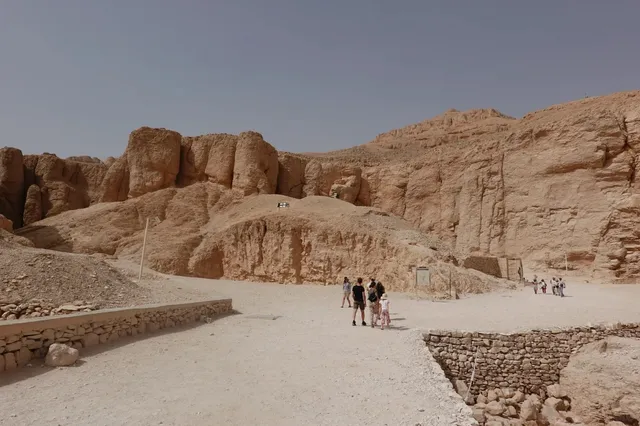
Today we headed to the Valley of the King's and visited four tombs of the once rulers of the fair land. Getting to see these tombs is another step back in time! You get to walk the final steps of the Great Pharaoh's. The steps to what was their final resting place.
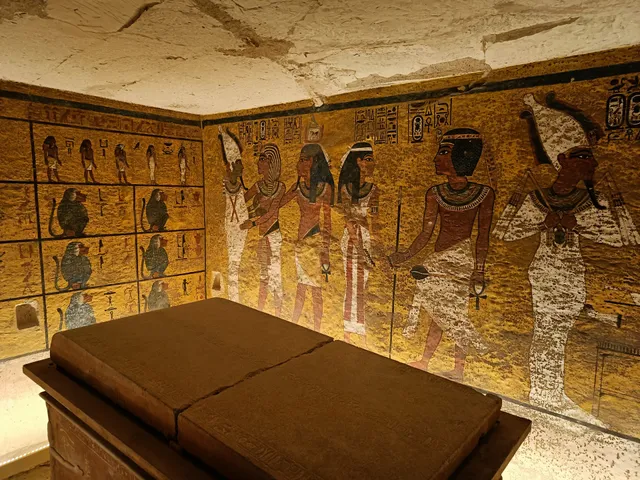
We paid the little extra to visit King Tutankhamens tomb. this is THE only tomb with a Mummy still inside, that is until the discover more.
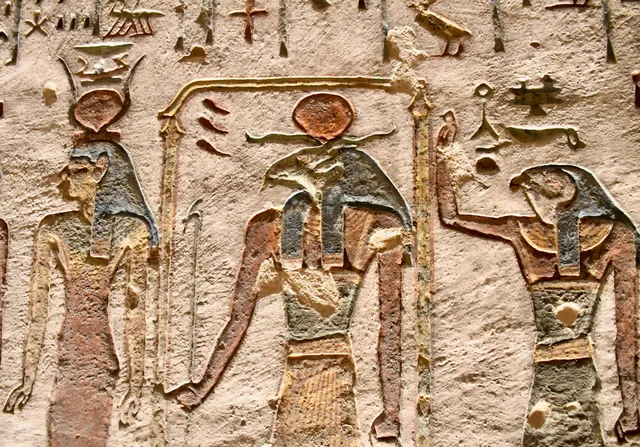
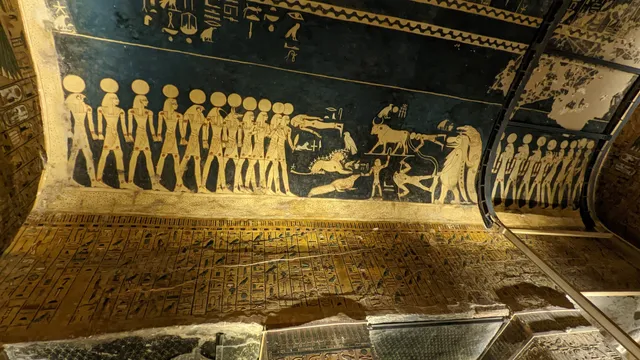
This still has some of The most vibrant and colourful art of the tombs available to visit today. This was a must for myself.
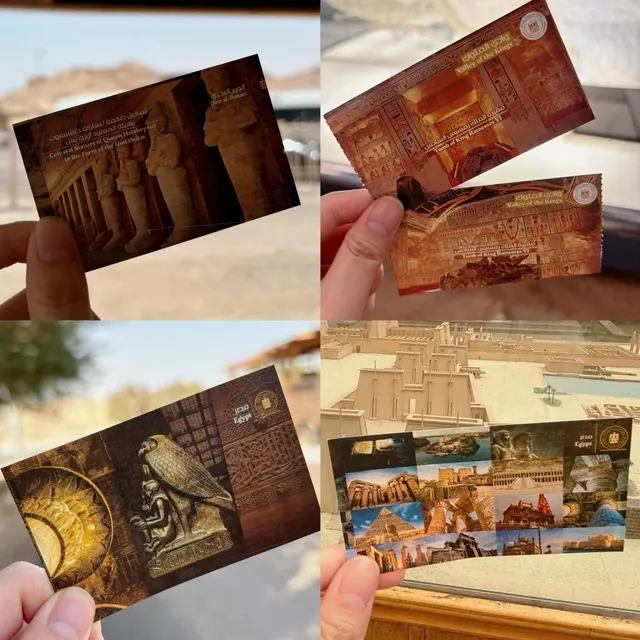
Again as you enter the main entrance to the site, there is a model displayed on the right. This shows the epic proportions of the site as well as the efforts put into the designing of tombs and the great lengths they went too to protect themselves and their wealth in the afterlife.
It was hard to believe as well that one Pharaoh took it upon himself to erase his step mother from History from the point that she became a Ruler. Before this, the story of her conception and birth remained as well as her growth into a young lady but once she was accepted as a Ruler of Egypt, from this point onwards, Is erased even her Name from the Cartouche!
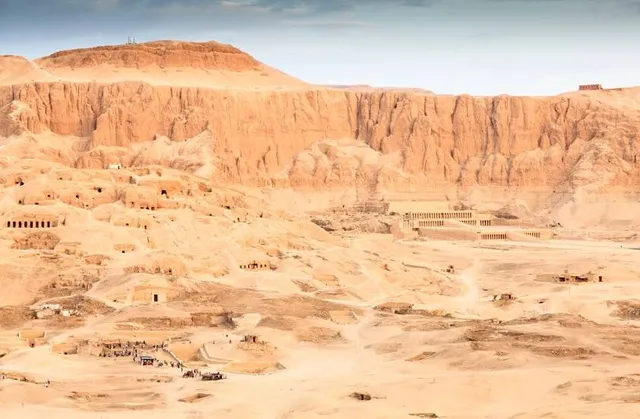
This was later seen at the Temple of Hapshetsut! Again another impressive piece of architecture.. It was so nice to see these impressive displays of work up close in person as well as their beautiful details both sculpted and painted.
It was also impressive to see a chaple dedicated to the great Anubis! It is unfortunately that he also has been attempted to be erased at some points in history due to religious beliefs. Hatsheptsut had a tomb erected for her Boy friend who actually designed her Temple. This can be seen to the right of her Temple as you look at it.
The view from the Temple itself is also something to appreciate and take in as you can see the lush greenery and the towns below.
The Ancient Egyptians definitely knew The best places to place their monuments and secure their Place in history. Earth quakes, floods, fire, tomb robers Explorers and even the Sands of time could not destroy or keep their fantastic history and stories for forever being told.
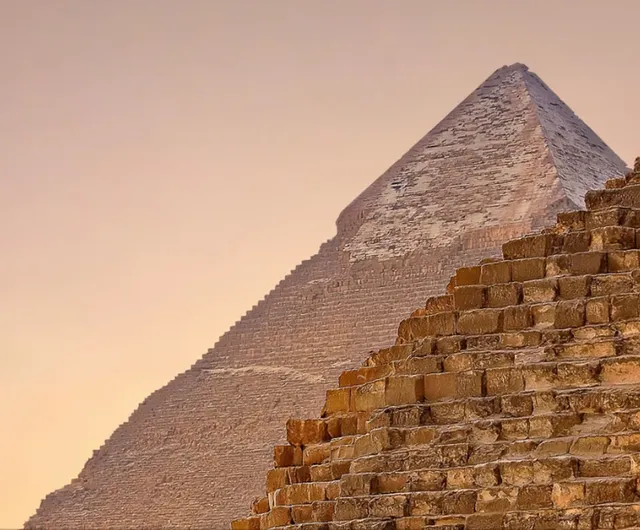
If you have dreamt of visiting Egypt, then Luxor needs to be a stop on your list! As impressive as the Pyramids are to see and behold in Cairo, Luxor has so much to offer when it comes to places to appreciate and adore.
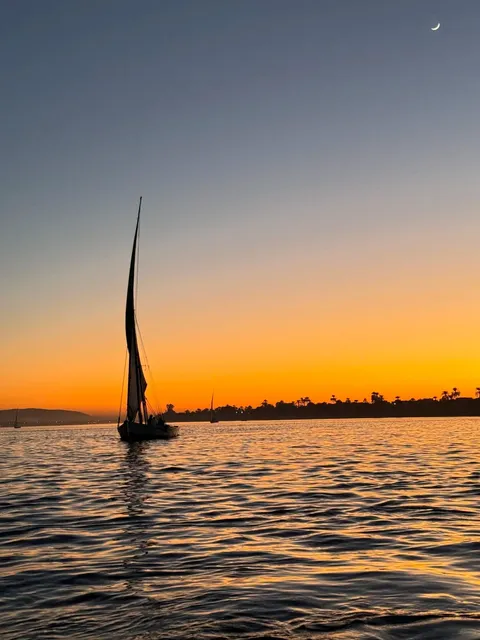
This is my first visit to Egypt and definitely won't be my last. It has opened my eyes and my heart to so much. I never expect to Catch feelings for this great wonder of the world. But I have. Staying on the Nile is a...
Read moreThe Valley of the Kings, also known as Biban el-Muluk, is an ancient Egyptian burial site located on the west bank of the Nile River in Luxor, Egypt. It is one of the most famous and significant archaeological sites in the world, attracting millions of visitors each year.
Key features and information about the Valley of the Kings:
Historical Significance: The Valley of the Kings served as the royal burial ground for pharaohs and high-ranking nobles during the New Kingdom period of ancient Egypt, approximately from the 16th to the 11th century BCE.
Location: The Valley of the Kings is situated on the west bank of the Nile River, opposite the modern city of Luxor (ancient Thebes).
Burial Tombs: The valley contains over 60 rock-cut tombs, carved into the limestone cliffs of the surrounding hills. These tombs were created to house the remains of Egyptian rulers and elites, ensuring their safe journey to the afterlife.
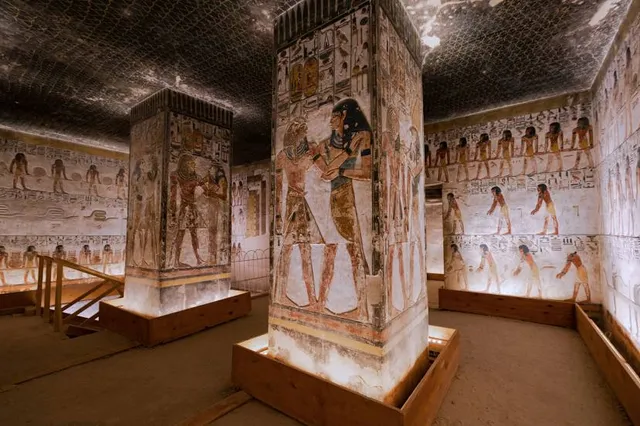
Tomb Architecture: Each tomb is unique in design and features, with varying sizes, layouts, and decorations. The interior walls of the tombs are adorned with intricate paintings, religious texts, and scenes depicting the pharaoh's journey to the afterlife.
Famous Tombs: Among the most famous tombs in the Valley of the Kings are the tomb of Tutankhamun (KV62), the tomb of Ramses III (KV11), the tomb of Seti I (KV17), and the tomb of Hatshepsut (KV20).
Discovery of Tutankhamun's Tomb: The discovery of Tutankhamun's nearly intact tomb by Howard Carter in 1922 was one of the most significant archaeological finds in history, providing remarkable insights into ancient Egyptian burial practices and treasures.
Preservation: Due to the fragility of the tombs and the importance of preserving the ancient artwork within them, not all tombs in the Valley of the Kings are open to the public at the same time. A rotating system is in place to allow for restorations and protection.
Open to Visitors: The Valley of the Kings is open to visitors, and tourists can explore several tombs that are open to the public on any given day. The entrance ticket grants access to a limited number of tombs, with the option to purchase additional tickets for specific tombs.
Visiting the Valley of the Kings is a once-in-a-lifetime experience, providing a glimpse into the fascinating world of ancient Egyptian burial practices, religious beliefs, and the artistry of their tombs. The site's historical and cultural significance, along with its breathtaking landscapes, make it a must-visit destination for history enthusiasts and...
Read moreThe Valley of the Kings: A Journey into Ancient Egyptian Royalty
Nestled on the west bank of the Nile River, just opposite modern-day Luxor, lies the Valley of the Kings—a place where pharaohs and powerful nobles found their eternal resting place. Here, amid the arid desert landscape, history unfolds in the form of rock-cut tombs and intricate hieroglyphs.
A Royal Necropolis:
The Valley of the Kings served as the principal burial ground for Egypt’s New Kingdom rulers during a span of nearly 500 years—from the Eighteenth Dynasty to the Twentieth Dynasty.
Over 65 tombs and chambers dot this ancient wadi, each revealing glimpses of opulence, power, and religious beliefs.
The East and West Valleys:
The valley splits into two main sections:
The East Valley: Home to most of the royal tombs, including the famous Tutankhamun’s Tomb (KV62). The discovery of Tutankhamun’s intact burial in 1922 captured the world’s imagination.
The West Valley (Valley of the Monkeys): Less explored but equally intriguing, it holds secrets waiting to be unveiled.
Architectural Marvels:
The Great Hypostyle Hall within some tombs stands as a testament to ancient engineering. Its towering columns depict scenes from Egyptian mythology.
The Avenue of Sphinxes, flanked by ram-headed sphinx statues, leads visitors toward the heart of the valley.
Preserving the Past:
The delicate wall paintings inside the tombs have suffered from humidity caused by countless visitors. To protect them, tombs open and close in rotation.
Despite centuries of looting, the Valley still offers glimpses of the afterlife beliefs and rituals of pharaohs.
Exploration and Discovery:
Since the late 18th century, Egyptologists and archaeologists have delved into the Valley’s mysteries.
Recent discoveries, such as new chambers and tomb entrances, continue to fuel research and fascination.
Visiting Tips:
Wear comfortable shoes for exploring the vast terrain.
Arrive early to beat the crowds and witness the sunrise casting shadows on ancient stones.
Consider hiring a guide to unravel the stories hidden within the tombs.
In summary, the Valley of the Kings is more than a burial ground; it’s a portal to Egypt’s past. As you walk among the sun-scorched cliffs, imagine the pharaohs’ journey to the afterlife—a journey immortalized in these timeless...
Read more