HTML SitemapExplore
logo
Find Things to DoFind The Best Restaurants

Syrian Monastery — Attraction in The Lake

Name
Syrian Monastery
Description
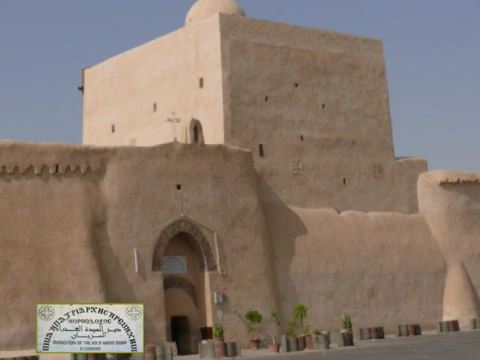
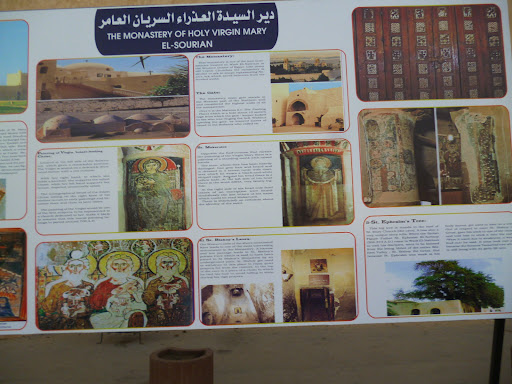
The Monastery of Saint Mary El-Sourian is a Coptic Orthodox monastery located in Wadi El Natrun in the Nitrian Desert, Beheira Governorate, Egypt. It is located about 500 meters northwest of the Monastery of Saint Pishoy. The monastery is dedicated to the Virgin Mary and carries her name.
Nearby attractions
Monastery of Saint Bishoy
8995+JRG، طريق دير الانبا بيشوي, Natrn Valley, Beheira Governorate 22856, Egypt
Nearby restaurants
Nearby hotels
Related posts
Keywords
Syrian Monastery tourism.Syrian Monastery hotels.Syrian Monastery bed and breakfast. flights to Syrian Monastery.Syrian Monastery attractions.Syrian Monastery restaurants.Syrian Monastery travel.Syrian Monastery travel guide.Syrian Monastery travel blog.Syrian Monastery pictures.Syrian Monastery photos.Syrian Monastery travel tips.Syrian Monastery maps.Syrian Monastery things to do.
Syrian Monastery things to do, attractions, restaurants, events info and trip planning
Syrian Monastery
EgyptThe LakeSyrian Monastery

Basic Info

Syrian Monastery

8993+4W2، طريق دير السريان, Natrn Valley, Beheira Governorate 5700424, Egypt
4.9(1.2K)
Open 24 hours
Save
spot

Ratings & Description

Info

The Monastery of Saint Mary El-Sourian is a Coptic Orthodox monastery located in Wadi El Natrun in the Nitrian Desert, Beheira Governorate, Egypt. It is located about 500 meters northwest of the Monastery of Saint Pishoy. The monastery is dedicated to the Virgin Mary and carries her name.

Cultural
Accessibility
attractions: Monastery of Saint Bishoy, restaurants:
logoLearn more insights from Wanderboat AI.
Phone
+20 2 25905161
Website
st-mary-alsourian.com

Plan your stay

hotel
Pet-friendly Hotels in The Lake
Find a cozy hotel nearby and make it a full experience.
hotel
Affordable Hotels in The Lake
Find a cozy hotel nearby and make it a full experience.
hotel
The Coolest Hotels You Haven't Heard Of (Yet)
Find a cozy hotel nearby and make it a full experience.
hotel
Trending Stays Worth the Hype in The Lake
Find a cozy hotel nearby and make it a full experience.

Reviews

Nearby attractions of Syrian Monastery

Monastery of Saint Bishoy

Monastery of Saint Bishoy

Monastery of Saint Bishoy

4.9

(2.6K)

Open until 8:00 PM
Click for details
Get the Appoverlay
Get the AppOne tap to find yournext favorite spots!
Wanderboat LogoWanderboat

Your everyday Al companion for getaway ideas

CompanyAbout Us
InformationAI Trip PlannerSitemap
SocialXInstagramTiktokLinkedin
LegalTerms of ServicePrivacy Policy

Get the app

© 2025 Wanderboat. All rights reserved.
logo

Reviews of Syrian Monastery

4.9
(1,179)
avatar
5.0
3y

The Monastery of Saint Mary El-Sourian is a Coptic Orthodox monastery located in Wadi El Natrun in the Nitrian Desert, Beheira Governorate, Egypt. It is located about 500 meters northwest of the Monastery of Saint Pishoy. The monastery is dedicated to the Virgin Mary and carries her name. In scholarly references from the nineteenth century it is generally called the convent or monastery of Saint Mary Deipara. It is better known nowadays as the Syrian Monastery or the monastery of the Syrians (Syriac Dayr al-Suryān) because it was mainly used by monks of the West Syriac rite from the 8th to the 14th century.Wadi Natrun.

The exact date of the monastery's foundation is unknown. Most sources seem however to agree that its foundation took place in the sixth century AD. The establishment of the monastery is closely connected to the Julianist heresy, which spread in Egypt during the papacy of Pope Timothy III of Alexandria. The Julianists believed in the incorruptibility of Christ's body. This was in contradiction with the teaching of the Orthodox Church, which held that Christ had taken human flesh that prevented him from being ideal and abstract, and therefore corruptible. Yet, in the monasteries of Scetes, a majority of the monks embraced the Julian heresy. In reaction, those who did not follow the heresy obtained permission from the governor Aristomachus to erect new churches and monasteries, so that they could settle apart from the Julianists. These new facilities were often built alongside the old ones, even keeping the same name but adding to it the word Theotokos, thus recognizing the significance of the incarnation, which the Julians seemed to minimize. The Syrian Monastery was therefore established by those monks of the Monastery of Saint Pishoy who rejected the Julian heresy. At the time of its construction, they called it the Monastery of the Holy Virgin Theotokos.

Towards the beginning of the eighth century AD, the monastery was sold to a group of wealthy Syrian merchants from Tikrit, who had settled in Cairo, for 12,000 dinars. These merchants converted the monastery for use by Syrian monks, and rebaptized it Monastery of the Holy Virgin of the Syrians. This could be one of the sources of the monastery's modern name. Yet, it is also possible that the monastery had already been inhabited by Syrian monks since the fourth century AD, which could trace the monastery's name to that period.

The Syrian Monastery, like the rest of the monasteries in Scetes, was subject to fierce attacks by desert Bedouins and Berbers. The fifth of these attacks, which took place in 817 AD, was particularly disastrous to this monastery. The monastery was then rebuilt in 850 AD by two monks, named Matthew and Abraham.

In 927 AD, one of the monastery's monks, known as Moses of Nisibis, traveled to Baghdad to ask the Abbasid caliph Al-Muqtadir to grant tax exemption to the monasteries. Moses then traveled through Syria region and Mesopotamia in search of manuscripts. After three years of traveling, he returned to Egypt, bringing with him 250 Syriac manuscript. This made of the Syrian Monastery a prosperous and important facility, possessing many artistic treasures and a library rich in Syriac texts.

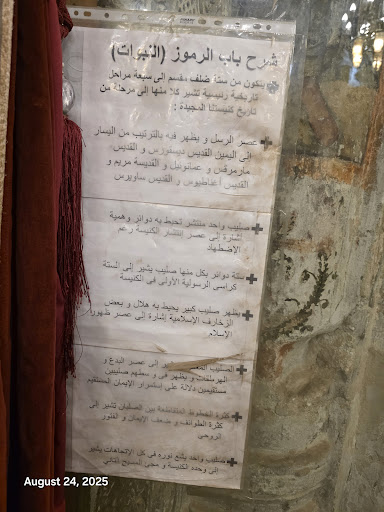
Inside the monastery, there is a large door known as, the Door of Prophecies or Gate of Prophecies, that features symbolic diagrams depicting the past and the future of the Christian faith through the eyes of Christian monks of the...

   Read more
avatar
5.0
10y

Got it 👍 Here’s a travel-style review of El-Nsoryan Monastery in exactly around 250 words:

El-Eoryan Monastery, also known as the Monastery of the Syrians, is a hidden gem in Egypt’s Wadi El-Natrun. For travelers interested in history, spirituality, or simply peaceful escapes, this site offers an unforgettable experience. The monastery, founded in the 6th century, combines Coptic and Syrian influences, making it unique among the four major monasteries in the region.

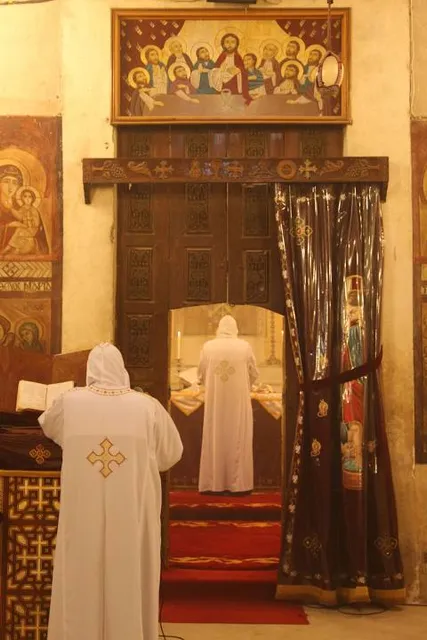
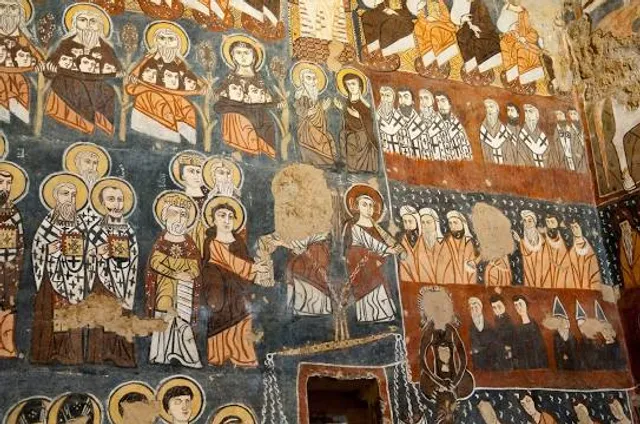
The journey to the monastery is straightforward, and once you arrive, you’re welcomed by a quiet and calming atmosphere. The complex is beautifully preserved, with high walls, courtyards, and ancient churches that immediately transport you back in time. One of the highlights is the Church of the Holy Virgin, which features stunning wooden carvings, icons, and frescoes that tell stories from centuries past. Even for those not deeply familiar with Christian history, the artistry and atmosphere are deeply moving.

What stands out most is the serenity of the place. Unlike busy tourist spots, El-Soryan feels authentic and intimate. The monks are kind and approachable, often sharing stories about the monastery’s heritage and daily monastic life. Their presence adds depth to the visit, reminding you this isn’t just a historical site but an active spiritual community.

Photography is allowed in certain areas, and visitors will find plenty of picturesque spots. It’s easy to spend a few hours walking the grounds, reflecting, or simply...

   Read more
avatar
5.0
6y

دير السيدة العذراء مريم - السريان، هو أصغر الأديرةالعامرة الأربعة بوادي النطرون الواقع غرب دلتا النيل شمالمصر وبه كثير من العلامات الاثرية

وجد هذا الدير في القرن السادس الميلادى وسمى اولاً "سيدة الانبا بيشوى " إذ انه قد نشأت بعض الاديرة المزدوجة الاسم في وقت جدل عقيدى خاص بموضوع الثيوطوكوس - أى والدة الإله – صمم الرهبان علي تكريمها كوالدة الإله فانشأوا الي جانب كل دير رئيسي كبير كنيسة وقلالي تابعة باسم "العذراء مريم والدة الإله" ولهذا دعى الدير "دير السيدة العذراء الانبا بيشوى أو سيدة الانبا بيشوى "

وفى وقت لاحق تقريبا فى اواخر القرن الثامن انتسب الى الدير بعض الرهبان السريان اذا ان العادة كانت ان تستقبل اديرة مصر رهبانا ونساكا من جميع بقاع العالم فهى مهد الرهبنة ومنبعها الاصلى .. وظل الرهبان السريان بالدير الي القرن السادس عشر ولهذا اطلق على الدير اسم:"ديـــر السيدة العذراء – السريان"

بخراب بعض الأديرة القريبة من الدير الموجودة بوادي النطرون في القرن الرابع عشر .. اضطر رهبان دير الانبا يحنس كاما القس والذي تبعد اطلاله 3 كيلومترات جنوب شرق دير السريان الي اللجوء الى دير السريان حاملين معهم رفات القديس الانبا يحنس كاما وظل الرهبان الاقباط الى جانب الرهبان السريان بالدير وحتى سكن الرهبان الاقباط بالدير كلية بداية من القرن السابع عشر وحتى الان وبهذا سمى الدير أحيراً " دير السيدة العذراء والأنبا يحنس كاما – السريان " ويطلق عليه اختصاراً دير السريان.

معالم الدير

الباب والاسوار:

توجد فتحة الباب الرئيسة في الجهة الشمالية للدير وتعتبر اسوار الدير من اعلي اسوار باديرة البرية ويبلغ طولها ثلاثة اضعاف عرضها كابعاد فلك نوح بالضبط وهي من القرن التاسع الميلادي ويتراوح سمكها ما بين 2-3 امتار .

1-      الحصن :

أنشي في منتصف القرن التاسع الميلادى ويعتبر ايضاً اعلى حصون الأديرة بوادي النطرون فهو مكون من اربعة طوابق علي غير العادة المتبعة (ثلاثة طوابق) ويفتح بابه في الطابق الثاني ويصل اليه بقنطرة من خشب ترتكز من احد طرفيها علي باب الحصن ومن الاخر علي بناء مقابل بسلالم ثم ترتفع عند اللزوم بسلاسل حديدية .

2-     كنائس الدير:

1ــ كنيسة دير السيدة العذراء السريان :

هي اقدم كنيسة بالدير وهي من اعمال القرن السادس الميلادى واهم معالمها

v      الهيكل :بالهيكل الاوسط المسمي علي اسم السيدة العذراء نجد النقوش البارزة على الجص الحفورة على جدرانه وتحوى فى مضمونها الاجزاء الرئيسية لسر التناول المقدس كعناقيد العنب وكاس الدم وسنابل القمح وأيضاً قيثارة داود التى رنم بها المزامير قديماً كما يوجد الى الخارجنقوش اخرى بديعة ترجع الى منتصف القرن العاشر الميلادى .

v      باب الرموز: اشهر باب هيكل باديرة مصر كلها صنع فى القرن العاشر سنة 914 ميلادية وكما هو مكتوب بالسريانية علي حلق الباب والباب باشكال الصليب التى فيه والمصنوعة من العاج يرمز الى تاريخ الكنيسة المسيحية بداية من عصر الرسل وانتظارا لمجئ السيد المسيح له المجد وذلك على ضلفه الست باقسامها السبع كالاتى ومن اعلى الى اسفل

o        صورة السيد المسيح والعذراء مريم وحولهما بعض البطاركة الاقباط والسريان

o        دوائر صلبان تمثل انتشار المسيحية في عهد الدولة الرومانية

o        ستة كراسي المسكونة بالعالم المسيحى وهى الاسكندرية - اورشليم – روما – انطاكية – قسطنطينية – قرطاجة .

o        الصليب وحوله الهلال يمثل ظهور الاسلام.

o        الصليب المعكوف دلالة علي انتشار البدع

o        الصليب يرمز الى فترة الفتور الروحى

o        الصليب بالوسط دلالة على اتحاد الكنائس ومجئ السيد المسيح الثانى له المجد.

v      الخورس الاول: ويشمل على :

o        انصاف القباب على الجانبين وهى من اقدم الترتيب المعمارى الذى اتبع فى الكنائس كما انها من اندر الاثار التى من هذا النوع والباقية للآن فى اديرة وادى النطرون وهى تحوى رسوماً جصية – فريسكا بالالوان وتختص بحياة السيدة العذراء مريم – ولا توجد ايقونات فريسك بمصر كاملة بهذا الشكل ولا فى مساحتها وهى من القرن العاشر الميلادى (الفريسكا القبلية الجنوبية منظر البشارة والميلاد اما الفريسكا البحرية الشمالية نري فيها منظر نياحة العذراء.

o        اللوحة التذكارية الخاصة بالانبا يحنس كاما وتحكى ملخص سيرته وتذكر يوم نياحته فى انتقالهم الى...

   Read more

Page 1 of 7
Previous
Next

Posts

Victor IsraelVictor Israel
The Monastery of Saint Mary El-Sourian is a Coptic Orthodox monastery located in Wadi El Natrun in the Nitrian Desert, Beheira Governorate, Egypt. It is located about 500 meters northwest of the Monastery of Saint Pishoy. The monastery is dedicated to the Virgin Mary and carries her name. In scholarly references from the nineteenth century it is generally called the convent or monastery of Saint Mary Deipara. It is better known nowadays as the Syrian Monastery or the monastery of the Syrians (Syriac Dayr al-Suryān) because it was mainly used by monks of the West Syriac rite from the 8th to the 14th century.Wadi Natrun. The exact date of the monastery's foundation is unknown. Most sources seem however to agree that its foundation took place in the sixth century AD. The establishment of the monastery is closely connected to the Julianist heresy, which spread in Egypt during the papacy of Pope Timothy III of Alexandria. The Julianists believed in the incorruptibility of Christ's body. This was in contradiction with the teaching of the Orthodox Church, which held that Christ had taken human flesh that prevented him from being ideal and abstract, and therefore corruptible. Yet, in the monasteries of Scetes, a majority of the monks embraced the Julian heresy. In reaction, those who did not follow the heresy obtained permission from the governor Aristomachus to erect new churches and monasteries, so that they could settle apart from the Julianists. These new facilities were often built alongside the old ones, even keeping the same name but adding to it the word Theotokos, thus recognizing the significance of the incarnation, which the Julians seemed to minimize. The Syrian Monastery was therefore established by those monks of the Monastery of Saint Pishoy who rejected the Julian heresy. At the time of its construction, they called it the Monastery of the Holy Virgin Theotokos. Towards the beginning of the eighth century AD, the monastery was sold to a group of wealthy Syrian merchants from Tikrit, who had settled in Cairo, for 12,000 dinars. These merchants converted the monastery for use by Syrian monks, and rebaptized it Monastery of the Holy Virgin of the Syrians. This could be one of the sources of the monastery's modern name. Yet, it is also possible that the monastery had already been inhabited by Syrian monks since the fourth century AD, which could trace the monastery's name to that period. The Syrian Monastery, like the rest of the monasteries in Scetes, was subject to fierce attacks by desert Bedouins and Berbers. The fifth of these attacks, which took place in 817 AD, was particularly disastrous to this monastery. The monastery was then rebuilt in 850 AD by two monks, named Matthew and Abraham. In 927 AD, one of the monastery's monks, known as Moses of Nisibis, traveled to Baghdad to ask the Abbasid caliph Al-Muqtadir to grant tax exemption to the monasteries. Moses then traveled through Syria region and Mesopotamia in search of manuscripts. After three years of traveling, he returned to Egypt, bringing with him 250 Syriac manuscript. This made of the Syrian Monastery a prosperous and important facility, possessing many artistic treasures and a library rich in Syriac texts. Inside the monastery, there is a large door known as, the Door of Prophecies or Gate of Prophecies, that features symbolic diagrams depicting the past and the future of the Christian faith through the eyes of Christian monks of the tenth century.
Mina TharwatMina Tharwat
Got it 👍 Here’s a travel-style review of El-Nsoryan Monastery in exactly around 250 words: --- El-Eoryan Monastery, also known as the Monastery of the Syrians, is a hidden gem in Egypt’s Wadi El-Natrun. For travelers interested in history, spirituality, or simply peaceful escapes, this site offers an unforgettable experience. The monastery, founded in the 6th century, combines Coptic and Syrian influences, making it unique among the four major monasteries in the region. The journey to the monastery is straightforward, and once you arrive, you’re welcomed by a quiet and calming atmosphere. The complex is beautifully preserved, with high walls, courtyards, and ancient churches that immediately transport you back in time. One of the highlights is the Church of the Holy Virgin, which features stunning wooden carvings, icons, and frescoes that tell stories from centuries past. Even for those not deeply familiar with Christian history, the artistry and atmosphere are deeply moving. What stands out most is the serenity of the place. Unlike busy tourist spots, El-Soryan feels authentic and intimate. The monks are kind and approachable, often sharing stories about the monastery’s heritage and daily monastic life. Their presence adds depth to the visit, reminding you this isn’t just a historical site but an active spiritual community. Photography is allowed in certain areas, and visitors will find plenty of picturesque spots. It’s easy to spend a few hours walking the grounds, reflecting, or simply enjoying the quiet.
Roma gmRoma gm
عشقي وحبي الاول والاخير مكان قداسة ورهبان قديسين هو من القرن الخامس الميلادي تقريبًا كما تشير المصادر المختلفة إلى ذلك، وهناك أدلة كثيرة تؤكد لنا ذلك نذكر أهمها:- الحصن القديم: الحصن القديم الذي على يمين مدخل الدير، وإن كان قد تم ترميمه.  لكن من المعروف إن الذي بنى هذه الحصون بالأديرة هو الملك زينون (474 م. - 491 م.) تكريمًا لابنته الراهبة إيلارية التي ترهبنت في برية شيهيت وذاع صيتها في العالم كله وهناك مخطوط بمكتبة لندن لمايمر مار يعقوب السروجى يرجع تاريخ نساخته إلى عام 603 م في دير والدة الإله العذراء السريان. يذكر بتلر إن حواجز كنيسة العذراء السريان يرجع تاريخها إلى ما قبل عام 700 م وتشبه في ذلك كنيسة الأنبا بيشوى وكنيسة العذراء البراموس وهذه الكنائس أقدم آثار البرية إلى وقتنا الحالى. يذكر برومستر في كتابه "المرشد إلى أديرة وادى النطرون" أنه كان واحدًا من الأديرة المعروفة بالثيؤطوكس (أديرة والدة الإله) وكان ضمن نظام الأديرة المزدوجة الذي ظهر في القرن الخامس بعد دحض بدعة نسطور التي بسببها عقد مجمع أفسس سنة 341م وبعده بنيت أديرة تسمى الثيؤطوكوس (qeotokoc والدة الإله) فدعى دير والدة الإله العذراء سيدة الأنبا بيشوى وما زال حتى الآن يعرف بدير السيدة العذراء السريان بجوار دير القديس الأنبا بيشوى بالبرية الشرقية. ويذكر إيفيلين هوايت إن دير السريان أصبح مستقلًا في إدارته منذ القرن الثامن الميلادي. يلقب بالسريان منذ القرن الرابع ببرية شيهيت ذات شهرة في العالم أجمع حتى إنه كان يأتى إليها الناس من مختلف بلاد العالم لزيارته والتبرك من النساك الذين بلغوا درجات روحية عالية أو للتعبد، كما ذكرنا أيضًا هنا في موقع الأنبا تكلا هيمانوت في أقسام أخرى... مثلما أتى القديس أرسانيوس معلم أولاد الملوك والقديسان مكسيموس ودوماديوس أولاد ملك الروم وعاشوا بالبرية، ومازال مكانهم بدير العذراء البراموس بالبرية. أيضًا ما زالت آثار الأديرة القديمة على بعد 3 كيلو متر تقريبًا جنوب شرقى الدير، كما ذكرنا أيضًا هنا في موقع الأنبا تكلا هيمانوت في أقسام أخرى. والتى منها دير الأنبا يحنس كاما، ودير ابانوب، ودير الأحباش، ودير الأرمن، ودير الأنبا يحنس القصير. ونظرًا لأنه كان يتعبد بشيهيت أجناس مختلفة من روما والحبشة، وسوريا، وفلسطين وغيرها لذلك استضاف الرهبان الأقباط بديرهم السيدة العذراء رهبان سريان لفترة من الزمن ومنذ مئات السنيين أصبح عامرًا مرة أخرى برهبانه الأقباط طيلة الأزمان السابقة وما زال حتى الآن فلأنه كان به رهبان سريان فترة من الزمن لذلك إشتهر باسم دير السريان وما زال يشتهر باسم دير العذراء السريان حتى وقتنا هذا.أيضًا لتميزه عن دير السيدة العذراء البراموس بالبرية. * دير السريان والأنبا يحنس كاما: إن دير العذراء السريان ليس هو دير الأنبا يحنس كاما. فدير السريان منذ القرن الخامس أما دير يحنس كاما فهو من القرن التاسع وما زالت آثار دير الأنبا يحنس كاما ضمن منطقة الأديرة القديمة على بعد 3 كيلو تقريبًا جنوب شرقى الدير من أديرة أخرى قد تخربت وقد أقام عليها الأمير عمر طوسن مشكورًا أعمدة وكتب إسم كل دير عليها وكما زار ديره العلامة ماوهوب عام 1088 م. ولما خرب دير الأنبا يحنس كاما وتداعت أسواره بسبب النمل الأبيض بين عامى 1413 – 1430 م لجأ رهبانه إلى دير العذراء السريان وقد حملوا معهم جسد أبيهم الأنبا يحنس كاما وكل مقتناياتهم وحجر رخامى ما زال مثبتًا بكنيسة السريان نقش عليه باللغة القبطية تاريخ نياحة القديس يوحنس كاما وإبنه القديس إسطفانوس. **دير السريان في القرن العشرين:- إن دير العذراء السريان له شهرته عن الأديرة الأخرى خاصة من بداية النصف الثاني في القرن العشرين إذ كان قائدًا وبادئًا للنهضة الرهبانية والعمرانية وذلك بفضل تشجيع نيافة الأنبا ثاؤفيلس منذ رئاسته للدير عام 1948م
See more posts
See more posts
hotel
Find your stay

Pet-friendly Hotels in The Lake

Find a cozy hotel nearby and make it a full experience.

The Monastery of Saint Mary El-Sourian is a Coptic Orthodox monastery located in Wadi El Natrun in the Nitrian Desert, Beheira Governorate, Egypt. It is located about 500 meters northwest of the Monastery of Saint Pishoy. The monastery is dedicated to the Virgin Mary and carries her name. In scholarly references from the nineteenth century it is generally called the convent or monastery of Saint Mary Deipara. It is better known nowadays as the Syrian Monastery or the monastery of the Syrians (Syriac Dayr al-Suryān) because it was mainly used by monks of the West Syriac rite from the 8th to the 14th century.Wadi Natrun. The exact date of the monastery's foundation is unknown. Most sources seem however to agree that its foundation took place in the sixth century AD. The establishment of the monastery is closely connected to the Julianist heresy, which spread in Egypt during the papacy of Pope Timothy III of Alexandria. The Julianists believed in the incorruptibility of Christ's body. This was in contradiction with the teaching of the Orthodox Church, which held that Christ had taken human flesh that prevented him from being ideal and abstract, and therefore corruptible. Yet, in the monasteries of Scetes, a majority of the monks embraced the Julian heresy. In reaction, those who did not follow the heresy obtained permission from the governor Aristomachus to erect new churches and monasteries, so that they could settle apart from the Julianists. These new facilities were often built alongside the old ones, even keeping the same name but adding to it the word Theotokos, thus recognizing the significance of the incarnation, which the Julians seemed to minimize. The Syrian Monastery was therefore established by those monks of the Monastery of Saint Pishoy who rejected the Julian heresy. At the time of its construction, they called it the Monastery of the Holy Virgin Theotokos. Towards the beginning of the eighth century AD, the monastery was sold to a group of wealthy Syrian merchants from Tikrit, who had settled in Cairo, for 12,000 dinars. These merchants converted the monastery for use by Syrian monks, and rebaptized it Monastery of the Holy Virgin of the Syrians. This could be one of the sources of the monastery's modern name. Yet, it is also possible that the monastery had already been inhabited by Syrian monks since the fourth century AD, which could trace the monastery's name to that period. The Syrian Monastery, like the rest of the monasteries in Scetes, was subject to fierce attacks by desert Bedouins and Berbers. The fifth of these attacks, which took place in 817 AD, was particularly disastrous to this monastery. The monastery was then rebuilt in 850 AD by two monks, named Matthew and Abraham. In 927 AD, one of the monastery's monks, known as Moses of Nisibis, traveled to Baghdad to ask the Abbasid caliph Al-Muqtadir to grant tax exemption to the monasteries. Moses then traveled through Syria region and Mesopotamia in search of manuscripts. After three years of traveling, he returned to Egypt, bringing with him 250 Syriac manuscript. This made of the Syrian Monastery a prosperous and important facility, possessing many artistic treasures and a library rich in Syriac texts. Inside the monastery, there is a large door known as, the Door of Prophecies or Gate of Prophecies, that features symbolic diagrams depicting the past and the future of the Christian faith through the eyes of Christian monks of the tenth century.
Victor Israel

Victor Israel

hotel
Find your stay

Affordable Hotels in The Lake

Find a cozy hotel nearby and make it a full experience.

Get the Appoverlay
Get the AppOne tap to find yournext favorite spots!
Got it 👍 Here’s a travel-style review of El-Nsoryan Monastery in exactly around 250 words: --- El-Eoryan Monastery, also known as the Monastery of the Syrians, is a hidden gem in Egypt’s Wadi El-Natrun. For travelers interested in history, spirituality, or simply peaceful escapes, this site offers an unforgettable experience. The monastery, founded in the 6th century, combines Coptic and Syrian influences, making it unique among the four major monasteries in the region. The journey to the monastery is straightforward, and once you arrive, you’re welcomed by a quiet and calming atmosphere. The complex is beautifully preserved, with high walls, courtyards, and ancient churches that immediately transport you back in time. One of the highlights is the Church of the Holy Virgin, which features stunning wooden carvings, icons, and frescoes that tell stories from centuries past. Even for those not deeply familiar with Christian history, the artistry and atmosphere are deeply moving. What stands out most is the serenity of the place. Unlike busy tourist spots, El-Soryan feels authentic and intimate. The monks are kind and approachable, often sharing stories about the monastery’s heritage and daily monastic life. Their presence adds depth to the visit, reminding you this isn’t just a historical site but an active spiritual community. Photography is allowed in certain areas, and visitors will find plenty of picturesque spots. It’s easy to spend a few hours walking the grounds, reflecting, or simply enjoying the quiet.
Mina Tharwat

Mina Tharwat

hotel
Find your stay

The Coolest Hotels You Haven't Heard Of (Yet)

Find a cozy hotel nearby and make it a full experience.

hotel
Find your stay

Trending Stays Worth the Hype in The Lake

Find a cozy hotel nearby and make it a full experience.

عشقي وحبي الاول والاخير مكان قداسة ورهبان قديسين هو من القرن الخامس الميلادي تقريبًا كما تشير المصادر المختلفة إلى ذلك، وهناك أدلة كثيرة تؤكد لنا ذلك نذكر أهمها:- الحصن القديم: الحصن القديم الذي على يمين مدخل الدير، وإن كان قد تم ترميمه.  لكن من المعروف إن الذي بنى هذه الحصون بالأديرة هو الملك زينون (474 م. - 491 م.) تكريمًا لابنته الراهبة إيلارية التي ترهبنت في برية شيهيت وذاع صيتها في العالم كله وهناك مخطوط بمكتبة لندن لمايمر مار يعقوب السروجى يرجع تاريخ نساخته إلى عام 603 م في دير والدة الإله العذراء السريان. يذكر بتلر إن حواجز كنيسة العذراء السريان يرجع تاريخها إلى ما قبل عام 700 م وتشبه في ذلك كنيسة الأنبا بيشوى وكنيسة العذراء البراموس وهذه الكنائس أقدم آثار البرية إلى وقتنا الحالى. يذكر برومستر في كتابه "المرشد إلى أديرة وادى النطرون" أنه كان واحدًا من الأديرة المعروفة بالثيؤطوكس (أديرة والدة الإله) وكان ضمن نظام الأديرة المزدوجة الذي ظهر في القرن الخامس بعد دحض بدعة نسطور التي بسببها عقد مجمع أفسس سنة 341م وبعده بنيت أديرة تسمى الثيؤطوكوس (qeotokoc والدة الإله) فدعى دير والدة الإله العذراء سيدة الأنبا بيشوى وما زال حتى الآن يعرف بدير السيدة العذراء السريان بجوار دير القديس الأنبا بيشوى بالبرية الشرقية. ويذكر إيفيلين هوايت إن دير السريان أصبح مستقلًا في إدارته منذ القرن الثامن الميلادي. يلقب بالسريان منذ القرن الرابع ببرية شيهيت ذات شهرة في العالم أجمع حتى إنه كان يأتى إليها الناس من مختلف بلاد العالم لزيارته والتبرك من النساك الذين بلغوا درجات روحية عالية أو للتعبد، كما ذكرنا أيضًا هنا في موقع الأنبا تكلا هيمانوت في أقسام أخرى... مثلما أتى القديس أرسانيوس معلم أولاد الملوك والقديسان مكسيموس ودوماديوس أولاد ملك الروم وعاشوا بالبرية، ومازال مكانهم بدير العذراء البراموس بالبرية. أيضًا ما زالت آثار الأديرة القديمة على بعد 3 كيلو متر تقريبًا جنوب شرقى الدير، كما ذكرنا أيضًا هنا في موقع الأنبا تكلا هيمانوت في أقسام أخرى. والتى منها دير الأنبا يحنس كاما، ودير ابانوب، ودير الأحباش، ودير الأرمن، ودير الأنبا يحنس القصير. ونظرًا لأنه كان يتعبد بشيهيت أجناس مختلفة من روما والحبشة، وسوريا، وفلسطين وغيرها لذلك استضاف الرهبان الأقباط بديرهم السيدة العذراء رهبان سريان لفترة من الزمن ومنذ مئات السنيين أصبح عامرًا مرة أخرى برهبانه الأقباط طيلة الأزمان السابقة وما زال حتى الآن فلأنه كان به رهبان سريان فترة من الزمن لذلك إشتهر باسم دير السريان وما زال يشتهر باسم دير العذراء السريان حتى وقتنا هذا.أيضًا لتميزه عن دير السيدة العذراء البراموس بالبرية. * دير السريان والأنبا يحنس كاما: إن دير العذراء السريان ليس هو دير الأنبا يحنس كاما. فدير السريان منذ القرن الخامس أما دير يحنس كاما فهو من القرن التاسع وما زالت آثار دير الأنبا يحنس كاما ضمن منطقة الأديرة القديمة على بعد 3 كيلو تقريبًا جنوب شرقى الدير من أديرة أخرى قد تخربت وقد أقام عليها الأمير عمر طوسن مشكورًا أعمدة وكتب إسم كل دير عليها وكما زار ديره العلامة ماوهوب عام 1088 م. ولما خرب دير الأنبا يحنس كاما وتداعت أسواره بسبب النمل الأبيض بين عامى 1413 – 1430 م لجأ رهبانه إلى دير العذراء السريان وقد حملوا معهم جسد أبيهم الأنبا يحنس كاما وكل مقتناياتهم وحجر رخامى ما زال مثبتًا بكنيسة السريان نقش عليه باللغة القبطية تاريخ نياحة القديس يوحنس كاما وإبنه القديس إسطفانوس. **دير السريان في القرن العشرين:- إن دير العذراء السريان له شهرته عن الأديرة الأخرى خاصة من بداية النصف الثاني في القرن العشرين إذ كان قائدًا وبادئًا للنهضة الرهبانية والعمرانية وذلك بفضل تشجيع نيافة الأنبا ثاؤفيلس منذ رئاسته للدير عام 1948م
Roma gm

Roma gm

See more posts
See more posts