Axum (also spelled Aksum) is a town in the Tigray Region of Ethiopia with a population of 66,900 residents (as of 2015). It was the capital of the ancient Aksumite Empire, which was a major power in East Africa and South Arabia from the 1st to the 8th centuries AD.
The Aksumite Empire was a major trading power, and Axum was a hub for trade between Africa, Arabia, and the Greco-Roman world. The empire also played an important role in the spread of Christianity in Africa.
Axum is home to a number of important archaeological sites, including:
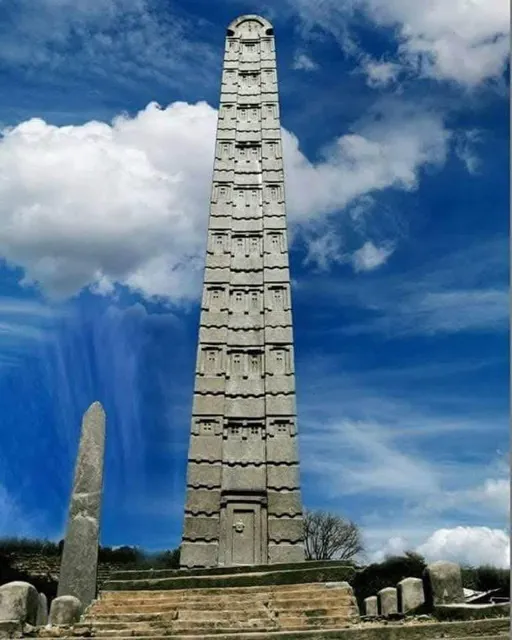
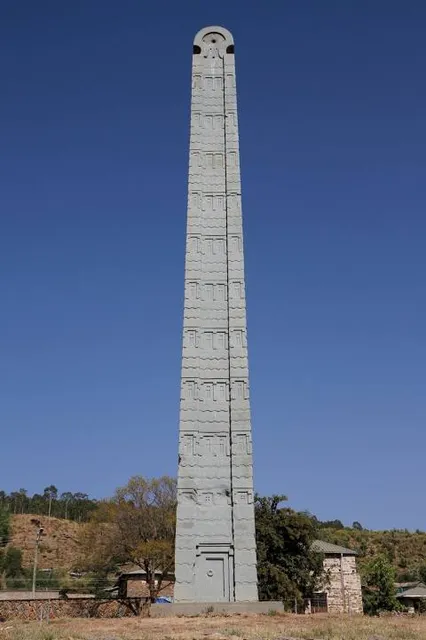
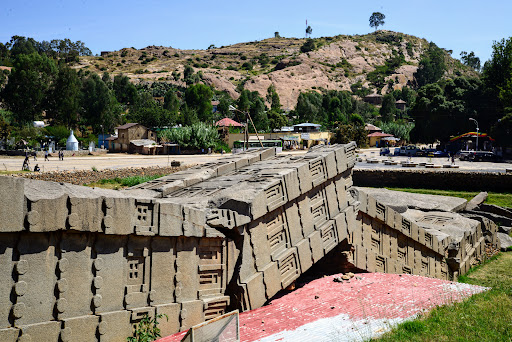
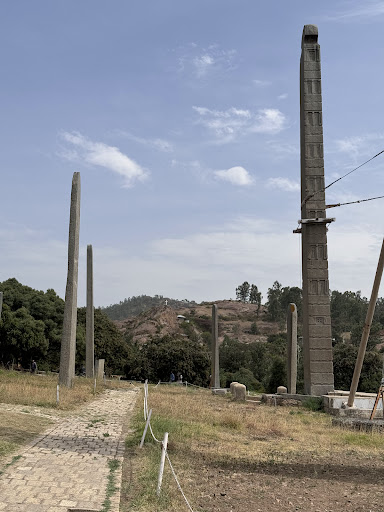
The Stelae Field, which contains a number of massive stone obelisks, some of which are over 30 meters tall.
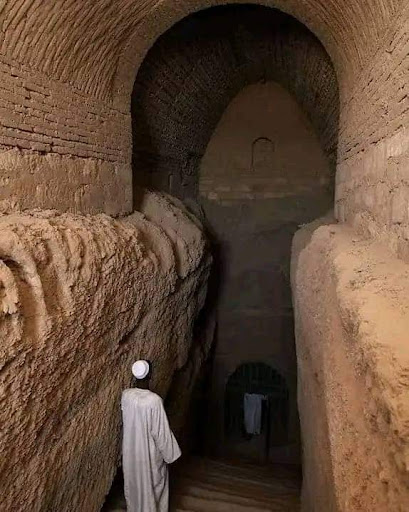
The Tombs of the Kings, which are a series of underground tombs that were used by Aksumite royalty.
The Queen of Sheba's Palace, which is a large ruined building that is thought to have been the palace of the Queen of Sheba.
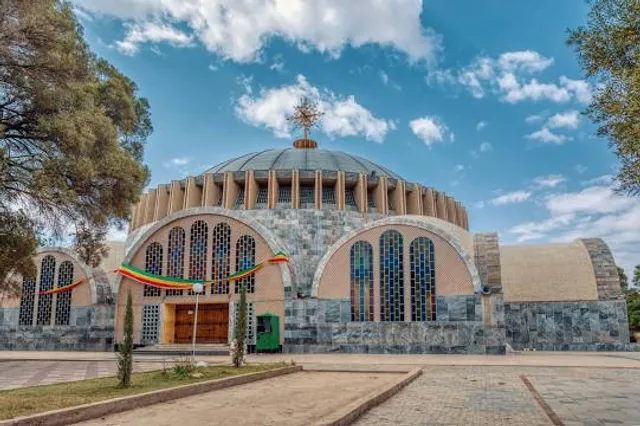
Axum is also home to the Church of Our Lady Mary of Zion, which is one of the most important holy sites in Ethiopian Christianity.
In 1980, Axum was designated a UNESCO World Heritage Site.
Axum is a significant site for both its historical and religious importance. It is a reminder of the power and influence of the Aksumite Empire, and it is a place of pilgrimage for Christians from all...
Read moreThe Aksum obelisk is a large monolithic granite stela or pillar located in modern day Tigray, Ethiopia. It was originally constructed by the ancient kingdom of Axum during the 4th century AD and stands 40 feet tall. The exact age and purpose of the structure are unknown but it has become an iconic symbol of Ethiopian culture and history.
It has been speculated that this stone monument served either as: a funerary marker for King Ezana; a gateway to heaven for deceased souls; or central ritual site within local cults adorning ancestor worship practices associated with agricultural fertility. Historians have suggested that its placement signified Axums power over other cultures at the time due to its size, material use (granite), construction techniques, complex detailing/relief carvings, position on top of platform mounds that were deliberately elevated from its surrounding landscape etc
In 1980, UNESCO listed this obelisk as one amongst seven World Heritage sites under "Historic Monuments Ensemble at Ancient Asmara" signifying international recognition towards guarding cultural heritages like this alluring monuments build centuries ago honoring cross-cultural religions which continue influencing contemporary beliefs around East Africa & Middle Eastern...
Read moreThe birth place of Ethiopian civilization. The Axum Stelae Field contains several old aged amazing obelisks standing to witness mystery. Each obelisk, some of which measured more than 33 meters high and several hundreds of tons in weight, is curved from a single granite stone. The art manifested on the obelisk will definitely ignite a question in your mind with technology Axumites used by that time. No one knows the answer to how was it possible to accurately curve the obelisks, how they transported, how did they erected?????
The largest of the obelisks has fallen there for centuries. It's extremely huge and each art of the obelisk was carefully curved. What happened to the once powerful kingdom of Axum, one of only four powerful Kingdoms in the world, will remain a mystery. But the fallen obelisk will talk a lot and add into your unsolved mysteries.
If anyone tells you they have been to Axum, they sure have been to this place. The obelisks will simply put you into an ocean of amazement. It's very difficult to compare the time these obelisks were erected to the present day of Axum and Ethiopia in general.
I've run short of words to describe this. Any reader of my comment have to visit and tell me if they can describe what they...
Read more